Jim Capers Eutaw Springs
History Along The Trail

The Liberty Trail Story Tellers

The American Revolution was decisively influenced by The Liberty Trail’s diverse terrain, spanning swamps, fields, woods, and mountains. Delve into the narrative of American Independence with blog posts surrounding The Liberty Trail.

States of Interest:
The Blog |

The Colleton family was the only one of all the province’s original proprietors to cast their lot and fortune in South Carolina by establishing a family seat and actual residence within the borders of...

The Blog |

Unknown to the family who built their homestead at the time, the Mount Joseph Plantation would serve as a pivotal intersection for supply routes during the American Revolution. Situated on the western...

The Blog |

The thirteen feet of Major General Johann von Robais, Baron de Kalb’s obelisk monument stands in front of Bethesda Presbyterian Church in Historic Camden, South Carolina. Designed by famed nineteenth...

The Blog |

As British forces continued their efforts to hold vital supply posts to the north of Charleston, South Carolina, they faced efforts by the swarming bands of Continental detachments and patriot militia...

The Blog |

John Slaughter, Southern Campaign of the American Revolution Group Superintendent, reflects on this Revolutionary War battlefield in celebration of 100 years of the National Park Service.

The Blog |

Here are 10 facts about the British victory at the Battle of Camden amidst the struggle for control of the Carolinas during the American Revolution.

We invite you to visit the preserved locations along the Liberty Trail and to immerse yourself in the extraordinary events that determined the fate of a nation.
Battlefield
Concord, MA

At dawn on April 19, 1775, an unknown shot shattered the silence in Lexington. British Redcoats and colonial militia clashed, leaving blood on the field. In Concord, the patriots struck back, and as the British retreated, gunfire hounded them to Boston, thus sparking the American Revolution

Battlefield | Historic Site
Charleston, SC

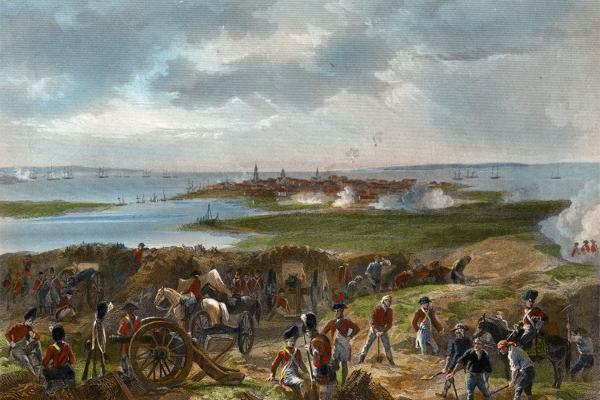
As part of their Southern Campaign, the British set their sights on taking the vital port of Charleston.

Historic Site | State/County Park
Barnegat, NJ

On December 27, 1782, Patriot forces under Captain Richard Shreve and Captain Edward Thomas were surprised at a tavern by Loyalist raider Captain John Bacon, igniting a sharp skirmish. Though the militia gained the advantage, aid from local Loyalists allowed the wounded Bacon to escape, leaving casualties on both sides and marking what is believed to be the last land engagement of the American Revolution.

Historic Site | Historic House
Springfield, NJ

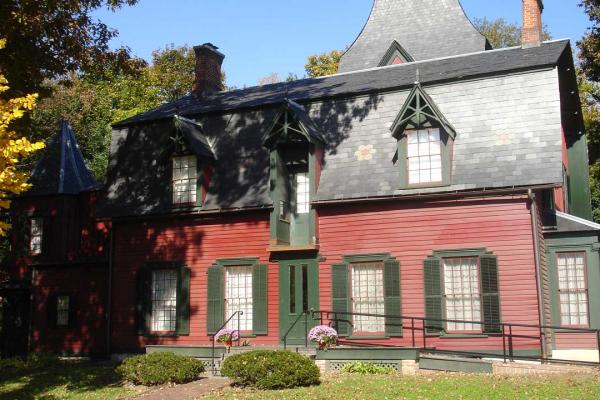
This Revolutionary War landmark withstood fierce fighting during the Battle of Springfield. A British cannonball struck the home — and the scar remains visible today. Inside, the house has been restored and now serves as a museum filled with artifacts, documents, and stories that bring the 1780 battle to life.

Historic Site | Historic House
Clemson, SC

Built in 1716 for Paul de St. Julien in Berkeley County. The house was later dismantled and moved to Clemson University and functions as a house museum.

Battlefield | National Park
Blacksburg, SC

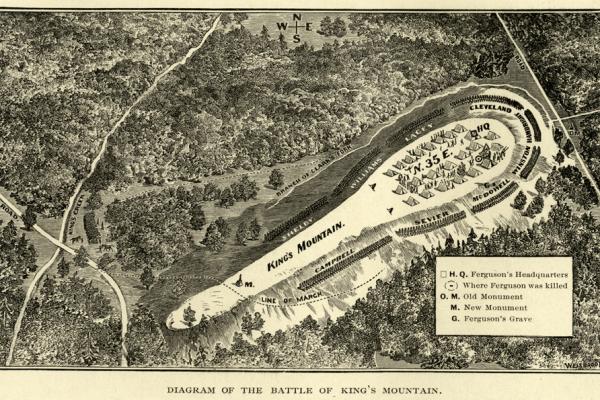
On August 16, 1780, the unexpected Patriot success at Kings Mountain infused those favoring rebellion with new confidence.

Battlefield | Historic Site
Moncks Corner, SC

Former Plantation of Henry Laurens: Merchant, Slave Trader, South Carolina Statesman, and Father of Revolutionary War Soldier John Laurens.

Battlefield |
Camden, SC

The Battle of Camden was a devastating defeat suffered by the Americans in the British military offensive in the South.

Battlefield
Charlestown, MA

A proving ground for the Patriot cause, the infamous Battle of Bunker Hill was the first pitched battle between New England soldiers and the British. Although the British claimed the field, some 1,000 British soldiers and Marines were wounded or killed in action.

Historic Site | Historic House
Charlottesville, VA

Monticello, “Little Mountain,” was the home from 1770 until his death in 1826, of Thomas Jefferson, author of the Declaration of Independence and third president of the United States. Jefferson was one of America’s first and finest architects and he created, rebuilt, and revised the house throughout his long life.

State/County Park | Historic House
Titusville, NJ

The location of George Washington's famous crossing of the Delaware, the site is now a state park that offers historical interpretation and several recreational activities.

Historic Site |
Clemson, SC

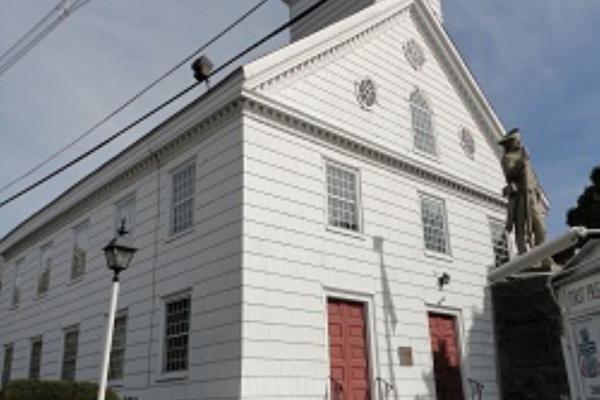
Nestled outside the traditional bounds of the South Carolina colony is the Presbyterian church where Andrew Pickens committed his time as an elder following the Revolution. In the adjacent cemetery lie the graves of several American soldiers who had fought by Pickens' side during the war.