-
The BlogBiographies
-
Videos

We invite you to visit the preserved locations along the Liberty Trail and to immerse
yourself in the extraordinary events that determined the fate of a nation.
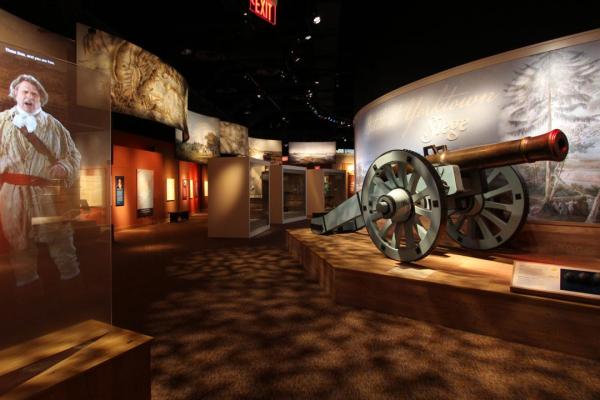
The American Revolution Museum at Yorktown provides the origins of the nation’s founding, stretching from the early colonial period to the passing of the Constitution and beyond. Exciting indoor galleries feature period artifacts, immersive environments and films, including “The Siege of Yorktown,” with a 180-degree surround screen and dramatic special effects.
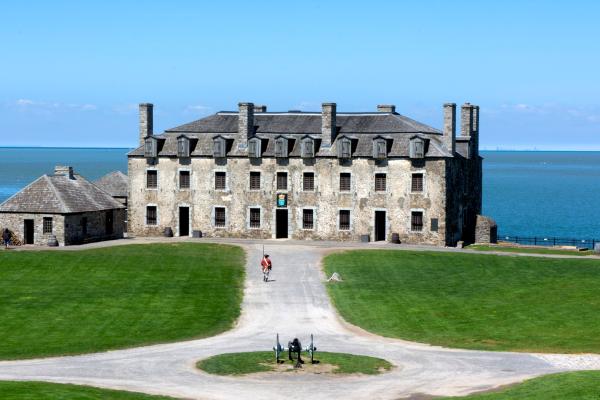
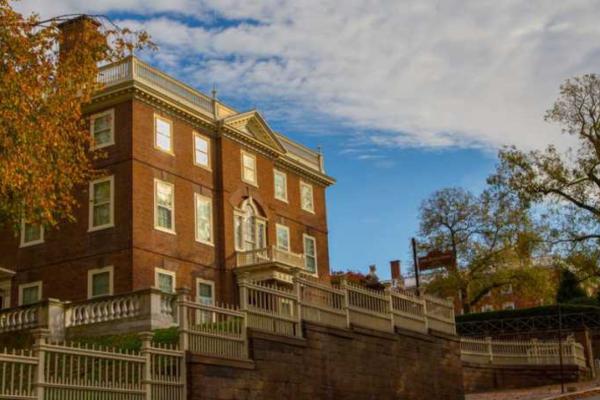
Site of a British command center during the Revolutionary War.
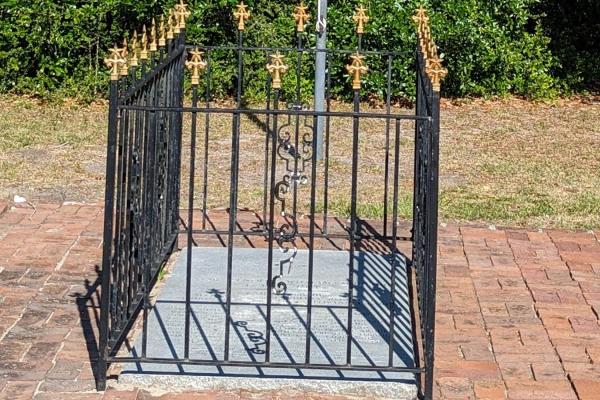
William Moultrie died in 1805 and was buried in the family cemetery. In 1977, his remains were moved to Sullivan's Island within Fort Moultrie.
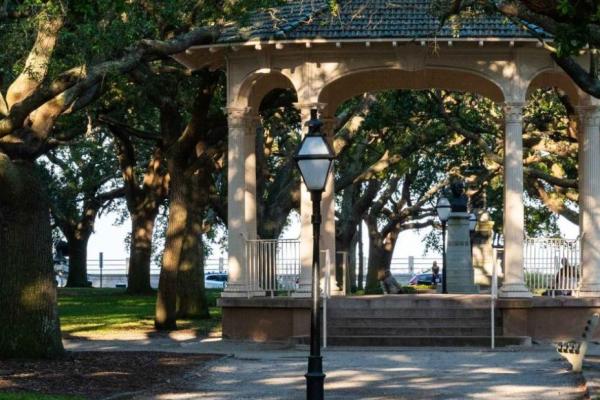
The White Point Garden offers incredible views that span across the Ashley and Cooper Rivers. Fort Sumter, Castle Pinckney, and the Sullivan Island Lighthouse can all be spotted in the distance. The Defenders of Fort Moultrie, a monument honoring South Carolinian soldiers during the Battle of Sullivan's Island is centrally located.
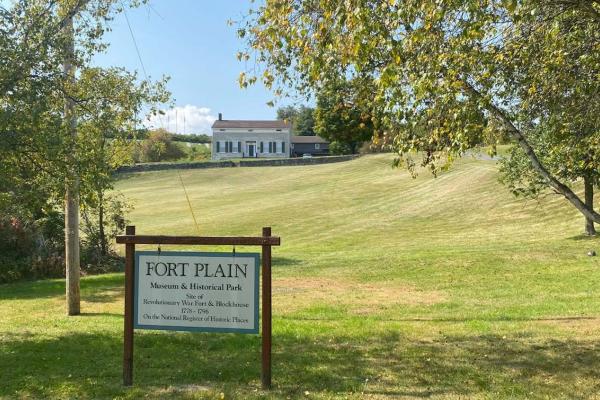
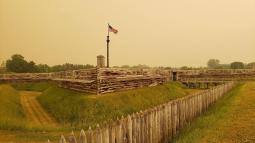
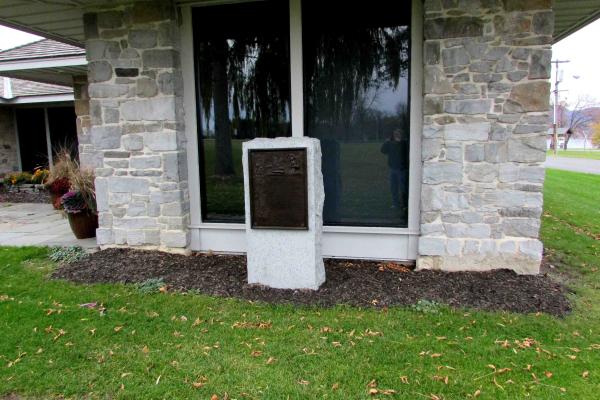
Perched high above the Mohawk Valley, Fort Plain stood as one of New York's most important frontier strongholds during the American Revolution, protecting settlers from raids and serving as the headquarters of famed patriot commander Marinus Willett.
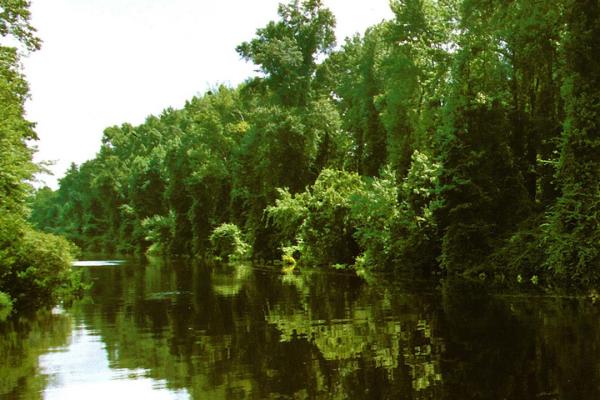
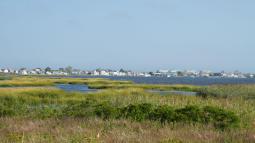
Located just south of the Chesapeake Bay, this "uninhabitable" Great Dismal Swamp was home to thousands of Native Americans and Maroons--self-emancipated slaves--throughout the 18th and 19th centuries.
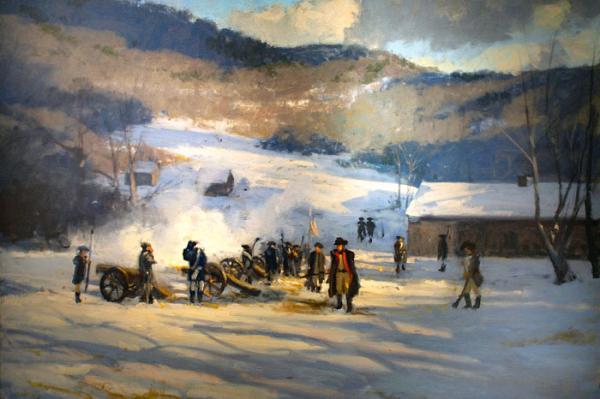
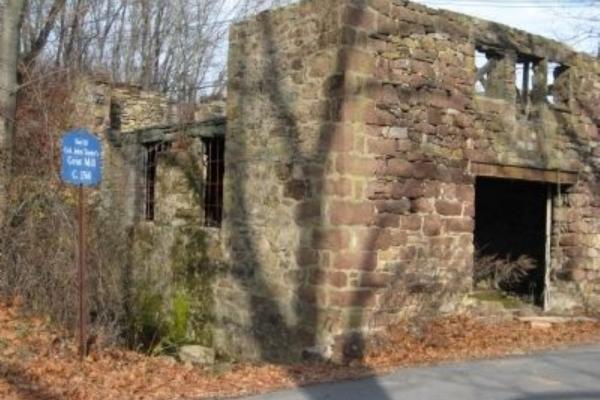
Nestled in the sloping mountains of New Jersey, the birthplace of American military academies can be found. Initially a part of a winter encampment, it became the proving grounds for Patriot artillerists.