The Liberty Trail

History Along the Trail

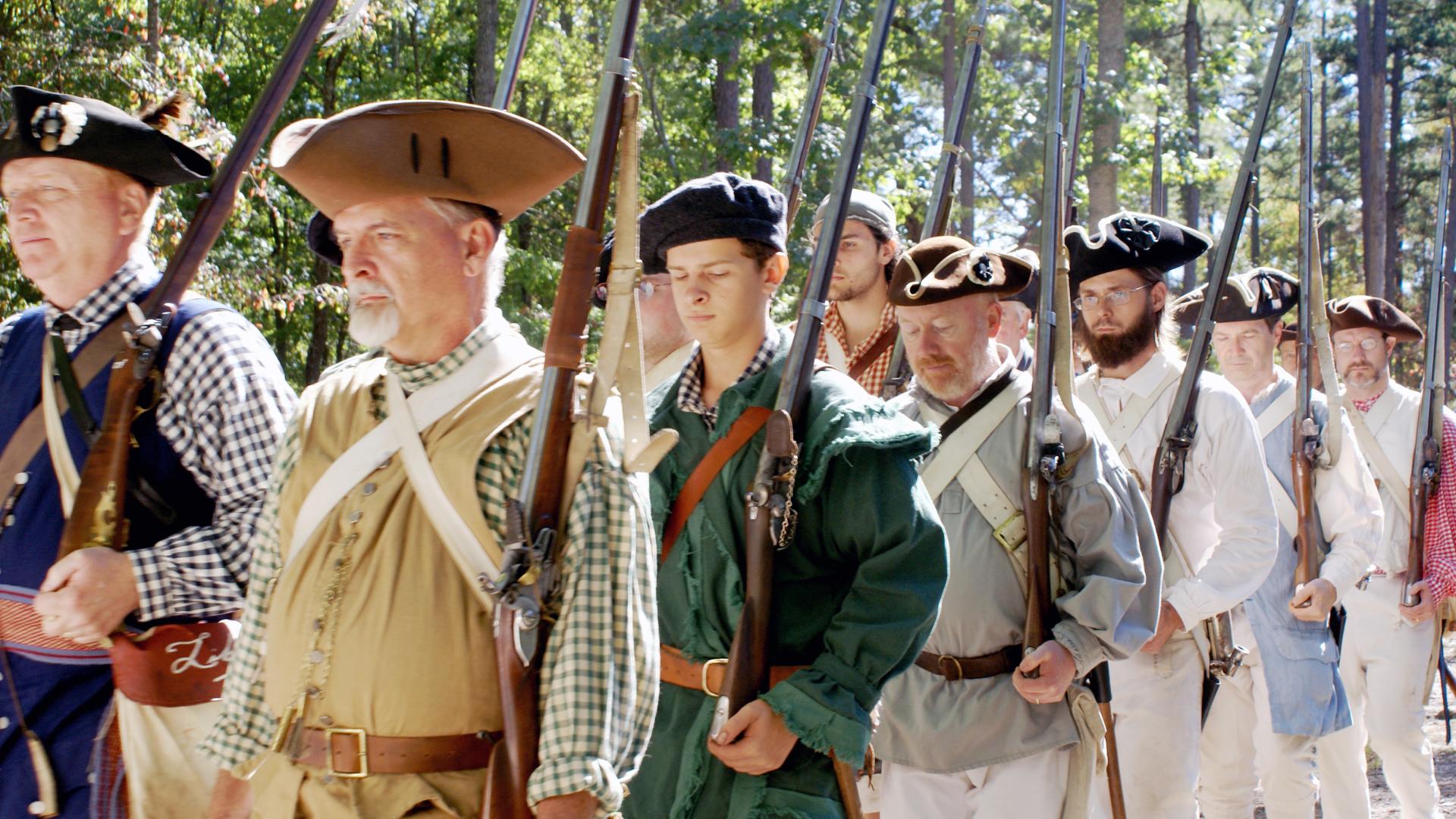
Explore the people and stories of the American Revolutionary War in South Carolina through videos, audio, and biographies. Hear tales of bravery, defeat, and treason from historians and travelers. The Liberty trail offers captivating and inspiring narratives from this transformative chapter of American history.

Exploring History
We invite you to visit the preserved locations along the Liberty Trail and to immerse yourself in the extraordinary events that determined the fate of a nation.
National Park | Historic House
Concord, MA

Major John Buttrick, whose name is now the sake of this homestead, was a fourth generation American whose great-grandfather, William Buttrick, helped establish Concord in 1635. During and after the war, John Buttrick held positions in the military and upheld civic posts during the early days of the American Republic.

Battlefield
Pinewood, SC

McLeroth and his 64th Regiment were escorting 200 recruits from Charleston to Camden when Marion, with about 700 men, surprised them at Halfway Swamp.

Historic Site |
Crosswicks, NJ

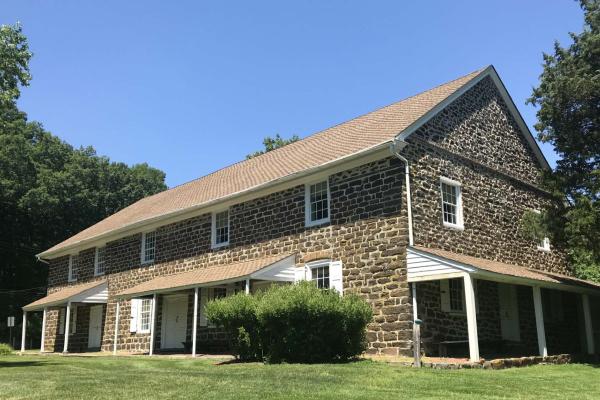
New Jersey militia and Continentals assaulted a British column in-and-around these grounds in mid-June of 1778, just days before a continued series of skirmishes reached their zenith at the Battle of Monmouth.

State/County Park | Historic Site
Hewitt, NJ

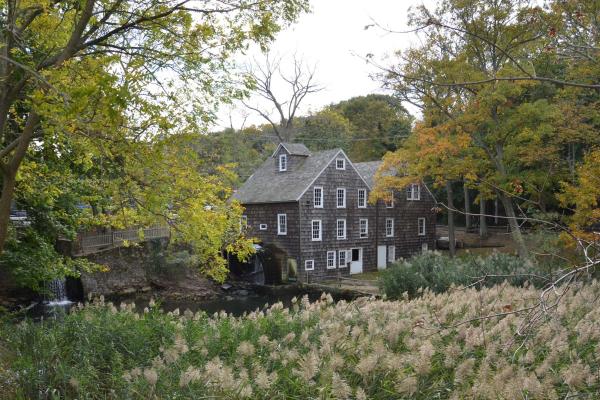
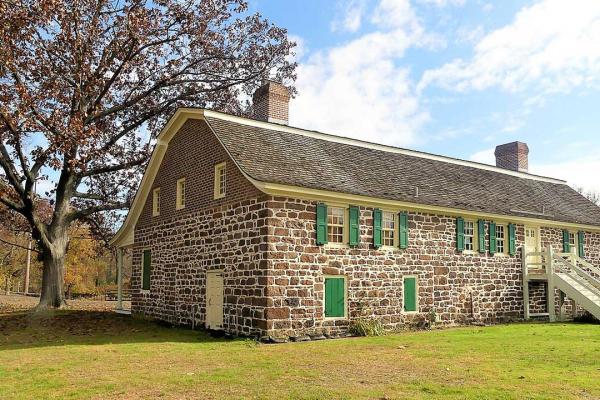
Owned and operated by German immigrants, this site once housed one of the largest ironworks in the colonies that supplied the Continental Army. Started in 1766, it was in operation for over a century.

Historic Site |
Charleston, SC

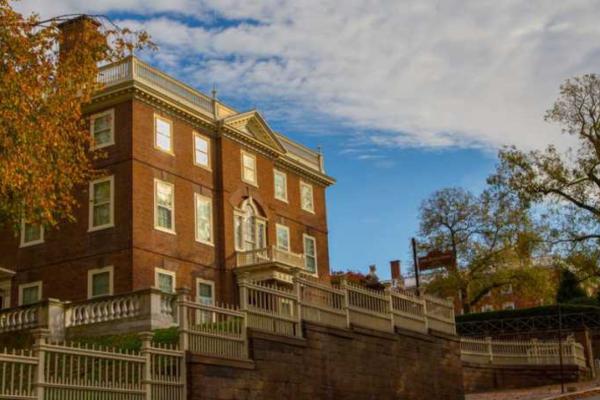
An architectural treasure in its own right, the South Carolina Historical Society Museum is housed in a National Historic Landmark building and features interactive exhibits on the people, places, and movements that shaped the state and nation.

Battlefield
Concord, MA

At dawn on April 19, 1775, an unknown shot shattered the silence in Lexington. British Redcoats and colonial militia clashed, leaving blood on the field. In Concord, the patriots struck back, and as the British retreated, gunfire hounded them to Boston, thus sparking the American Revolution

Historic Site | Historic House
Union, NJ

Liberty Hall was home to trailblazing governors, congressmen, senators, assembly persons, philanthropists, and entrepreneurs. Inhabited by William Livingston, New Jersey’s first elected governor and a signer of the United States Constitution, the 14-room Georgian-style home evolved over time into a 50-room Victorian mansion.

Historic Site | Historic House
Mount Vernon, VA

Mount Vernon acted as the former plantation estate of the legendary Revolutionary War general, George Washington. The current estate includes the original mansion, gardens, tombs, a working farm, a functioning distillery and gristmill, plus a museum and education center.

Historic Site | Historic House
Charleston, SC

Visit Historic Drayton Hall — Tour the nation’s oldest preserved plantation house in America still open to the public. Explore Drayton Hall's 18th-century architecture, landscapes & the people who lived here.

State/County Park
Catawba, SC

This park features the Lands Ford crossing, used during the Revolutionary War by both British and American troops under Cornwallis and Sumter before and after pivotal battles.

State/County Park
Santee, SC

Santee State Park offers biking and hiking trails and pontoon boat tours of the flooded cypress forest on Lake Marion, named after Revolutionary War hero Francis Marion, the “Swamp Fox”.

Historic Site | Historic House
Clemson, SC

Built in 1716 for Paul de St. Julien in Berkeley County. The house was later dismantled and moved to Clemson University and functions as a house museum.