The Liberty Trail—Massachusetts

Discover The Liberty Trail Massachusetts

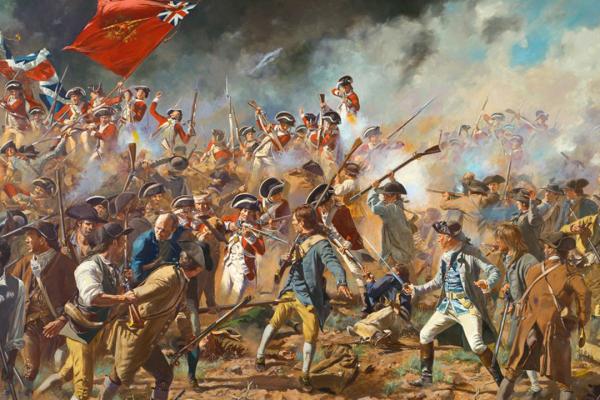
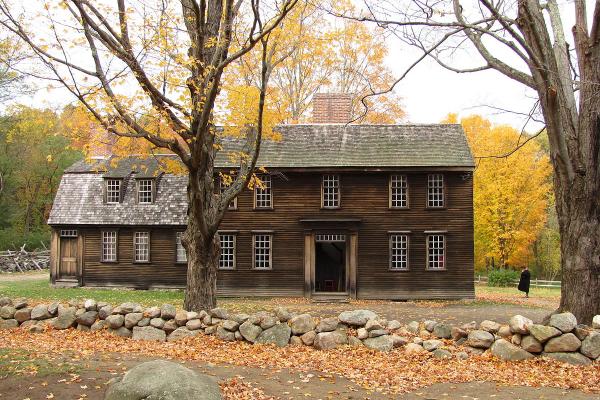
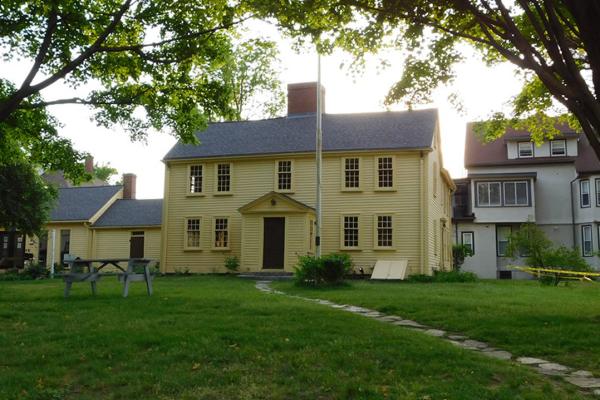
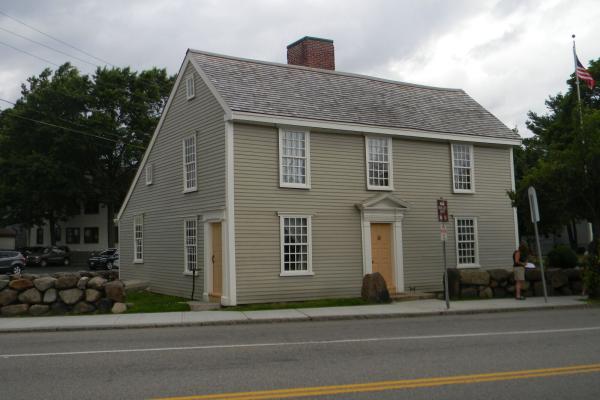
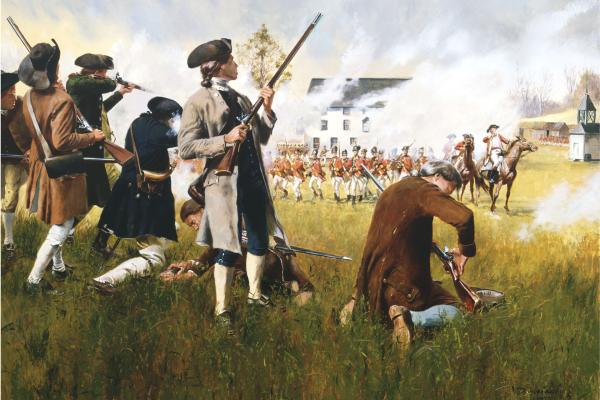
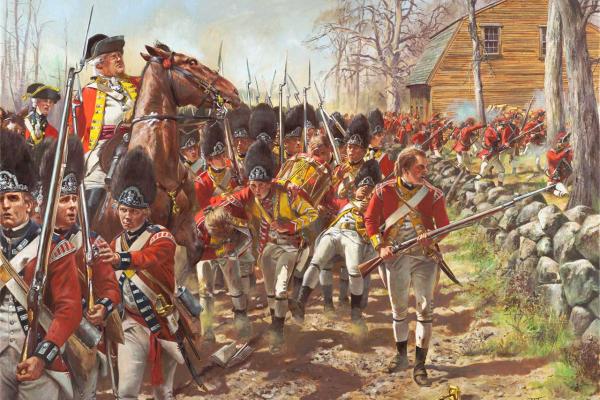
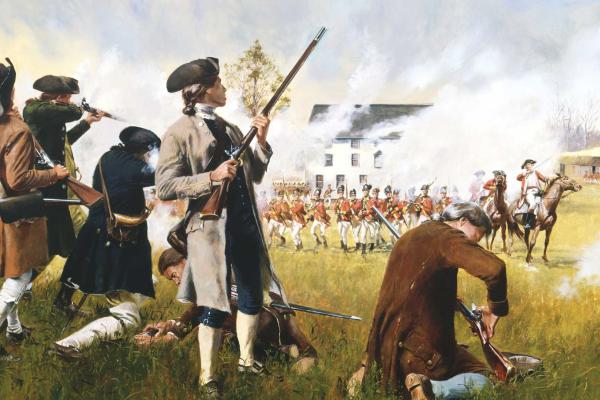
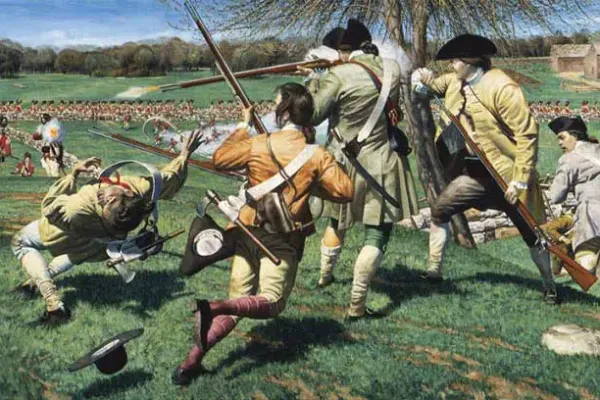
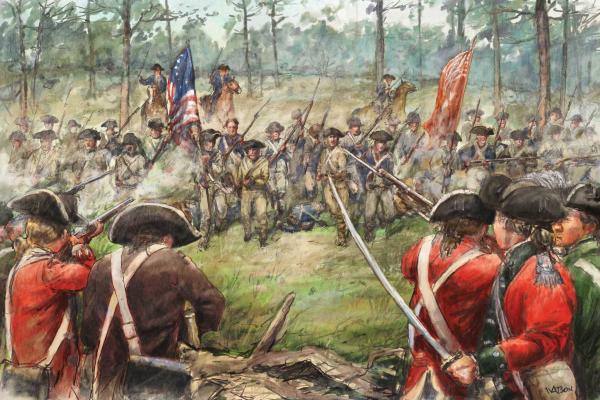
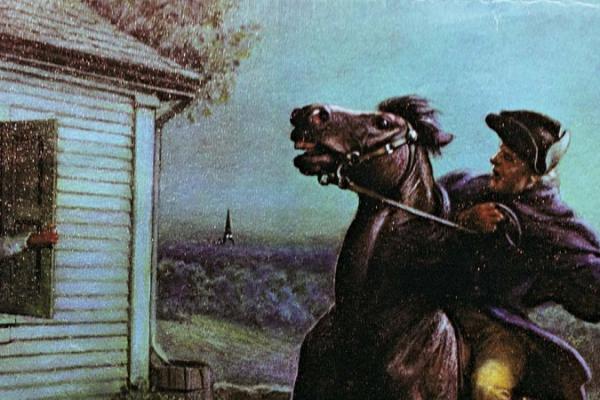
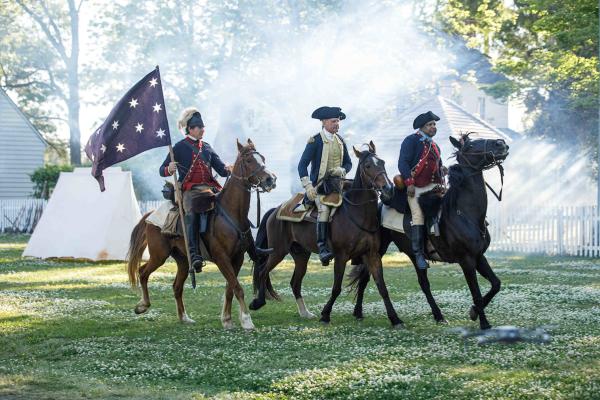
America’s independence was ignited in Massachusetts, where the spirit of revolution spread across its cities, towns, and countryside. From the first shots fired at Lexington and Concord to the significant battles that took place throughout the state, these events from 1775-1783 paved the way to victory in the Revolutionary War. We call this journey The Liberty Trail.

The Liberty Trail

Plan Your Visit
States of Interest:
States
Filter By:
Location Type
Experiences
Outdoor Activities
Events
Massachusetts Tours Along the Trail

Explore the many guided tours of The Liberty Trail

Filter by
Massachusetts
Tour
Lexington, MA
Massachusetts
Tour
Concord, MA
Massachusetts
Tour
Lexington, MA
Massachusetts Storytellers
Exploring the history and stories of the American Revolution.
Massachusetts Videos Along The Liberty Trail
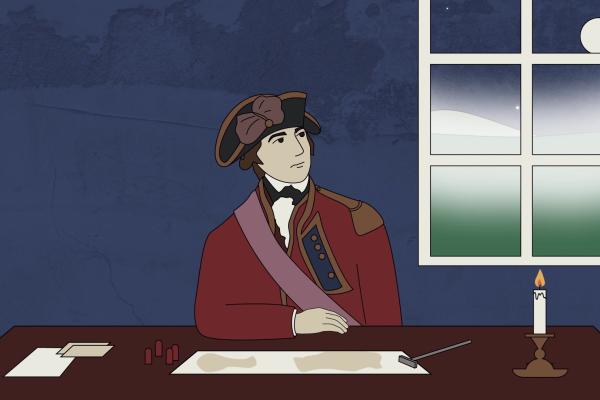
Exploring the history and stories of the American Revolution.

What's New on The Liberty Trail

Liberty Trail History Makers

The Revolutionary War was a war unlike any other — one of ideas and ideals, that shaped “the course of human events. Explore the history and personalities from this pivotal time in American history.
Biography

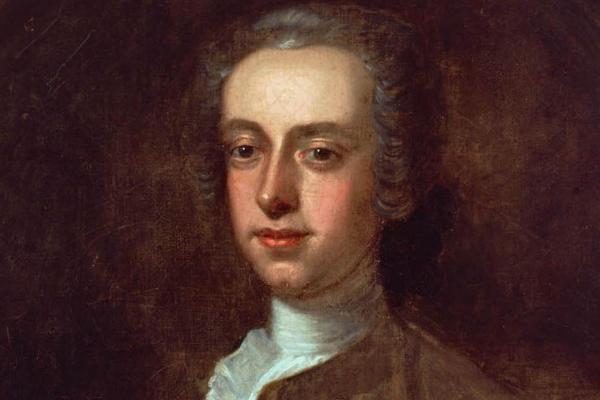
A career soldier loyal to the Crown, Donald MacDonald fought at Culloden before crossing the Atlantic to rally Scottish Highlanders for Britain during the American Revolution. His effort was cut short when he was captured after the Battle of Moore’s Creek Bridge and held by Patriot forces for more than a year.

Biography

A distinguished officer in the Continental Army, John Sullivan found himself at the forefront of the offensive against Native American tribes in New York

Biography

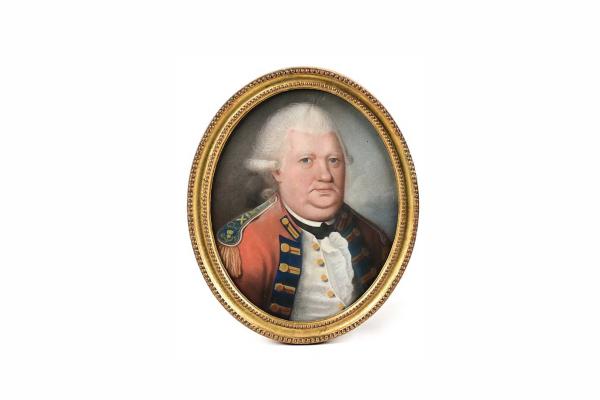
A British officer who led the troops during the April 1775 march to Lexington and Concord, Smith is remembered for commanding the British forces in the opening battles of the American Revolution, facing both praise and criticism for his actions.

Biography

When British forces besieged Charleston, Lincoln was forced to surrender over 5,000 men. Denied honors of war in surrender, Lincoln was paroled and returned to Washington’s army. After the Battle of Yorktown, Lincoln accepted the surrender from the British, allowing him to have revenge for his defeat in Charleston.