The Liberty Trail—Virginia

​​Your Path on The Liberty Trail Virginia

Virginia played a decisive role in the fight for independence, from the fiery debates in Williamsburg to the climactic Siege of Yorktown. Its people, lands, and resources shaped the course of the Revolution and helped secure America’s ultimate victory.

The Liberty Trail

Plan Your Visit
States of Interest:
States
Filter by Location Type
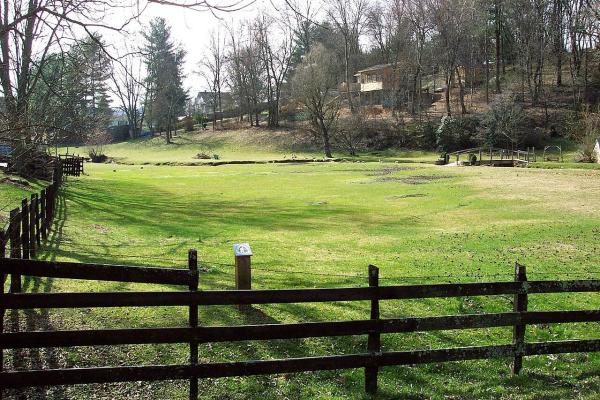
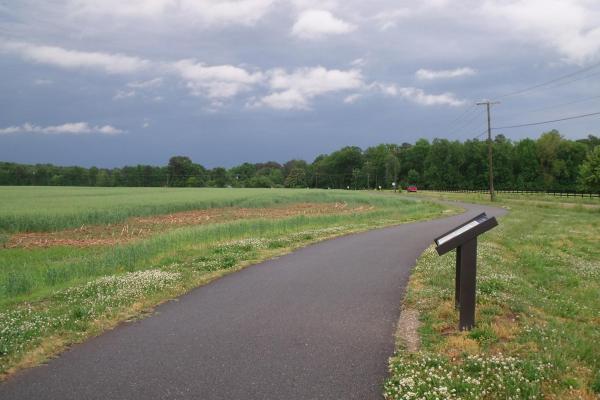
A green field inside a wooden fence with trees and homes visible in the background. Preserved portion of the original muster field where Virginia patriot militia gathered on September 23, 1780.
Historic Site
Abingdon Muster Grounds

1780 Muster Place
Abingdon, VA 24210

The Abingdon Muster Grounds is a 9-acre park is the site where, in 1780, 400 Virginians joined other patriot militia from the western frontier in a two-week campaign that ended with a critical victory at the Battle of Kings Mountain. The Abingdon Muster Grounds is a partner site of the Overmountain Victory National Historic Trail.

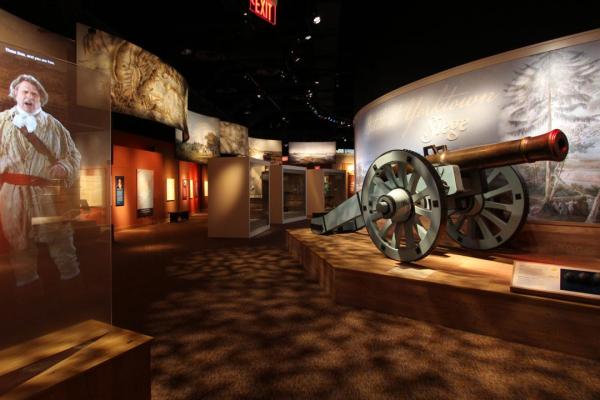
Exhibit at the American Revolution Museum in Yorktown
Historic Site | Museum
American Revolution Museum at Yorktown

200 Water Street
Yorktown, VA 23690

The American Revolution Museum at Yorktown provides the origins of the nation’s founding, stretching from the early colonial period to the passing of the Constitution and beyond. Exciting indoor galleries feature period artifacts, immersive environments and films, including “The Siege of Yorktown,” with a 180-degree surround screen and dramatic special effects.

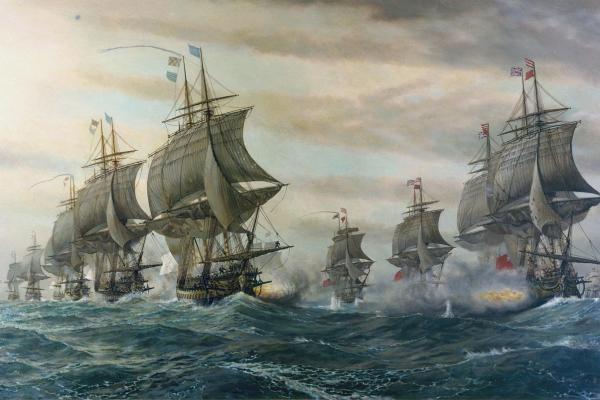
Battle of the Virginia Capes from the US Navy History & Heritage Command
Battlefield
The Capes

Atlantic Ave
Virgnia Beach, VA 23459

The Battle of the Capes occurred around the mouth of Chesapeake Bay in 1781. The naval battle occurred between the French and the British navies. Even though the battle lasted two hours, it played a significant role in the Siege of Yorktown's success, ultimately leading to the United States' independence.

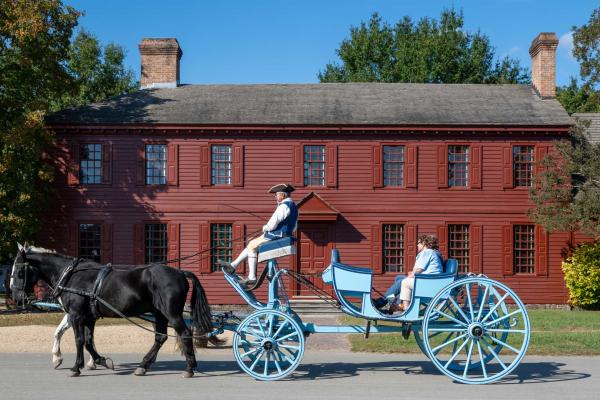
Tourists ride in a carriage at Colonial Williamsburg
Historic Site | Museum
Williamsburg

101 Visitor Center Drive
Williamsburg, VA 23185

Known worldwide as the nation's largest living history museum, Colonial Williamsburg operates the restored eighteenth-century capital of colonial Virginia.

Historic Site | Marker
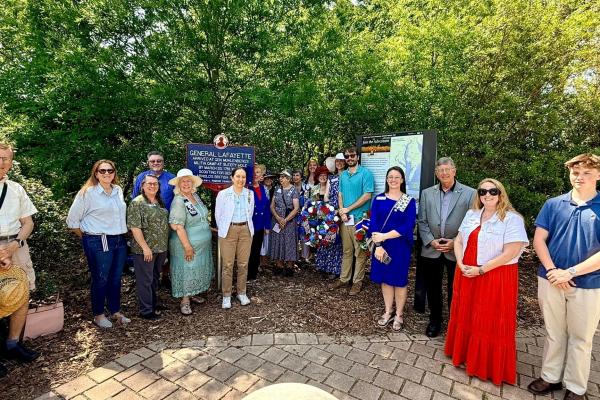
General Lafayette Marker, Suffolk, Virginia (VA-10)

4616 Sleepy Hole Road
Sleepy Hole Park
Suffolk, VA 23435

In March of 1781, much of the Continental Army was hunting for the traitor, Benedict Arnold. In mid-March, Lafayette was sent south from the Elk River in Maryland with a detachment of troops to contribute to the search. On March 15th, he reported to General Washington that Benedict Arnold and his troops were known to be encamped in the Portsmouth, Virginia, area and were held there only by the threat of the imminent arrival of the French fleet. 

Lafayette arrived at the Sleepy Hole camp sometime between the 17th and 19th of March and aided in searches of the area for Benedict Arnold while waiting for the French fleet to arrive. On March 23rd, Lafayette returned to Williamsburg and wrote another report on the entire trip for General Washington. Following his reconnaissance mission in the Suffolk and Portsmouth area, he continued to aid the fight against Benedict Arnold in Virginia.

Learn about Revolutionary War Combat Strategy. Watch the Revolutionary War Animated Map. For a summary, read An Overview of the American Revolution.

Historic Site | Marker
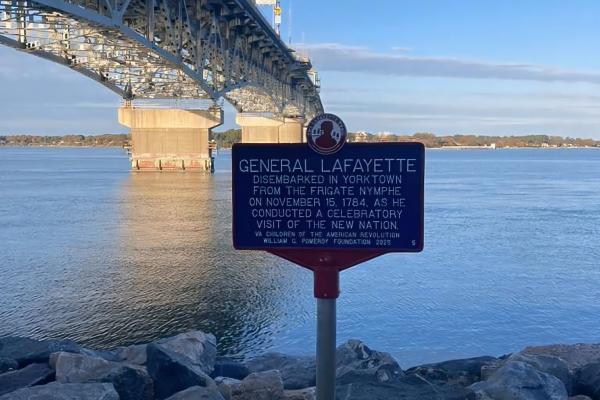
General Lafayette Marker, Yorktown, Virginia (VA-5)

323 Water Street
Yorktown, VA 23690

Following the Revolutionary War, Lafayette accepted an invitation from George Washington and returned to America. The Marquis de Lafayette departed France in mid-June 1784 and arrived in New York City on August 4. The five‑month goodwill visit reconnected him with George Washington, celebrated his role in American independence, and strengthened political and commercial ties between the United States and France. He would return again in 1824-1825.

In 1784, General Lafayette traveled down the coast on La Nymphe, a frigate, as he celebrated the end of the Revolutionary War and the birth of the new nation. On November 15th, he disembarked at Yorktown, Virginia, having come from Boston, Massachusetts. The Yorktown and Williamsburg citizens greeted Lafayette and held a reception for him. Lafayette then went on to Richmond, Virginia where he was greeted by George Washington and visited the State Assembly.

Learn about Revolutionary War Combat Strategy. Watch the Revolutionary War Animated Map. For a summary, read An Overview of the American Revolution.

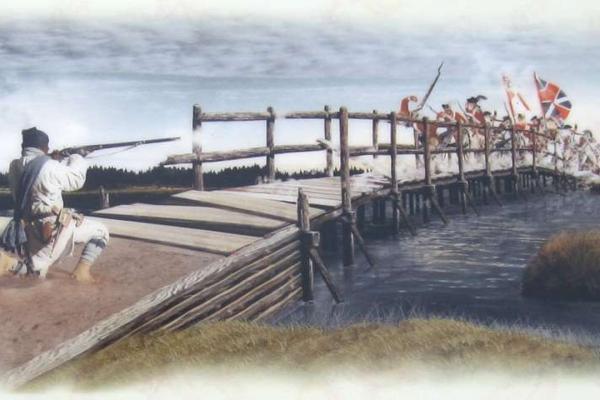
William Flora's stand against British soldiers at Great Bridge
Battlefield | Museum
Great Bridge

Great Bridge Battlefield & Waterways History Foundation
1775 Historic Way
Chesapeake, VA 23320

The primary approach to Norfolk, Virginia, was over Great Bridge, which spanned the Elizabeth River. On the morning of December 9, 1775, British soldiers attacked Patriot forces near the bridge in an attempt to seize the bridge and run off the rebels.

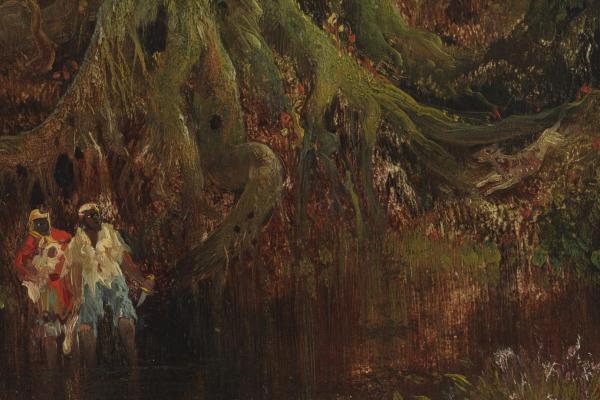
Depiction of the Great Dismal Swamp by Thomas Moran in Slave Hunt
State/County Park
Great Dismal Swamp VA

3100 Desert Road
Suffolk, VA 23434

Located just south of the Chesapeake Bay, this "uninhabitable" Great Dismal Swamp was home to thousands of Native Americans and Maroons--self-emancipated slaves--throughout the 18th and 19th centuries.

Green Spring Battlefield Historical Marker Database
Battlefield
Green Spring

2592 Greensprings Road
Williamsburg, VA 23185

One of the last Virginia land battles of the Revolution prior to Yorktown, Green Spring saw Anthony Wayne and the Marquis de Lafayette successfully lead their troops to victory against an ambush laid by Charles Cornwallis.

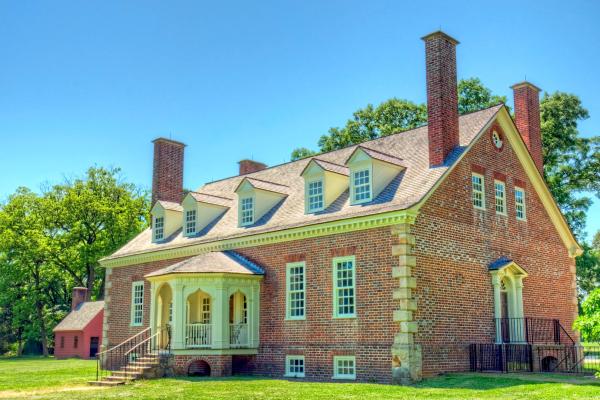
Gunston Hall, the home of George Mason, photographed by Craig Fildes
Historic Site | Historic House
Gunston Hall

10709 Gunston Road
Lorton, VA 22079

The home to Founding Father George Mason, this mansion is slightly atypical of Georgian architecture due to its unique interior design that blends styles from across Europe and Asia.

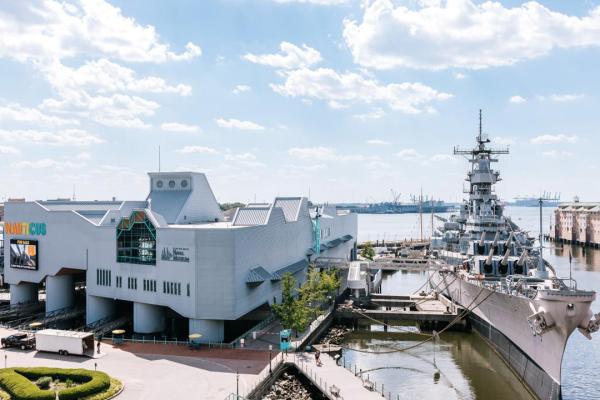
Hampton Roads Naval Museum with the USS Wisconsin
Historic Site | Museum
Hampton Roads

1 Waterside Drive Suite 248
Norfolk, VA 23510

The Hampton Roads Naval Museum is one of ten U.S. Navy-run museums in the country. It highlights Virginia's naval history from the American Revolution to the present.

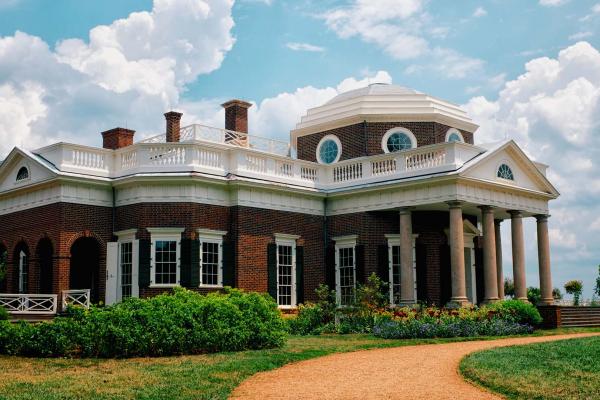
Monticello, the home of Thomas Jefferson, photographed by James Losey
Historic Site | Historic House
Monticello

1050 Monticello Loop
Charlottesville, VA 22902

Monticello, “Little Mountain,” was the home from 1770 until his death in 1826, of Thomas Jefferson, author of the Declaration of Independence and third president of the United States. Jefferson was one of America’s first and finest architects and he created, rebuilt, and revised the house throughout his long life.

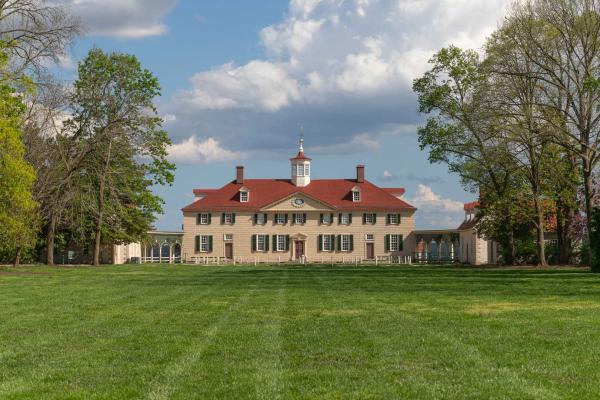
Mount Vernon, the home of George Washington, in Virginia Wikimedia Commons
Historic Site | Historic House
Mount Vernon

3200 Mount Vernon Memorial Highway
Mount Vernon, VA 22121

Mount Vernon acted as the former plantation estate of the legendary Revolutionary War general, George Washington. The current estate includes the original mansion, gardens, tombs, a working farm, a functioning distillery and gristmill, plus a museum and education center.

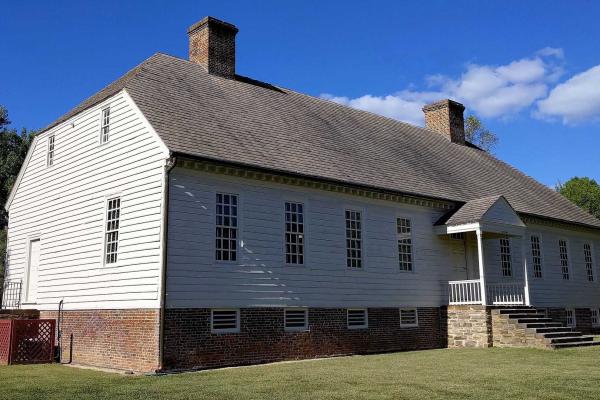
Scotchtown, the home of Patrick Henry, photographed by Larry Syverson
Historic Site | Historic House
Scotchtown

16120 Chiswell Lane
Beaverdam, VA 23015

Once owned and operated by Founding Father Patrick Henry, it was while living in this home that Patrick Henry coined the phrase "Give me liberty or give me death!"

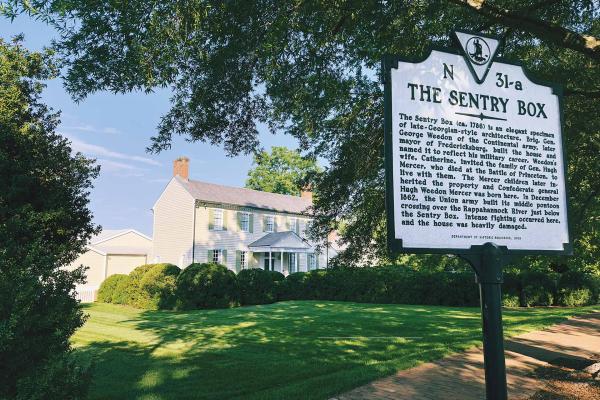
Sentry Box in Fredericksburg photographed by Matthew Hartwig
Historic Site | Historic House
Sentry Box

133 Caroline Street
Fredericksburg, VA 22401

Following the American Revolution, the Sentry Box served as the home for Hugh Mercer's family following his passing at the Battle of Princeton in 1777.

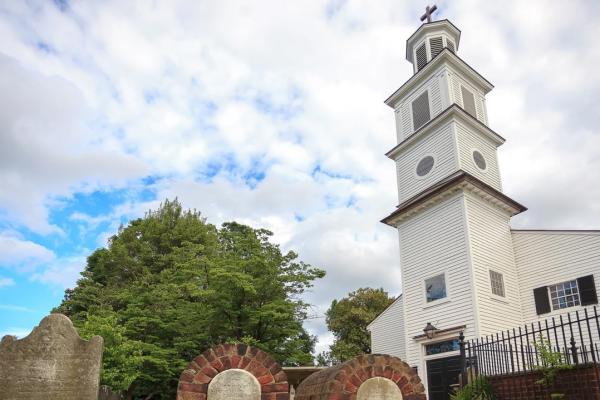
St. John's Episcopal Church in Richmond, Virginia
Historic Site
St. John's Episcopal Church

2401 East Broad Street
Richmond, VA 23223

Site of the Second Viriginia Convention and Patrick Henry's famous words, "Give me liberty or give me death!"

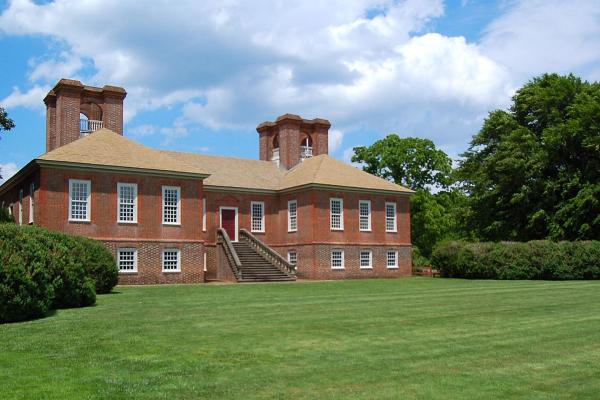
Stratford Hall, photographed by Modern Scribe Photography
Historic Site | Historic House
Stratford Hall

483 Great House Road
Montross, VA 22520

Stratford Hall was home to four generations of the Lee family including Revolutionary War veteran, Henry "Light Horse Harry" Lee, and the only brothers to sign the Declaration of Independence: Richard Henry Lee and Francis Lightfoot Lee. S

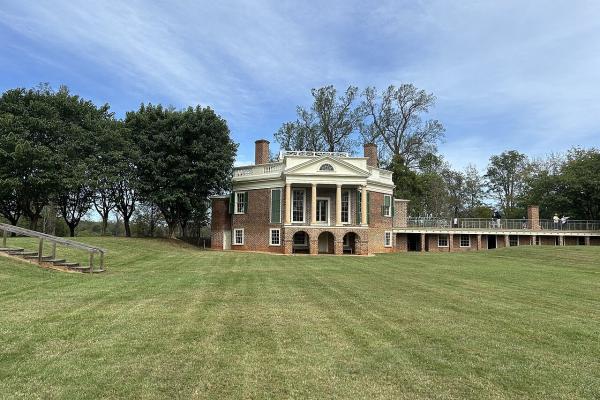
The exterior of Thomas Jefferson's Poplar Forest retreat in Virginia
Historic Site | Historic House
Jefferson's Poplar Forest

1776 Poplar Forest Parkway
Lynchburg, VA 24502

During the Revolutionary War in 1781, Virginia Governor Thomas Jefferson fled to Poplar Forest from Monticello to evade capture from British forces under Lieutenant Colonel Banastre Tarleton.

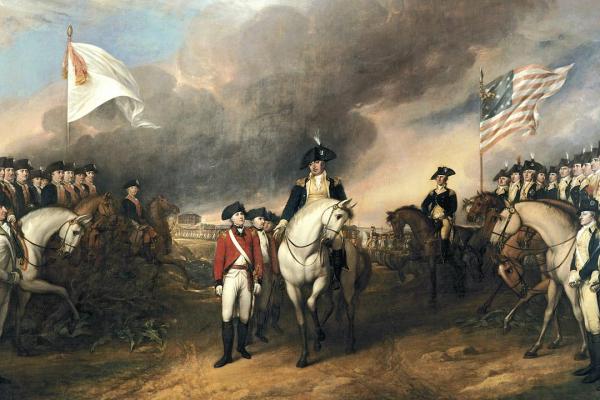
Surrender of Lord Cornwallis by John Trumbull
National Park | Battlefield
Yorktown

1000 Colonial Parkway
Yorktown, VA 23690

Yorktown was George Washington's decisive victory over General Lord Charles Cornwallis. Learn about the last major land battle of the American Revolutionary War.

Virginia Tours Along the Trail

Explore the many guided tours of The Liberty Trail

Filter by
Virginia
Tour
Yorktown, VA
Virginia
Tour
Norfolk, VA
Virginia
Tour
Hudgins, VA
Virginia Videos Along The Liberty Trail
Exploring the history and stories of the American Revolution.
What's New on The Liberty Trail

Liberty Trail History Makers

The Revolutionary War was a war unlike any other — one of ideas and ideals, that shaped “the course of human events. Explore the history and personalities from this pivotal time in American history.
Biography

A self-educated bookseller and artillery expert, Knox led artillery efforts that forced the British to evacuate Boston and later serving as a trusted officer under General Washington and the first U.S. Secretary of War.

Biography

George Washington’s leadership guided the American colonies through revolution and into nationhood. As a general and the first president, he played a crucial role in shaping the United States’ early foundations.

Biography

Tarleton, active in the Southern Campaign, came to be known as the ‘butcher’ after Continental soldiers accused his dragoons of disregarding a Patriot surrender by attacking the Americans after they laid down their arms at the Battle of Waxhaws.

Biography

Martha Dandridge Custis Washington made her own mark as the first First Lady and symbol of motherhood in the new nation.