Discover Revolutionary War history through immersive tours that bring the fight for freedom to life on The Liberty Trail New York.
-
The BlogBiographies
-
Videos

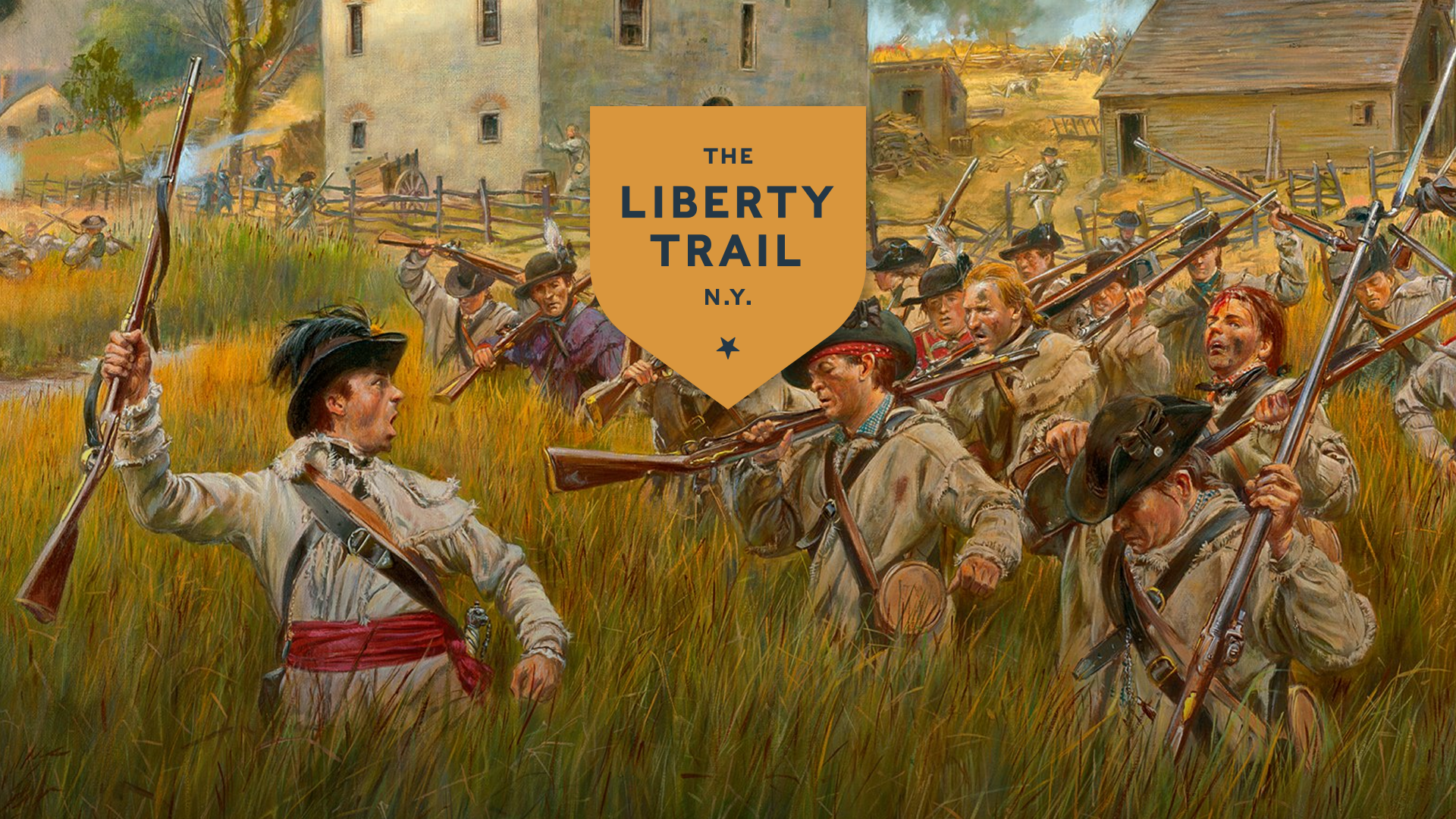
Discover Revolutionary War history through immersive tours that bring the fight for freedom to life on The Liberty Trail New York.
New York stood at the heart of the Revolution. Communities were divided between Loyalist and Patriot allegiances. Indigenous nations, fighting for their own sovereignty, chose sides. Patriots' desperate early stand at the Battle of Long Island fell apart and led to the longest British occupation of any major American city. Yet, their later victory at Saratoga secured the French alliance that completely turned the tide of the war. Throughout revolutionary New York, the fate of a nation hung in the balance.
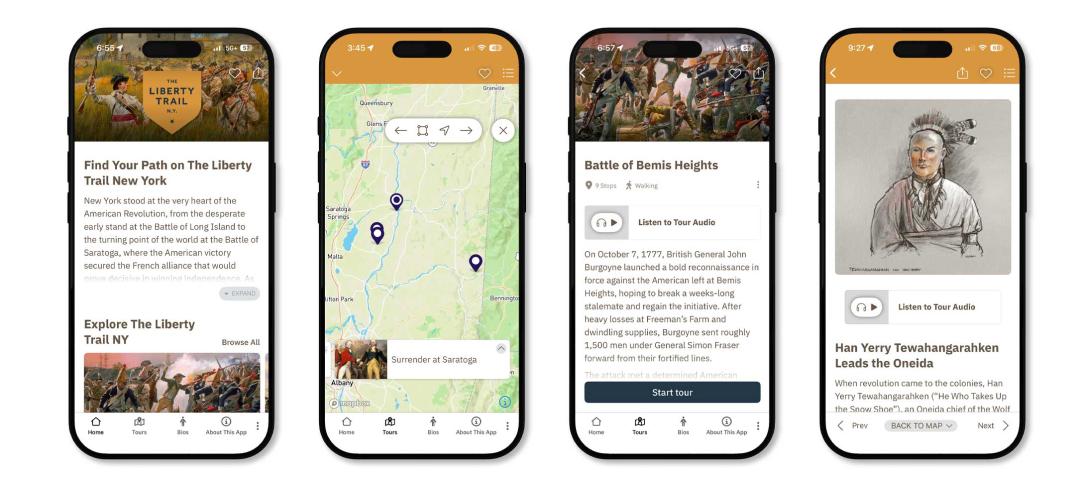
The Liberty Trail New York offers engaging, in-depth tours of sites related to the American Revolution. Visit the battlefields where lives were risked and lost, hear the stories of the men and women who fought and sacrificed, and learn how the efforts of both soldiers and citizens contributed to the future of the United States. Whether you are a longtime history fan or first-time explorer, there are many ways to access The Liberty Trail—find your path.
The Liberty Trail New York app was produced with the support of an award of Federal funds from the American Battlefield Protection Program administered by the National Park Service.
The Liberty Trail New York would not have been possible without the support of Glenn L. Pearsall. We are forever grateful for his generosity.
Tour sites include:
Download The Liberty Trail New York for free today!
We invite you to visit the preserved locations along the Liberty Trail and to immerse
yourself in the extraordinary events that determined the fate of a nation.
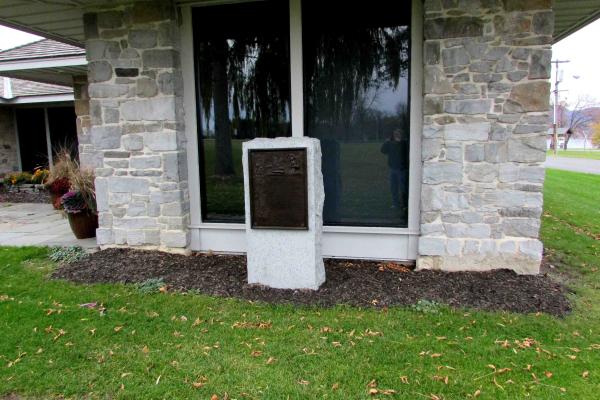
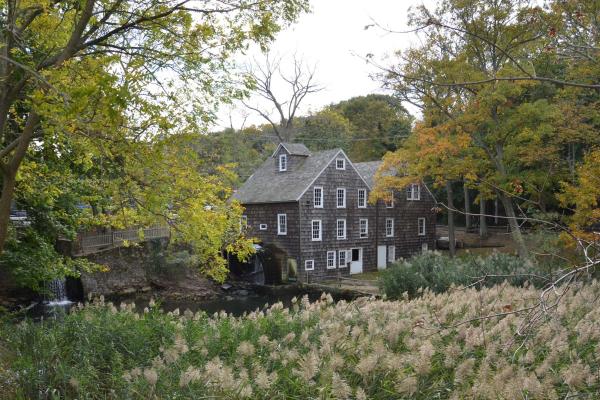
The Revolutionary War arrived on Long Island in a way that felt very close to home, with British forces taking control directly after their victory at the Battle of Long Island in August 1776. They held onto the island for the entire duration of the war. During this time, the mill at Stony Brook was busy, grinding grains that helped feed the British soldiers.
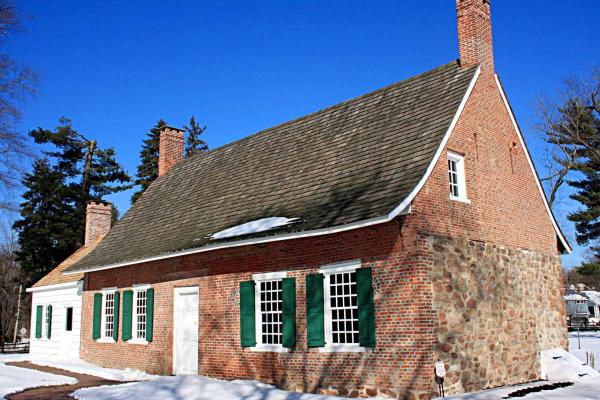
Temporary headquarters for George Washington on several occasions while he was Commander-in-Chief during the American Revolution.
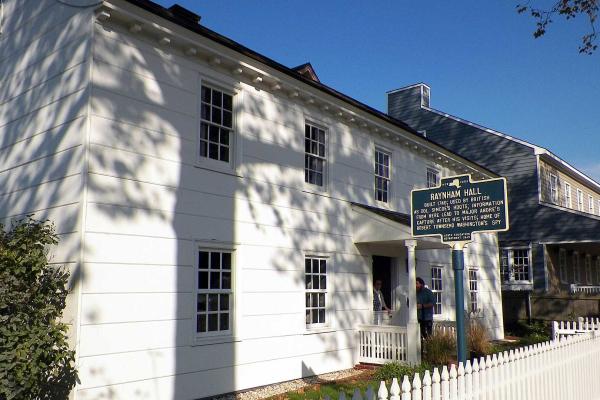
Raynham Hall was the home of the Townsend family, one of the founding families of Oyster Bay, on Long Island, New York, and a member of George Washington's Culper Spy Ring.
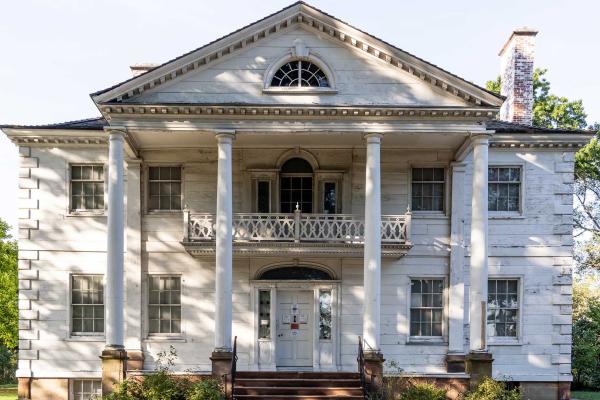
Constructed by a Loyalist prior to the Revolution, this home saw the likes of officers from both sides of the American Revolution.
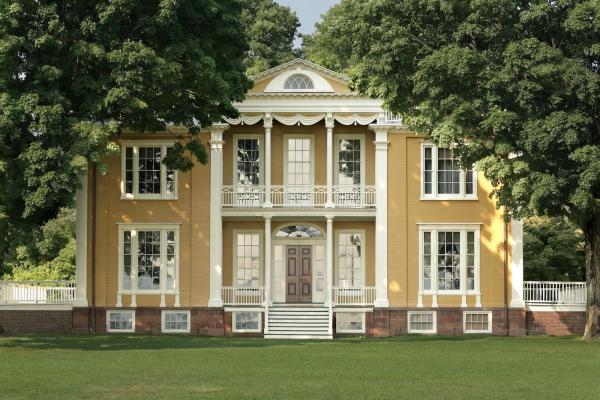
Boscobel is an esteemed Historic House Museum with unparalleled views of the Hudson containing one of the finest collections of decorative arts.
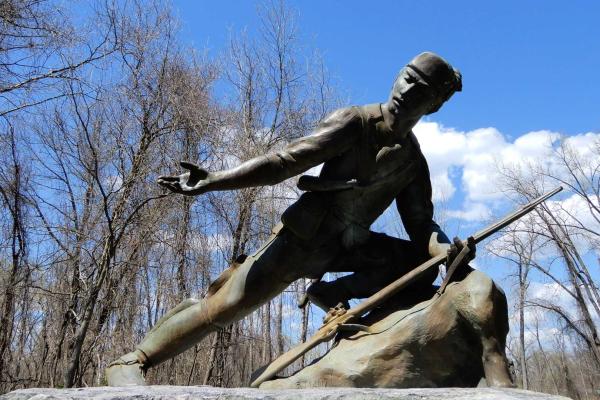
Visitor Center and Museum dedicated to the history of Rogers Island and Fort Edward.
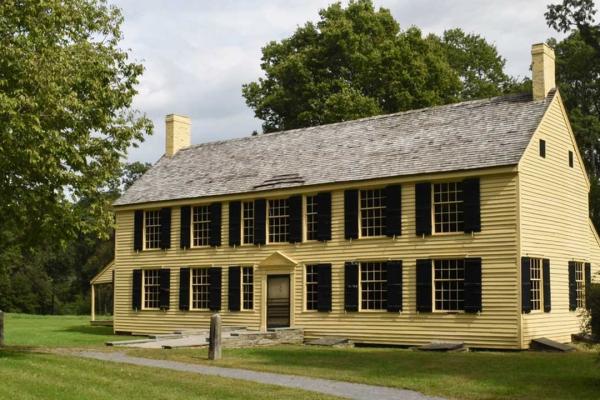
This property is located in the "Old Saratoga" unit of Saratoga National Historical Park.
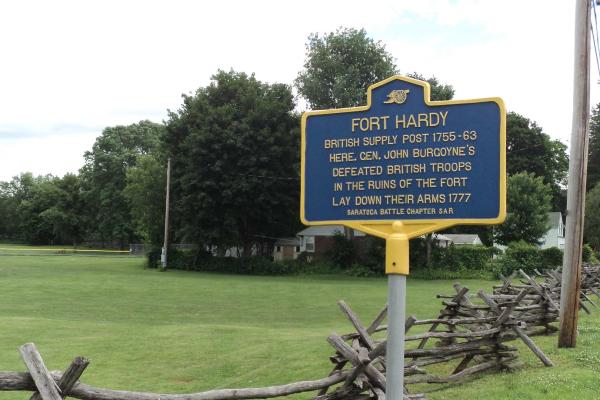
The site of the British surrender to the Americans on October 17, 1777.
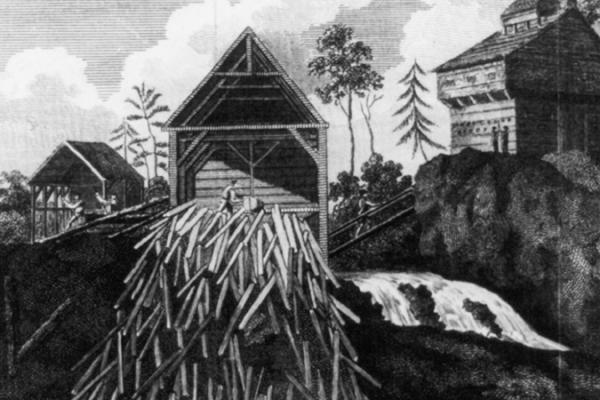
At the Battle of Fort Ann, American forces mounted a fierce resistance against advancing British troops during the Saratoga campaign. Though forced to withdraw, the determined defense slowed the British advance and contributed to the growing strain on their northern army.
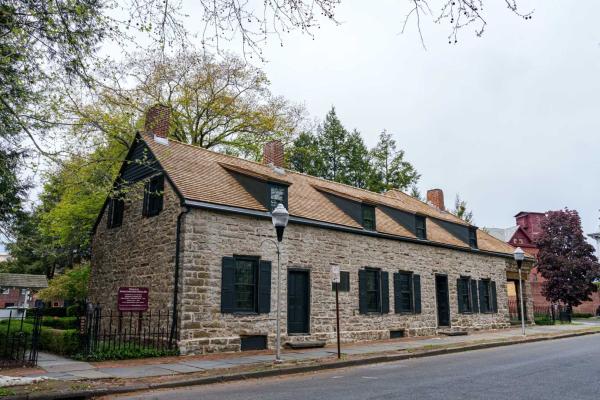
Site of New York's First Constitutional Convention, where the first state Constitution was adopted on April 20, 1777.