-
The BlogBiographies
-
Videos

Did you know that artifacts have stories to tell? Well, not literally—and if, say, a musket ball from the Monmouth Campaign starts talking to you, please let me know—but much of the work of public historians and museum curators is to uncover the stories embedded in everyday objects, and bring those stories to light.
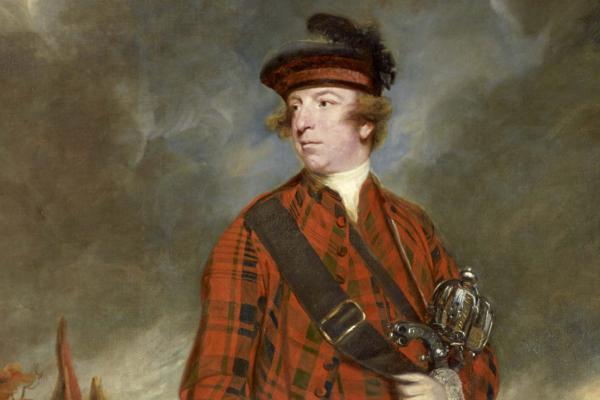
Like this button of the 71st Regiment found at Fort Fair Lawn in South Carolina. Problem is, the 71st Regiment (also known as Fraser’s Highlanders for you Outlander fans) wasn’t officially at Fort Fair Lawn. Yet, this artifact tells us an officer from the 71st found his way there…and lost a button, so perhaps it begs us to ask different questions about a landscape we thought we knew. And take this Revolutionary War-era gorget. It wasn’t until this artifact sat for its closeup that high-res digital photography revealed a new detail no one had seen before—the owner’s name etched lightly on the back. Captain Lesesne, nice to meet you. This is the type of work that the American Battlefield Trust is supporting at battlefields and museums across the country through the modern marvel that is photogrammetry--3D object scanning. You can see our gallery of scans on our Sketchfab site.
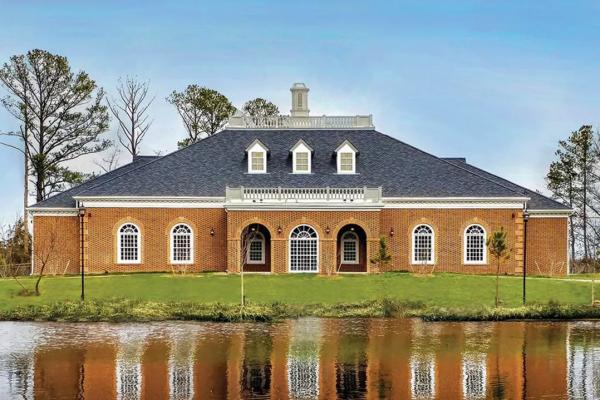
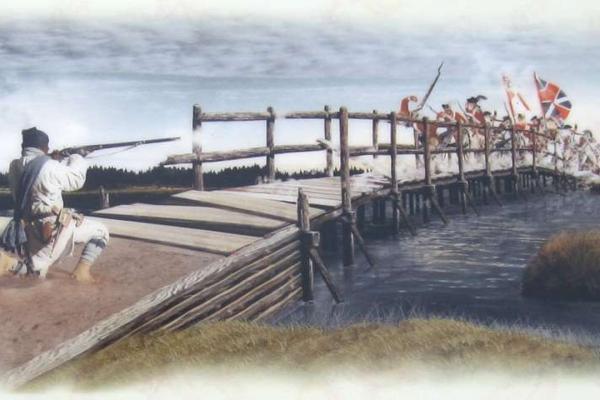
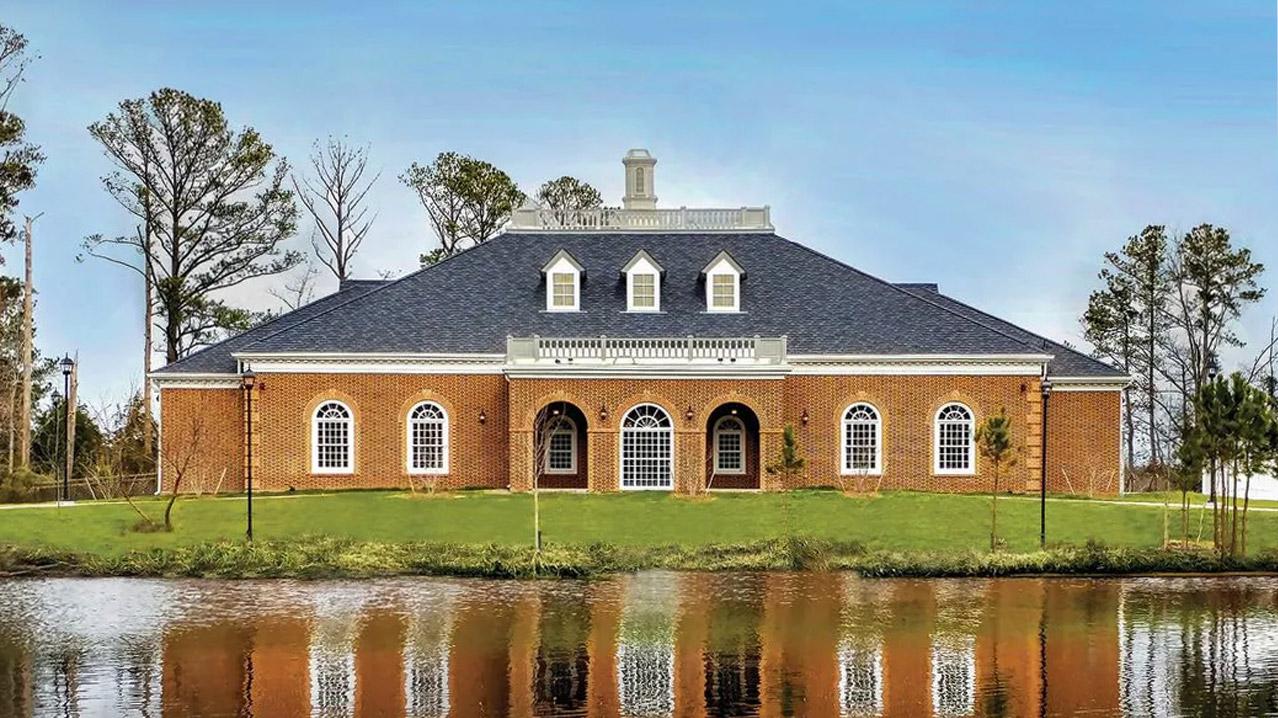
Recently, I spent the day at one of my favorite stops on The Liberty Trail Virginia, the Great Bridge Battlefield and Waterways Museum in Chesapeake. Gabe Donofrio, artifact scanner extraordinaire, was working behind the scenes scanning three historical artifacts associated with the battle that occurred here on December 9, 1775, including a sword carried by loyalist James Parker. When I think of the Battle of Great Bridge, it’s the patriot side of the story that comes to mind first—Virginians taking up arms against their colonial governor, fighting a Bunker Hill in miniature as one soldier described it, and proving to themselves just as much as to Lord Dunmore that they could stand against the British regular army and win.
But of course, there are two sides to every story, and on the other side of the Battle of Great Bridge, along with the British 14th Regiment of Foot, were loyalists. And that’s a story we tell far less, but it’s no less important to understanding how the American Revolution impacted the lives of ordinary people like James Parker. Born in Scotland in 1729, Parker came to Norfolk and set up shop as a merchant in 1747. That meant that his livelihood depended on the close economic ties between the colonies and Great Britain, ties that the Revolution could sever entirely. With the coming of the Revolution, Parker remained loyal to the Crown, and received a captain’s commission from Lord Dunmore in November 1775, and the next month was present at Great Bridge. British and loyalist forces lost that battle, but as they retreated, Parker’s sword started its own new journey with the patriots. According to the Great Bridge Museum, patriot soldier William Taliaferro retrieved Parker’s sword from the battlefield, and carried it onward to Brandywine, before giving it to his brother Benjamin, who carried the sword for the remainder of the war. The sword remained in the family before spending some time with an antiques dealer (as artifacts often do) before finding its way to the Great Bridge Museum.
So that’s the story of the sword, but what became of James Parker, I hear you ask. After the Battle of Great Bridge, he continued in the service of the crown until patriots captured him in 1776 and imprisoned him as a traitor…until his escape. He sought refuge with the British in New York and saw service at Brandywine, Germantown, and Monmouth…until he was captured again. But that’s a story for another blog.
In the meantime, I hope you enjoy my conversation with Gabe Donofrio. And if you find yourself exploring our collection of artifacts on SketchFab, I hope you listen closely to the stories they have to tell.
We invite you to visit the preserved locations along the Liberty Trail and to immerse
yourself in the extraordinary events that determined the fate of a nation.