Jim Capers Eutaw Springs
History Along The Trail

Videos Along The Liberty Trail

The American Revolution was decisively influenced by The Liberty Trail’s diverse terrain, spanning swamps, fields, woods, and mountains. Delve into the narrative of American Independence with captivating videos showcased on The Liberty Trail.

States of Interest:
Video/Audio
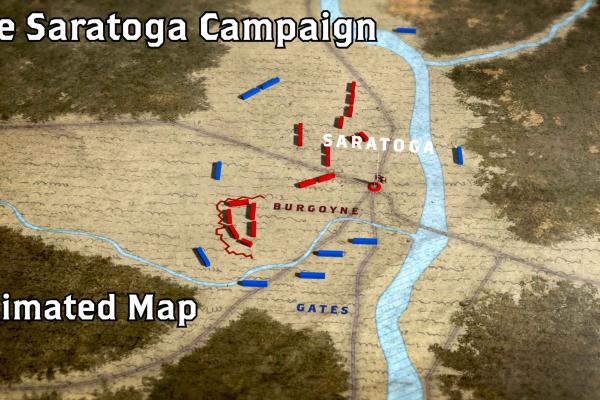
Reposted from battlefields.org The Patriot success at Saratoga was one of the most influential results of the Revolutionary War. Horatio Gates' commanding victory over John Burgoyne kept the British...
Video/Audio
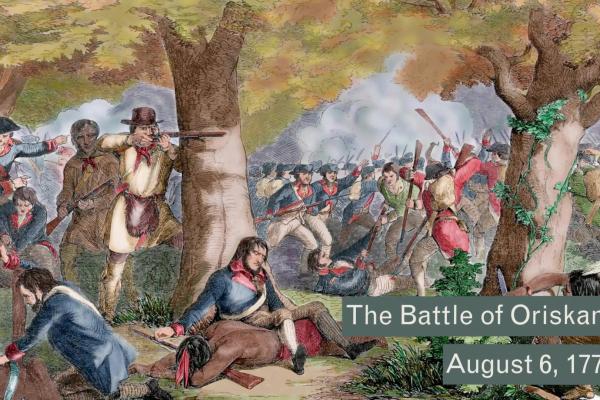
Reposted from battlefields.org The Battle of Oriskany was one of the most bloody of the entire Revolutionary War. It was fought between Patriot militia and members of the Iroquois Confederacy who had...
Video/Audio
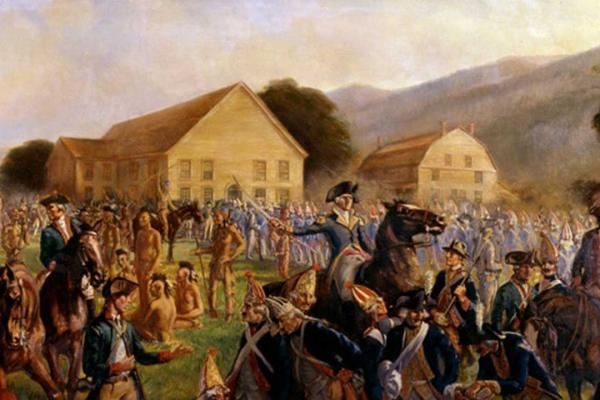
Reposted from battlefields.org In 1777, a huge British expedition was making its way South from Canada. John Burgoyne, sent a thousand men to Bennington, Vermont, on a foraging mission. They met John...
Video/Audio
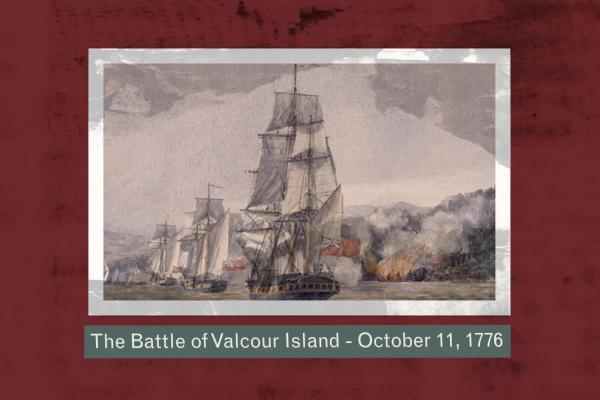
Reposted from battlefields.org In 1776, Benedict Arnold and a small force of Continentals under his command were engaged in a desperate shipbuilding race with the British at Lake Champlain – with the...
Video/Audio
Reposted from battlefields.org In 1776, the British intended to end the Revolutionary War in North America swiftly and decisively. But their plans to crush the rebellion in New York were thwarted by a...
Video/Audio
Reposted from battlefields.org The Culper Spy Ring was a network of brave, self-taught spies, who stole information out of New York City, right under the noses of the British – to keep George...
We invite you to visit the preserved locations along the Liberty Trail and to immerse yourself in the extraordinary events that determined the fate of a nation.
Historic Site | Historic House
Newport, RI

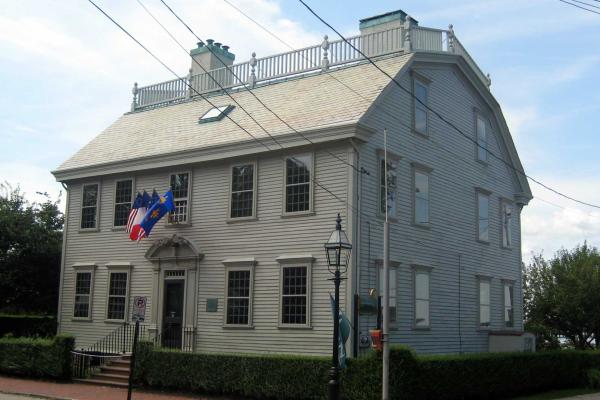
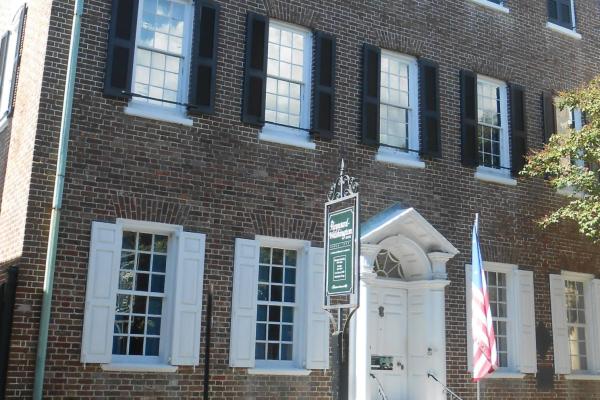
Former headquarters of the French fleet in North America and the home of Loyalist sympathizer.

Battlefield | Historic Site
Moncks Corner, SC

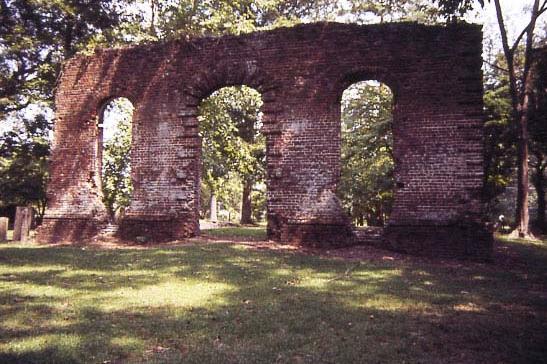
Eighteenth-century Moncks Corner was a crossroads settlement of stores and taverns at the intersection of the Cherokee Path (the Indian traders’ path) and the road from Charleston to Santee. A powder magazine was established in 1760 and the village was occupied as a store depot by the British during the Revolutionary War.

Battlefield | Historic Site
Fort Plain, NY

At the Battle of Stone Arabia, Patriot militia under John Brown made a desperate stand against a swift raid led by Sir John Johnson. Though Brown was killed and the raiders escaped, the clash galvanized local resistance.

National Park | Historic House
Morristown, NJ

The mansion once housed George Washington, who utilized it as his headquarters in the freezing winter of 1779.

Battlefield | Historic Site
Moncks Corner, SC

During the British occupation of Charleston in 1781, these grounds were part of a British outpost to supply ammunition and provisions to patrolling British troops.

Historic Site | Museum
Newport, RI

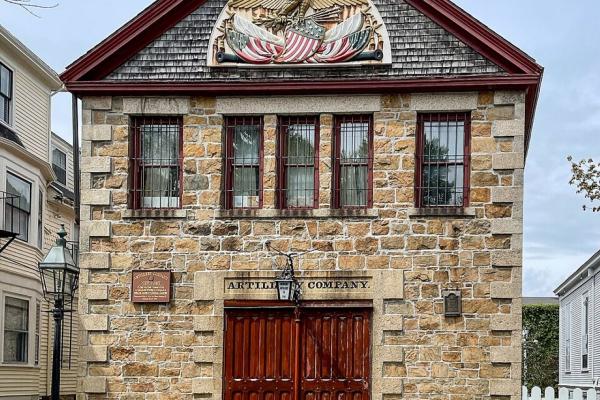
Museum dedicated to the history of the Newport militia

Historic Site |
Cape Porpoise, ME
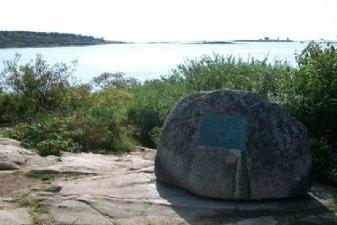
The Battle of Cape Porpoise took place on Goat Island near Cape Porpoise Harbor in York County, Maine, on August 8, 1782. According to the official historical marker, a British ship with 18 guns...
Historic Site | Historic House
Charleston, SC

This historic house museum was the home of Thomas Heyward, Jr., one of four South Carolina signers of the Declaration of Independence.

Historic Site |
Lebanon, NJ
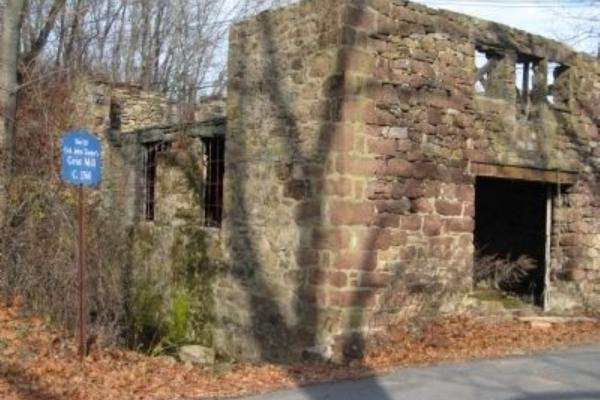
Remains of Col. John Taylor's Grist Mill, built circa 1760. Historical Marker Database Colonel John Taylor , an Englishman by birth, served in the Revolution with the 4th Hunterdon Militia and...
Battlefield
Coosawhatchie, SC

In May 1779, British troops under Augustine Prevost advanced toward Charleston, prompting William Moultrie to withdraw as John Laurens rashly engaged at the Coosawhatchie River and was driven back with heavy losses.

Historic Site | Historic House
Perth Amboy, NJ

The Royal Governor's Mansion of New Jersey is the only remaining proprietary governor's mansion of the original Thirteen Colonies still standing today. Built in the 1760s, it served as the residence gubernatorial residence of William Franklin, Benjamin Franklin's Loyalist son.

Historic Site |
Staten Island, NY

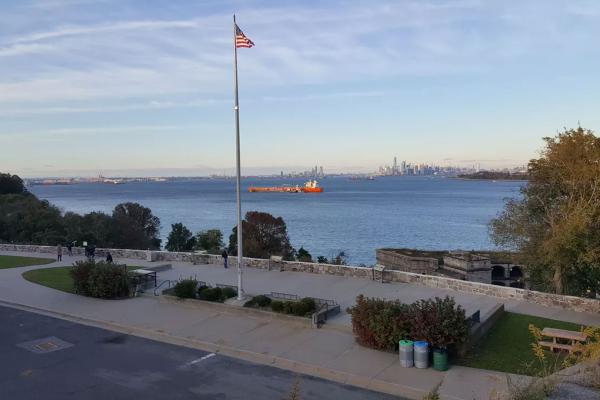
American fort captured by the British in 1776.