-
The BlogBiographies
-
Videos

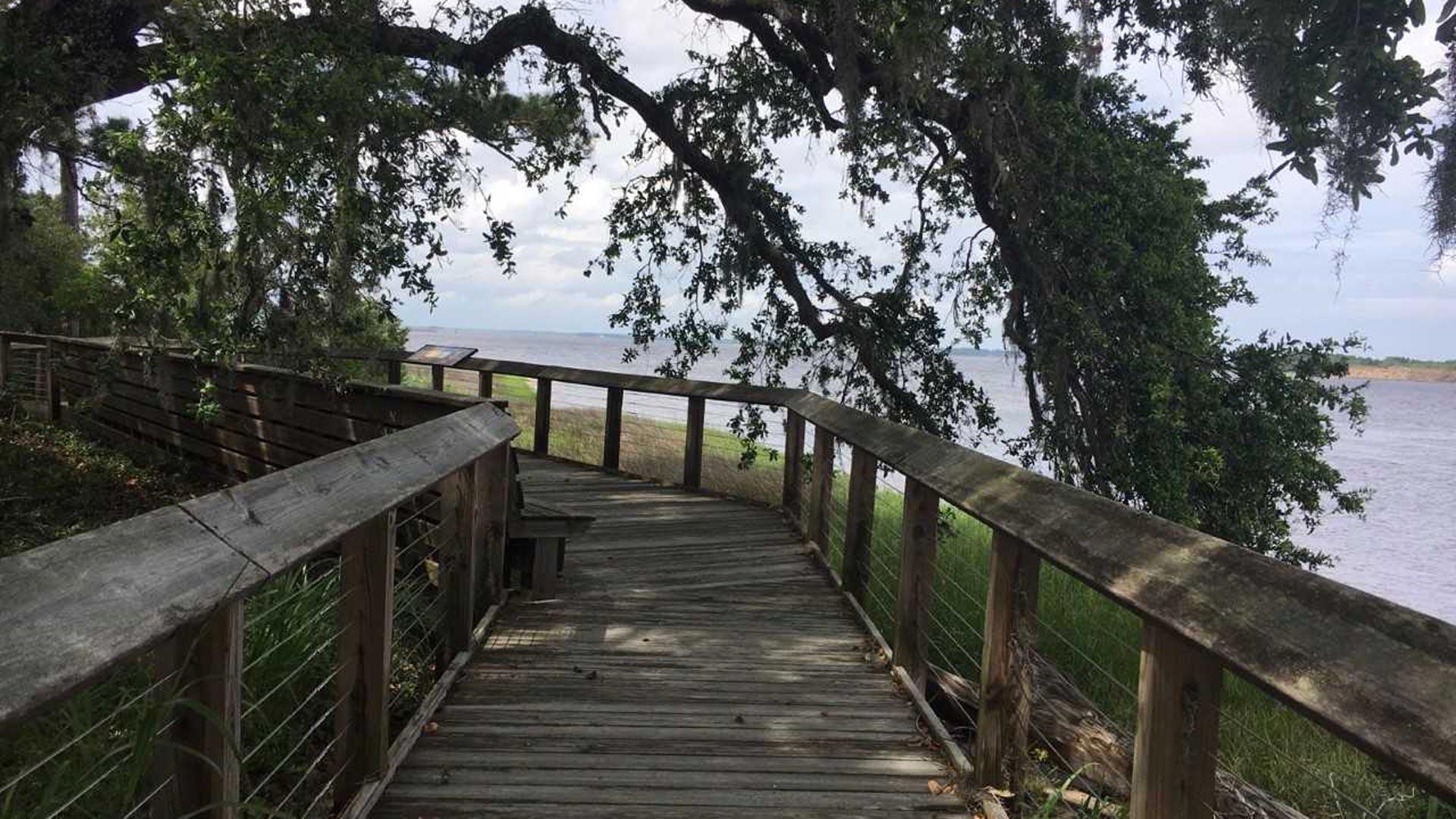
The site of a former colonial port that thrived throughout the mid-18th century, most of the town was reportedly burned down by the British in 1776

Once a thriving colonial port on the Cape Fear River, Brunswick stood at the center of North Carolina’s early political and commercial life before the Revolution. Founded in 1726 by Maurice Moore and named for King George I, the town prospered as a major exporter of naval stores—tar, pitch, and turpentine—vital to the ships of the British Empire. With two royal governors residing there and the colonial assembly occasionally meeting in its courthouse, Brunswick functioned as the colony’s unofficial capital. In 1765, local resistance to the Crown’s tax stamps halted their distribution along the Cape Fear, signaling growing unrest years before open war erupted.
By 1776, however, Brunswick’s fortunes had shifted. As Wilmington rose and political power moved elsewhere, the town declined, and when British troops landed in the spring of that year, much of it was reportedly burned. Never rebuilt after the Revolutionary War, its remains later became part of Orton Plantation. During the Civil War, Confederate forces constructed Fort Anderson atop the abandoned town site. Today, visitors can follow a tour trail that weaves among colonial foundations and through the earthworks of the fort, where layers of Revolutionary and Civil War history meet along the quiet riverbank.
Explore more of The Liberty Trail by visiting these nearby attractions.
Winnabow, NC 28479
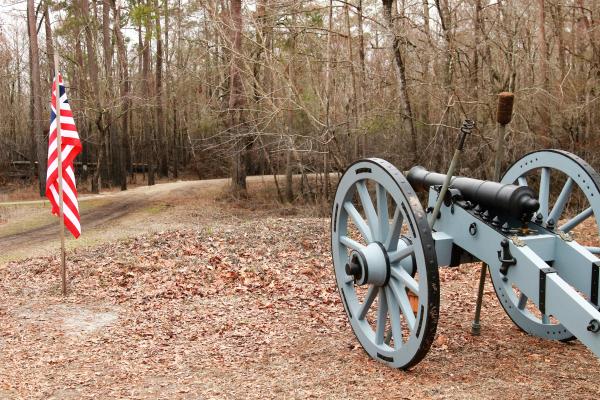
Now the site of one of the last Scottish broadsword charges in history, nearly 1,000 North Carolina Patriots faced off against well-trained Highlanders in the first significant victory for the Patriots in the Revolution
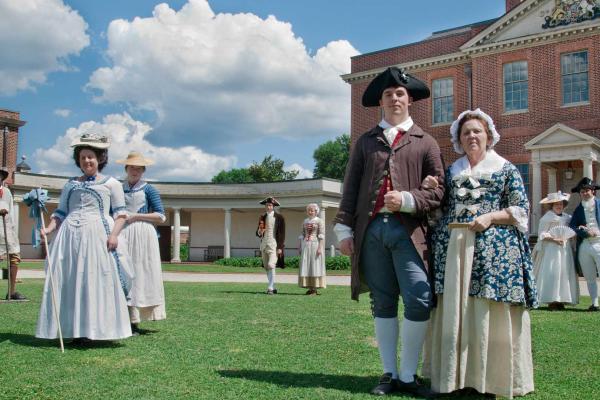
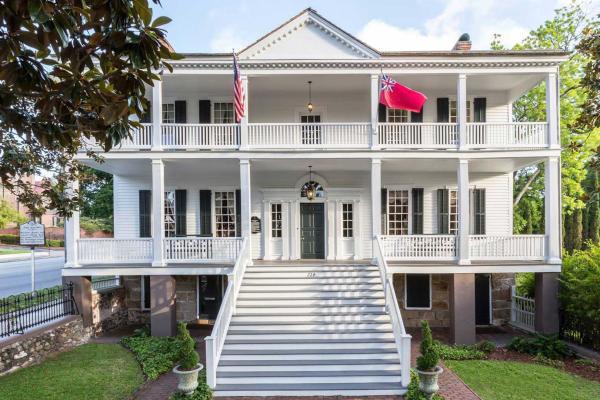
Originally destroyed by a fire in 1798, this faithful reconstruction stands on the former site of the Palace and offers an 18th century interpretive experience.
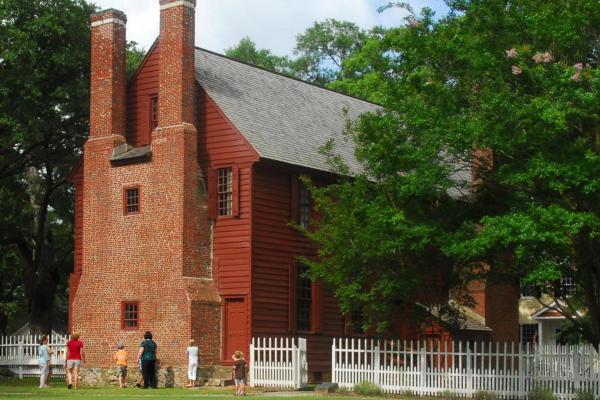
North Carolina's first official town and port of entry, Bath served as an early hub of trade and development during the Colonial period.