-
The BlogBiographies
-
Videos

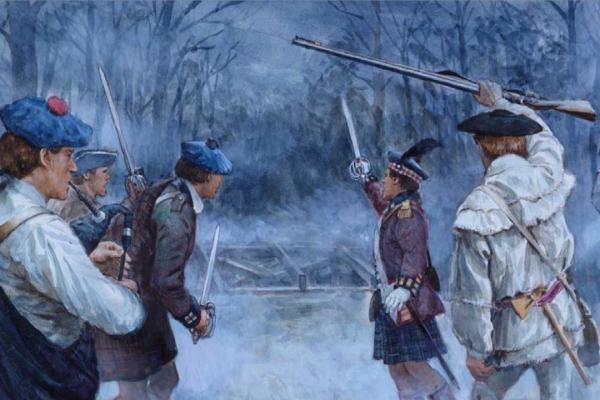
Now the site of one of the last Scottish broadsword charges in history, nearly 1,000 North Carolina Patriots faced off against well-trained Highlanders in the first significant victory for the Patriots in the Revolution

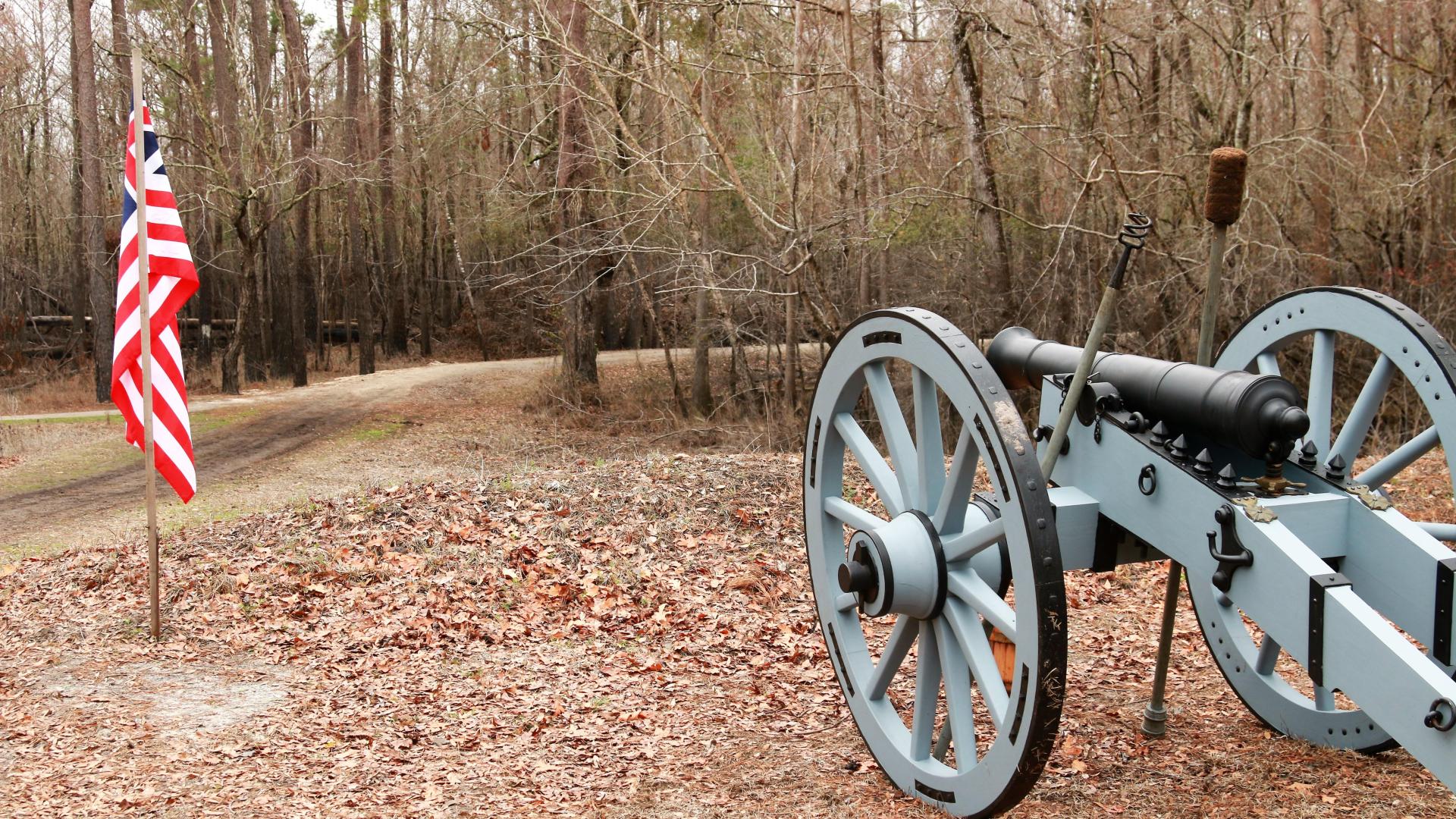
The Moores Creek National Battlefield preserves the site of a pivotal Revolutionary War clash fought on February 27, 1776. Here, Scottish Highlander Loyalists under Brig. Gen. Donald MacDonald marched toward the coast to join British forces but were intercepted by Patriot militia led by Col. Richard Caswell. At Moores Creek Bridge, Caswell’s men removed planks from the span to slow the Loyalist advance. When the Loyalists charged at dawn with cries of “King George and Broadswords,” the Patriots opened fire with rifles and artillery, devastating the assault and forcing a hasty retreat. The stunning victory secured Patriot control of North Carolina and gave momentum to the push for independence later that year.
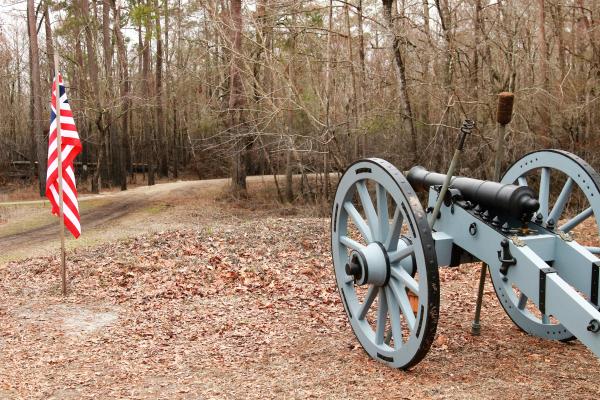
Today, visitors can walk the battlefield trail, cross a reconstructed section of the historic bridge, and learn more through exhibits and ranger programs at the visitor center. Monuments across the park highlight the community’s role in the Revolution, including the Moores Creek Women’s Monument, erected in 1907 to honor the women of the Lower Cape Fear who supported the Patriot cause. Together, the preserved landscape and its memorials invite reflection on one of the earliest American victories and its lasting impact on the fight for liberty.
Explore more of The Liberty Trail by visiting these nearby attractions.
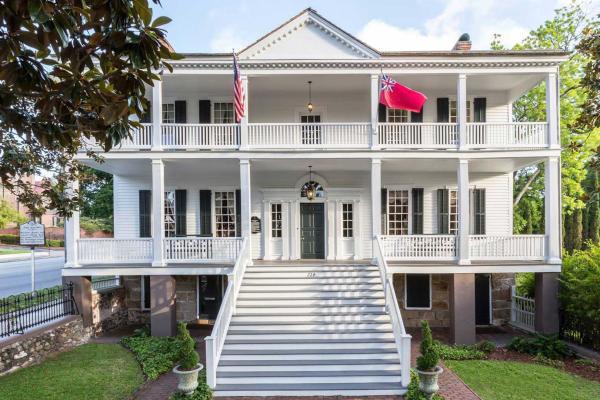
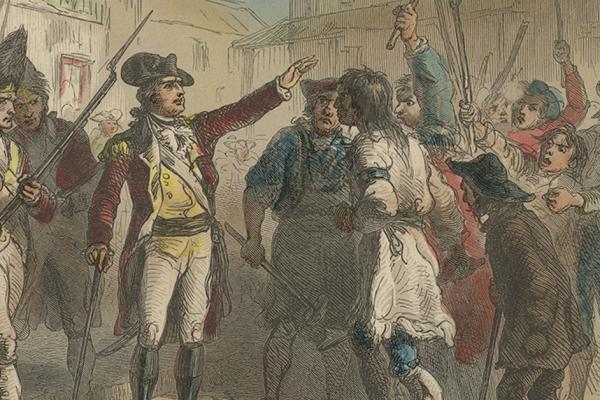
William Tryon rose through family connections and military service to become one of Britain’s most powerful—and polarizing—colonial governors. Though an efficient administrator loyal to the Crown, he was remembered in America as a tyrant whose taxes, executions, and brutality left a deeply bitter legacy.
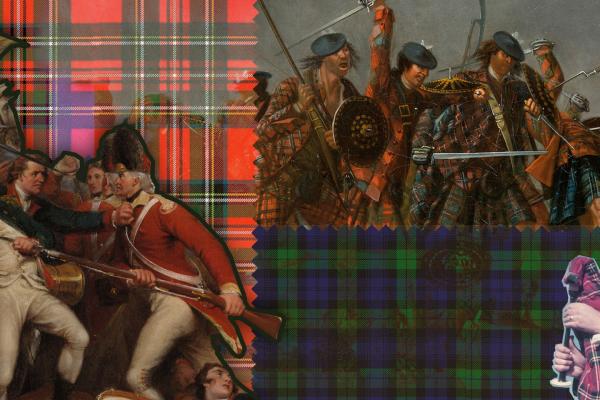
What did Captain John Paul Jones, General Hugh Mercer and Declaration signers James Wilson and John Witherspoon have in common? If your answer included “a dedication to the Patriot cause” or “Scotsmen,” both are true. But there is so much more than these few figures that bind the land of bagpipes, tartan kilts, haggis and the Loch Ness Monster to the origin story of the United States.
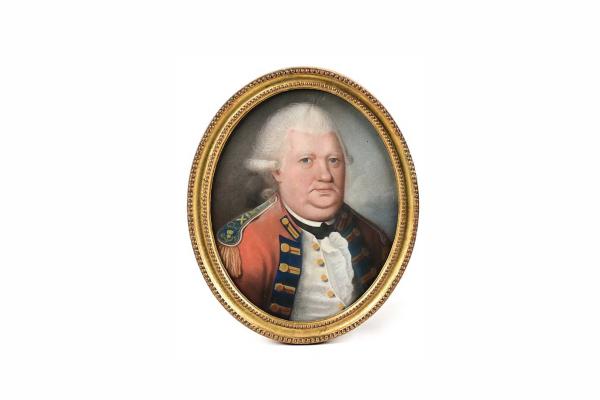
A career soldier loyal to the Crown, Donald MacDonald fought at Culloden before crossing the Atlantic to rally Scottish Highlanders for Britain during the American Revolution. His effort was cut short when he was captured after the Battle of Moore’s Creek Bridge and held by Patriot forces for more than a year.