-
The BlogBiographies
-
Videos

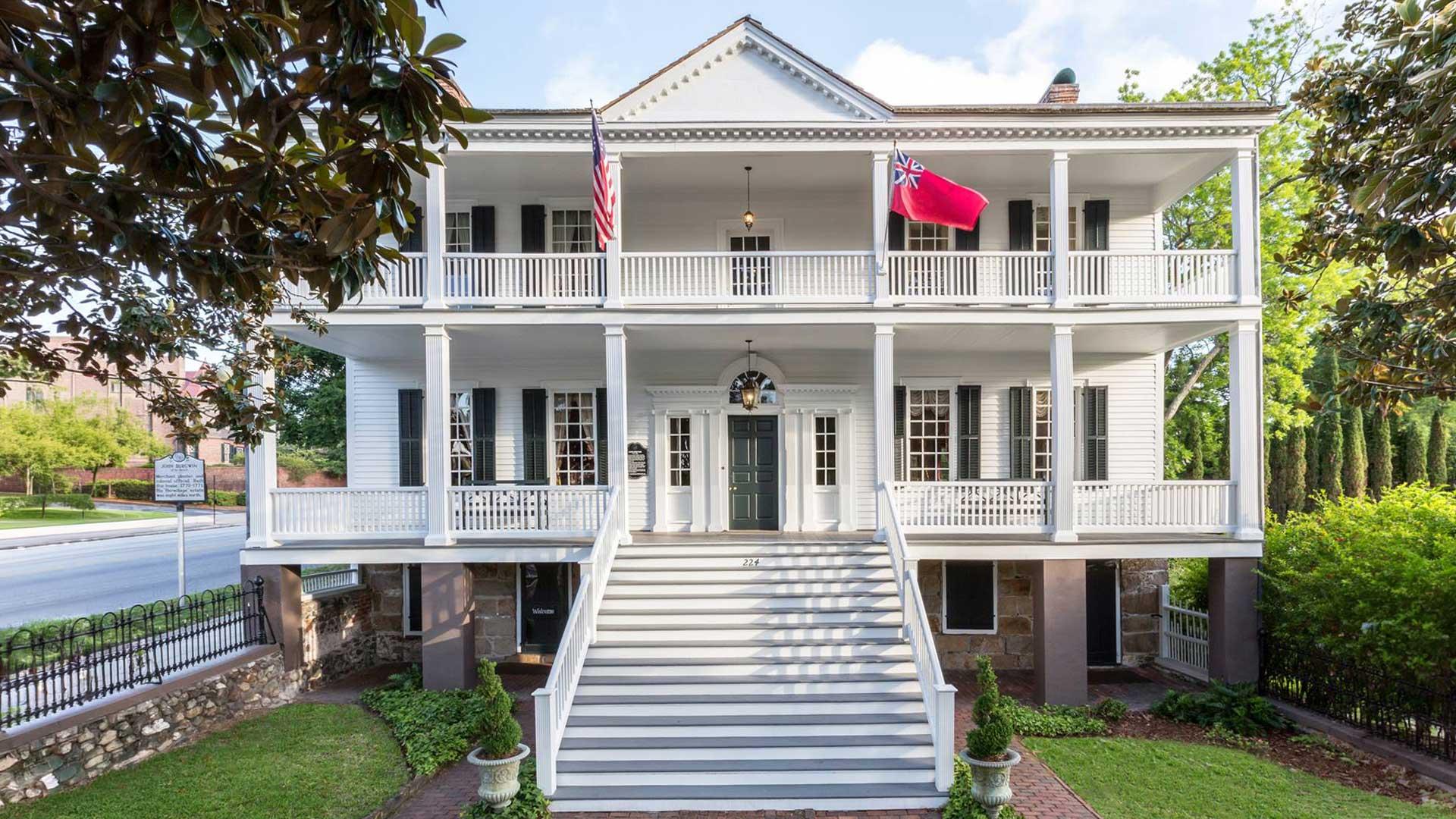
Home to a Loyalist sympathizer, the Burgwin-Wright House stands as one of the oldest structures in Wilmington. In 1781, the likes of Cornwallis and his officers inhabited the home for a brief period.

Built in 1770 atop the site of Wilmington’s first city jail (circa 1744), the Burgwin-Wright House was constructed as the townhouse of John Burgwin—a prominent merchant, planter, colonial treasurer, and private secretary to North Carolina’s last two royal governors. Designed as both a business headquarters and a place of entertainment, the home reflected Burgwin’s status and Loyalist convictions. After breaking his leg in 1775, he returned to England for medical reasons, though he was widely known for his steadfast Tory beliefs. During his absence, his properties were confiscated, but following the Treaty of Paris in 1783, he received a pardon and later sold the house in 1799 to Joshua Grainger Wright, whose family had rented it during the war. In 1781, when the British occupied Wilmington near the end of the Revolution, Lord Cornwallis occupied the home, gaining it the nickname of “The Cornwallis House.”
By 1930, the historic structure had fallen into serious disrepair and faced demolition when Standard Oil sought the property for a gas station. A determined preservation effort led by the local community and the North Carolina Society of the Colonial Dames of America ultimately saved the house in 1937. Restored in the years that followed, the Burgwin-Wright House opened to the public in 1951 as a museum, preserving one of Wilmington’s oldest surviving landmarks and its deep ties to the Revolutionary era.
Explore more of The Liberty Trail by visiting these nearby attractions.
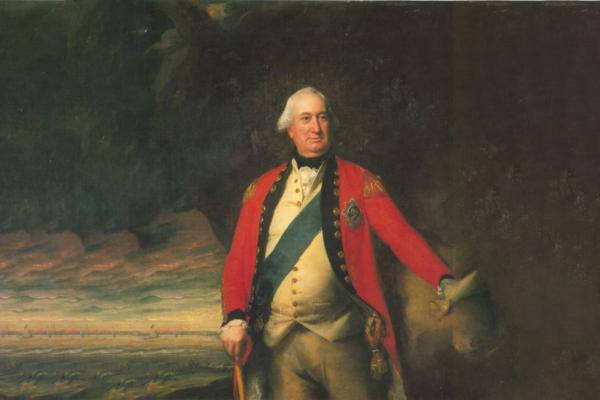
In 1779, after a stalemate in the north, Cornwallis went south as second in command to Sir Henry Clinton. Clinton captured Charleston in May 1780. Cornwallis pressed on to defeat General Horatio Gates at Camden, South Carolina, on August 16, 1780.
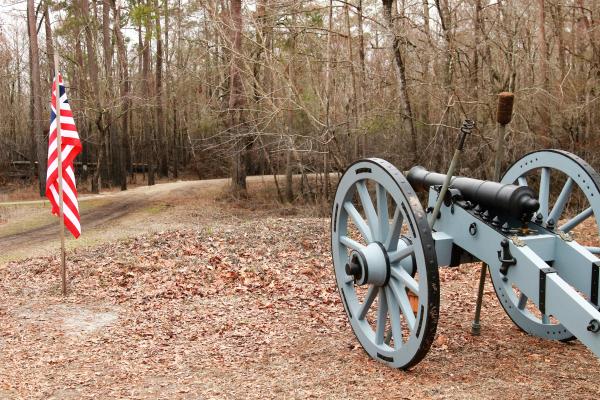
Now the site of one of the last Scottish broadsword charges in history, nearly 1,000 North Carolina Patriots faced off against well-trained Highlanders in the first significant victory for the Patriots in the Revolution
The site of a former colonial port that thrived throughout the mid-18th century, most of the town was reportedly burned down by the British in 1776