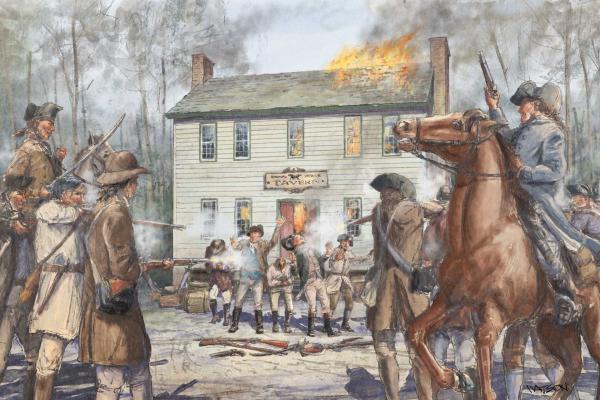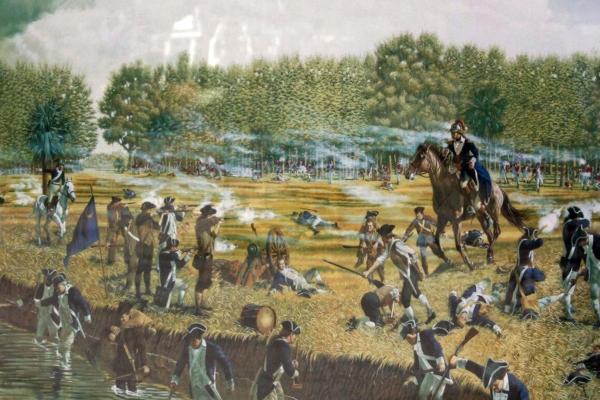
illustration of a revolutionary war battle with the Liberty Trail logo atop
About

The Liberty Trail South Carolina App

America’s independence was secured in the Carolinas across its swamps, fields, woods and mountains. These events of 1779-1782 directly led to victory in the Revolutionary War. We call this history The Liberty Trail South Carolina. 

The Liberty Trail South Carolina app—made in a partnership between the American Battlefield Trust and the South Carolina Battleground Trust—connects battlefields across South Carolina and tells the captivating and inspiring stories of this transformative chapter of American history.

Liberty Trail South Carolina Ad Hero Image

Each stop along the driving tour features unique on-site interpretation that connects visitors to the extraordinary events that came to pass nearly 250 years ago. The Liberty Trail South Carolina honors the patriots that decided the Revolution’s outcomes in the Carolinas.

Download The Liberty Trail New South Carolina for free today!

Exploring History

We invite you to visit the preserved locations along the Liberty Trail and to immerse yourself in the extraordinary events that determined the fate of a nation.
Historic Site | Historic House
Roebuck, SC

Established in 1767 by the Patriot supporting Moore family. Local militia gathered at Walnut Grove prior to the Battle of Cowpens. Visitors may take guided tours of the house and grounds.

State/County Park
Camden, SC

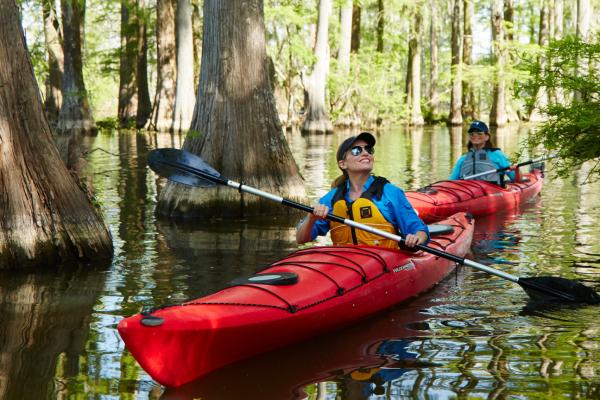
Not far from Camden Battlefield, Goodale State Park is lined with cypress trees, a spring-fed lake that offers boating, fishing, and hiking opportunities.

Historic Site
Charleston, SC

Francis Salvador, the first Jewish person to die in the Revolutionary War, was a London-born pioneer who moved to South Carolina in 1773. A vocal supporter of independence, he became the first Jewish person to hold political office in the state. Known as the "Southern Paul Revere," Salvador warned of attacks during the war but tragically died in an ambush in 1776 at just 29 years old, leaving behind a legacy of courage and commitment to freedom.

Battlefield | Historic Site
Moncks Corner, SC

Fort Fair Lawn was a British outpost in 1780–1781 and was the target of a daring Patriot raid on November 17, 1781, and abandoned by the British a week later.

Historic Site | Gardens & Grounds
Mt Pleasant, SC

Boone Hall was influential in the history of South Carolina. Explore the house and grounds of this Colonial Plantation, as well as a live presentation of the Gullah Culture adapted by African slaves.

Historic Site | Historic House
Charleston, SC

Visit Historic Drayton Hall — Tour the nation’s oldest preserved plantation house in America still open to the public. Explore Drayton Hall's 18th-century architecture, landscapes & the people who lived here.

Battlefield
Enoree, SC

British Lieutenant Colonel Banastre Tarleton pushed up the Enoree River hot on the trail of Patriot Brigadier General Thomas Sumter.

Battlefield | National Park
Ninety Six, SC

The site of the 1775 Battle of Williamson's Fort and a critical outpost for the British after they captured Charleston in 1780, the colonial town of Ninety Six was also the setting of a 28-day siege in 1781. Here, Nathanael Greene’s Patriots attacked the heart of Loyalist commander John Cruger’s defenses — the Star Fort.

Historic Site |
Charleston, SC

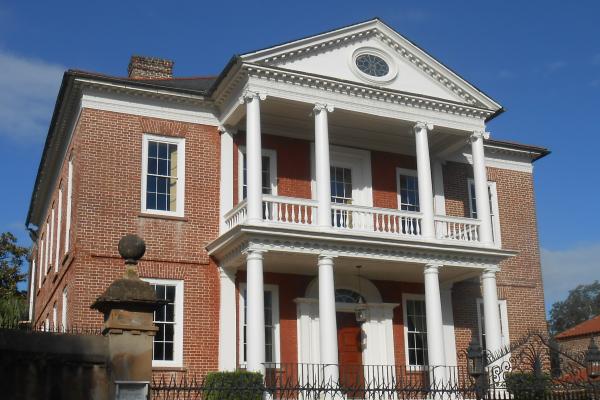
An architectural treasure in its own right, the South Carolina Historical Society Museum is housed in a National Historic Landmark building and features interactive exhibits on the people, places, and movements that shaped the state and nation.

Battlefield | National Park
Sullivan's Island, SC

The Battle of Sullivan’s Island, fought near the site of today’s Fort Moultrie in June 1776, was the first significant Patriot victory of the Revolutionary War.

Battlefield
Clarendon County, SC

Patriot Francis Marion earns his famous nickname — "The Swamp Fox”— after a futile chase by British Commander Banastre Tarleton

Battlefield | Historic Site
Moncks Corner, SC

Eighteenth-century Moncks Corner was a crossroads settlement of stores and taverns at the intersection of the Cherokee Path (the Indian traders’ path) and the road from Charleston to Santee. A powder magazine was established in 1760 and the village was occupied as a store depot by the British during the Revolutionary War.