-
The BlogBiographies
-
Videos

We invite you to visit the preserved locations along the Liberty Trail and to immerse
yourself in the extraordinary events that determined the fate of a nation.
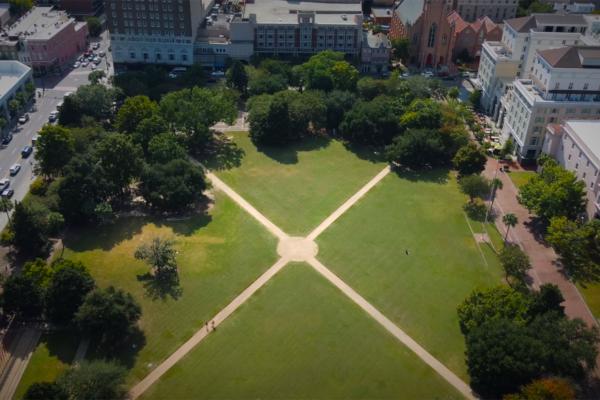
Marion Square, named in honor of Francis Marion, is greenspace in downtown Charleston, South Carolina and features remnants of The Hornwork, a large fortification built in 1758 that played a major role in the fight for independence.
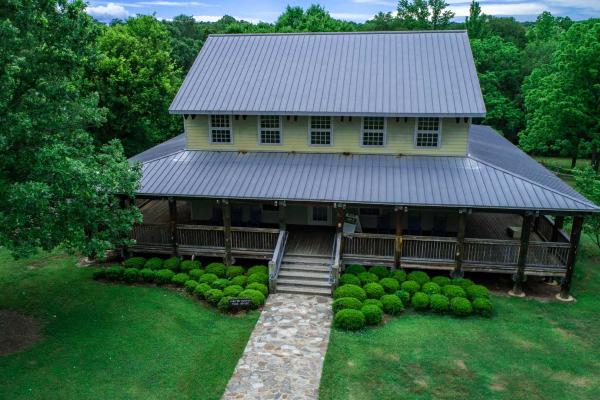
The site of the 1780 battle of Musgrove’s Mill where a small force of Patriot militia fought and defeated a larger force of Loyalist and Provincial soldiers in a short but pivotal battle.
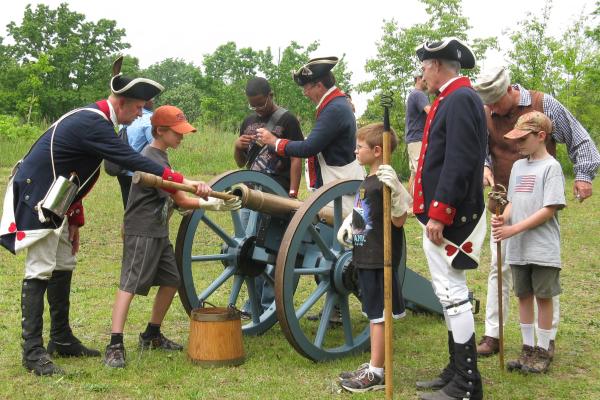
The Cowpens Battlefield commemorates Daniel Morgan’s victory over Banastre Tarleton on January 17, 1781.
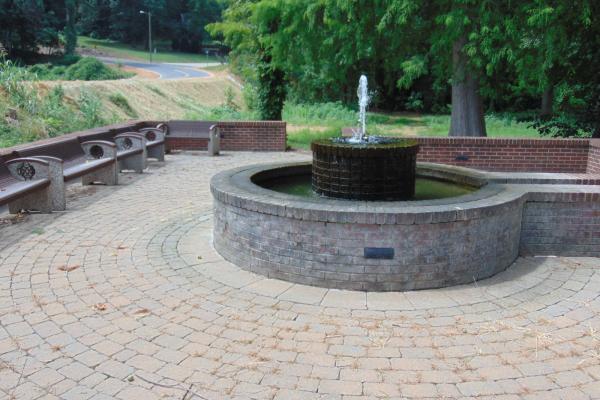
Three unknown British soldiers wounded at the nearby Battle of Cowpens died here at Limestone Springs and were buried on the land by order of Patriot Captain Vardry McBee Sr. and his wife, Hannah Echols.
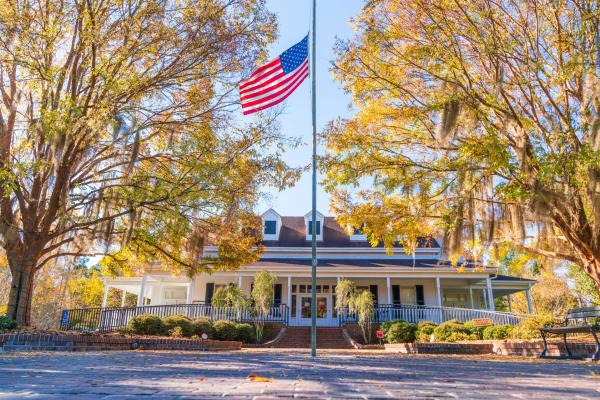
The Berkeley County Museum is located in historic Moncks Corner, South Carolina and contains Revolutionary stories and artifacts from around the county.
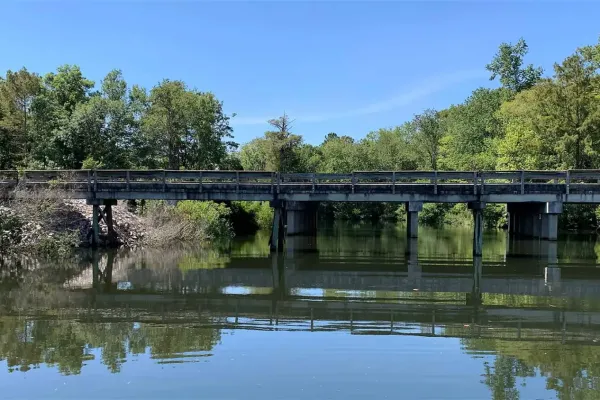
The Patriots Take Provisions and Prisoners in a Surprise Attack on a British Supply Depot.
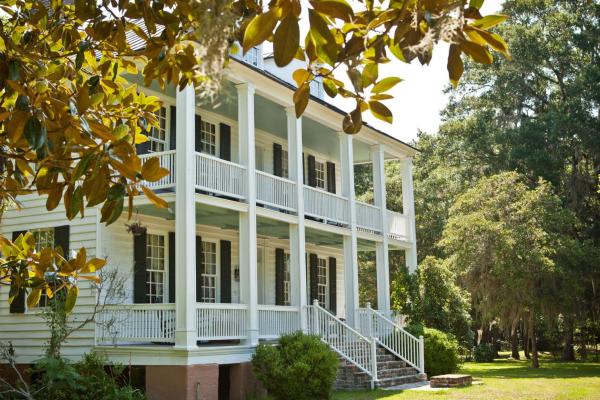
Built circa 1740, Hopsewee Plantation was one of the South’s major rice plantations and the birthplace of Thomas Lynch, Jr., one of the signers of the Declaration of Independence.
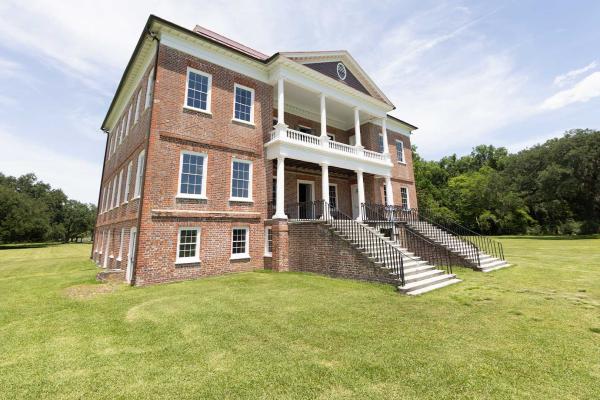
Visit Historic Drayton Hall — Tour the nation’s oldest preserved plantation house in America still open to the public. Explore Drayton Hall's 18th-century architecture, landscapes & the people who lived here.
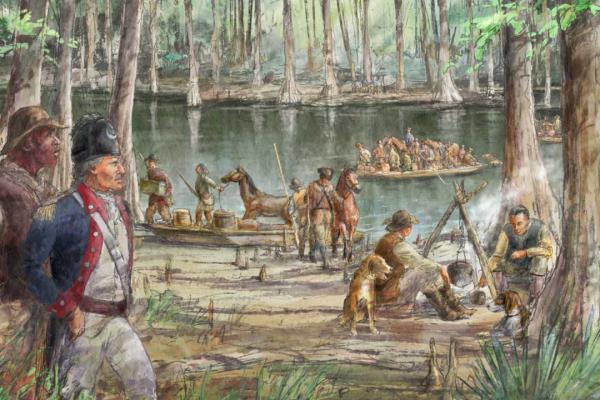
Located along the Great Pee Dee River, Snow's Island served as Francis Marion's favorite refuge for his militia in the swamps of South Carolina
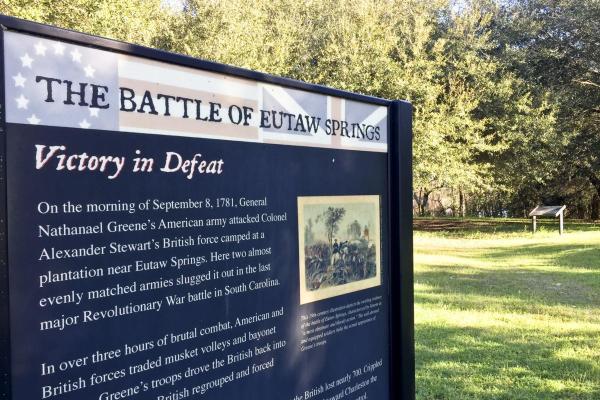
This last major battle of the war in the South succeeded in driving the British out of rural South Carolina.
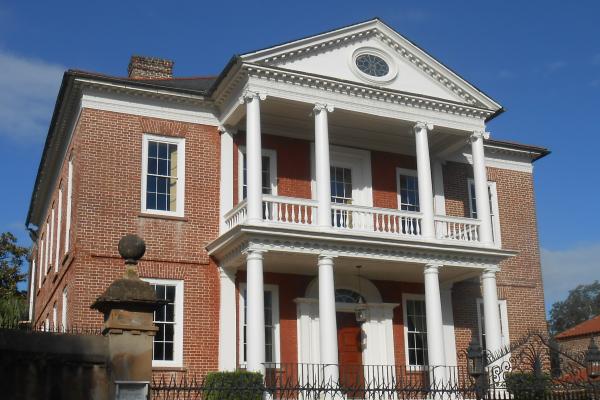
In 1780, after the British occupied Charleston during the American Revolutionary War, the Brewton house was used as the British headquarters for Henry Clinton.
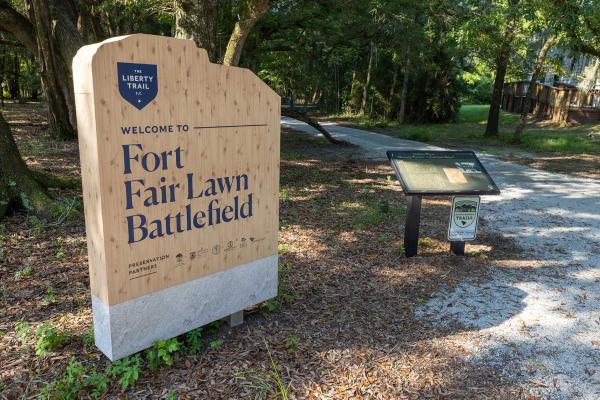
Fort Fair Lawn was a British outpost in 1780–1781 and was the target of a daring Patriot raid on November 17, 1781, and abandoned by the British a week later.