Liberty Trail Default Image (2025)
Trail Sites
Battlefields

Embark on a journey to the pivotal sites where the American Revolution secured its victory. Wander through sacred fields and woodlands, honoring the brave souls who sacrificed their lives in pursuit of freedom.

States of Interest:
South Carolina
Battlefield | Historic Site
Moncks Corner, SC

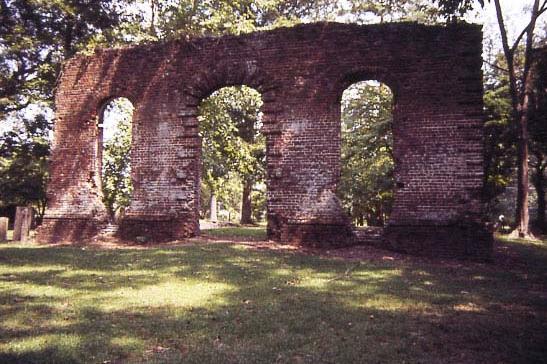
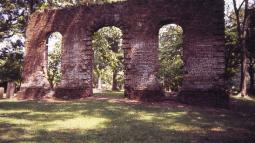
During the British occupation of Charleston in 1781, these grounds were part of a British outpost to supply ammunition and provisions to patrolling...

South Carolina
Battlefield
Enoree, SC

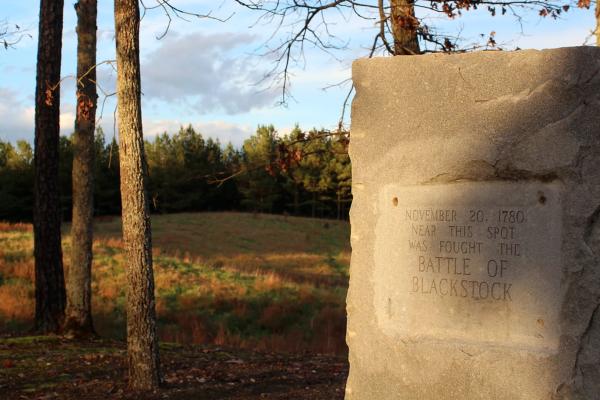
British Lieutenant Colonel Banastre Tarleton pushed up the Enoree River hot on the trail of Patriot Brigadier General Thomas Sumter.

South Carolina
Battlefield
Sullivan's Island, SC

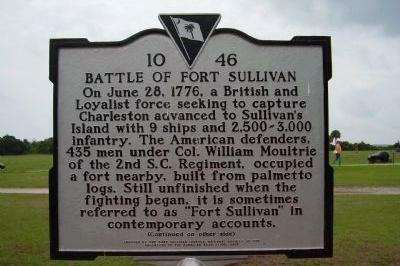
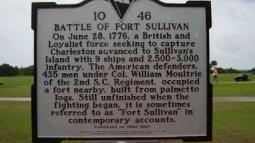
Treacherous waters and Patriot fire foil a British attack on Charleston Harbor

South Carolina
Battlefield
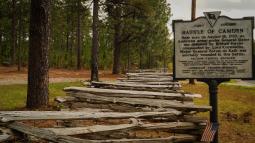
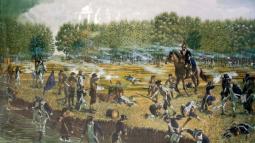
Camden, SC

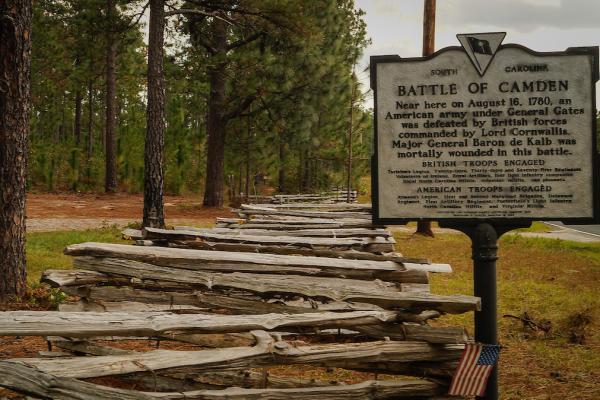
The Battle of Camden was a devastating defeat suffered by the Americans in the British military offensive in the South.

South Carolina
Historic Site | Battlefield
Spartanburg, SC

When Jane Black Thomas overheard Loyalists plotting a surprise attack on her son's militia camp, she rode nearly 60 miles through dangerous territory...

South Carolina
Battlefield | Historic Site
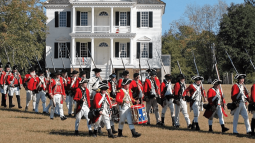
Camden, SC

A former British headquarters, explore the reconstructed Kershaw/Cornwallis House, British redoubts, and programs about colonial life.

South Carolina
Battlefield
Coosawhatchie, SC

In May 1779, British troops under Augustine Prevost advanced toward Charleston, prompting William Moultrie to withdraw as John Laurens rashly engaged...

South Carolina
Battlefield | National Park
Gaffney, SC

The Cowpens Battlefield commemorates Daniel Morgan’s victory over Banastre Tarleton on January 17, 1781.

South Carolina
Battlefield
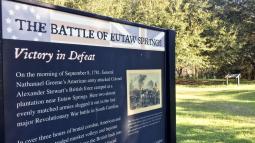
Eutawville, SC

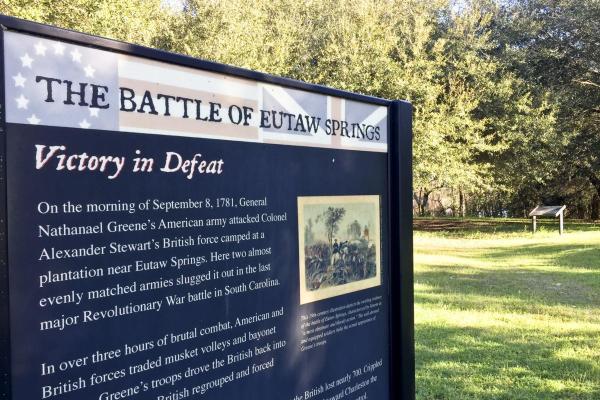
This last major battle of the war in the South succeeded in driving the British out of rural South Carolina.

Filter By:
States of Interest
We invite you to visit the preserved locations along the Liberty Trail and to immerse yourself in the extraordinary events that determined the fate of a nation.
Battlefield | State/County Park
Clinton, SC

The site of the 1780 battle of Musgrove’s Mill where a small force of Patriot militia fought and defeated a larger force of Loyalist and Provincial soldiers in a short but pivotal battle.

Battlefield | Historic Site
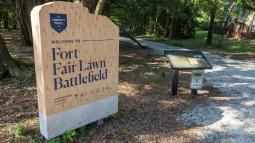
Moncks Corner, SC

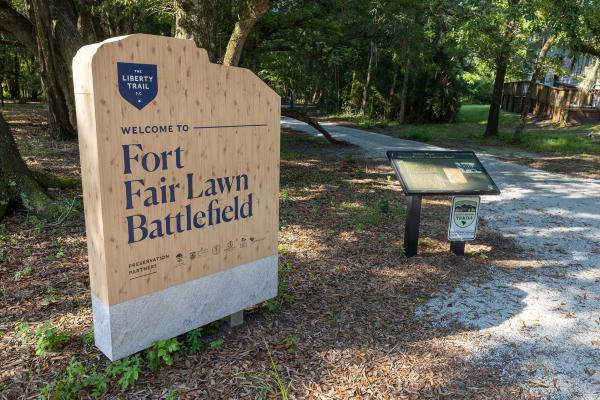
Fort Fair Lawn was a British outpost in 1780–1781 and was the target of a daring Patriot raid on November 17, 1781, and abandoned by the British a week later.

Battlefield
Clarendon County, SC

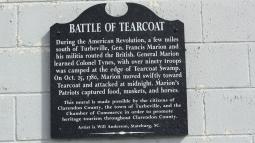
Patriot Francis Marion earns his famous nickname — "The Swamp Fox”— after a futile chase by British Commander Banastre Tarleton

Historic Site |
Gresham, SC

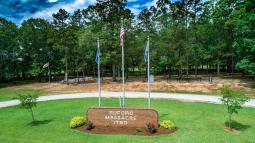
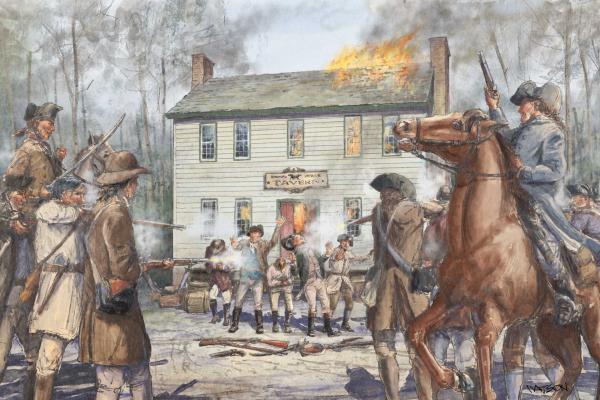
Loyalists ambush a contingent of Patriot militia at a tavern in December of 1780, leading to a massacre

Historic Site | Gardens & Grounds
Moncks Corner, SC

Former Plantation of Henry Laurens: Merchant, Slave Trader, South Carolina Statesman, and Father of Revolutionary War Soldier John Laurens.

Battlefield
Camden, SC

An ingenious Patriot deception provokes a prominent Loyalist to surrender his outpost

Battlefield | State/County Park
Summerton, SC

Located within the Santee Wildlife Refuge, this was the last major battle of the war in South Carolina.

Battlefield
McConnells, SC

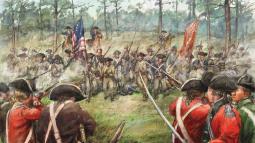
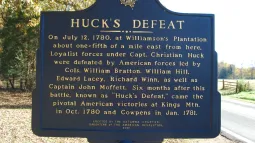
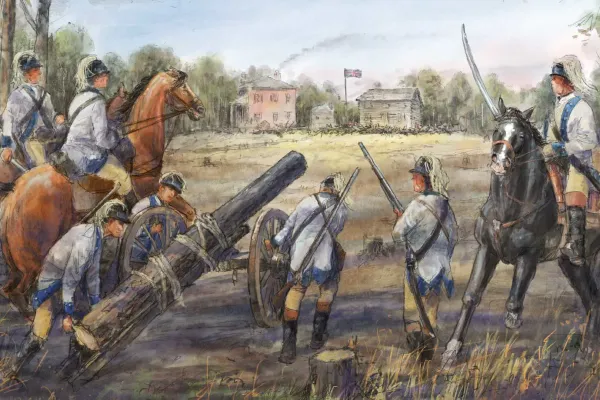
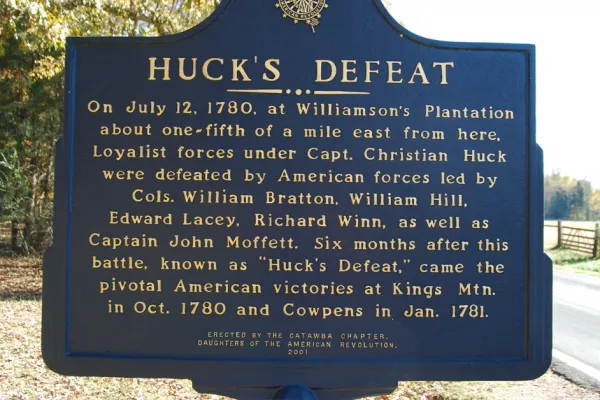
Huck’s Defeat occurred on July 12, 1780. The battleground is on the site of Historic Brattonsville, a former colonial plantation.

Battlefield
Lancaster, SC

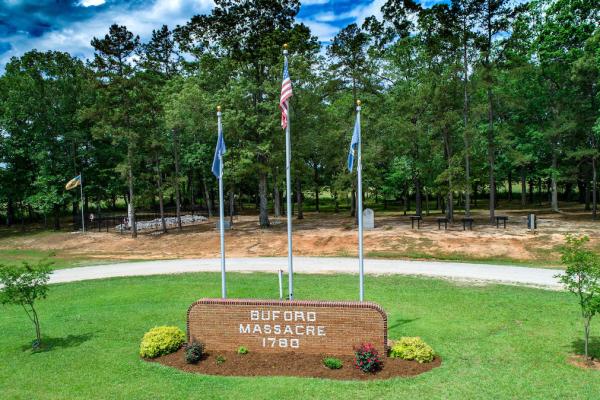
On May 29, 1780, British commander Banastre Tarleton engaged and overwhelmed a Patriot force under the command of Abraham Buford in a dreadful defeat for the Patriots.

Historic Site
Sullivan's Island, SC

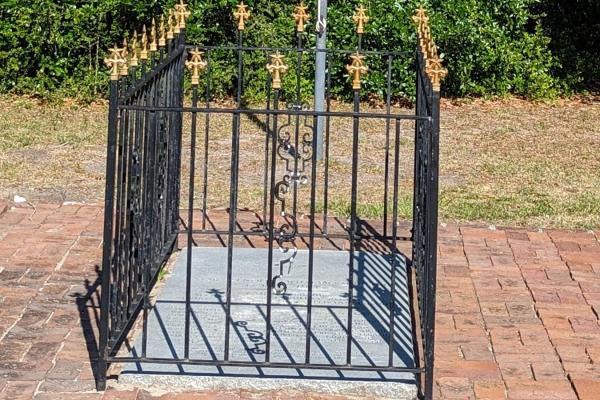
William Moultrie died in 1805 and was buried in the family cemetery. In 1977, his remains were moved to Sullivan's Island within Fort Moultrie.

Historic Site | Historic House
Clemson, SC

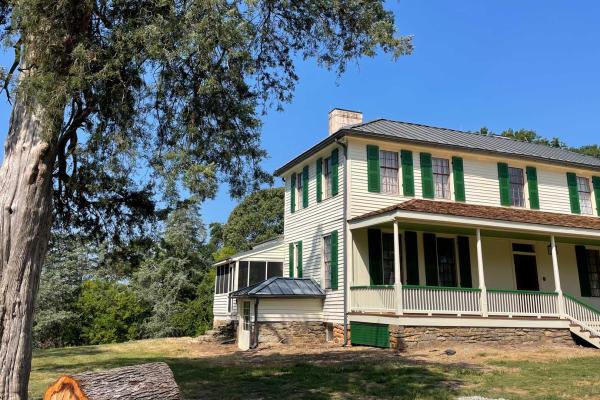
Located near the famous Treaty of Hopewell site, the Hopewell Plantation house was the Pickens' family home and later served as the South Carolina Governor's Mansion.

Historic Site | Historic House
McConnells, SC

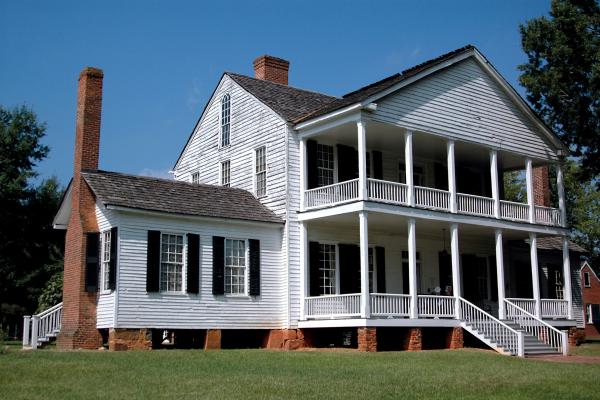
Discover the history of the Scots-Irish and African-Americans through preserved buildings and living history experiences of the Brattonsville community.