-
The BlogBiographies
-
Videos

In May 1779, British troops under Augustine Prevost advanced toward Charleston, prompting William Moultrie to withdraw as John Laurens rashly engaged at the Coosawhatchie River and was driven back with heavy losses.

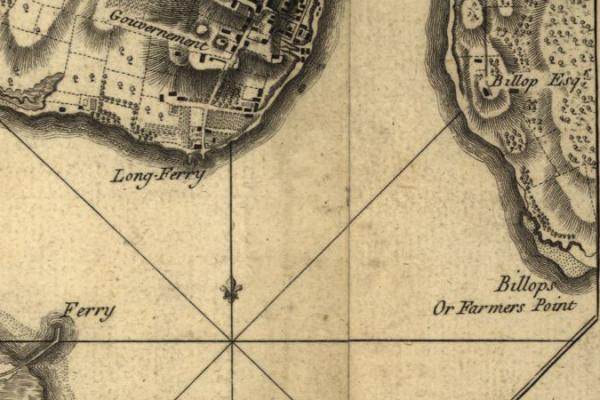
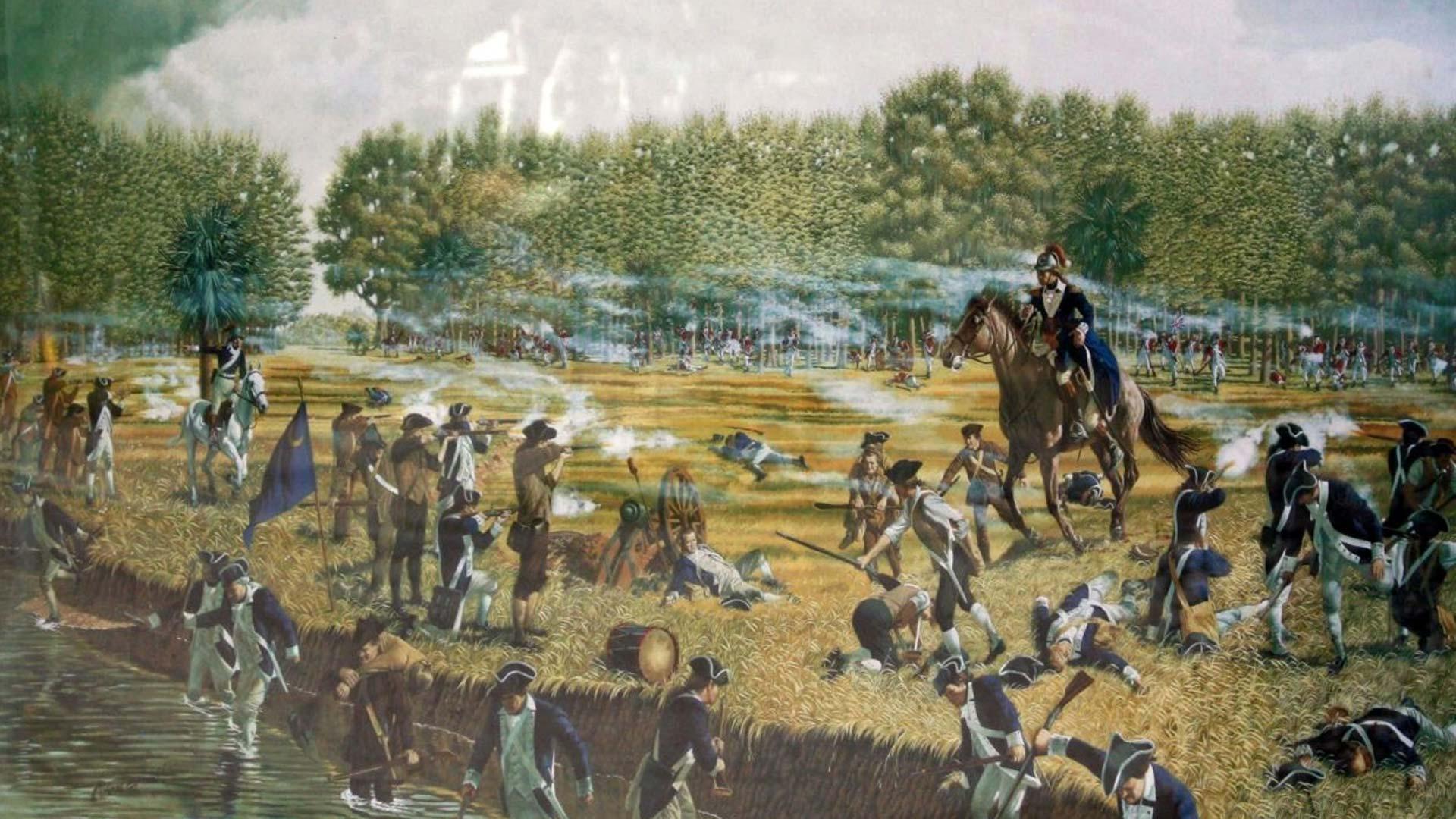
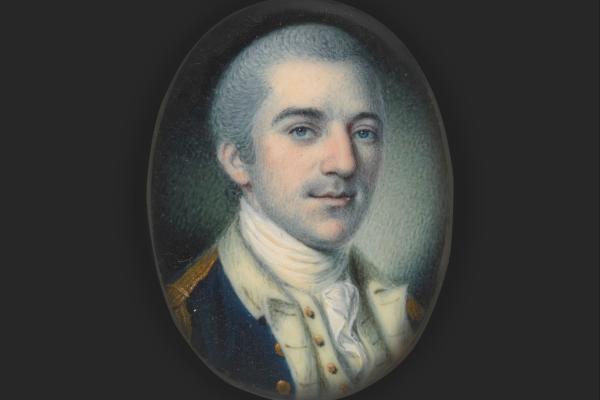
In early May 1779, British Brigadier General Augustine Prevost advanced from Georgia toward South Carolina, initially intending a raid but soon turning his attention toward Charleston after encountering little resistance. His movement successfully drew Major General Benjamin Lincoln and much of the Patriot army away from Augusta. As Prevost crossed the Savannah River with roughly 2,400 troops, Brigadier General William Moultrie withdrew his forces toward Tulifinny Hill, a defensible position between the Coosawhatchie and Tulifinny Rivers. To reinforce him, Lincoln dispatched Lieutenant Colonel John Laurens with 250 North Carolina light infantry. On May 3, Laurens advanced with additional riflemen and, against orders, engaged the British on the west bank of the Coosawhatchie River. There, his force encountered a strong British column under Lieutenant Colonel John Maitland. Under sustained artillery fire, Laurens’ men suffered heavy casualties, and Laurens himself was wounded before the Patriot detachment withdrew under Captain Thomas Shubrick.
The following day’s developments confirmed the danger of Laurens’ exposed position. Had Shubrick not ordered a retreat, a significant portion of Moultrie’s force might have been captured. Recognizing the British advantage, Moultrie ordered the destruction of key bridges and fell back toward Charleston, while militia morale faltered and desertions increased. Though Laurens’ actions were criticized as rash—even by Moultrie—they reflected both his aggressive leadership and determination not to surrender. Prevost continued his advance but ultimately withdrew, wary of being trapped between Charleston’s defenses and Lincoln’s returning army. Charleston would fall one year later in 1780. In the aftermath, Laurens continued to advocate for arming enslaved men, arguing that those long seen as a liability could become a source of strength—an idea he pressed repeatedly despite rejection by South Carolina’s leadership.
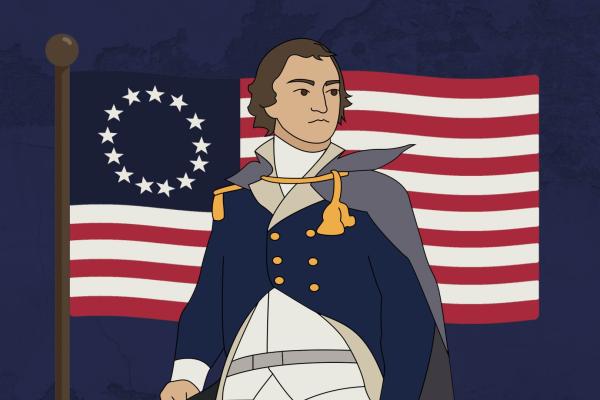
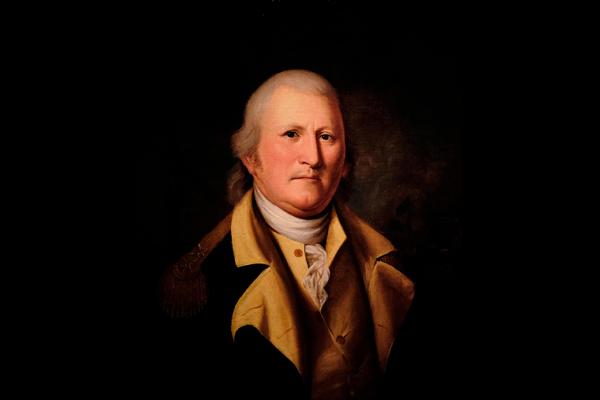
On June 28, 1776, the British attacked Sullivan’s Island. Against impossible odds and outnumbered 2,200 British troops to 435 soldiers within the fort, Moultrie successfully prevented land and sea invasions of Charleston. The British retreated to New York and would not return to South Carolina until 1780.