-
The BlogBiographies
-
Videos

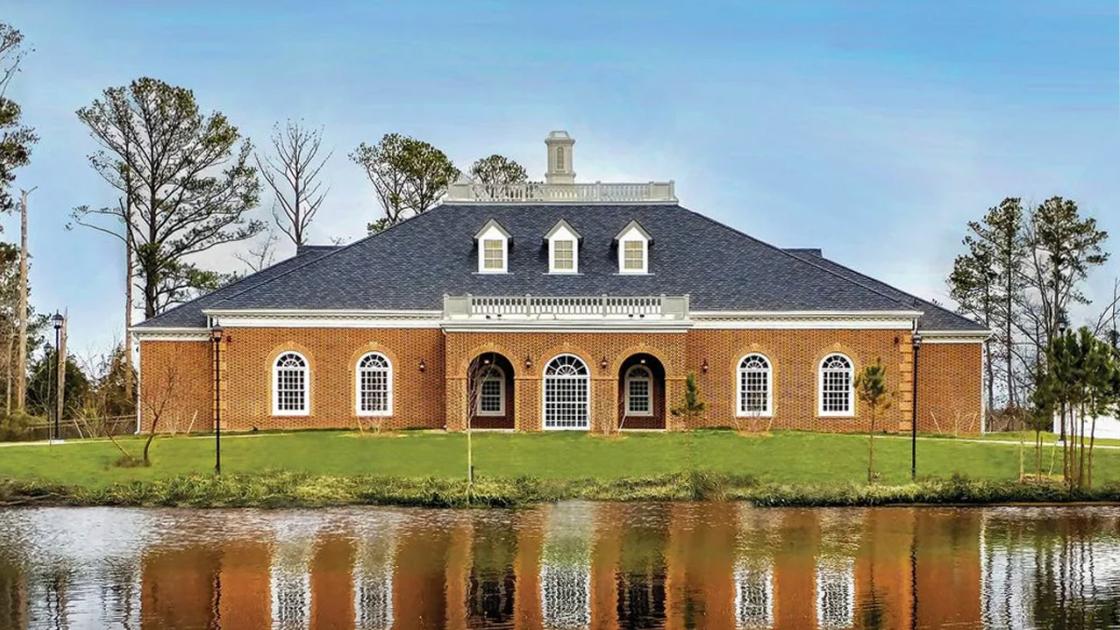
The Battle of Great Bridge: Where Liberty Got Personal
“The action at Great Bridge proves more important we expected. The victory was complete.” - Letter of the Virginia Committee of Safety
You are at the site of one of the most important moments in Virginia’s Revolutionary history. On these very grounds, in the span of about 30 minutes,atriot militia repelled Royal Virginia governor Lord Dunmore and his outnumbered combined force of British Regulars, Virginia Loyalists, and formerly enslaved African Americans. Here, Virginia Patriots saw their first major victory of the Revolution—and wrote the penultimate chapter of Lord Dunmore’s months-long raid throughout Hampton Roads. At the Battle of Great Bridge on December 9, 1775, what happened here is a story about more than just patriots versus loyalists. It’s also a story of contested freedoms. Here, liberty wasn’t just about politics. At the Battle of Great Bridge liberty was personal, where African Americans on both sides fiercely fought with hopes of liberty and freedom.
Follow Kate as she provides background on the battle:
Causeway Reconstruction
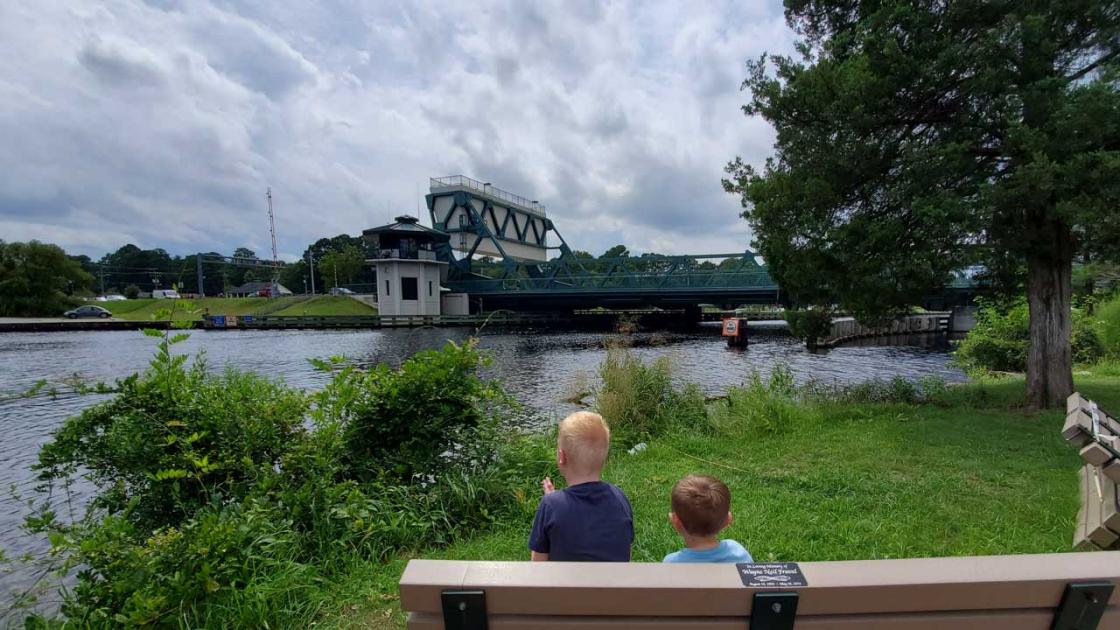
In 1775, this bridge was a hot commodity. Well, not this bridge—this is a reconstruction, but you get the idea. The bridge that was near here 250 years ago was the missing link to patriots’ ability to stop Lord Dunmore’s reign of terror in Virginia. It spanned the Elizabeth River—the only connection between nearby Norfolk and North Carolina not covered in swampland. Both Dunmore and the Patriots recognized its importance. Both sides wanted to control this region, badly.
By December, both sides took…well, took a side. Dunmore fortified the north side here, establishing Fort Murray and filling it with two companies of the British 14th Regiment of Foot, Virginia Loyalists, and formerly enslaved African Americans that he called his Ethiopian Regiment. On the south side, patriots dug in. For days both sides took shots at each other, but neither fully engaged. On the eve of the battle, Colonel William Woodford commanded about 900 men here, including the Culpeper Minute Men. It was a terrible time for the 14th Regiment of Foot Captain Samuel Leslie to decide to wheel out two cannon to blast the Patriot position, but that’s what he did on the morning of December 9.
At first the patriots didn’t realize what was happening. Their tune soon changed when peering over the breastworks, they spied members of the 14th Regiment striding across the bridge, six-men across, bayonets fixed—even in the dawn hours, you couldn’t miss those red coats. Captain Charles Fordyce led the pack. But the patriots didn’t flinch—they held their fire until the British came within 50 yards (almost so close you could see the whites of their eyes). That gamble paid off—when the patriots finally fired, it was nothing short of a blood path. When the smoke cleared, the British had suffered over 100 casualties, including Fordyce, whose body lay just 15 feet from the patriot works.
DAR Monument
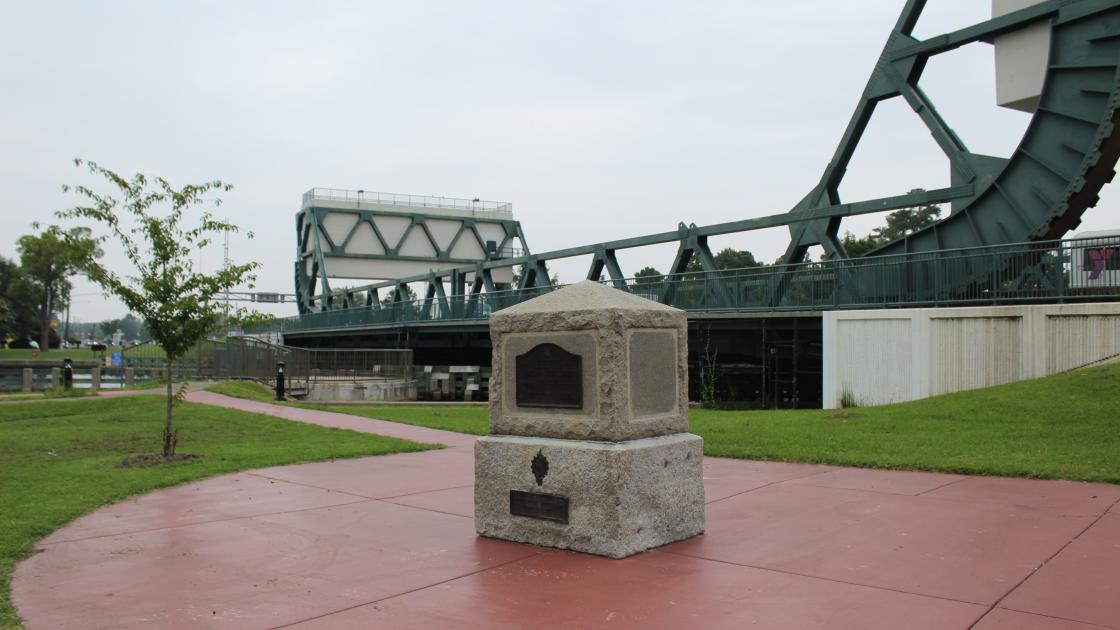
The Daughters of the American Revolution erected this monument in 2006. It names the patriot regiments that fought here in this decisive battle which gave the patriots an important victory.
But the Battle of Great Bridge was more than just patriot versus British—and there was more at stake than the idea of independence from Britain. An important thing to remember about the battle here is that there were African Americans on both sides of the causeway on December 9, 1775. Both were fighting for freedom and liberty. With the patriots was a man named Billy Flora. Born free in Virginia, Billy is widely remembered as a hero. When the patriots first spied members of the 14th Regiment of Foot advancing over the Great Bridge, Colonel William Woodford deployed sentries to slow their advance. Billy was one of them. He fired eight times into the enemy before falling back to the safety of the earthworks and as he did, pulled the final plank in behind him to thwart the British from following too close behind. At the Battle of Great Bridge, Billy Flora was fighting for political liberty.
But on the British side were members of Lord Dunmore’s Ethiopian Regiment. These were African American men formerly enslaved by patriot owners, to whom Dunmore offered freedom if they ran away to take up arms with him. Primary sources tell us that these formerly enslaved men wore hunting shirts emblazoned with the words “Liberty to Slaves.” They were fighting that day hoping that British victories over rebelling patriots would mean an end to their enslavement. They were fighting for personal liberty.
Continue following the pathway and locate the signs “Billy Flora” and “Liberty to Slaves” to learn more.
Museum and Visitor Center
Patriot Colonial William Woodford wrote that the Battle of Great Bridge was “a second Bunker’s Hill, in miniature, with this difference that we kept our post and had only one man wounded in the hand.” It was an incredible victory for Virginia patriots—they proved they could hold their ground even in the face of the menacing British Army. In the battle’s aftermath, Woodford and his patriots pressed onward to Norfolk, where they’d again catch Lord Dunmore—but this time, with more devastating consequences.
Your visit here isn’t complete until you explore the Museum, which is full of exhibits about the importance of these waterways and landscapes before, during, and even after the American Revolution. And inside, you can come face to face with real 18th-century artifacts that themselves bore witness to the battle here.
This smallsword was surrendered after the battle here at Great Bridge. Loyalist Captain James Parker, an engineer in the Queen's Own Loyal Virginia Regiment, surrendered this sword to Patriot Captain William Taliaferro who commanded the 4th Company of the 2nd Virginia Regiment. Captain Taliaferro kept the sword until he was wounded at the Battle of Brandywine and gave the sword to his brother, Captain Benjamin Taliaferro. Benjamin Taliaferro had the sword with him when he escaped capture at Charleston and later when he participated in the Battle of Yorktown. See the sword, and its associated powder horn, inside the museum.
The Great Bridge Battlefield & Waterways Museum is open Wednesday to Saturday from 10 a.m. to 4 p.m.
Marshall Family
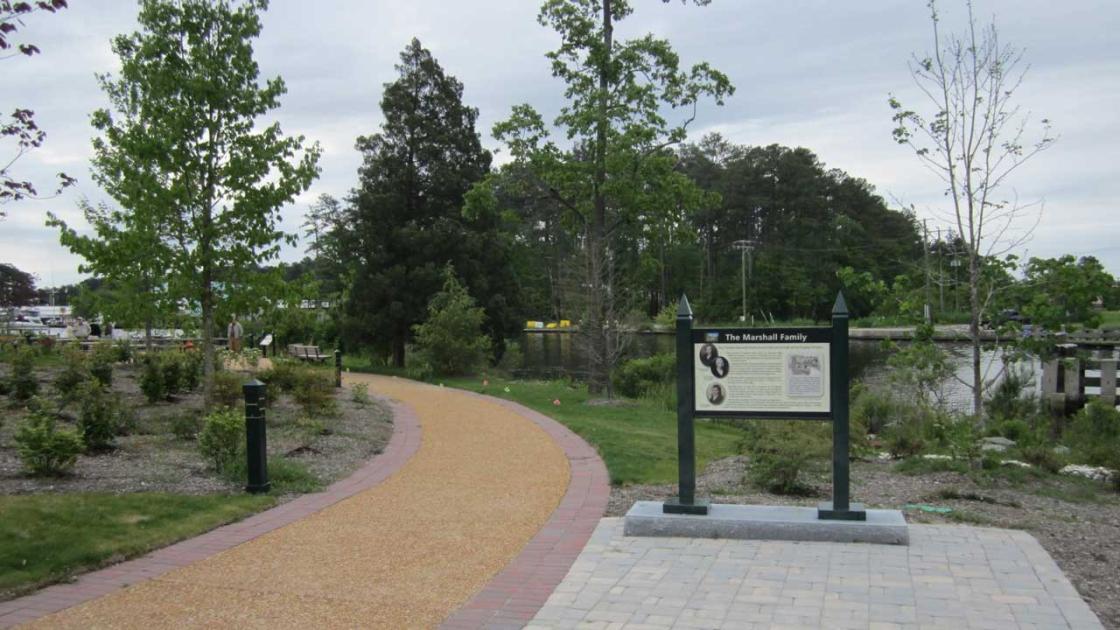
Military fame and experience often run in the family. Key figures at the Battle of Great Bridge were father and son Thomas and John Marshall of the Culpeper Minutemen. Read the wayside marker in front of you to learn more about the Marshall family. But if you’re a history buff who knows a little bit about the Civil War, the name Lt. Col. Thomas Marshall might be familiar to you. The great-grandson of the same Thomas Marshall that fought right here at Great Bridge, the latter Thomas commanded the 7th Virginia Cavalry at the Civil War Battle of Brandy Station. The American Battlefield Trust has preserved hundreds of acres of that battlefield and surrounding lands in Culpeper County, which is now the Culpeper Battlefields State Park.
If you’re feeling adventurous, explore Culpeper’s role in the American Revolution at the Culpeper Battlefields State Park, and check out the wayside marker here.