The Liberty Trail—North Carolina

​​Your Path on The Liberty Trail NC

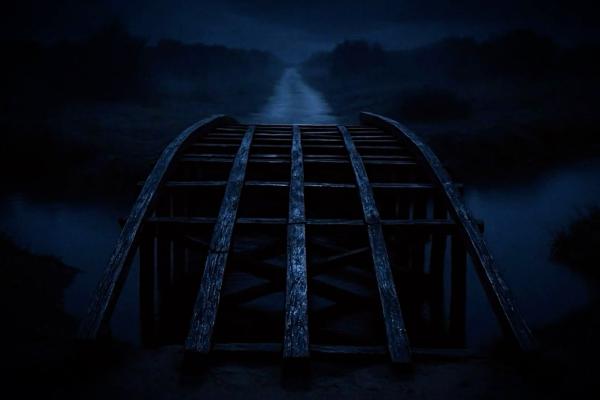
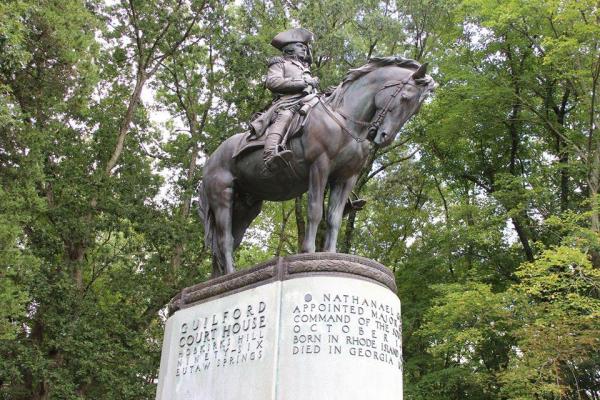
North Carolina played a pivotal role in the struggle for independence, from the decisive Patriot victory at Battle of Moore's Creek Bridge to the hard-fought clash at Battle of Guilford Courthouse that weakened British resolve in the South. Its patriots, challenging terrain, and determined spirit helped turn the tide of the war and hasten the road to American independence.

The Liberty Trail

Plan Your Visit
States of Interest:
States
Filter By:
Location Type
Experiences
Outdoor Activities
Events
North Carolina Tours Along the Trail

Explore the many guided tours of The Liberty Trail

Filter by
North Carolina
Tour
Lincolnton, NC
North Carolina
Tour
Greensboro, NC
North Carolina
Tour
Burlington, NC
North Carolina Storytellers
Exploring the history and stories of the American Revolution.
North Carolina Videos Along The Liberty Trail
Exploring the history and stories of the American Revolution.

Liberty Trail History Makers

The Revolutionary War was a war unlike any other — one of ideas and ideals, that shaped “the course of human events. Explore the history and personalities from this pivotal time in American history.
Biography

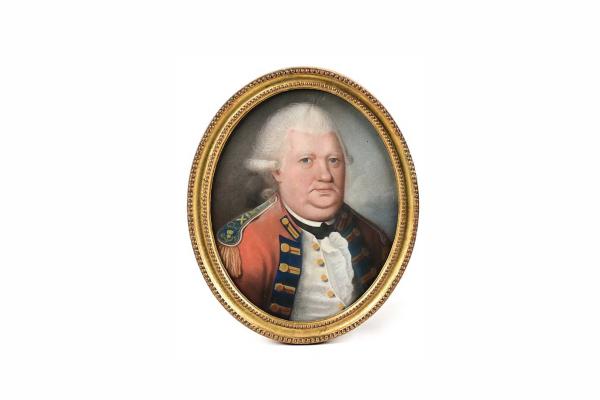
In 1779, after a stalemate in the north, Cornwallis went south as second in command to Sir Henry Clinton. Clinton captured Charleston in May 1780. Cornwallis pressed on to defeat General Horatio Gates at Camden, South Carolina, on August 16, 1780.

Biography

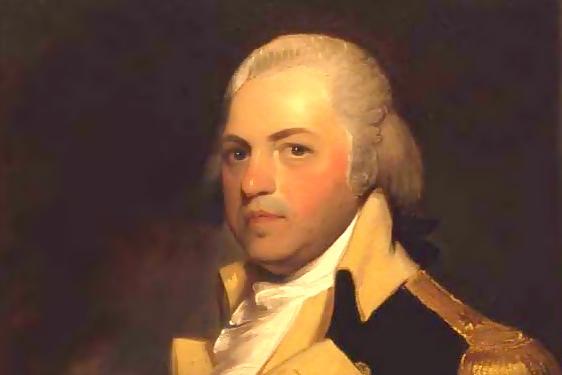
Henry "Light-Horse Harry" Lee was a distinguished cavalry commander during the American Revolution, known for leading "Lee's Legion" and his daring raids in the Southern Campaigns.

Biography

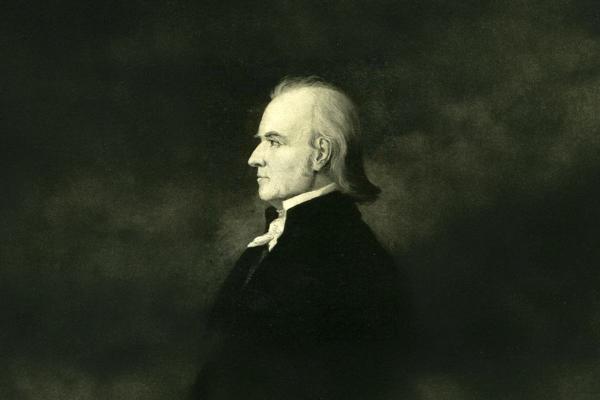
Son of prominent leader John Baptista Ashe, John Ashe emerged as a leading Patriot in North Carolina, turning from crown loyalist to Revolutionary commander after colonial unrest and rising to brigadier general by 1776. Though defeated at Brier Creek and later captured when British forces overran Wilmington, Ashe died a prisoner of war in 1781 after contracting smallpox.

Biography

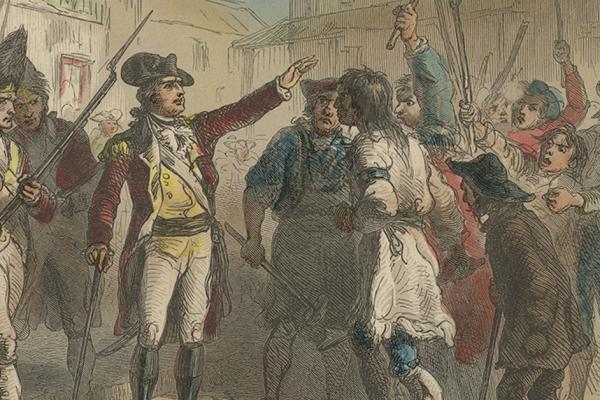
James Moore rose from a respected militia officer to a key Revolutionary leader, helping organize North Carolina’s resistance and contributing to the American victory at Battle of Moores Creek Bridge. Promoted to brigadier general, he died in 1777 remembered as one of the state’s most distinguished soldiers of the Revolution.