-
The BlogBiographies
-
Videos

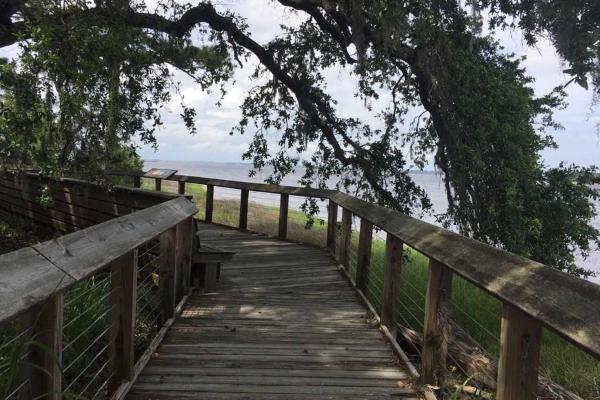
8884 St. Phillips Rd SE
Winnabow, NC 28479
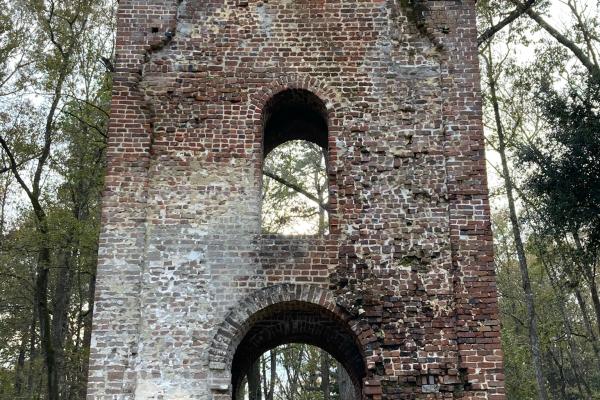
The site of a former colonial port that thrived throughout the mid-18th century, most of the town was reportedly burned down by the British in 1776
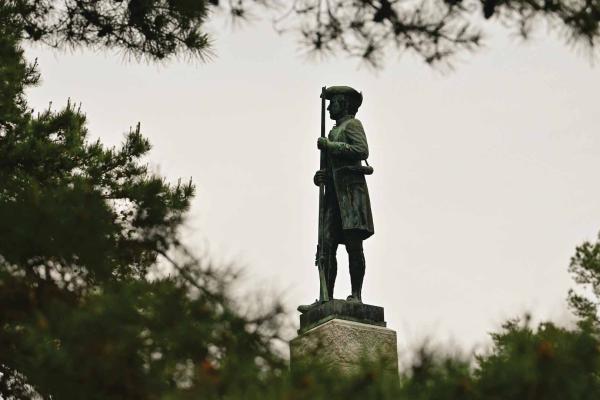
5803 NC-62
Burlington, NC 27215
The Battle of Alamance site marks the 1771 clash between royal militia and Regulator rebels, often called the last battle of the colonial period. Visitors can explore monuments and exhibits interpreting this early struggle over authority in the Carolina backcountry.
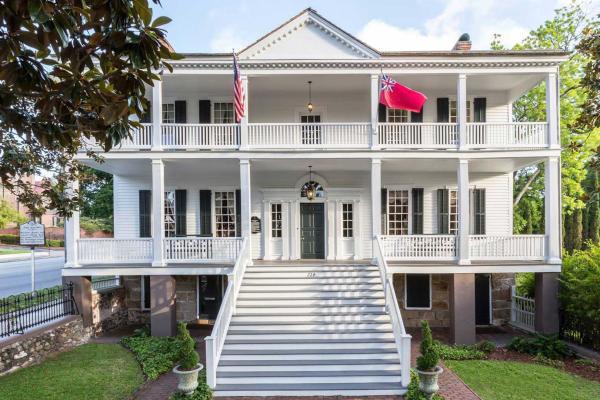
224 Market Street
Wilmington, NC 28401
Home to a Loyalist sympathizer, the Burgwin-Wright House stands as one of the oldest structures in Wilmington. In 1781, the likes of Cornwallis and his officers inhabited the home for a brief period.
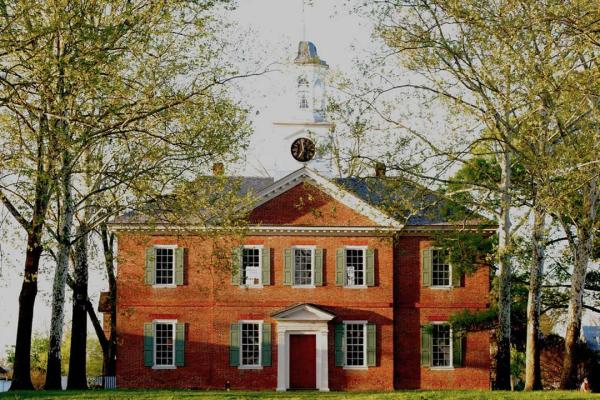
117 E King St, Edenton, NC 27932
Edenton, NC 27932
Built in 1767, the Chowan County Courthouse is one of the oldest operating courthouses in the country and still serves the North Carolina Supreme Court to this day.
13525 NC-73
Huntersville, NC 28078
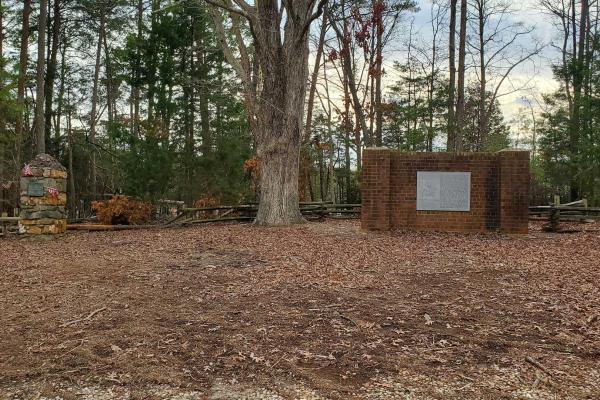
In an attempt to stall Cornwallis force, a contingent of Patriots initiated a delaying action which led to the death of General William Davidson
1792 Fort Defiance Dr
Lenoir, NC 28645
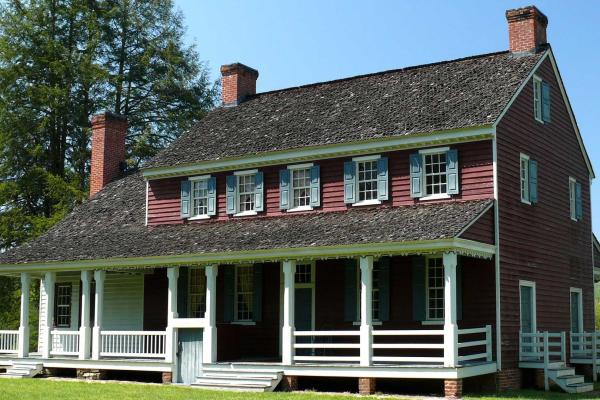
Built in 1792 by Revolutionary War officer William Lenoir, Fort Defiance preserves the homestead that rose near the site of an earlier frontier fort and reflects the legacy of one family for nearly two centuries.
370 West Pittsylvania Street
Halifax, NC 27839
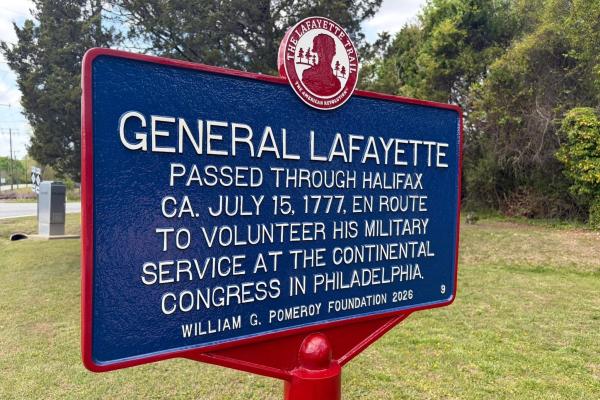
General Lafayette Marker, Halifax, NC
The Lafayette TrailIn April 1777, Lafayette sailed on the Victoire, a ship he built with his own funds, to North America to serve as a military leader in the American Revolution, despite a royal decree prohibiting French officers from serving. Shortly after his arrival, the Continental Congress commissioned him as a major general serving under George Washington. In June of 1777, the 19-year-old Lafayette landed on American soil near Georgetown, South Carolina. He then made his way north towards Philadelphia.
On July 18th, 1777, Major J. B. Ashe sent a letter to North Carolina Governor Richard Caswell reporting on the state of affairs at Halifax, where a military camp had been established. He included in his letter that “one of the Royal Bloods of France, (the Marquis de Lafayette) recommended by Mr. Franklin, passed this a few days since, on his way to the Grand Army.” It is estimated that Lafayette passed through Halifax a few days preceding the 18th.
Learn about Revolutionary War Combat Strategy. Watch the Revolutionary War Animated Map. For a summary, read An Overview of the American Revolution.
2356 US-17
South Mills, NC 27976
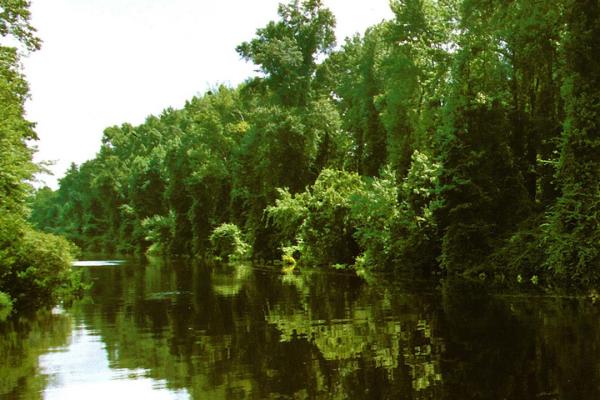
Located just south of the Chesapeake Bay, this "uninhabitable" Great Dismal Swamp was home to thousands of Native Americans and Maroons--self-emancipated slaves--throughout the 18th and 19th centuries.
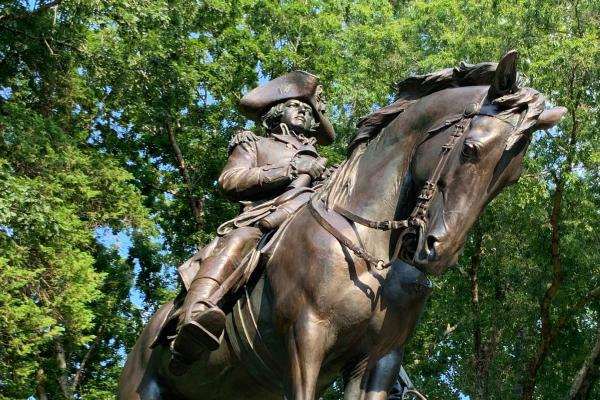
2332 New Garden Road
Greensboro, NC 27410
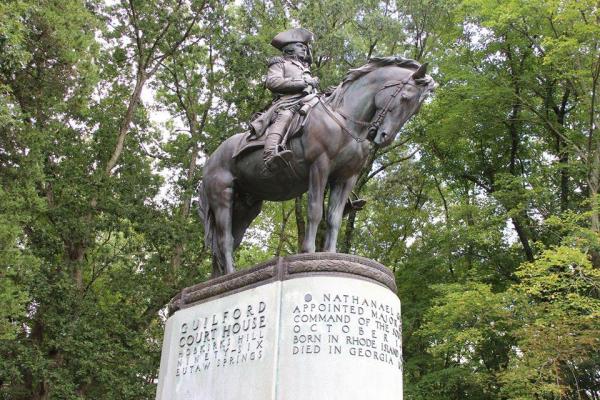
One of the final battles of the Southern Campaign, the Battle of Guilford Courthouse cemented the British path to final defeat at the Battle of Yorktown.
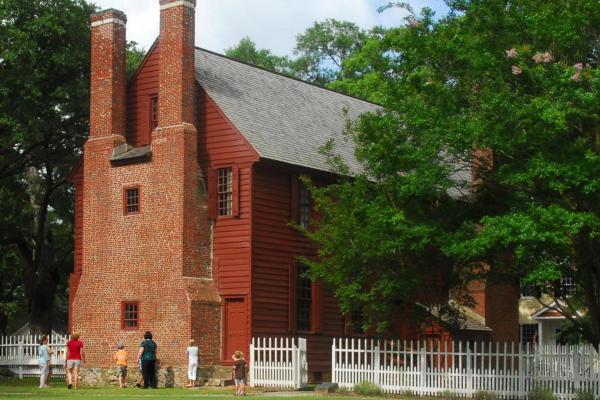
100 Harding Street
Bath, NC 27808
North Carolina's first official town and port of entry, Bath served as an early hub of trade and development during the Colonial period.
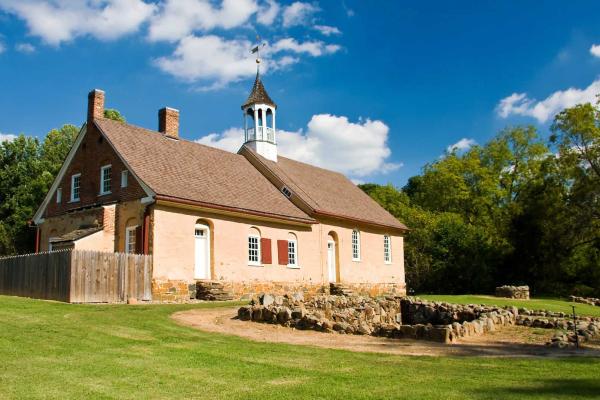
2147 Bethabara Road
Winston-Salem, NC 27106
Once a thriving commercial hub, Bethabara was home to a Moravian settlement in Winston-Salem that witnessed the French and Indian War, the Regulator War, and the American Revolution.
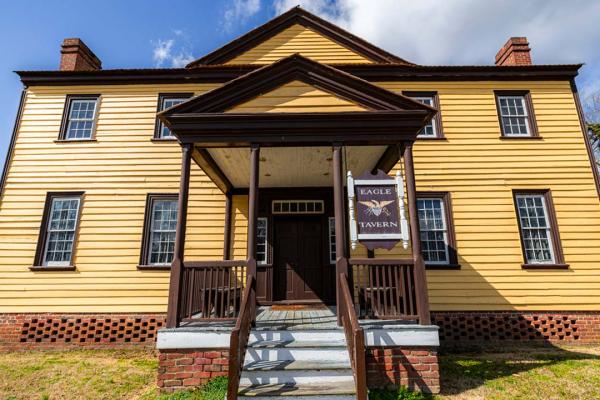
25 St David St
Halifax, NC 27839
Explore colonial Halifax at a preserved Revolutionary-era town where historic homes, public spaces, and hands-on exhibits reveal how North Carolinians lived, worked, and governed in the 1700s. From influential leaders’ residences to springs, markets, and river landings, the site brings everyday life in a pivotal American community into sharp focus.
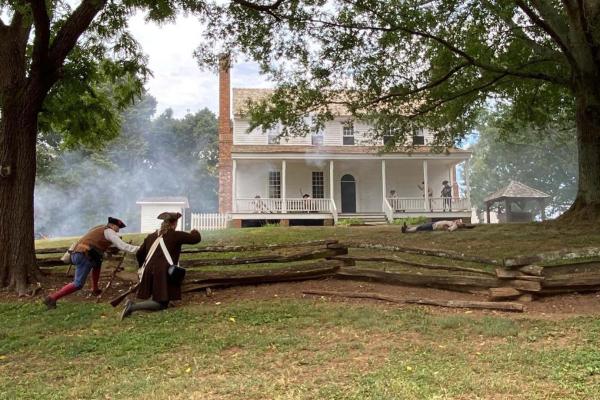
288 Alston House Road
Sanford, NC 27330
Also known as the Alston House, the House in the Horseshoe served as a Patriot outpost where a four hour skirmish took place on July 29, 1781.
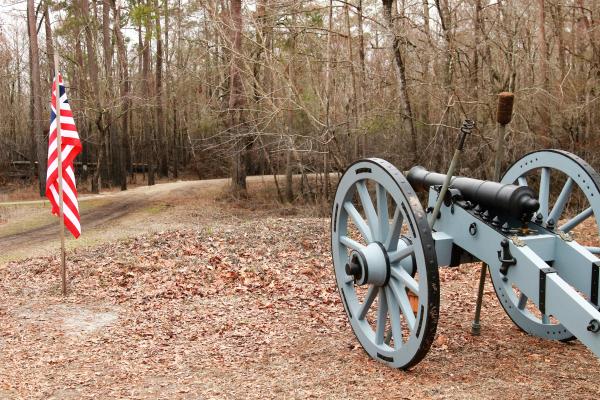
40 Patriots Hall Drive
Currie, NC 28435
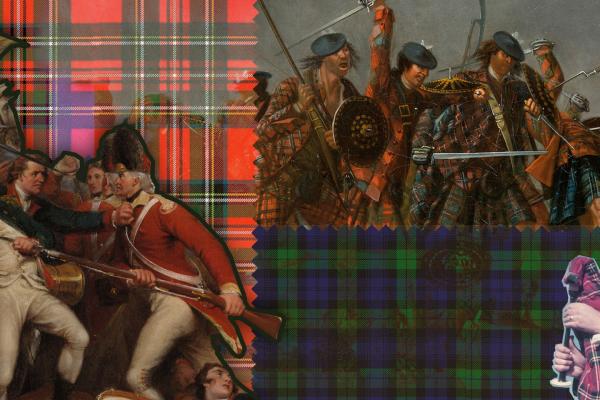
Now the site of one of the last Scottish broadsword charges in history, nearly 1,000 North Carolina Patriots faced off against well-trained Highlanders in the first significant victory for the Patriots in the Revolution
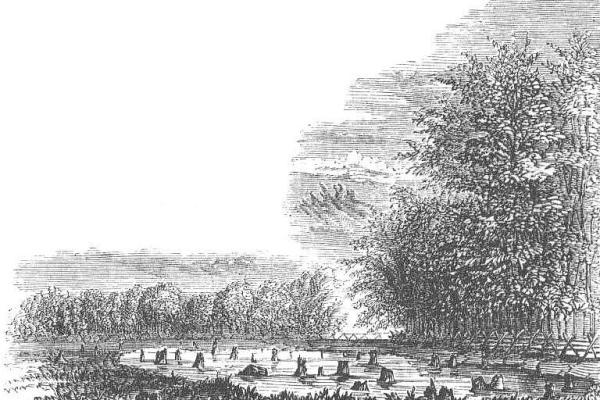
Old Trail Road
Burlington, NC 27215
Patriot forces under Andrew Pickens and "Light Horse Harry" successfully rout British forces in Alamance County following Cornwallis' failed attempt to catch Nathanael Greene during the "Race to the Dan"
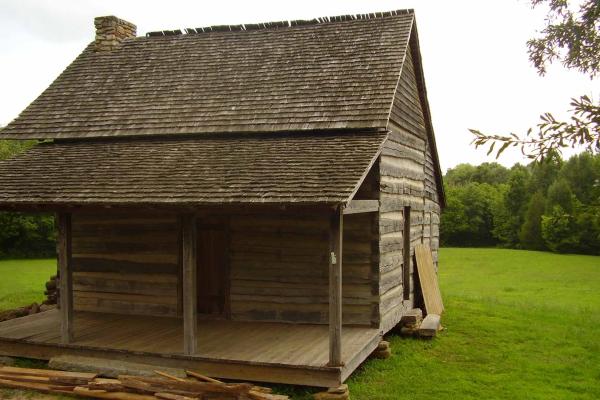
402 Jeb Seagle Drive
Lincolnton, NC 28082
Located an hour away from Charlotte, the Ramsour's Mill battleground marks the site of the first Patriot victory in the south following the fall of Charleston.
529 S Front Street
New Bern, NC 28562
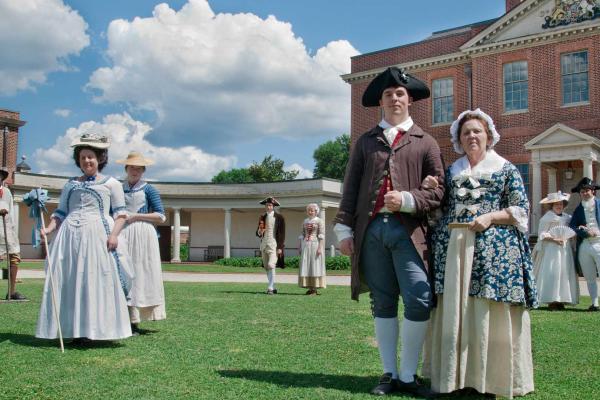
Originally destroyed by a fire in 1798, this faithful reconstruction stands on the former site of the Palace and offers an 18th century interpretive experience.
Patriot forces under Andrew Pickens and "Light Horse Harry" successfully rout British forces in Alamance County following Cornwallis' failed attempt to catch Nathanael Greene during the "Race to the Dan"
Originally destroyed by a fire in 1798, this faithful reconstruction stands on the former site of the Palace and offers an 18th century interpretive experience.
The site of a former colonial port that thrived throughout the mid-18th century, most of the town was reportedly burned down by the British in 1776
Explore colonial Halifax at a preserved Revolutionary-era town where historic homes, public spaces, and hands-on exhibits reveal how North Carolinians lived, worked, and governed in the 1700s. From influential leaders’ residences to springs, markets, and river landings, the site brings everyday life in a pivotal American community into sharp focus.
In an attempt to stall Cornwallis force, a contingent of Patriots initiated a delaying action which led to the death of General William Davidson
Located an hour away from Charlotte, the Ramsour's Mill battleground marks the site of the first Patriot victory in the south following the fall of Charleston.
One of the final battles of the Southern Campaign, the Battle of Guilford Courthouse cemented the British path to final defeat at the Battle of Yorktown.
The Battle of Alamance site marks the 1771 clash between royal militia and Regulator rebels, often called the last battle of the colonial period. Visitors can explore monuments and exhibits interpreting this early struggle over authority in the Carolina backcountry.
Located just south of the Chesapeake Bay, this "uninhabitable" Great Dismal Swamp was home to thousands of Native Americans and Maroons--self-emancipated slaves--throughout the 18th and 19th centuries.
Also known as the Alston House, the House in the Horseshoe served as a Patriot outpost where a four hour skirmish took place on July 29, 1781.
Home to a Loyalist sympathizer, the Burgwin-Wright House stands as one of the oldest structures in Wilmington. In 1781, the likes of Cornwallis and his officers inhabited the home for a brief period.