-
The BlogBiographies
-
Videos

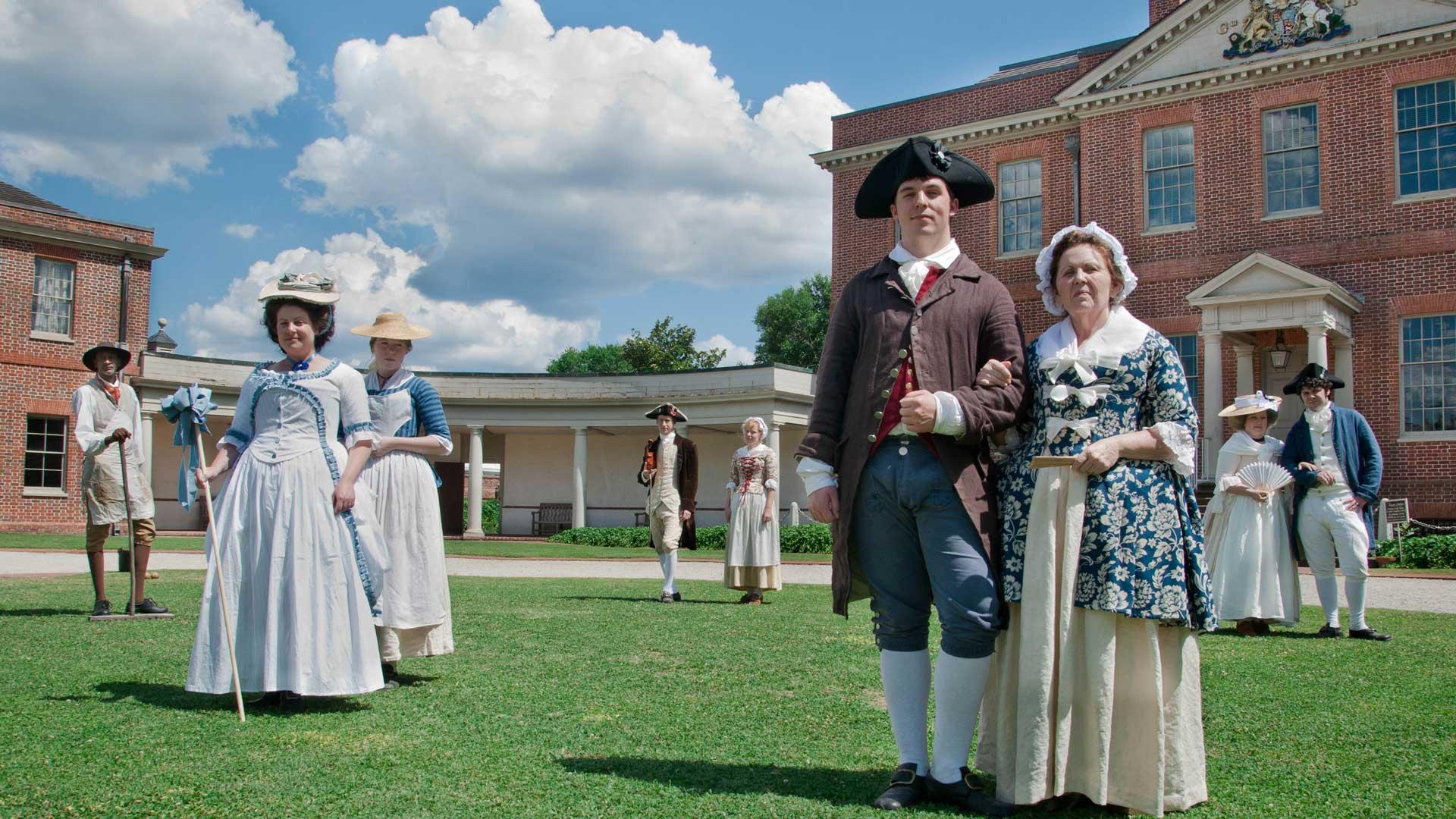
Originally destroyed by a fire in 1798, this faithful reconstruction stands on the former site of the Palace and offers an 18th century interpretive experience.

Built between 1767 and 1770, Tryon Palace served as the first permanent capitol of the Colony of North Carolina and the residence of its royal governors. Designed by English architect John Hawks in the fashionable Georgian style, the symmetrical palace was considered one of the finest public buildings in the American colonies. Governor William Tryon and his family lived there briefly before his appointment to New York, and his successor, Governor Josiah Martin, fled the Palace in 1775 as the American Revolution began. Patriots soon claimed the building as their capitol, where the first sessions of the General Assembly met to shape a free and independent state. Four state governors would later use the Palace, and in 1791 it hosted a dinner and dancing assembly in honor of President George Washington during his Southern Tour.
After the state capital moved to Raleigh in 1794, the Palace served various community functions until a devastating fire in 1798 destroyed the main building, leaving only the Stable Office intact. Over time, the original foundations were buried beneath streets and new construction. In the mid-twentieth century, a determined preservation movement—supported by a dedicated trust and formal state backing—undertook the careful reconstruction of the Palace on its original foundation using John Hawks’ surviving architectural plans. Opened to the public in 1959 as North Carolina’s first major public history project, Tryon Palace today features period furnishings guided by original inventories and offers tours led by costumed interpreters, preserving the story of royal authority, revolutionary change, and historic restoration in New Bern.
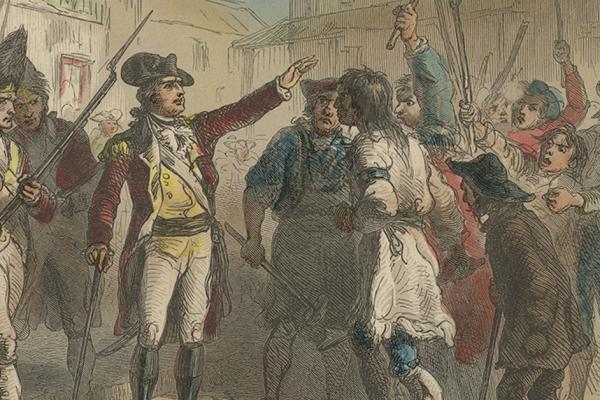
William Tryon rose through family connections and military service to become one of Britain’s most powerful—and polarizing—colonial governors. Though an efficient administrator loyal to the Crown, he was remembered in America as a tyrant whose taxes, executions, and brutality left a deeply bitter legacy.
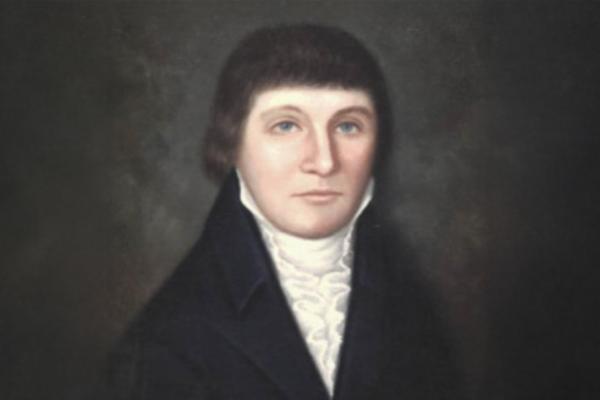
Once a lawyer and surveyor who fought for the royal governor at Alamance, Richard Caswell reinvented himself as a leading Patriot of the American Revolution. After commanding the decisive victory at Moore’s Creek Bridge, he rose to govern North Carolina and later served again despite suffering defeat with Gates’s army at Camden.
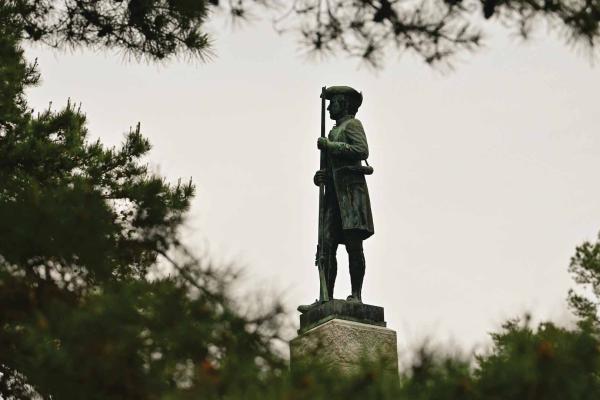
The Battle of Alamance site marks the 1771 clash between royal militia and Regulator rebels, often called the last battle of the colonial period. Visitors can explore monuments and exhibits interpreting this early struggle over authority in the Carolina backcountry.