-
The BlogBiographies
-
Videos

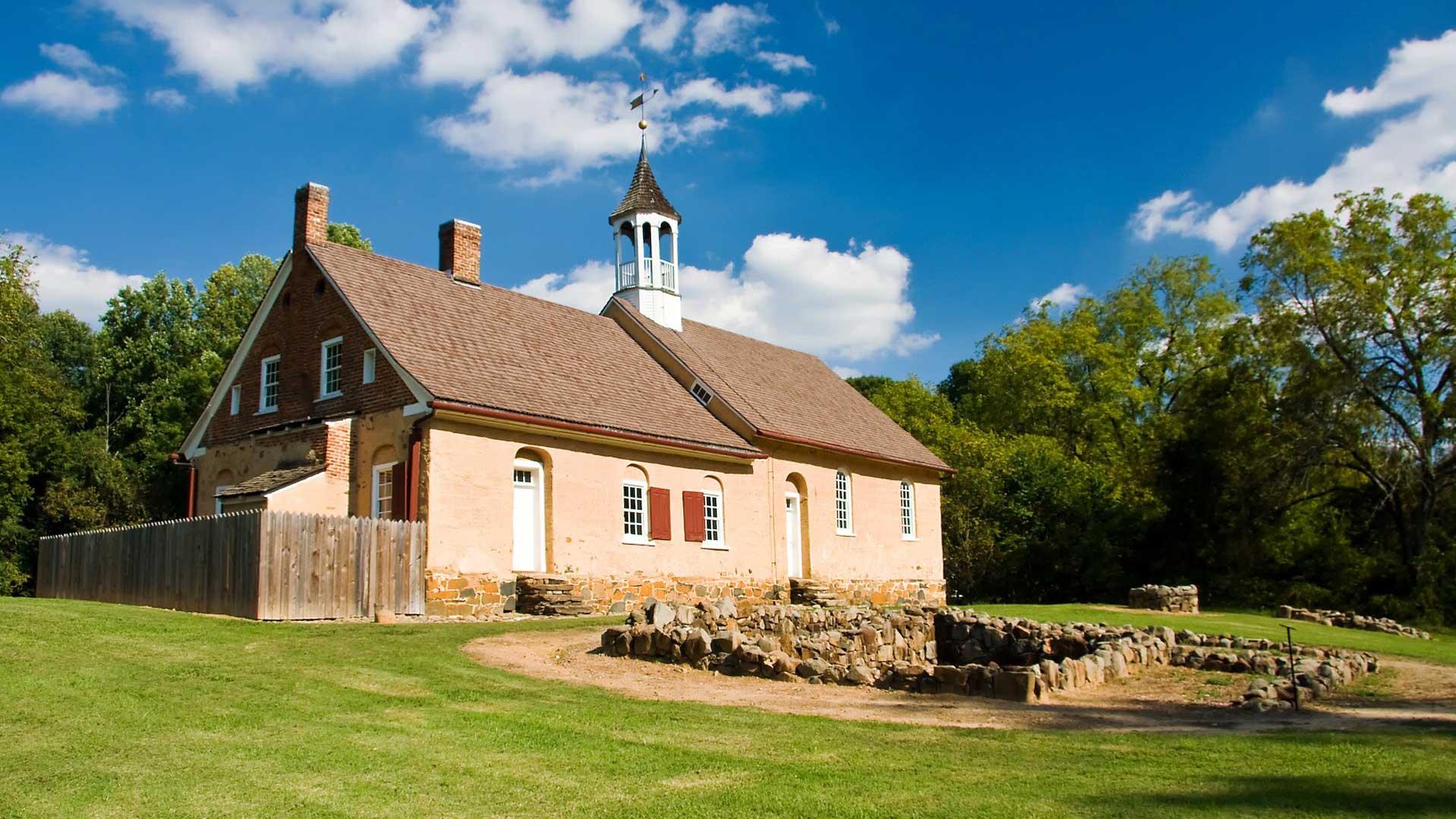
Once a thriving commercial hub, Bethabara was home to a Moravian settlement in Winston-Salem that witnessed the French and Indian War, the Regulator War, and the American Revolution.

In 1753, a small band of Moravian settlers carved a new beginning out of North Carolina’s Piedmont, establishing Bethabara on the vast Wachovia tract purchased by their church. What began as a temporary settlement soon took on greater importance when construction of the planned town of Salem stalled, turning Bethabara into a lively center of trade and community life. From this backcountry outpost, residents experienced the upheavals of the French & Indian War, the Regulator Movement, and the American Revolution—carefully documenting both extraordinary events and the details of everyday living. As Salem rose to prominence, Bethabara’s purpose evolved, and by the nineteenth century it had become a quieter rural community.
Today, Historic Bethabara Park preserves this layered story across its landscape. Visitors can trace the outlines of early structures, step inside surviving buildings, and wander trails that wind through the same ground the Moravians once cultivated and defended. A reconstructed 1761 medicinal garden highlights the practical knowledge that sustained the settlement. Through guided tours or self-guided exploration, the site offers a direct connection to one of North Carolina’s earliest and most carefully recorded frontier communities.
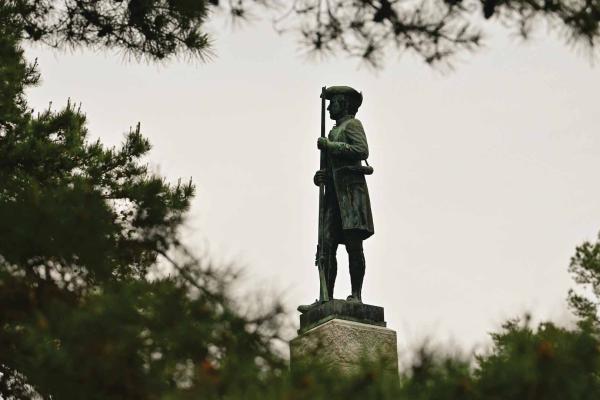
The Battle of Alamance site marks the 1771 clash between royal militia and Regulator rebels, often called the last battle of the colonial period. Visitors can explore monuments and exhibits interpreting this early struggle over authority in the Carolina backcountry.
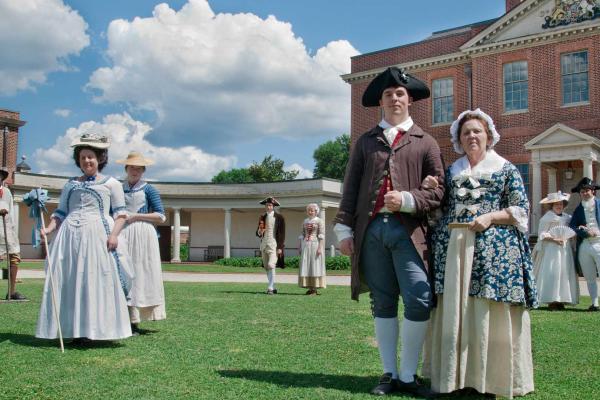
Originally destroyed by a fire in 1798, this faithful reconstruction stands on the former site of the Palace and offers an 18th century interpretive experience.