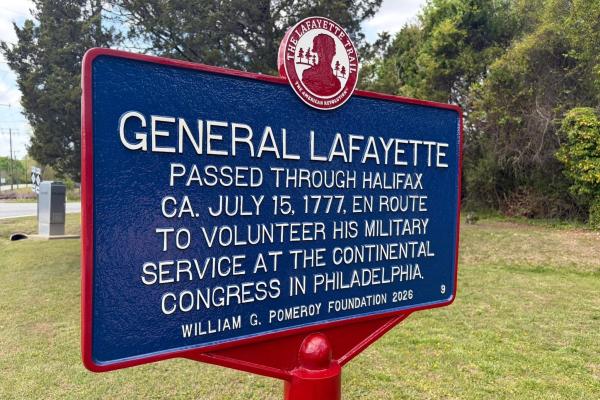
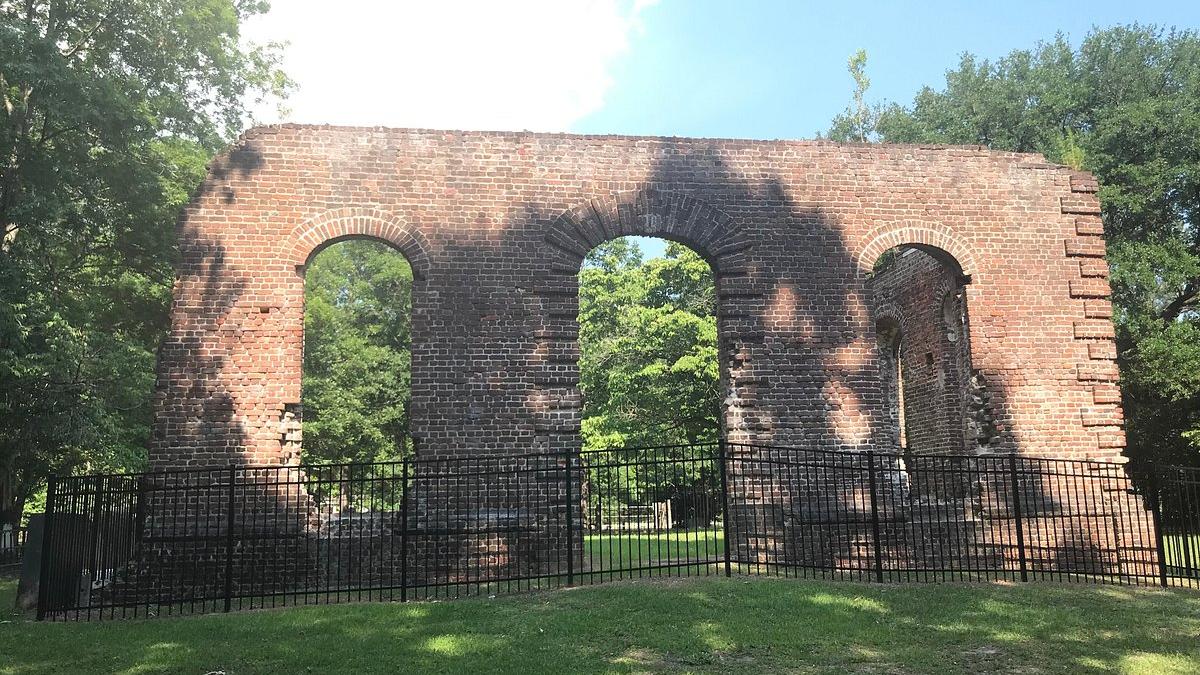
The site of a former colonial port that thrived throughout the mid-18th century, most of the town was reportedly burned down by the British in 1776
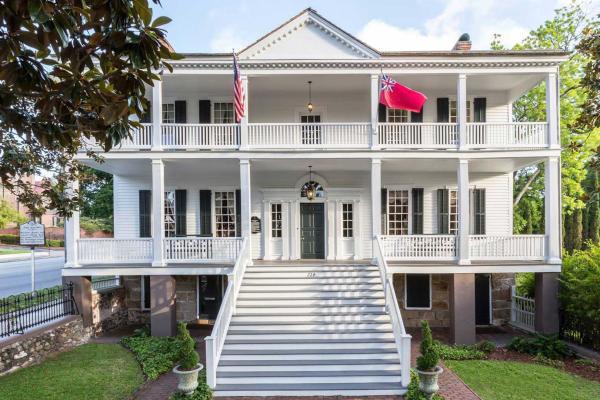
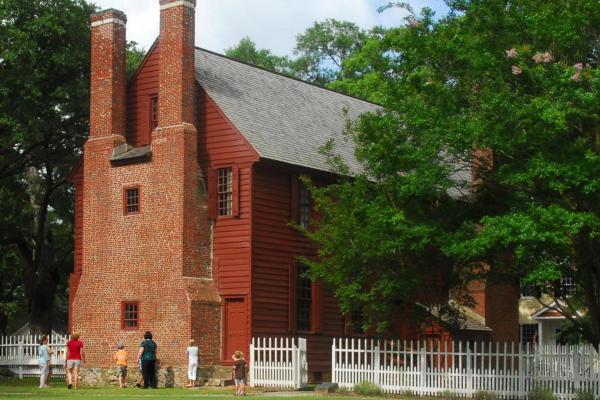
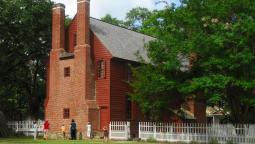
Home to a Loyalist sympathizer, the Burgwin-Wright House stands as one of the oldest structures in Wilmington. In 1781, the likes of Cornwallis and...
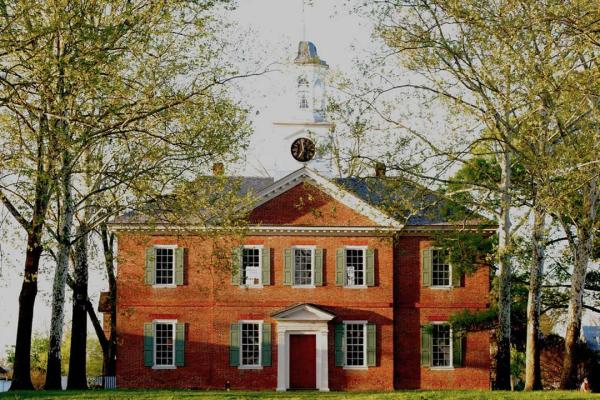
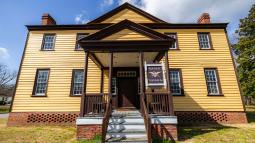
Built in 1767, the Chowan County Courthouse is one of the oldest operating courthouses in the country and still serves the North Carolina Supreme...
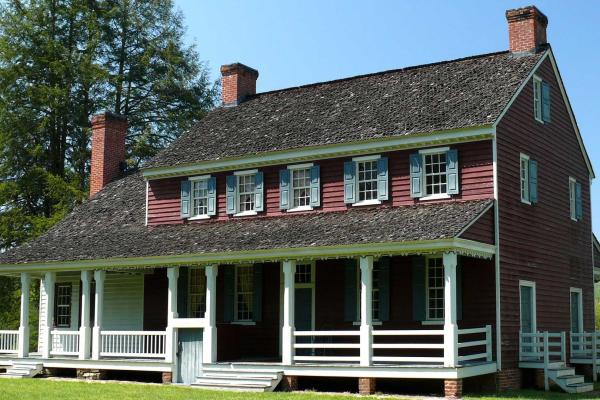
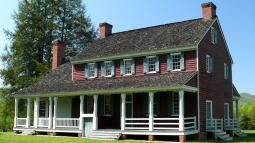
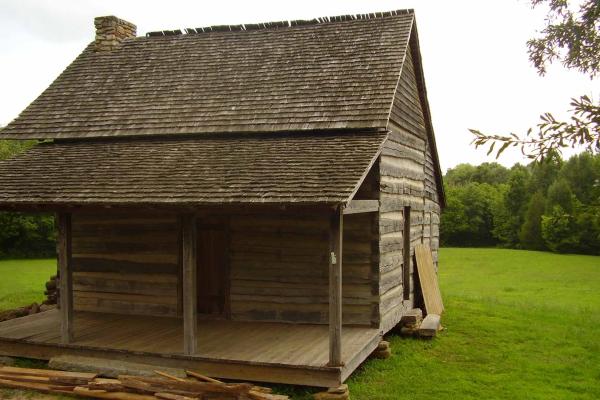
Built in 1792 by Revolutionary War officer William Lenoir, Fort Defiance preserves the homestead that rose near the site of an earlier frontier fort...
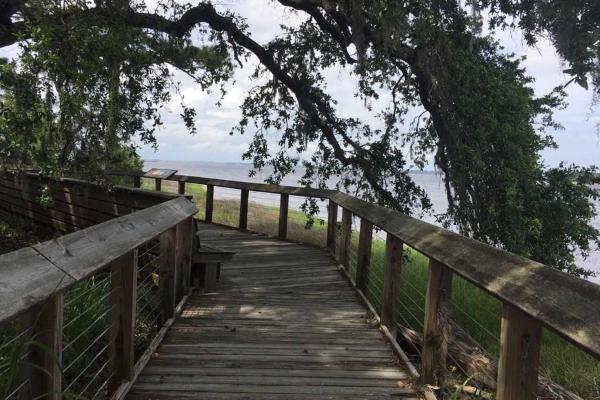
North Carolina's first official town and port of entry, Bath served as an early hub of trade and development during the Colonial period.
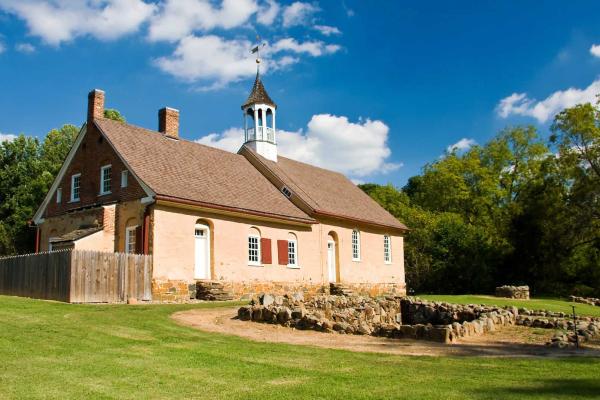
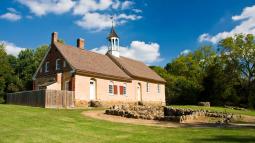
Once a thriving commercial hub, Bethabara was home to a Moravian settlement in Winston-Salem that witnessed the French and Indian War, the Regulator...
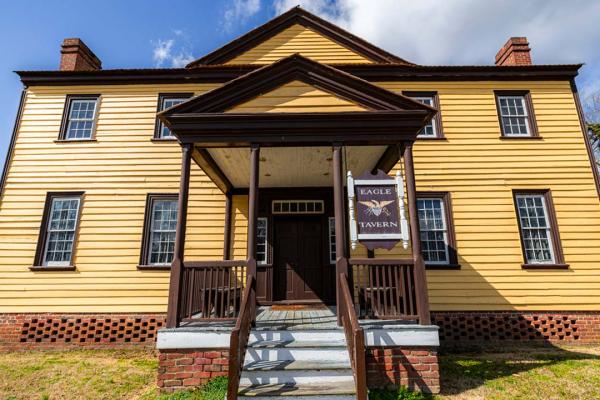
Explore colonial Halifax at a preserved Revolutionary-era town where historic homes, public spaces, and hands-on exhibits reveal how North Carolinians...
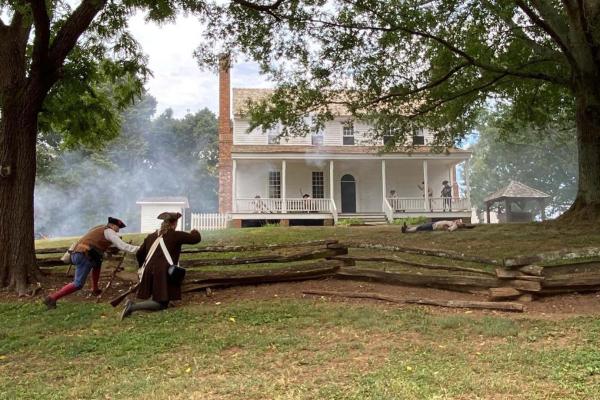
Also known as the Alston House, the House in the Horseshoe served as a Patriot outpost where a four hour skirmish took place on July 29, 1781.
Liberty Trail History Makers
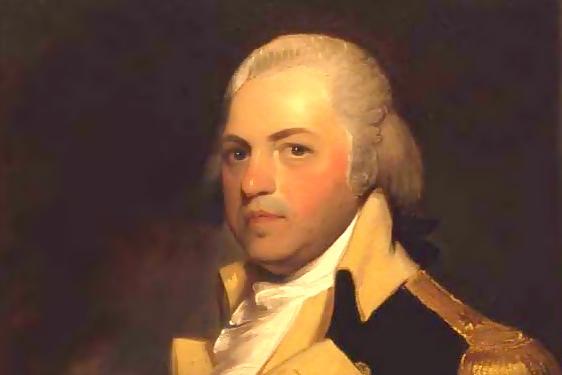
The Revolutionary War was a war unlike any other — one of ideas and ideals, that shaped “the course of human events. Explore the history and personalities from this pivotal time in American history.Once a lawyer and surveyor who fought for the royal governor at Alamance, Richard Caswell reinvented himself as a leading Patriot of the American Revolution. After commanding the decisive victory at Moore’s Creek Bridge, he rose to govern North Carolina and later served again despite suffering defeat with Gates’s army at Camden.
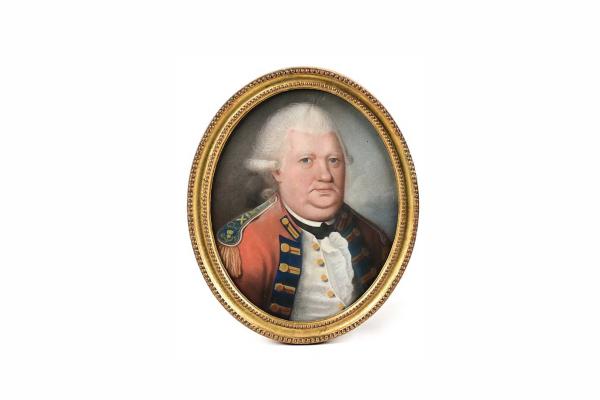
A highly influential militia general from the Upcountry of South Carolina, Pickens waged successful campaigns against Loyalists and their Cherokee allies throughout the state.
Frontier surveyor turned Patriot officer, William Lenoir carried the Revolution into North Carolina’s backcountry—fighting at Kings Mountain, surviving the chaos of Pyle’s Massacre, and emerging from war as one of Wilkes County’s most enduring civic leaders.
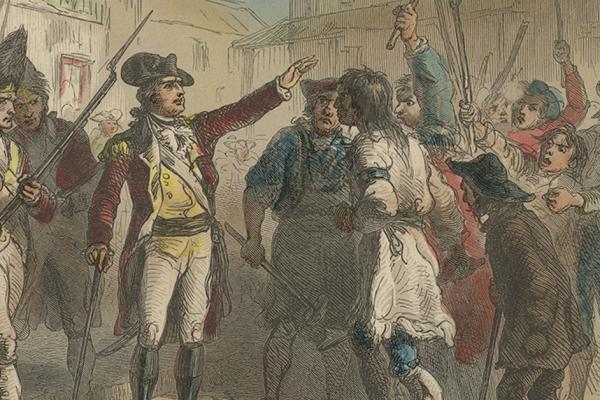
Henry "Light-Horse Harry" Lee was a distinguished cavalry commander during the American Revolution, known for leading "Lee's Legion" and his daring raids in the Southern Campaigns.