-
The BlogBiographies
-
Videos

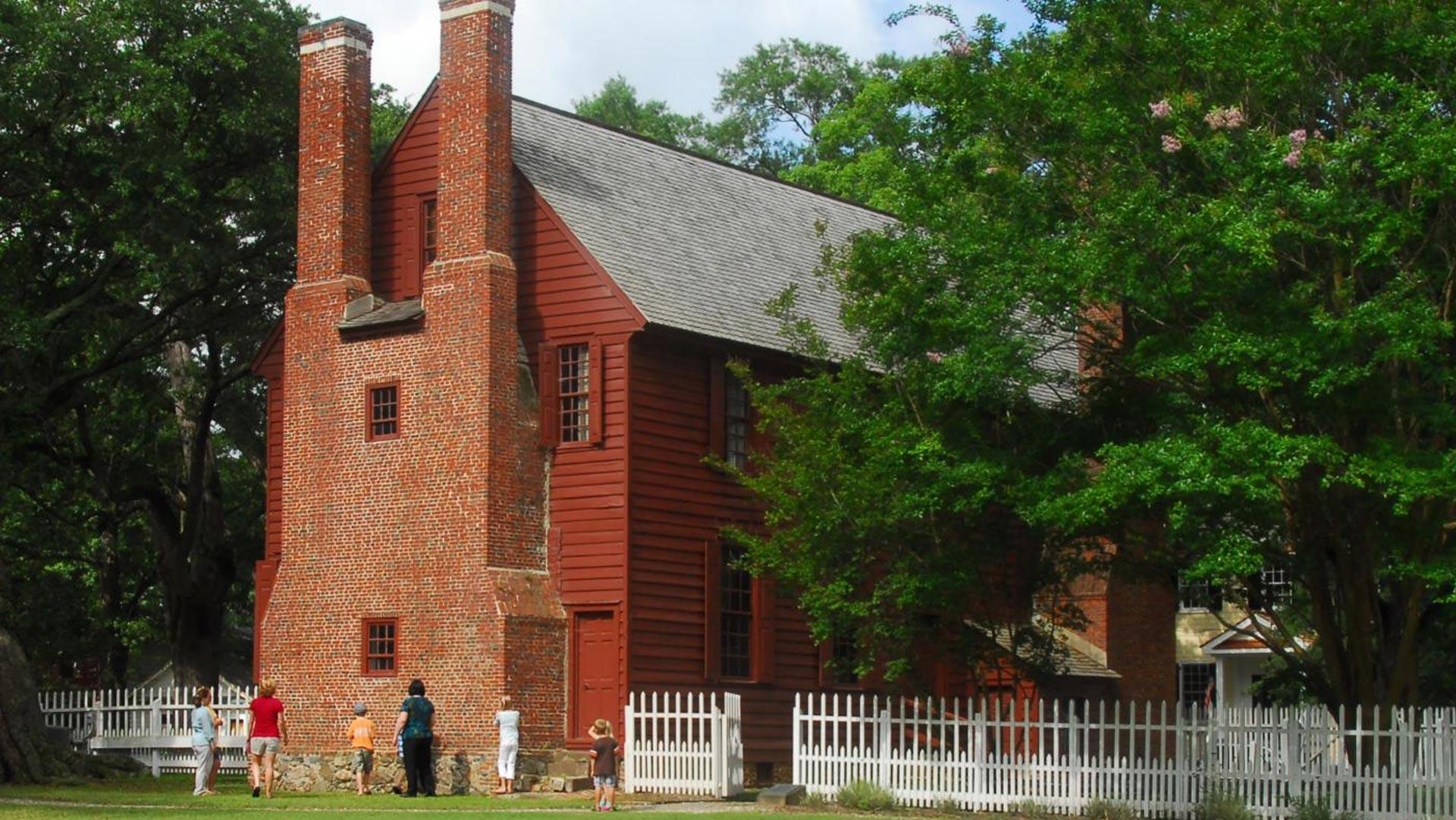
North Carolina's first official town and port of entry, Bath served as an early hub of trade and development during the Colonial period.

Founded in 1705 along the Pamlico River, Bath became North Carolina’s first town and its earliest port of entry, ideally situated with access to Ocracoke Inlet and the Atlantic beyond. Settled initially by French Protestants from Virginia, Bath soon counted among its residents prominent colonial figures such as surveyor John Lawson and Chief Justice Christopher Gale. By 1708 the town consisted of a dozen houses and about fifty residents, supported by trade in naval stores, furs, and tobacco, as well as a grist mill and the colony’s first shipyard. Enslaved people of African descent formed an essential part of the local economy, while women contributed as tavern and ferry keepers. Early Bath weathered political upheaval during Cary’s Rebellion, a yellow fever epidemic, drought, the Tuscarora War, and the presence of piracy—including the infamous Blackbeard, who was killed nearby in 1718.
In the decades that followed, Bath developed into a center of civic and religious life. The General Assembly met here several times, governors made it their home, and St. Thomas Church—begun in 1734 and the oldest existing church in the state—still stands as a testament to that era. The Palmer-Marsh House, built in 1751 and now a National Historic Landmark, remains one of the oldest frame houses in North Carolina. Although the rise of nearby Washington diminished Bath’s political and commercial prominence after 1785, the town endured through maritime trade and plantation life. Today, preserved landmarks within the original town limits reflect Bath’s layered history as a colonial capital contender, Revolutionary-era community, and enduring coastal village.