-
The BlogBiographies
-
Videos

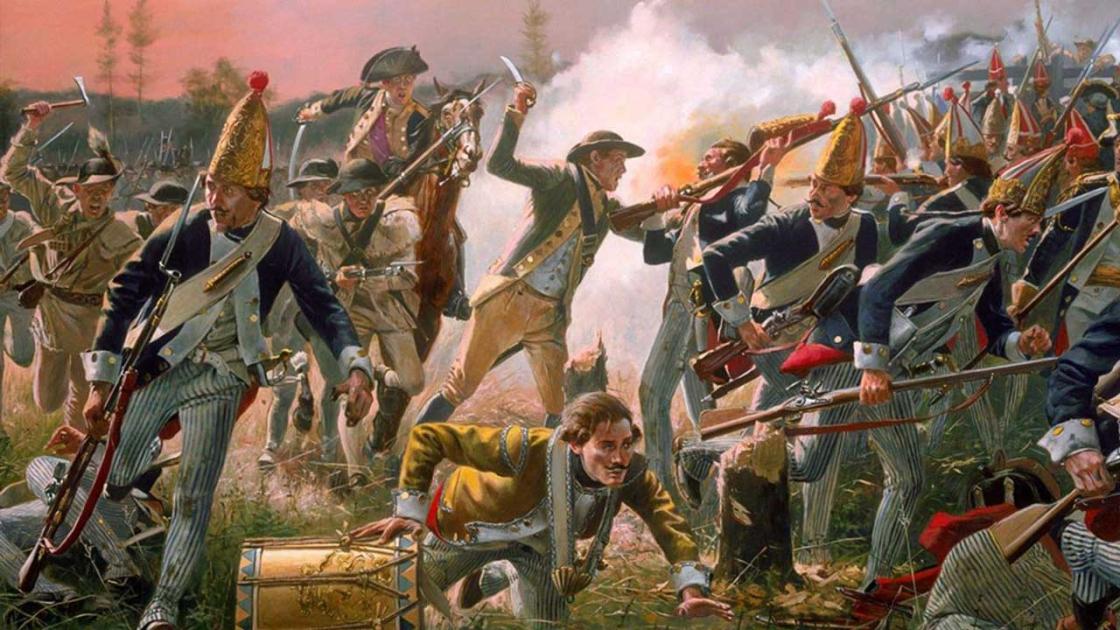
On October 7, 1777, British General John Burgoyne launched a bold reconnaissance in force against the American left at Bemis Heights, hoping to break a weeks-long stalemate and regain the initiative. After heavy losses at Freeman’s Farm and dwindling supplies, Burgoyne sent roughly 1,500 men under General Simon Fraser forward from their fortified lines.
The attack met a determined American response under Horatio Gates. Troops led by Daniel Morgan and Henry Dearborn struck the British flanks while additional brigades pressed the center, combining rifle fire and bayonet tactics to devastating effect. As the battle intensified, Benedict Arnold rode onto the field, rallying the Continentals as British lines began to falter and collapse.
By late afternoon, American forces had driven the British back and captured key positions, including the Breymann Redoubt. With his army shattered and exposed, Burgoyne retreated north, setting in motion the chain of events that would lead to his surrender at Saratoga just ten days later—a decisive turning point in the American Revolution.
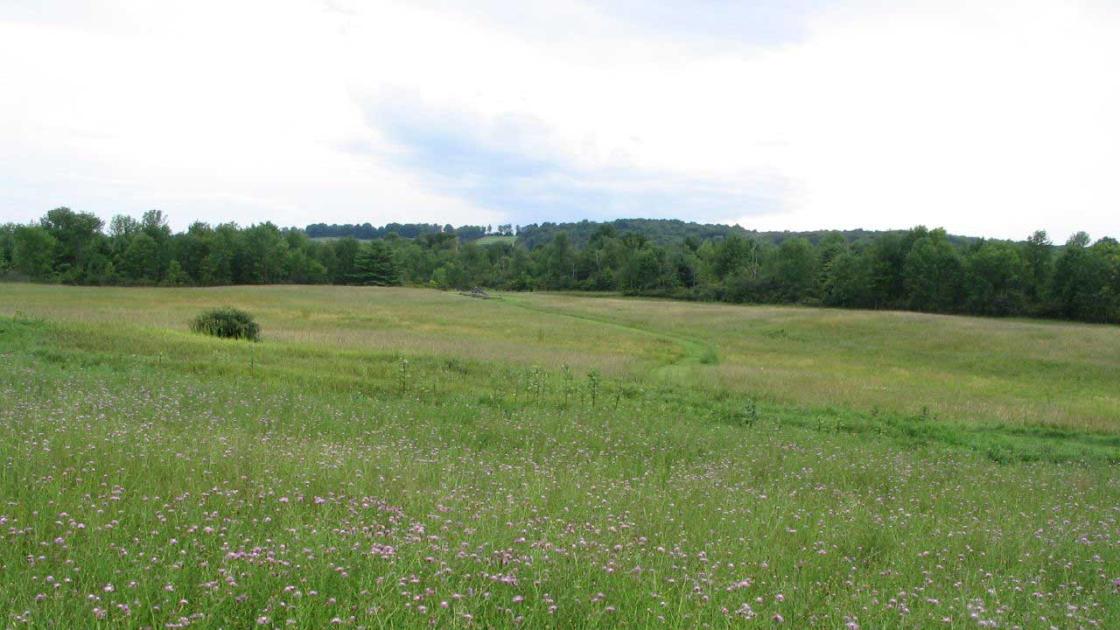
In the weeks that followed the battle on September 19, both armies fortified their positions. The British built a line of redoubts in a long arc from Great Ravine to Freeman’s Farm. By October 7, Burgoyne was ready to try to break the American roadblock once more. He ordered a reconnaissance-in-force meant to gather food and probe the enemy line. The fighting on October 7 erupted in the Barber Wheatfield when the British right wing under Brigadier General Simon Fraser collided with American troops ordered forward from Bemis Heights by Major General Gates. The combat here was sharp and deadly, and amidst the maelstrom, Brig. Gen. Simon Fraser was mortally wounded. With the loss of Fraser’s leadership, and immense pressure building on the right flank, the British line ultimately collapsed.
A British soldier fired this musket ball during the Battle of Bemus Heights that began in the Barber Wheatfield, on October 7th, 1777. This musket ball struck and wrapped itself around what appears to be a small hard piece of metal.
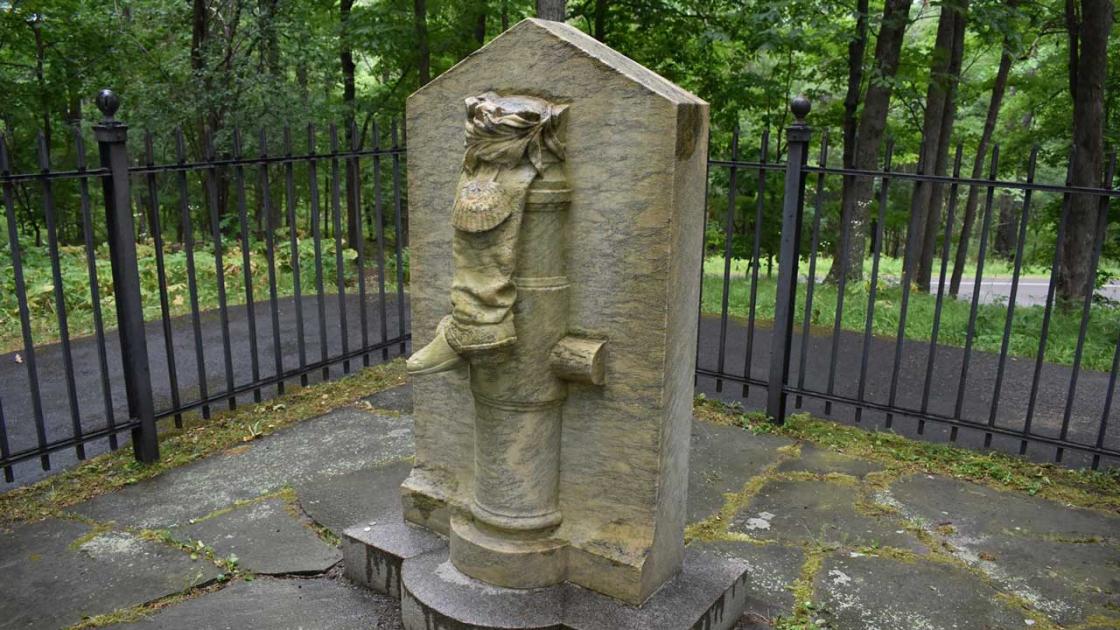
Major General Benedict Arnold was considered one of the best fighting generals in the Continental Army. He was bold, fearless, and unrelenting. Moving his off Bemis Heights and observing the action, he galloped forward, personally leading the American attacks against the Balcarres and Breymann Redoubts. Riding around the rear of the latter, Arnold was hit in the leg by an enemy ball and pinned underneath his horse. He continued to urge the men on as they swept victoriously over the enemy position. Sent to a military hospital in Albany, he was not present at Burgoyne’s surrender. The famous boot monument was dedicated in 1887 to the “most brilliant soldier in the Continental Army.”
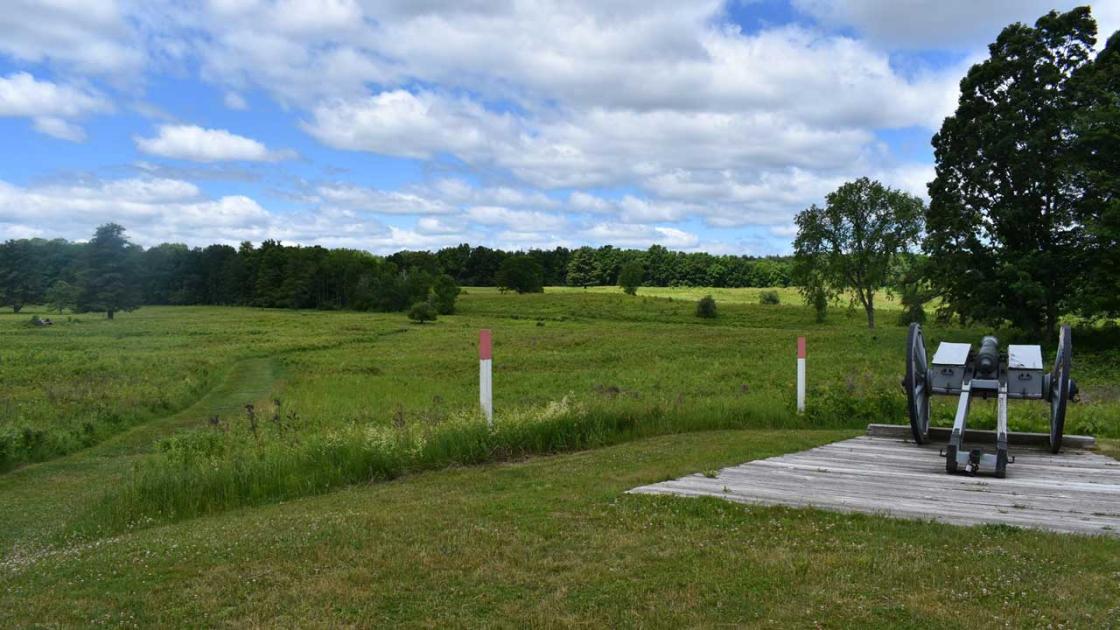
After intense fighting in the Barber Wheatfield, the British line was flanked. Hundreds of Burgoyne’s men were driven east in the direction of the Breymann and Balcarres Redoubts. The American’s pursued their foe, the Balcarres Redoubt held against the attacks, but the climactic action of the Battle of Bemis Heights occurred here at the Breymann Redoubt when American infantry overran this German-held position. The collapse of the line forced Burgoyne to pull his command back to the Great Redoubt along the Hudson River. The Northern Army had struck a devastating blow.
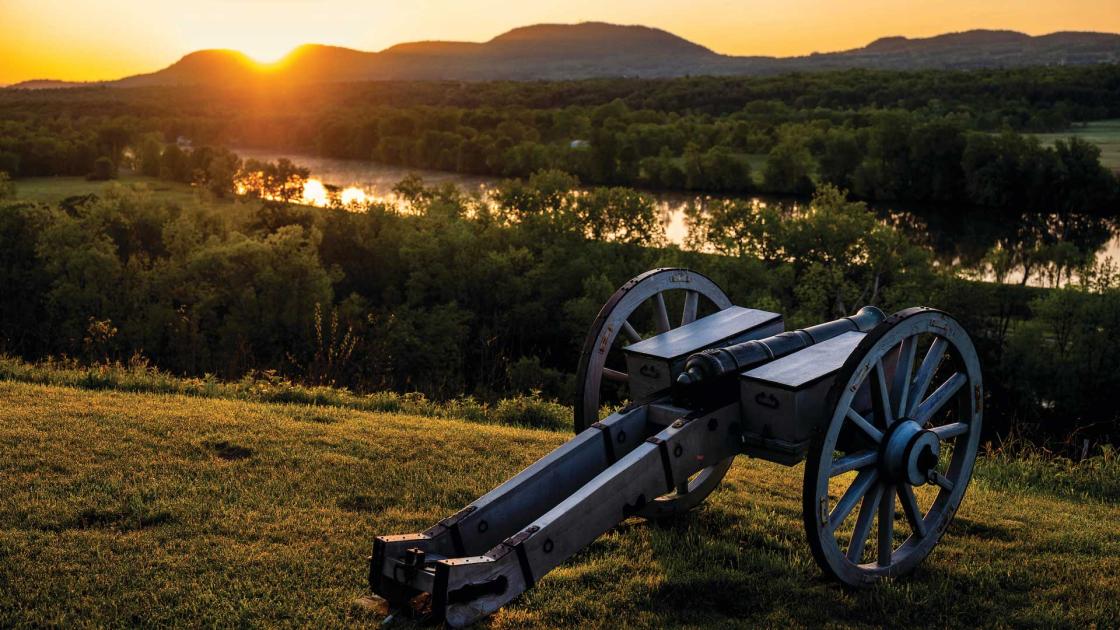
Burgoyne pulled what was left of his army back here along the Hudson River following the fighting on October 7th. The next day, under cover of darkness, he retreated from the battlefield leaving behind 400 sick and wounded men. He moved his army seven miles north to Saratoga (Schuylerville), where it entrenched once more. Nearby were located the British artillery park, main hospital, and supply depot.
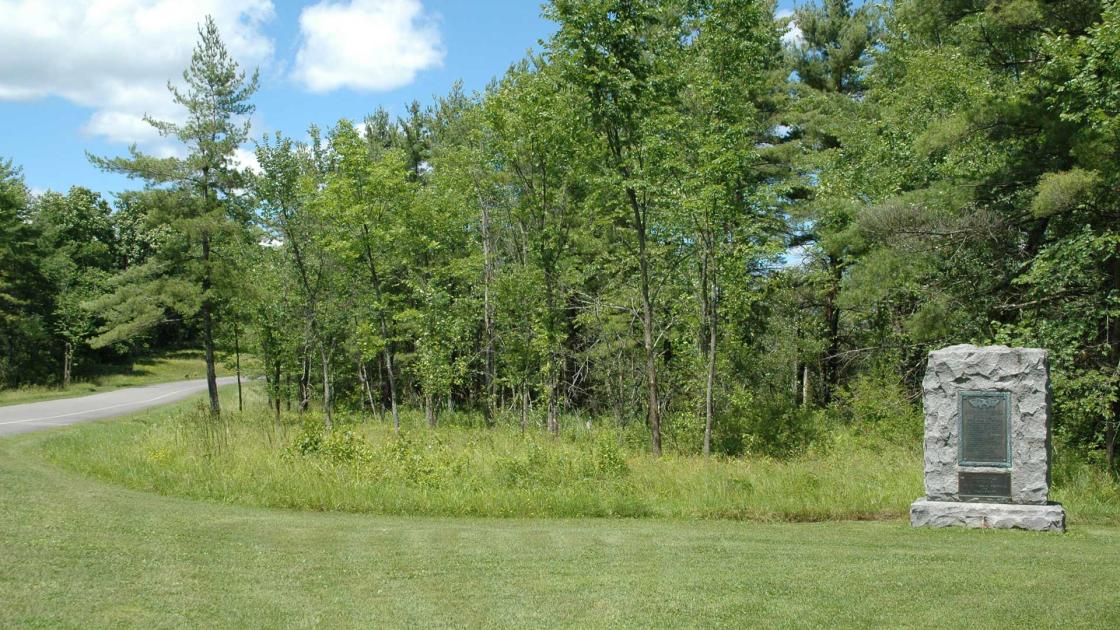
This monument was originally dedicated in 1913 and rededicated in 1976. Timothy Murphy was a member of the Pennsylvania Riflemen commanded at Saratoga by Colonel Daniel Morgan. Traditionally, he had been credited with firing the shot on October 7 that mortally wounded British Brigadier General Simon Fraser in the Barber Wheatfield. This story is most likely fabricated. The monument is also dedicated to the “heroic deeds of hundreds of other soldiers of Irish blood who laid down their lives on this bloody field that the United States might be triumphant.”This monument was originally dedicated in 1913 and rededicated in 1976. Timothy Murphy was a member of the Pennsylvania Riflemen commanded at Saratoga by Colonel Daniel Morgan. Traditionally, he had been credited with firing the shot on October 7 that mortally wounded British Brigadier General Simon Fraser in the Barber Wheatfield. This story is most likely fabricated. The monument is also dedicated to the “heroic deeds of hundreds of other soldiers of Irish blood who laid down their lives on this bloody field that the United States might be triumphant.”
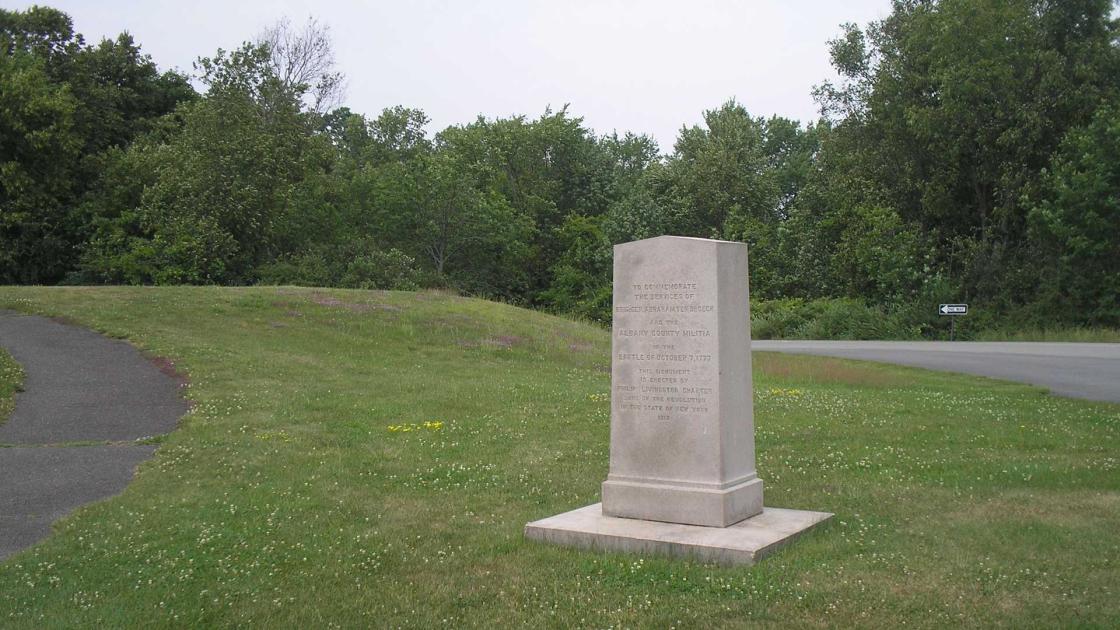
Located at the Barber Wheatfield, this monument commemorates the service of Brigadier . Abraham Ten Broeck and the Albany County Militia on October 7, 1777. Ten Broeck’s men supported Brigadier General Ebenezer Learned’s brigade and assisted in driving the British back to their redoubts.
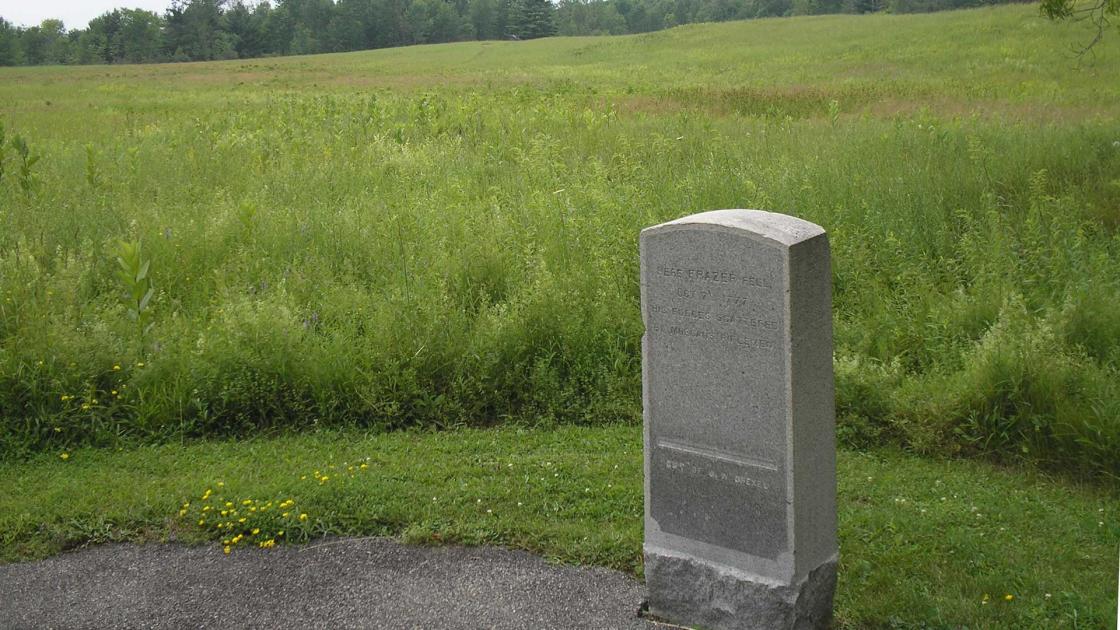
Erected in 1883, the marker denotes the approximate spot where Brigadier General Simon Fraser was mortally wounded in the Barber Wheatfield. Fraser died the next morning and was reportedly "...buried at six o'clock in the evening, on a hill, which was a sort of redoubt.” The redoubt mentioned by Major General Friedrich Riedesel’s wife, Baroness Riedesel, was the Great Redoubt along the Hudson River. Fraser’s death led to a breakdown in the British ranks that perpetuated their collapse on October 7.
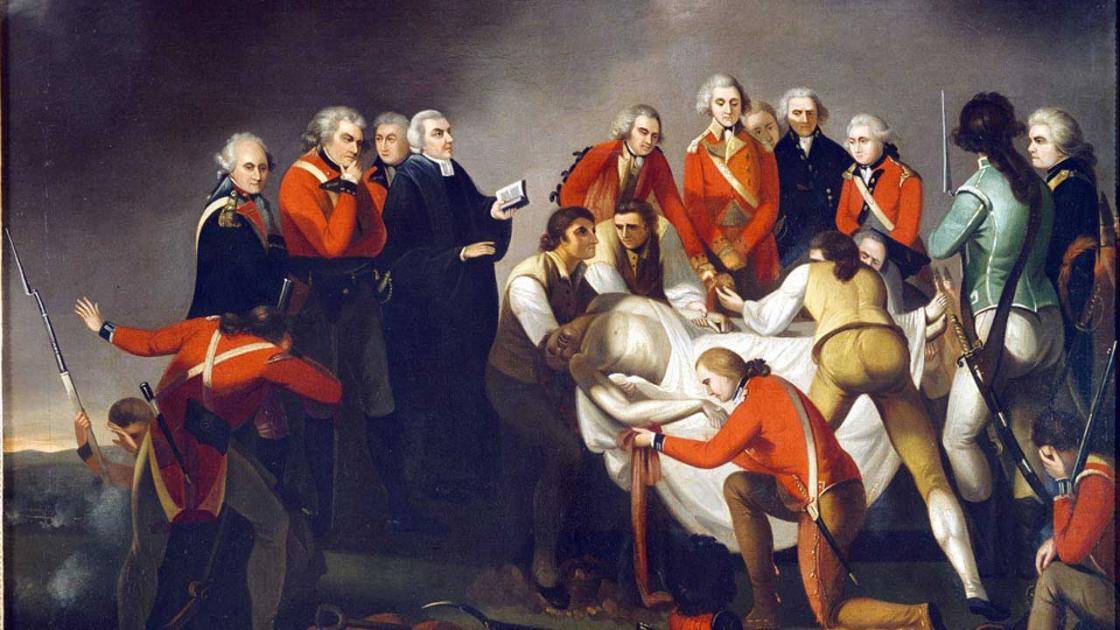
Following his wounding in the Barber Wheatfield on October 7, 1777, Brigadier General Fraser was carried behind British lines where he died the next morning. He was buried on the field within the Great Redoubt prior to the withdrawal of Burgoyne’s army north to Saratoga (Schuylerville).
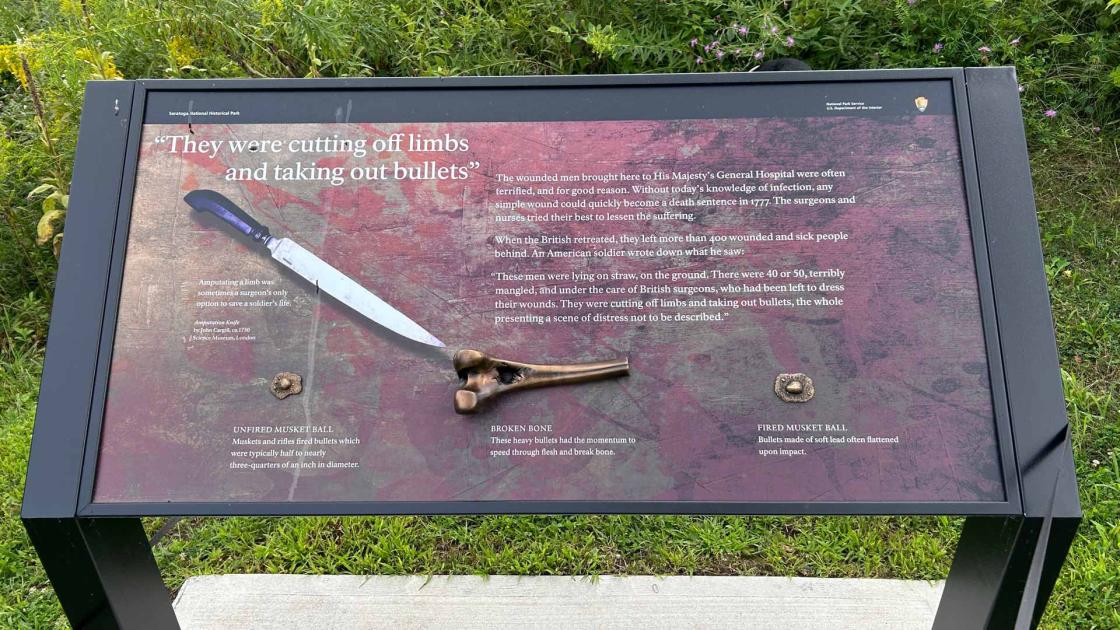
Located in the nearby flat ground, this was the main hospital site for the British Army located behind the lines and along the Hudson River. The overcrowded conditions of Burgoyne’s hospital had forced the general to delay his next offensive following the battle of Freeman’s Farm. Roughly 400 wounded British and German soldiers were left behind when Burgoyne retreated from the battlefield. Located in the nearby flat ground, this was the main hospital site for the British Army located behind the lines and along the Hudson River. The overcrowded conditions of Burgoyne’s hospital had forced the general to delay his next offensive following the battle of Freeman’s Farm. Roughly 400 wounded British and German soldiers were left behind when Burgoyne retreated from the battlefield.