-
The BlogBiographies
-
Videos

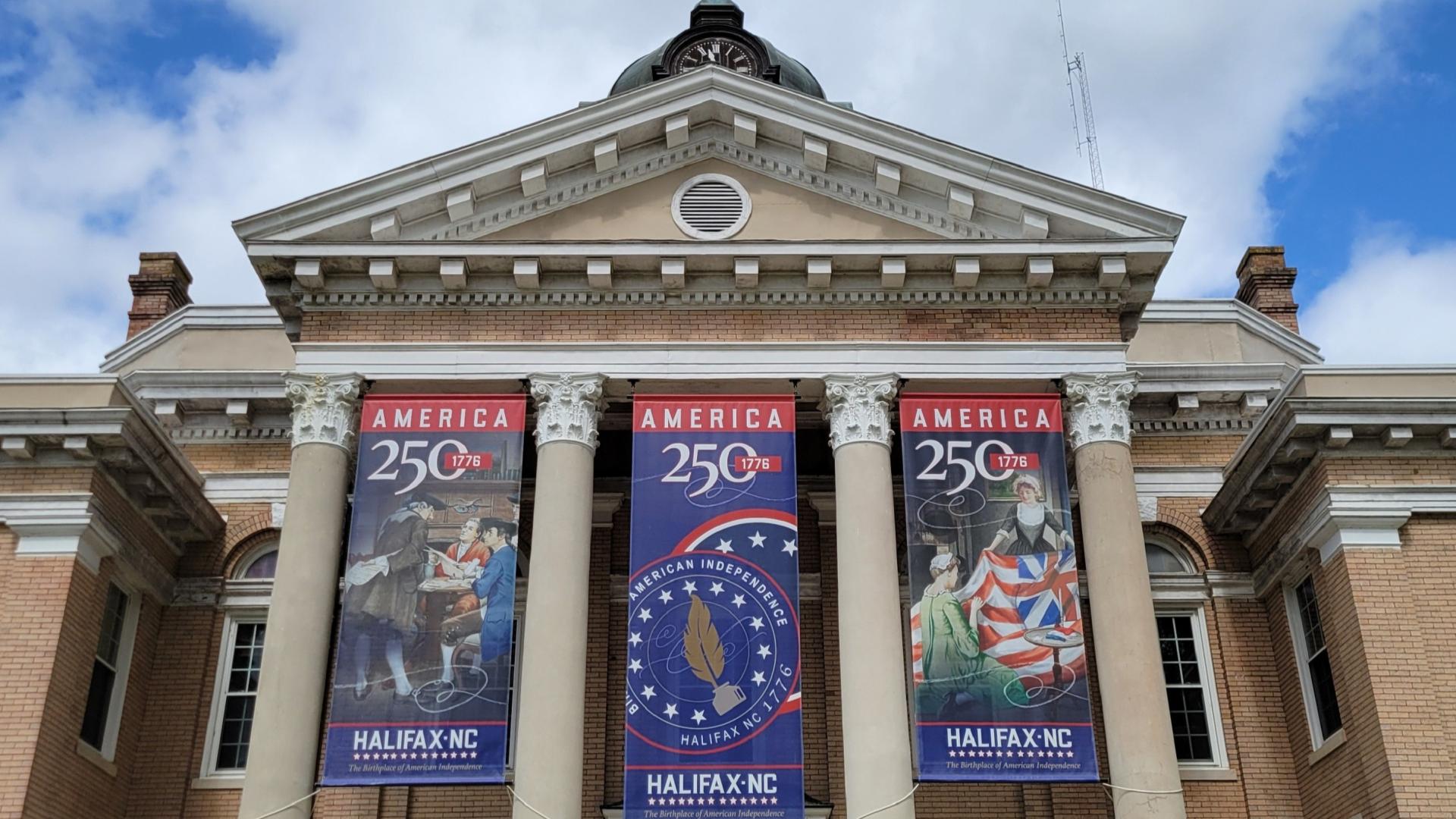
From the first attempt at English colonization in North America (Roanoke, 1585) to the first powered flight (Kitty Hawk, 1903), North Carolina takes credit for a lot of “firsts” in our nation’s 250-year history. The state license plates might say First in Flight, but did you know that North Carolina is also First in Freedom? Long before the Wright Brothers took off in Kitty Hawk, patriots launched something revolutionary in Halifax. This month we’re celebrating the 250th anniversary of the Halifax Resolves—the first official call for independence issued by any colony.
Here's a quick flyby of how we got here.
By the 1770s North Carolina colonists had already experienced their fair share of internal conflict, and clashes with the royal government (check out our articles on the Regulator War and the Battle of Alamance ). In 1775 the colony’s patriots had successfully ousted their royal governor, who conspired with loyalist sympathizers to take back the colony. On paper, it was a good plan. It included rallying the colony’s resident Scottish Highlanders — broadswords and all—to bring a swift end to the pesky patriot movement. But things took a surprising turn on February 27, 1776 at the Battle of Moores Creek Bridge, where patriots pulled off an upset for the age and managed to defeat not just the Highlanders, but any hope of a loyalist movement in the colony coming in for an emergency landing.
The patriots’ victory at Moores Creek propelled their movement forward. Just weeks later, 83 delegates met at the 1760s colonial courthouse in Halifax for the Fourth Provincial Congress. And on April 12, 1776, the Congress adopted what “made them first”: the Halifax Resolves. While the Halifax Resolves were far from the first patriotic resolves adopted by colonial patriot assemblies (even in NC: see the Mecklenburg Resolves), what made this one special—what made it a first—was that the Halifax Resolves were the first official act of a colony directly calling for independence from Great Britain. Going even further, they directed North Carolina’s representatives to the Second Continental Congress to “be impowered to concur with other delegates of the other Colonies in declaring Independency.”
For North Carolina, the Halifax Resolves cleared independence for takeoff. And in Philadelphia later that summer, North Carolina’s delegates—William Hooper, John Penn, and Joseph Hewes voted yea for independence.
On April 12, 1776 the Halifax Resolves gave the patriots the lift they needed to rise to independence. It cleared the air while a lot of other colonies were still debating the issue, creating a runway for the colonies’ eventual Declaration of Independence in July. Everything just picked up speed from there.
Want to know more? Read the actual text of the Resolves themselves, or take a more in-depth look at the Resolves here.
Want to see where it happened in Historic Halifax? Everything you need to plan your visit is right here on The Liberty Trail North Carolina: Historic Halifax | The Liberty Trail
We invite you to visit the preserved locations along the Liberty Trail and to immerse
yourself in the extraordinary events that determined the fate of a nation.