-
The BlogBiographies
-
Videos

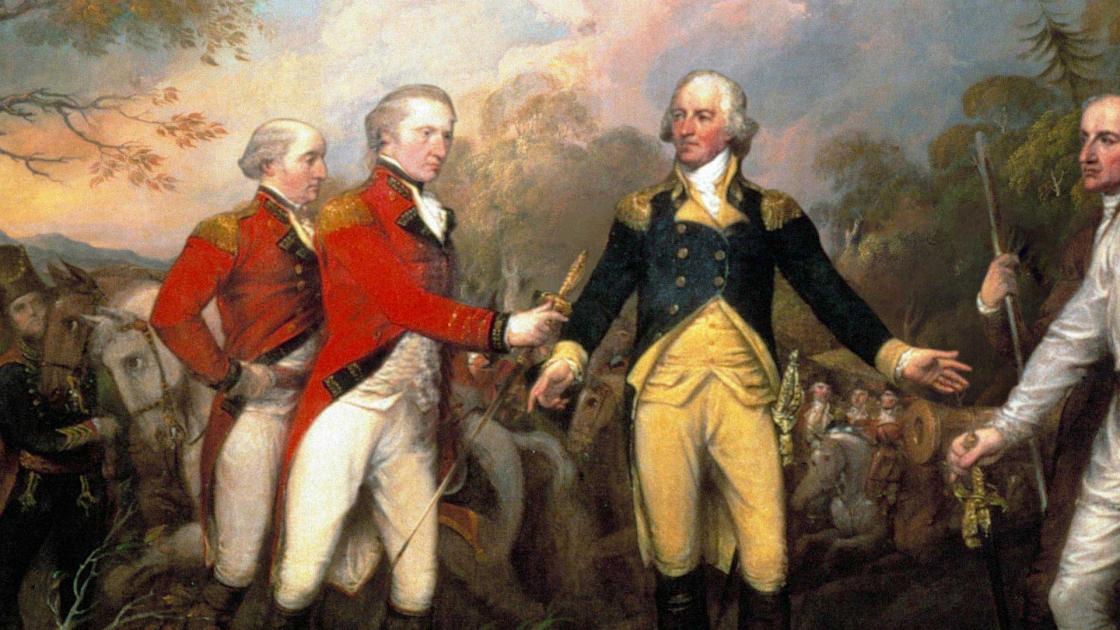
On October 16, 1777, the campaign that had begun months earlier in Canada and moved through a series of brutal engagements reached its decisive conclusion here at Saratoga, where terms of surrender were finalized between the opposing armies.
The British force under Lieutenant General John Burgoyne, isolated after defeats and a failed advance toward Albany, agreed to lay down its arms under conditions negotiated with Major General Horatio Gates. The agreement required the British army to march out of its encampment with the honors of war, stack its weapons, and be transported out of the theater on the condition that it would not return to fight in North America during the conflict.
The remaining articles laid out the details of surrender—provisions for the troops, protections for officers and baggage, and the orderly movement of prisoners toward Massachusetts. When signed at Saratoga, the convention formalized the surrender of Burgoyne’s army, sealing one of the most consequential American victories of the Revolutionary War and effectively ending the northern campaign of 1777.
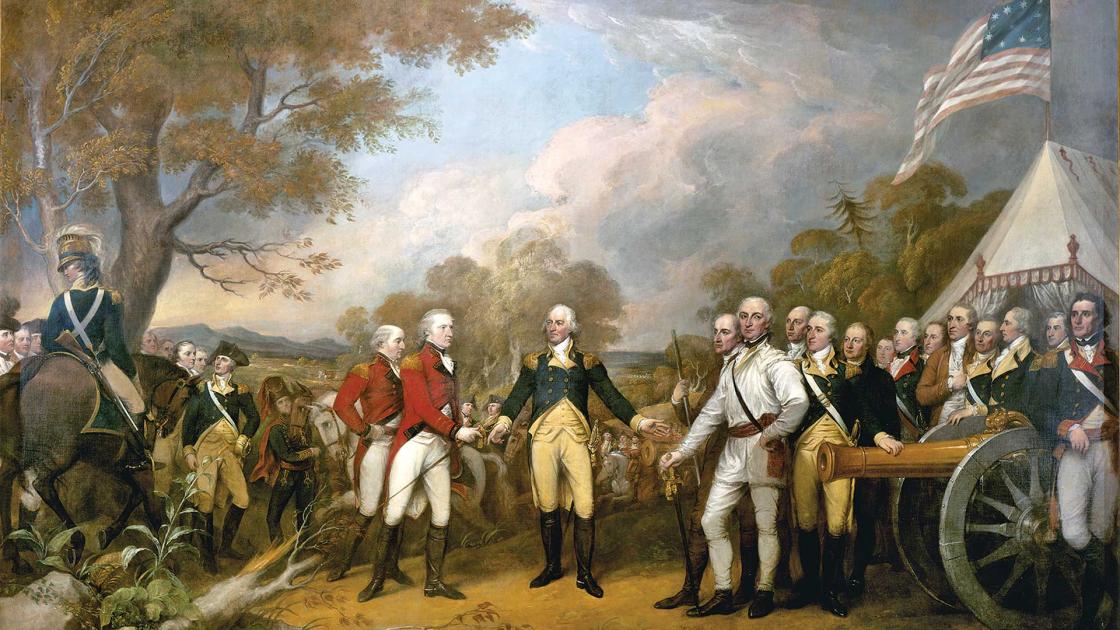
Following the decisive American victory on October 7, Burgoyne weighed his options. He could retreat or surrender. He chose the former, hoping for good news from Major General Henry Clinton to the south in the Hudson River Valley. The following day he began pulling his army off the battlefield and marched eight miles north to the village of Saratoga (Schuylerville). His situation was bleak. American militia had cut him off to the north, east, and west, and when Gates pursued him the next day, he was all but encircled. On October 17, Burgoyne met with the American high command here on this hill to surrender the 6,000 men who remained in his army.
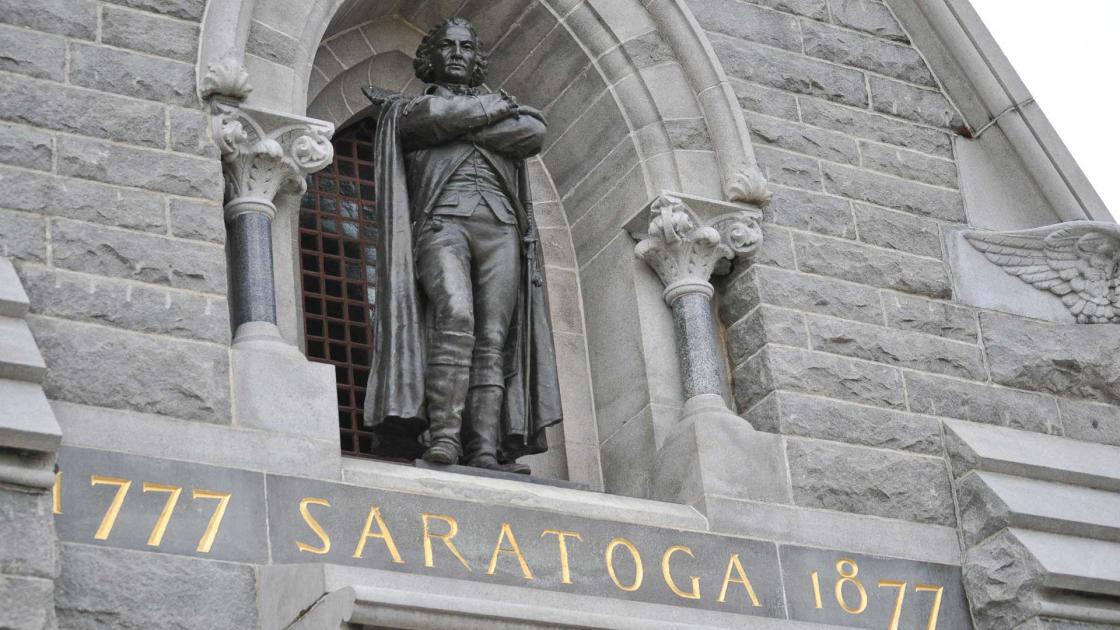
This 155-foot-tall obelisk, completed in 1883, commemorates the victory at Saratoga and subsequent surrender of Burgoyne’s army. It is located on ground that was occupied by the British prior to their surrender. Near the base of the monument, portrait statues of Phillip Schuyler, Daniel Morgan, and Horatio Gates are visible. There is also an empty pedestal on southern side that would have hosted Benedict Arnold—the American hero who in 1780 would become an American traitor.
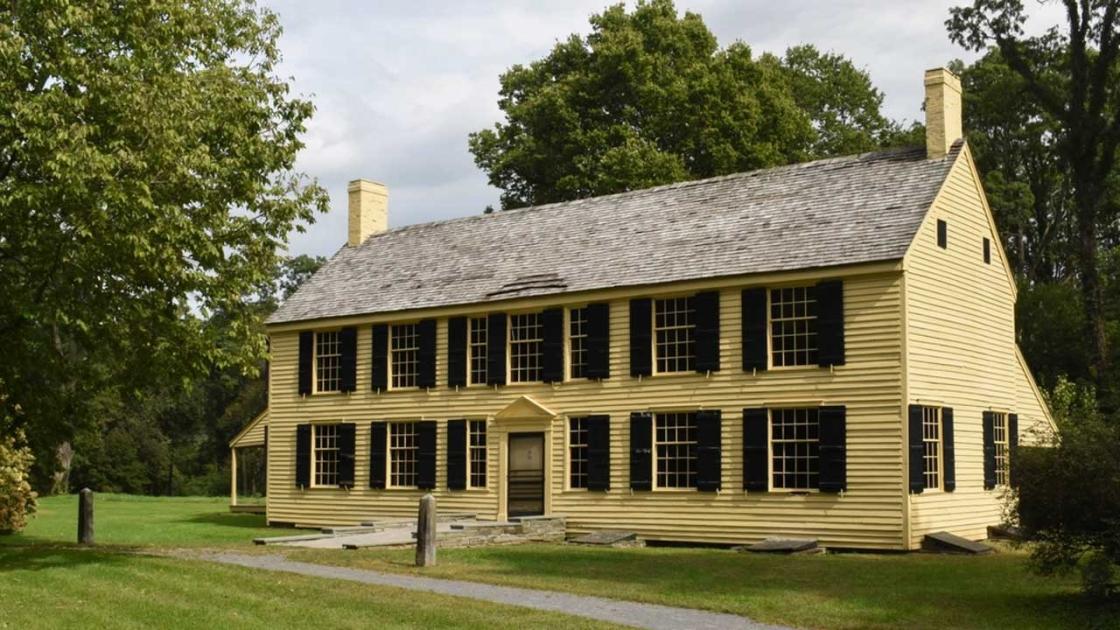
This country home belonging to Major General Phillip Schuyler was constructed in the wake of the battles of Saratoga. The original home was destroyed by the British during their retreat as they learned of the American pursuit. Although replaced by Horatio Gates in the middle of the campaign, Schuyler was instrumental in organizing and supplying the Northern Department.