Discover places where history comes to life and learn what life was like in Colonial times
in North America.
-
The BlogBiographies
-
Videos

Discover places where history comes to life and learn what life was like in Colonial times
in North America.
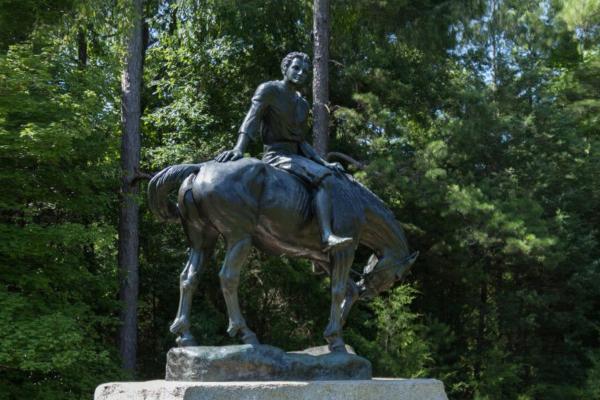
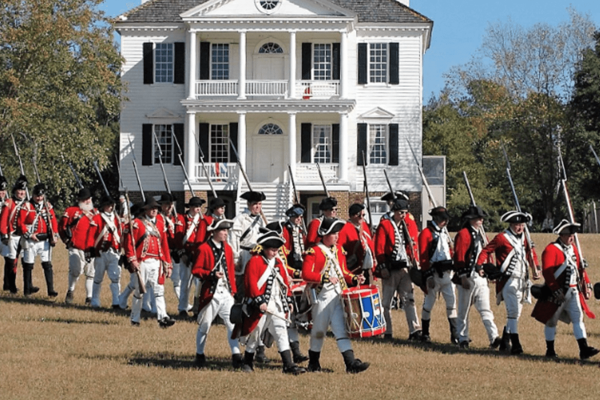
Programs and Guided Tours: Living history programs, including the Life of the Waxhaws Lantern Tour and the Andrew Jackson Birthday Celebration, are scheduled throughout the year. Please check our...
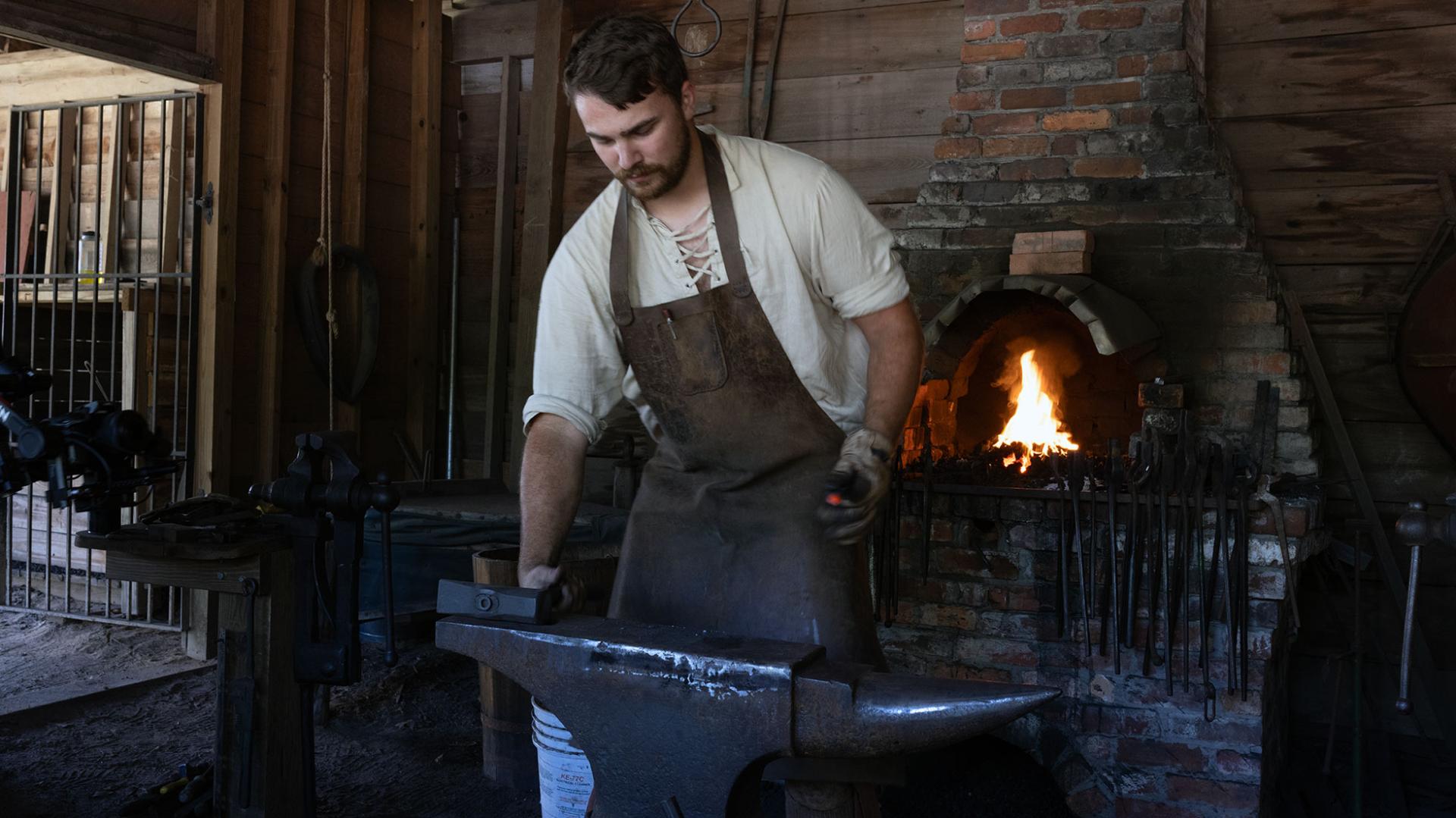
Offering visitors the opportunity to engage in history through demonstrations like blacksmithing or brickmaking, hearing our farm manager discuss 18th century agriculture, or touring our historic...
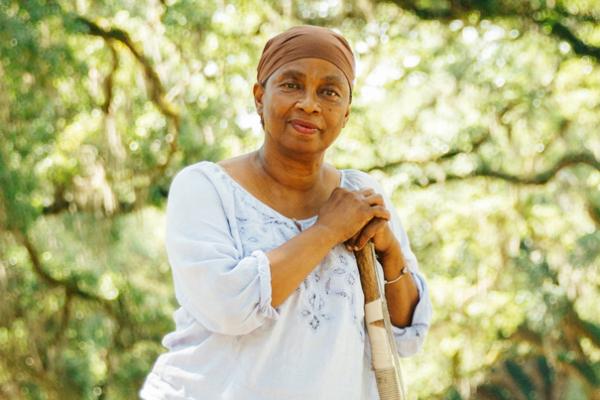
Exploring The Gullah Culture “Exploring The Gullah Culture” is a unique presentation where that difference can be experienced firsthand. Boone Hall is the only plantation in the Charleston area to...
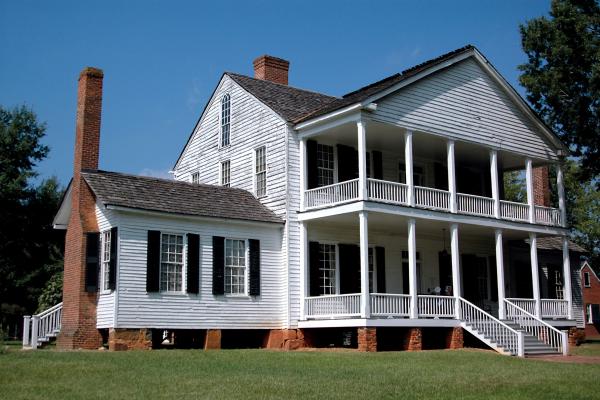
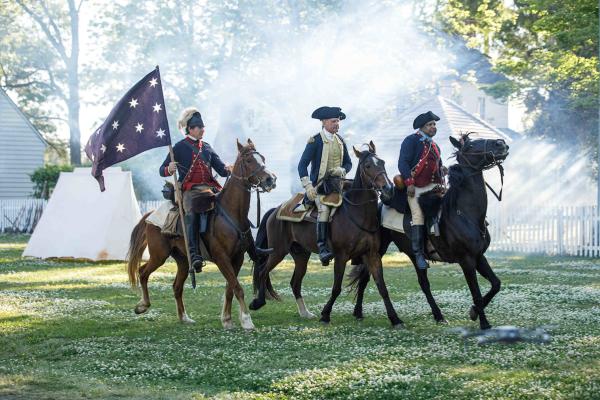
Learn how people farmed the land, cooked their food, and entertained themselves in the 18th and 19th centuries through interpreters in period clothing. These historical activities and others are...
Visit the Living History Farm, a replica of a mid-19th century Yeoman Farm. The farm has a house, barn, cotton gin, farm animals, blacksmith and weave shop as well as a garden.

We invite you to visit the preserved locations along the Liberty Trail and to immerse
yourself in the extraordinary events that determined the fate of a nation.
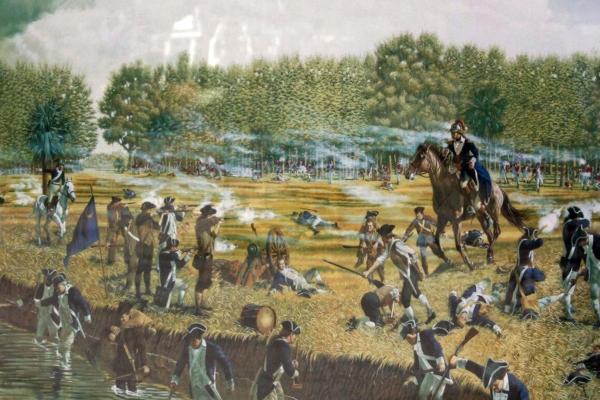
In May 1779, British troops under Augustine Prevost advanced toward Charleston, prompting William Moultrie to withdraw as John Laurens rashly engaged at the Coosawhatchie River and was driven back with heavy losses.
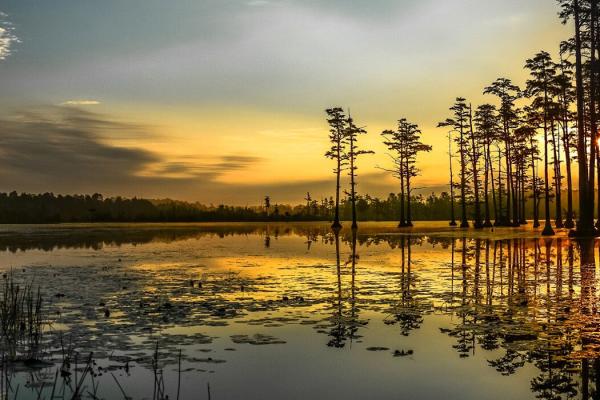
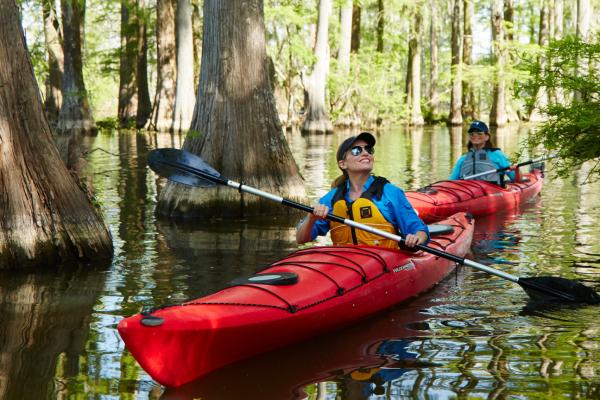
Not far from Camden Battlefield, Goodale State Park is lined with cypress trees, a spring-fed lake that offers boating, fishing, and hiking opportunities.
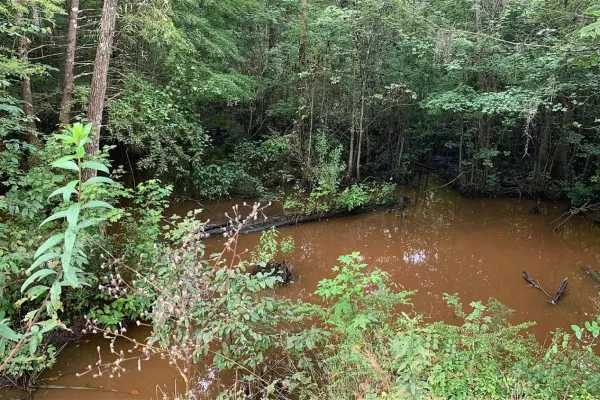
Patriot Francis Marion earns his famous nickname — "The Swamp Fox”— after a futile chase by British Commander Banastre Tarleton
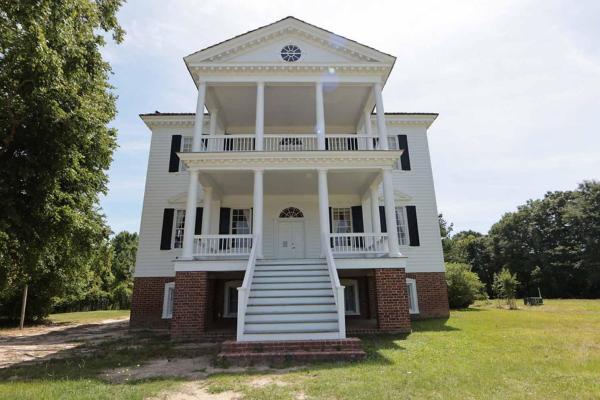
After the Siege of Charleston in 1780, the British established a headquarters at the Kershaw/Cornwallis House. Today the house and grounds are open to tours.
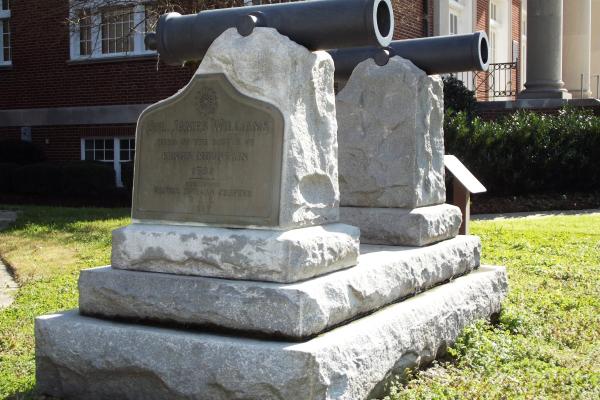
James Henderson Williams, a South Carolina militia colonel and Patriot leader, was killed at the Battle of Kings Mountain in 1780 and is commemorated here, where his remains were later reinterred and a memorial erected in his honor.
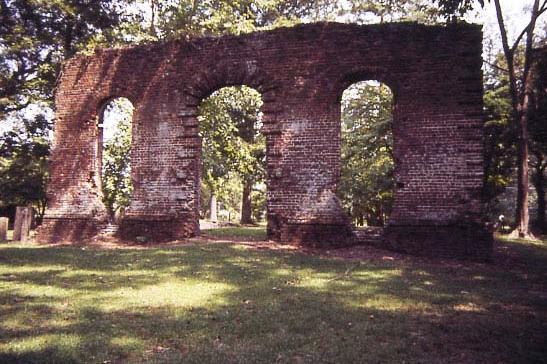
During the British occupation of Charleston in 1781, these grounds were part of a British outpost to supply ammunition and provisions to patrolling British troops.
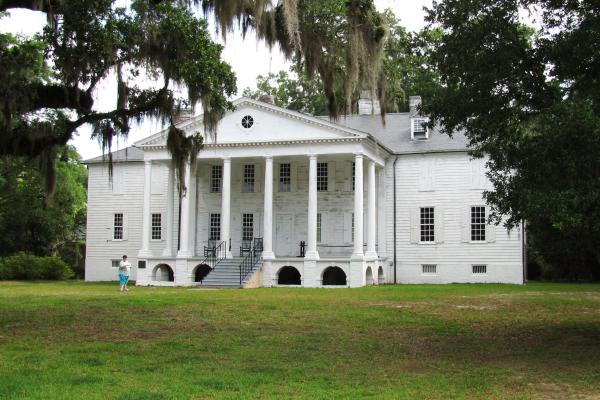
This 18th-century plantation home, on the grounds of the Hampton Plantation State Historic Site, served as a place of refuge for Francis Marion who hid here from when British troops.
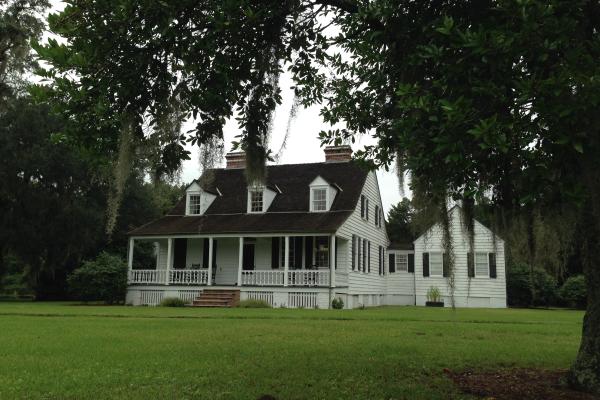
This park preserves the story of Charles Pinckney and his contributions to the U.S. Constitution, and of 18th century plantation life for free and enslaved people of Snee Farm inhabitants.
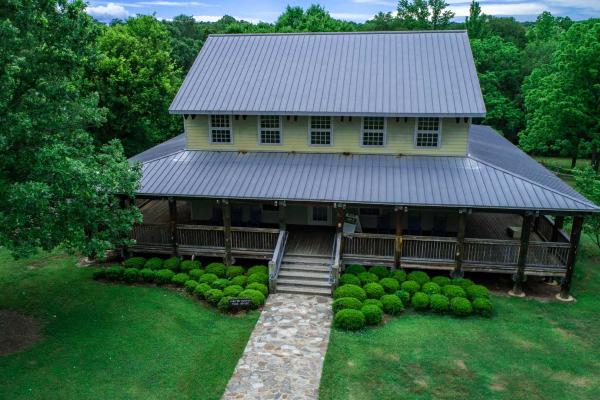
The site of the 1780 battle of Musgrove’s Mill where a small force of Patriot militia fought and defeated a larger force of Loyalist and Provincial soldiers in a short but pivotal battle.
A former British headquarters, explore the reconstructed Kershaw/Cornwallis House, British redoubts, and programs about colonial life.
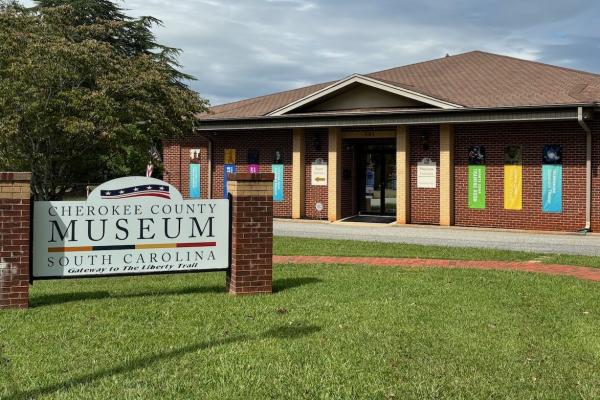
With a rotating collection of artifacts and interactive exhibits, the Cherokee County Museum has something for all ages and interests.

Eighteenth-century Moncks Corner was a crossroads settlement of stores and taverns at the intersection of the Cherokee Path (the Indian traders’ path) and the road from Charleston to Santee. A powder magazine was established in 1760 and the village was occupied as a store depot by the British during the Revolutionary War.