-
The BlogBiographies
-
Videos

Reposted from battlefields.org
Fort Watson
The Santee Indian Settlement
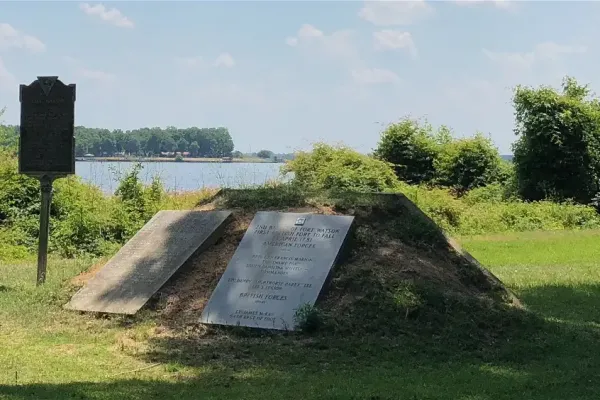
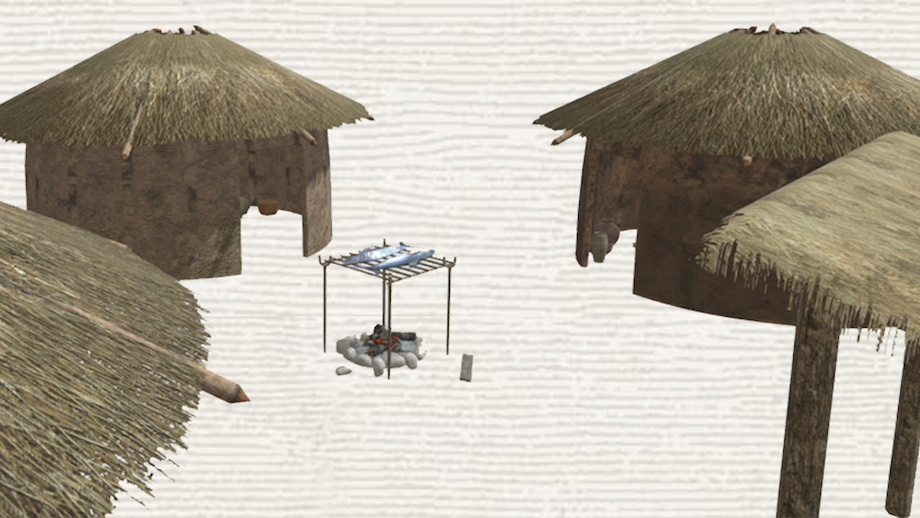
Along the shores of Lake Marion visitors will find the site of Fort Watson. There you will see a prehistoric ceremonial mound built by the Santee Indians, which became the scene of a siege during the Revolutionary War. The landscape you encounter today is very different from the forested wetlands inhabited by the Santee and occupied by the British. Lake Marion, a man-made body, was not created until the 1940s. Before then, this ground bordered on Scott’s Lake, an oxbow reservoir that connected to the Santee River. This strategic location on bluffs overlooking water benefitted not only the American Indians who farmed, fished, and hunted in this region, but also the soldiers garrisoned here in the 18th century.
Hundreds of years before the Santee River was dammed to create Lake Marion, Native people lived, farmed, and worshiped in this region. The large mound on site was probably built by pre-contact indigenous people and may have been used by the Santee Indians around AD 1300-1500. It is the biggest Indian mound of that period yet discovered in the Coastal Plain of South Carolina. There are two smaller, less visible mounds on site as well.
The mounds are not, as some have thought, strictly burial grounds, but served as platforms for chiefly residences, temples, or places where bones of deceased ancestors were kept in above-ground structures. Situated on highland adjacent to the Santee River and an oxbow lake, the large mound was most likely located at the center of a Santee settlement.
Shells and ceramics found during archaeological excavations of the large mound reveal much about the daily life of the people who lived here. They hunted using bow and arrow, foraged for food in the forest, fished the nearby waters with hooks made from the toe bone of deer, and subsisted on farmed corn. The water next to these mounds was a vital resource for the community.
The arrival of Europeans beginning around 1600 brought disease, war, and enslavement to the Native population. Severely diminished in number, the Santee left this area well before the British converted the large mound into a fort during the American Revolution. But the tribe did not disappear. Many of their descendants—members of the Santee Indian Organization—reside in the nearby town of Holly Hill today.
Timeline of the Santee
Lead Sponsor
The Fort Watson Augmented Reality Experience is made possible thanks to the generosity of Lorna Hainesworth, Ambassador and National Traveler.