Jim Capers Eutaw Springs
History Along The Trail

The Liberty Trail Story Tellers

The American Revolution was decisively influenced by The Liberty Trail’s diverse terrain, spanning swamps, fields, woods, and mountains. Delve into the narrative of American Independence with blog posts surrounding The Liberty Trail.

States of Interest:
The Blog |

History has not been kind to Charles Lee, the man whom George Washington referred to as “The first officer in Military knowledge and experience we have in the whole army….” He was a conundrum of a man...

The Blog |
Revolutionary War scholars and history buffs often lament, “If only photography had been invented a century earlier!” While there is a vast photo archive of the Civil War, there is a scant amount of...
The Blog |

Reposted with permission from the Journal of the American Revolution. Written and researched by Jim Piecuch on September 12, 2024.

The Blog |

Losing items like buttons or keys can be frustrating, even for soldiers during the Revolutionary War. At Fort Fair Lawn, a British outpost in South Carolina, archaeologists found many objects...

The Blog |

The rediscovery of a long-lost portrait of Charleston merchant Richard Lushington sheds light on lesser-known Revolutionary War heroes. Lushington, a Quaker, led a diverse militia called the Free...

The Blog |

John Howland, Benjamin Tainter, Stephen Tainter, and Lewis Hurd, all from the same extended family, contributed to American history across generations. Stephen Tainter, who served as a drummer boy in...

We invite you to visit the preserved locations along the Liberty Trail and to immerse yourself in the extraordinary events that determined the fate of a nation.
Battlefield | Historic Site
Fort Plain, NY

At the Battle of Stone Arabia, Patriot militia under John Brown made a desperate stand against a swift raid led by Sir John Johnson. Though Brown was killed and the raiders escaped, the clash galvanized local resistance.

National Park | Battlefield
Concord, MA

The site of the first known Colonist offensive attack during the Revolution, Meriam's Corner marks where the British column, retreating to Boston, was ambushed by local militias.

Historic Site | Historic House
Concord, MA

Known by several names over the past two centuries, it is now known as the Wright Tavern, named after its owner during the Battle of Lexington and Concord, Amos Wright.

National Park | Fort/Outpost
Morristown, NJ

Fort Nonsense if one of four sites that compose Morristown National Historical Park. Atop a hill, it functioned as a defensive observation post for those encamped at Morristown.

Historic Site | Gardens & Grounds
Morristown, NJ

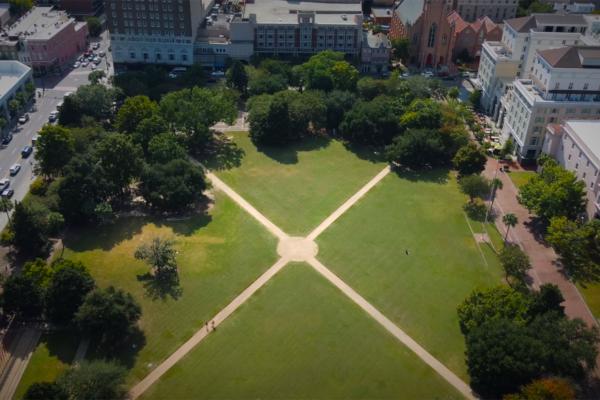
Now a quiet park in the center of urban Morristown, this green once served as the training and parade grounds of the Continental Army during its 1777 winter encampment.

Battlefield
Turbeville, SC

A surprise Patriot attack on Loyalist recruits is a blow to the British

Historic Site | State/County Park
Boston, MA

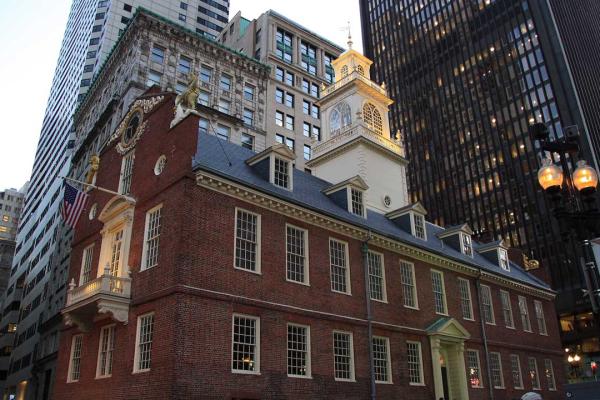
Once the training ground for British troops in Boston, it was from here that Regulars marched toward Lexington & Concord, sparking the American Revolution.

Historic Site |
Bronx, NY

Occupied by both sides during the American Revolution, this home has seen the likes of both George Washington and William Howe

Historic Site |
Vails Gate, NY

Historic headquarters of Major General Henry Knox during the winter of 1780-1781.

Historic Site | Fort/Outpost
Charleston, SC

One of the many forts that dotted the landscape around Charleston, Patriots seized this fortification and raised the Moultrie flag, which bears resemblance to the modern standard of South Carolina.

Historic Site | Marker
Schuylerville, NY
Following the Revolutionary War, Lafayette accepted an invitation from George Washington and returned to America. The Marquis de Lafayette departed France in mid-June 1784 and arrived in New York City...
Battlefield
Mount Holly, NJ

The Battle of Mount Holly, also known as Iron Works Hill, fought on December 23, 1776, was a minor skirmish in which Hessian Colonel Carl von Donop occupied the town, diverting his forces from Trenton and indirectly contributing to Washington’s victory there three days later.