Liberty Trail Default Image (2025)
Trail Sites
Battlefields

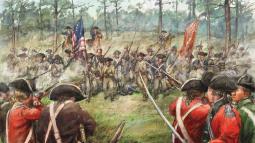
Embark on a journey to the pivotal sites where the American Revolution secured its victory. Wander through sacred fields and woodlands, honoring the brave souls who sacrificed their lives in pursuit of freedom.

States of Interest:
South Carolina
Battlefield | Historic Site
Moncks Corner, SC

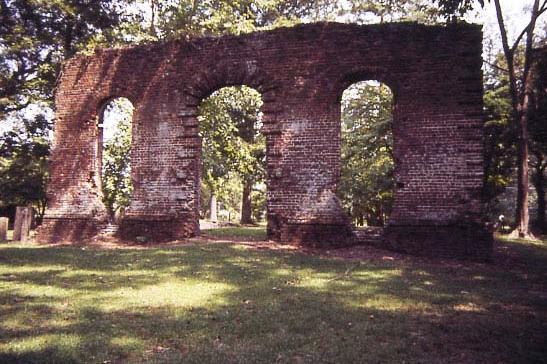
During the British occupation of Charleston in 1781, these grounds were part of a British outpost to supply ammunition and provisions to patrolling...

South Carolina
Battlefield
Enoree, SC

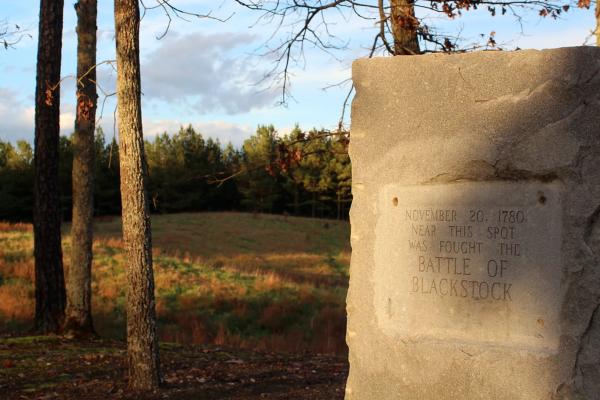
British Lieutenant Colonel Banastre Tarleton pushed up the Enoree River hot on the trail of Patriot Brigadier General Thomas Sumter.

South Carolina
Battlefield
Sullivan's Island, SC

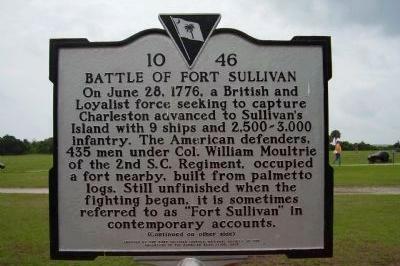
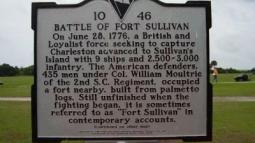
Treacherous waters and Patriot fire foil a British attack on Charleston Harbor

South Carolina
Battlefield
Camden, SC

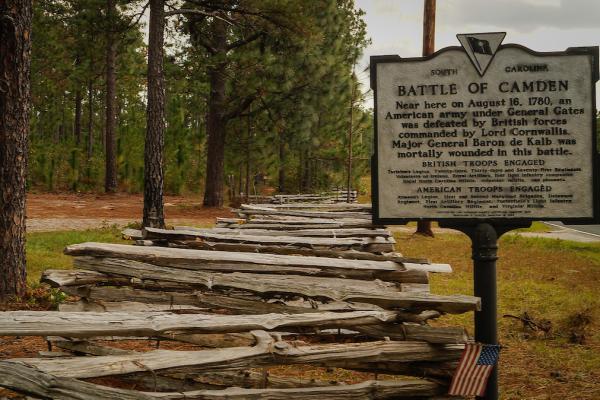
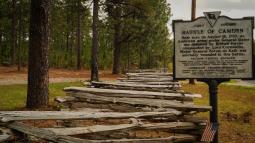
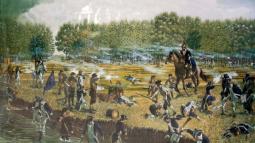
The Battle of Camden was a devastating defeat suffered by the Americans in the British military offensive in the South.

South Carolina
Historic Site | Battlefield
Spartanburg, SC

When Jane Black Thomas overheard Loyalists plotting a surprise attack on her son's militia camp, she rode nearly 60 miles through dangerous territory...

South Carolina
Battlefield | Historic Site
Camden, SC

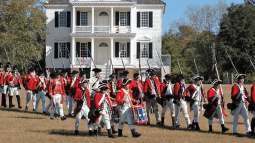
A former British headquarters, explore the reconstructed Kershaw/Cornwallis House, British redoubts, and programs about colonial life.

South Carolina
Battlefield
Coosawhatchie, SC

In May 1779, British troops under Augustine Prevost advanced toward Charleston, prompting William Moultrie to withdraw as John Laurens rashly engaged...

South Carolina
Battlefield | National Park
Gaffney, SC

The Cowpens Battlefield commemorates Daniel Morgan’s victory over Banastre Tarleton on January 17, 1781.

South Carolina
Battlefield
Eutawville, SC

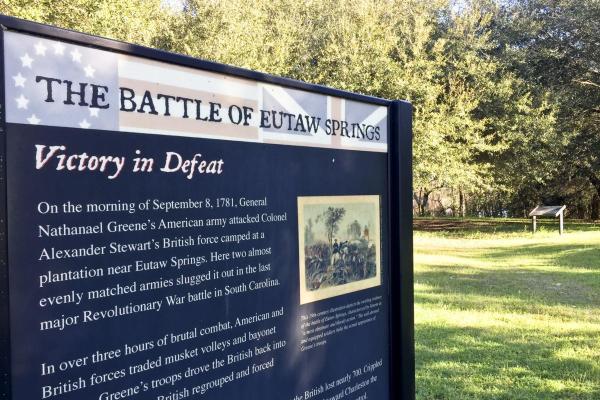
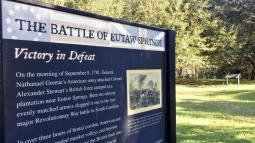
This last major battle of the war in the South succeeded in driving the British out of rural South Carolina.

Filter By:
States of Interest
Exploring History
We invite you to visit the preserved locations along the Liberty Trail and to immerse yourself in the extraordinary events that determined the fate of a nation.
Historic Site
Gaffney, SC
On this site lie the bodies of three, unknown British soldiers who perished at the Battle of Cowpens, which was fought around 14 miles away from here on January 17, 1781. These three men were brought...
Historic Site |
Gaffney, SC

With a rotating collection of artifacts and interactive exhibits, the Cherokee County Museum has something for all ages and interests.

Historic Site
Gaffney, SC
James Henderson Williams (1740–1780) was an American pioneer, farmer, and miller from the Ninety-Six District in South Carolina, who played a key role in the American Revolution. Initially a member of...
Battlefield
Lancaster, SC

On May 29, 1780, British commander Banastre Tarleton engaged and overwhelmed a Patriot force under the command of Abraham Buford in a dreadful defeat for the Patriots.

State/County Park
Camden, SC

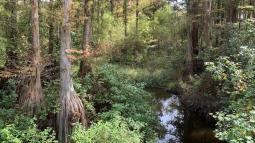
Not far from Camden Battlefield, Goodale State Park is lined with cypress trees, a spring-fed lake that offers boating, fishing, and hiking opportunities.

Historic Site
Charleston, SC

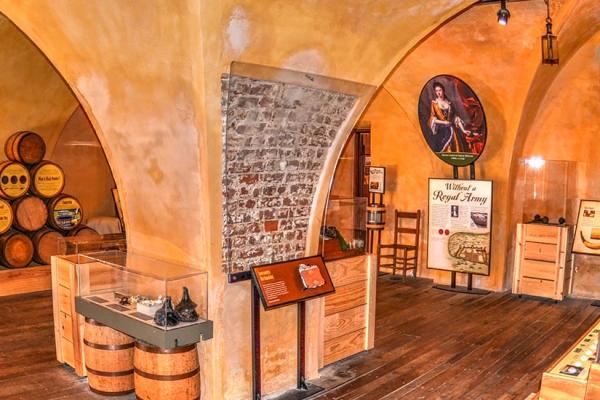
Completed in 1713, The Powder Magazine is South Carolina's oldest government building.

Historic Site | Historic House
Camden, SC

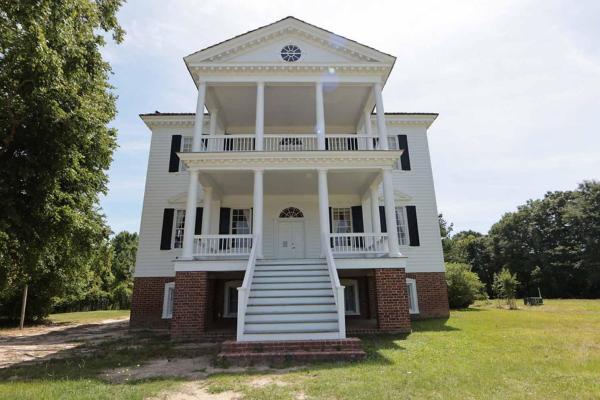
After the Siege of Charleston in 1780, the British established a headquarters at the Kershaw/Cornwallis House. Today the house and grounds are open to tours.

Battlefield |
Camden, SC

The Battle of Camden was a devastating defeat suffered by the Americans in the British military offensive in the South.

Historic Site |
Pamplico, SC

Located in the Pee Dee region of South Carolina, it was here that Francis Marion signed a treaty with a local Loyalist militia leader, effectively ending hostilities in the area

Battlefield
Sullivan's Island, SC

Treacherous waters and Patriot fire foil a British attack on Charleston Harbor

Battlefield | National Park
Gaffney, SC

The Cowpens Battlefield commemorates Daniel Morgan’s victory over Banastre Tarleton on January 17, 1781.

Battlefield | Historic Site
Summerton, SC

After an eight-day siege, this strategic outpost fell to the Americans, who used an ingenious structure called Maham’s Tower to fire down into the fort and trap the enemy.