Trail Sites
Liberty Trail Historic Sites

Discover the myriad of sites across The Liberty Trail where significant cultural and Revolutionary history unfolded. From military ruins to meticulously restored mansions, immerse yourself in the footsteps of our nation’s history-makers.

States of Interest:

There are no results matching your search. Please try again.

Filter By:
States of Interest

Liberty Trail History Makers

The Revolutionary War was a war unlike any other — one of ideas and ideals, that shaped “the course of human events. Explore the history and personalities from this pivotal time in American history.
Biography

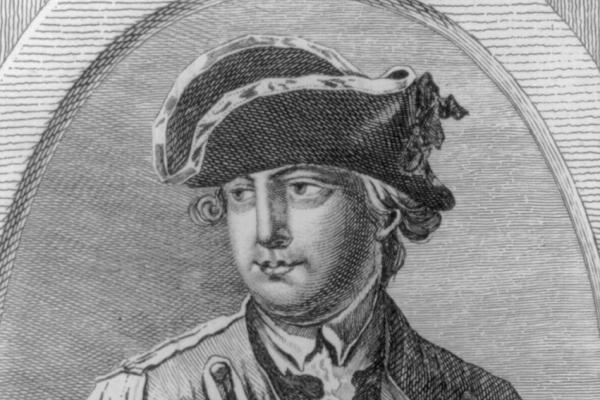
Colonel Henry Rugeley was a prominent South Carolina Tory who earned a commission in the British army after the siege of Charleston in 1780.

Biography

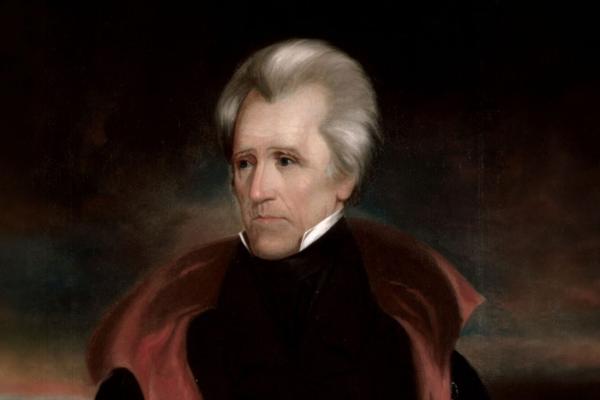
A highly influential militia general from the Upcountry of South Carolina, Pickens waged successful campaigns against Loyalists and their Cherokee allies throughout the state.

Biography

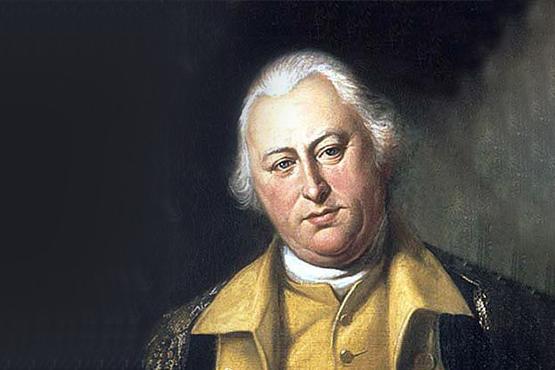
Though his Quaker faith precluded him from taking up arms, Lushington made the decision to join the Patriot cause and fight against the British during the American Revolution. Largely an outsider, joining the army may have been a means for Lushington to gain further acceptance within Charleston's social elite.

Biography

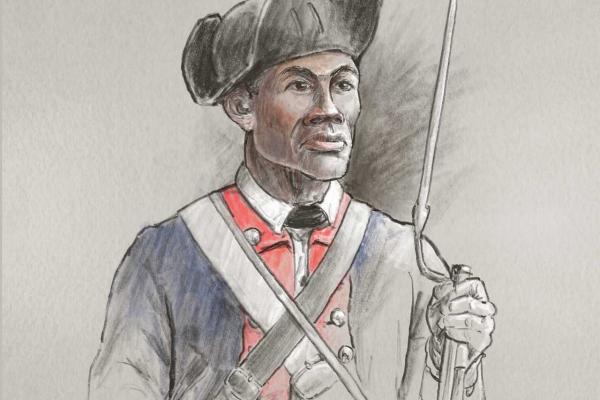
Ferguson, inventor of the Ferguson rifle, commanded a group of Cornwallis' Loyalists he had recruited. Ferguson threatened to invade the mountains beyond the legal limit of settlement westward. The locals organized a militia and fought against the loyalist forces on October 7, 1780 in the Battle of King’s Mountain.

We invite you to visit the preserved locations along the Liberty Trail and to immerse yourself in the extraordinary events that determined the fate of a nation.
National Park | Historic Site
Huger, SC

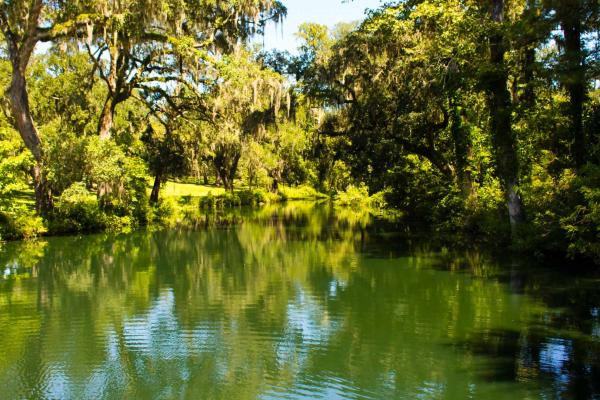
The Francis Marion is a forest literally steeped in history. Marion, dubbed the “Swamp Fox” by the British troops whose supply lines he disrupted with surprise attacks from the swamps.

Battlefield | Historic Site
Moncks Corner, SC

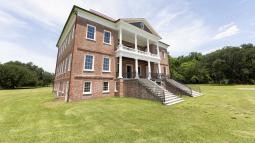
Former Plantation of Henry Laurens: Merchant, Slave Trader, South Carolina Statesman, and Father of Revolutionary War Soldier John Laurens.

Historic Site | Gardens & Grounds
Mt Pleasant, SC

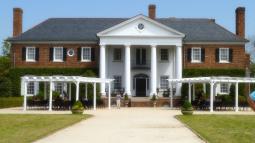
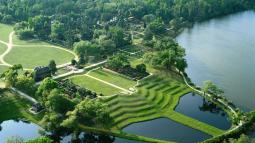
Boone Hall was influential in the history of South Carolina. Explore the house and grounds of this Colonial Plantation, as well as a live presentation of the Gullah Culture adapted by African slaves.

Historic Site
Gaffney, SC
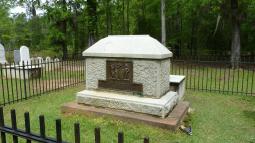
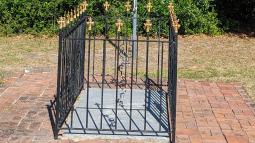
On this site lie the bodies of three, unknown British soldiers who perished at the Battle of Cowpens, which was fought around 14 miles away from here on January 17, 1781. These three men were brought...
Historic Site
Gaffney, SC
James Henderson Williams (1740–1780) was an American pioneer, farmer, and miller from the Ninety-Six District in South Carolina, who played a key role in the American Revolution. Initially a member of...
Battlefield | Historic Site
Moncks Corner, SC

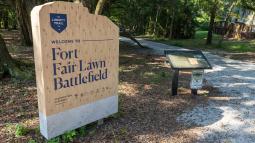
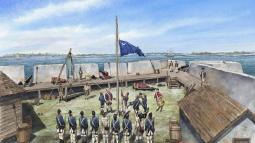
Fort Fair Lawn was a British outpost in 1780–1781 and was the target of a daring Patriot raid on November 17, 1781, and abandoned by the British a week later.

State/County Park
Camden, SC

Not far from Camden Battlefield, Goodale State Park is lined with cypress trees, a spring-fed lake that offers boating, fishing, and hiking opportunities.

National Park | Historic Site
Gaffney, SC
Stretching 330-miles through four states (Virginia, Tennessee, North and South Carolina) the Overmountain Victory National Historic Trail traces the route used by Patriot militia during the pivotal...
Historic Site |
Gresham, SC

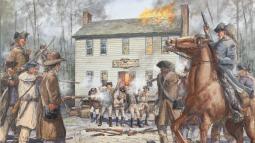
Loyalists ambush a contingent of Patriot militia at a tavern in December of 1780, leading to a massacre

Historic Site | Historic House
Roebuck, SC

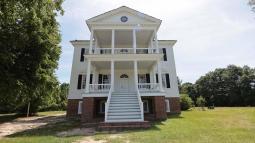
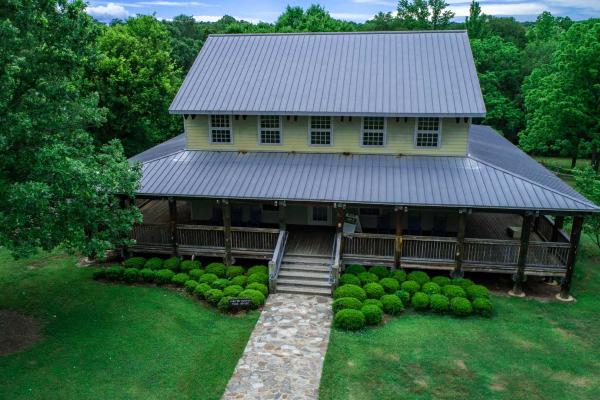
Established in 1767 by the Patriot supporting Moore family. Local militia gathered at Walnut Grove prior to the Battle of Cowpens. Visitors may take guided tours of the house and grounds.

Battlefield
Camden, SC

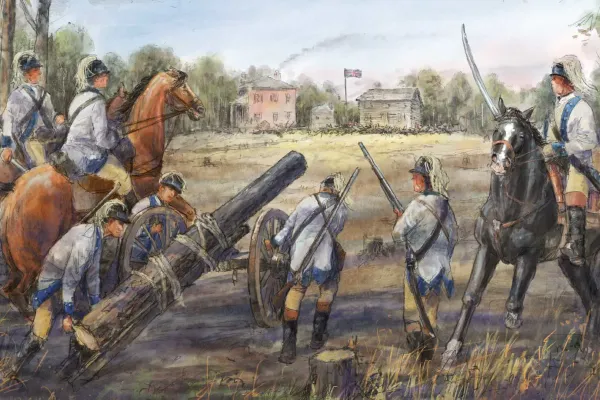
An ingenious Patriot deception provokes a prominent Loyalist to surrender his outpost

Battlefield | Historic Site
Summerton, SC

After an eight-day siege, this strategic outpost fell to the Americans, who used an ingenious structure called Maham’s Tower to fire down into the fort and trap the enemy.