Join us in discovering the individuals who shaped the Revolutionary War along The Liberty Trail.
-
The BlogBiographies
-
Videos

Join us in discovering the individuals who shaped the Revolutionary War along The Liberty Trail.
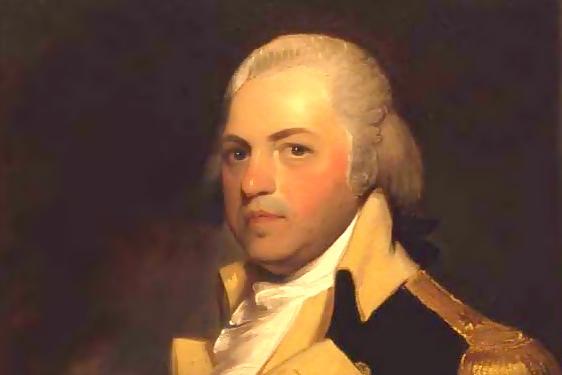
Henry "Light-Horse Harry" Lee was a distinguished cavalry commander during the American Revolution, known for leading "Lee's Legion" and his daring raids in the Southern Campaigns.
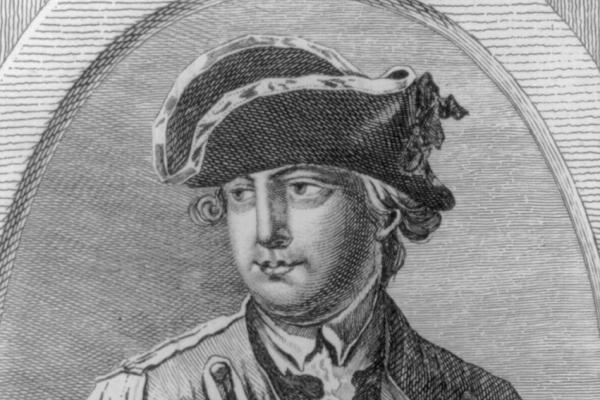
Charles Lee (February 6, 1732 - October 2, 1782) was a Major General in the American Revolutionary War. He was second-in-command to General George Washington, though he was known for his efforts to...
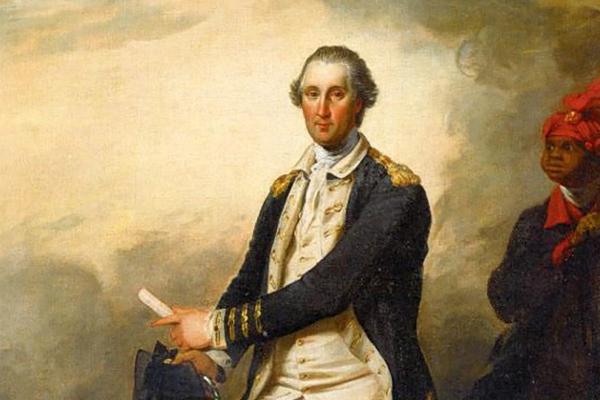
Washington's enslaved huntsman and valet, William Lee was tasked with following Washington throughout the war where he witnessed events such as the encampment at Valley Forge and the victory at...
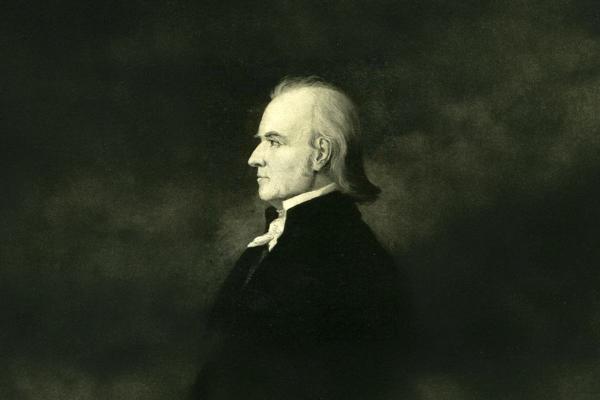
Frontier surveyor turned Patriot officer, William Lenoir carried the Revolution into North Carolina’s backcountry—fighting at Kings Mountain, surviving the chaos of Pyle’s Massacre, and emerging from...
We invite you to visit the preserved locations along the Liberty Trail and to immerse
yourself in the extraordinary events that determined the fate of a nation.
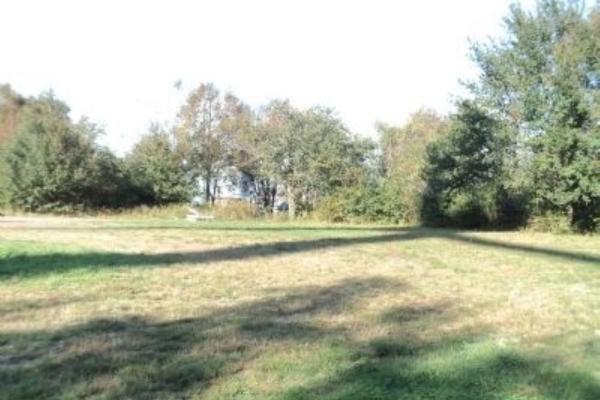
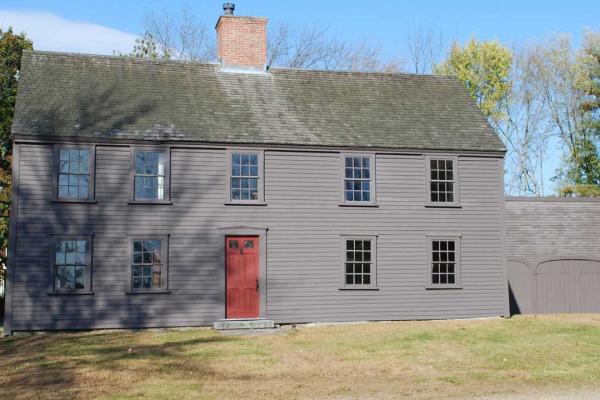
The site of the first known Colonist offensive attack during the Revolution, Meriam's Corner marks where the British column, retreating to Boston, was ambushed by local militias.
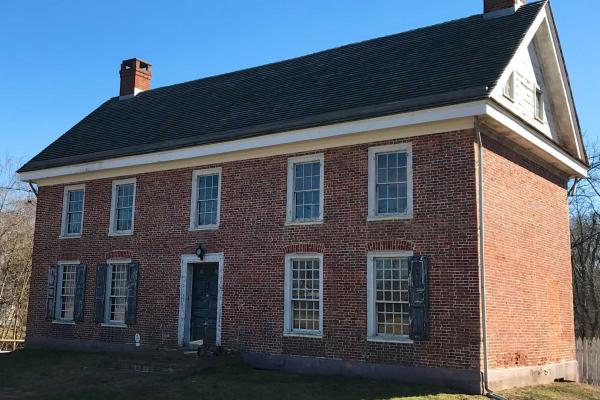
This parsonage was constructed in the 1750s and housed the reverend of the Dutch congregation in what is now modern-day Somerville.
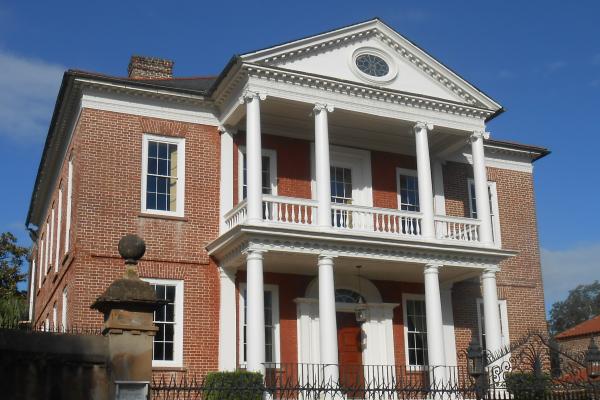
In 1780, after the British occupied Charleston during the American Revolutionary War, the Brewton house was used as the British headquarters for Henry Clinton.
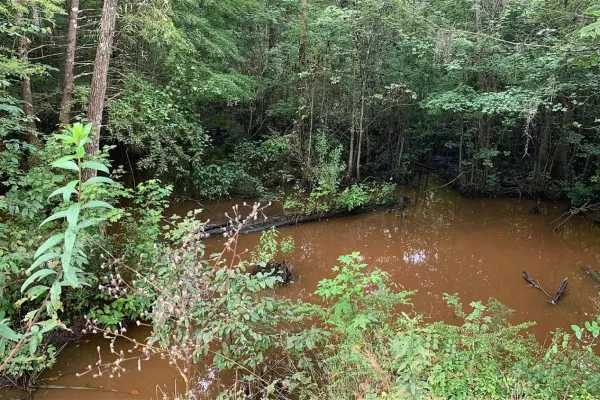
Patriot Francis Marion earns his famous nickname — "The Swamp Fox”— after a futile chase by British Commander Banastre Tarleton
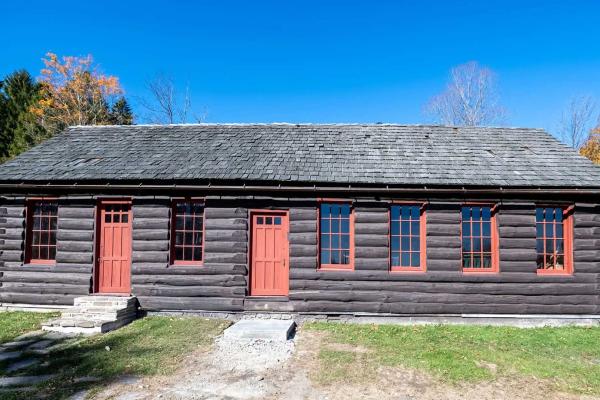
Historic home of Baron Von Steuben, Drillmaster of the American Revolution.
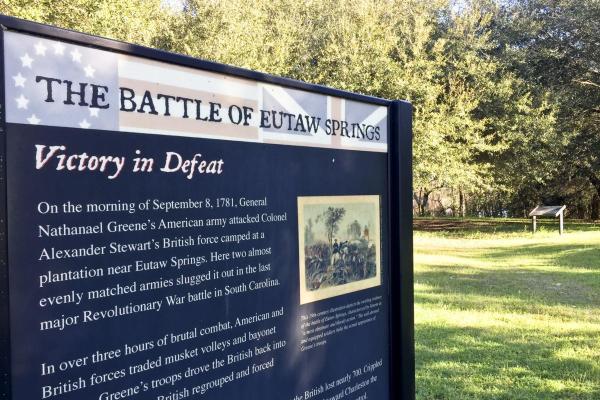
This last major battle of the war in the South succeeded in driving the British out of rural South Carolina.
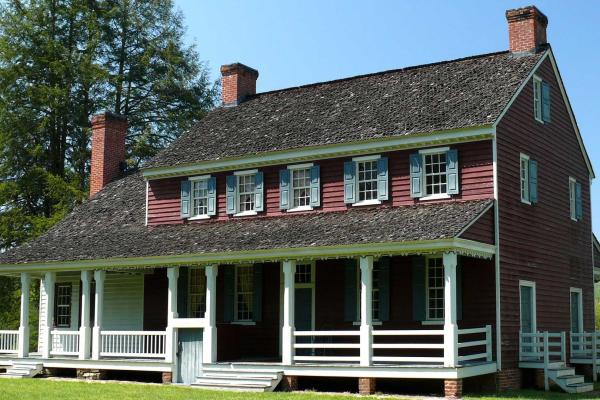
Built in 1792 by Revolutionary War officer William Lenoir, Fort Defiance preserves the homestead that rose near the site of an earlier frontier fort and reflects the legacy of one family for nearly two centuries.
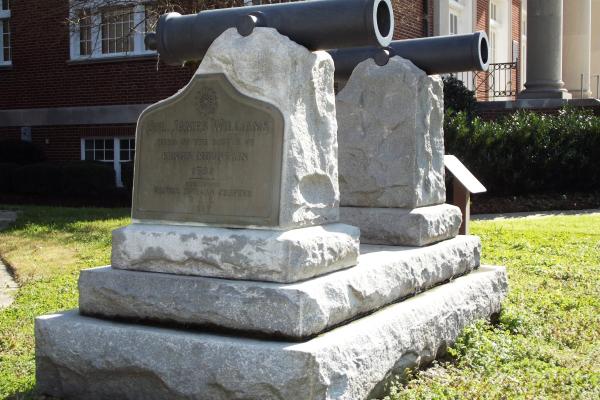
James Henderson Williams, a South Carolina militia colonel and Patriot leader, was killed at the Battle of Kings Mountain in 1780 and is commemorated here, where his remains were later reinterred and a memorial erected in his honor.
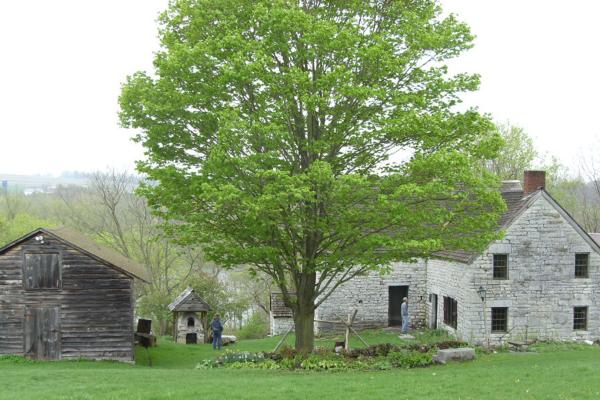
Built in 1750, Fort Klock is one of the Mohawk Valley's best-preserved fortified homes, serving as a refuge for local families during both the French and Indian War and the American Revolution.
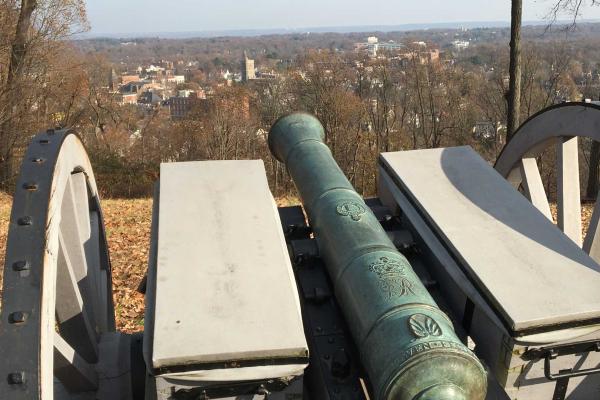
Fort Nonsense if one of four sites that compose Morristown National Historical Park. Atop a hill, it functioned as a defensive observation post for those encamped at Morristown.