Jim Capers Eutaw Springs
History Along The Trail

The Liberty Trail Story Tellers

The American Revolution was decisively influenced by The Liberty Trail’s diverse terrain, spanning swamps, fields, woods, and mountains. Delve into the narrative of American Independence with blog posts surrounding The Liberty Trail.

States of Interest:
The Blog |

In 1786, only a few years after the end of the Revolutionary War, the new United States had to confront a crisis: a rebellion was brewing in the very same state where the war for American independence...

The Blog |

Beginning with the reign King Louis XIV, cannons produced for the French army had a Latin motto engraved on their barrels: “Ultima Ratio Regum,” or “The Last Argument of Kings.” In the American...

The Blog |

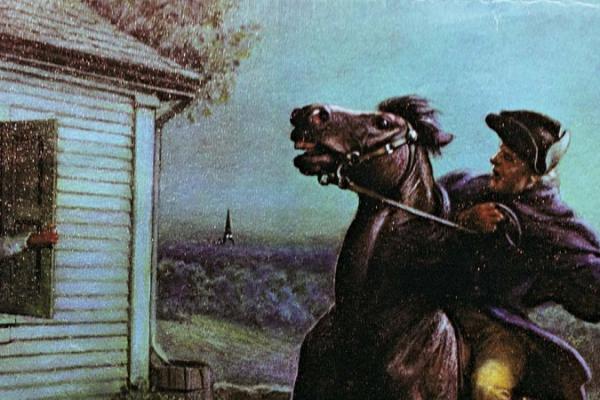
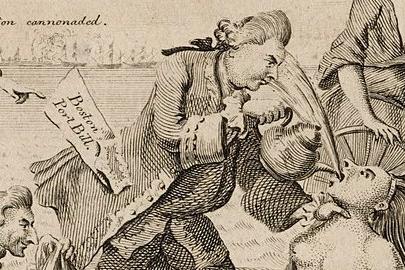
In 1774, Great Britain decided to use brute force to deal with the rebellious American colonies, particularly the colony of Massachusetts. Following the blatant insubordination of the Boston Tea Party...

The Blog |

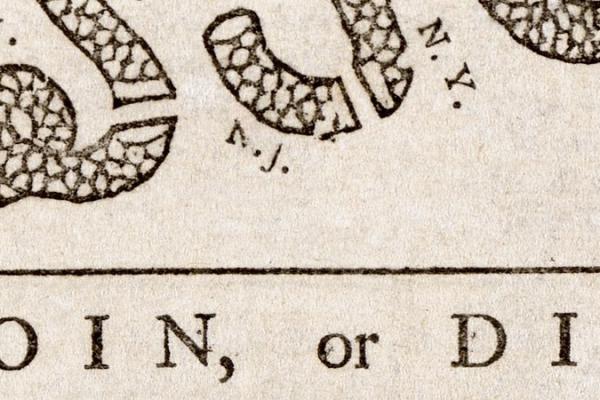
The Sons of Liberty was a secret underground society created due to the social and political fallout of the French and Indian War. The war, which took place throughout the world, was just one part of...

The Blog |

On June 29, 1767, the British Parliament passed an act that began as follows:

The Blog |

It is one of the most iconic scenes in the American epoch—defiant colonists dumping crates of tea into Boston Harbor. The Boston Tea Party is known as a central event in the American Revolution. But...

We invite you to visit the preserved locations along the Liberty Trail and to immerse yourself in the extraordinary events that determined the fate of a nation.
Battlefield
Pinewood, SC

McLeroth and his 64th Regiment were escorting 200 recruits from Charleston to Camden when Marion, with about 700 men, surprised them at Halfway Swamp.

Historic Site |
Morristown, NJ

The Arnold Tavern, constructed in the mid-18th century, served as Washington's headquarters from January - May 1777

Historic Site | Historic House
Springfield, NJ

This Revolutionary War landmark withstood fierce fighting during the Battle of Springfield. A British cannonball struck the home — and the scar remains visible today. Inside, the house has been restored and now serves as a museum filled with artifacts, documents, and stories that bring the 1780 battle to life.

National Park | Historic House
Quincy, MA

This home, now known as the "John Quincy Adams Birthplace," was John and Abigail Adams' residence during the Revolutionary War. While John served as a delegate to the Second Continental Congress in Philadelphia, Abigail managed this home and served as an advisor to her husband in his public role.

Historic Site |
Yorktown, VA
Following the Revolutionary War, Lafayette accepted an invitation from George Washington and returned to America. The Marquis de Lafayette departed France in mid-June 1784 and arrived in New York City...
Historic Site | Historic House
Charleston, SC

Visit Historic Drayton Hall — Tour the nation’s oldest preserved plantation house in America still open to the public. Explore Drayton Hall's 18th-century architecture, landscapes & the people who lived here.

Historic Site
Gaffney, SC
James Henderson Williams (1740–1780) was an American pioneer, farmer, and miller from the Ninety-Six District in South Carolina, who played a key role in the American Revolution. Initially a member of...
Battlefield | State/County Park
Oriskany, NY

On August 6, 1777, British forces under the command of Sir John Johnson engaged American forces under Nicholas Herkimer in the Battle of Oriskany, resulting in one of the few battles of the war where all the participants were North American.

National Park | Historic House
Lincoln, MA

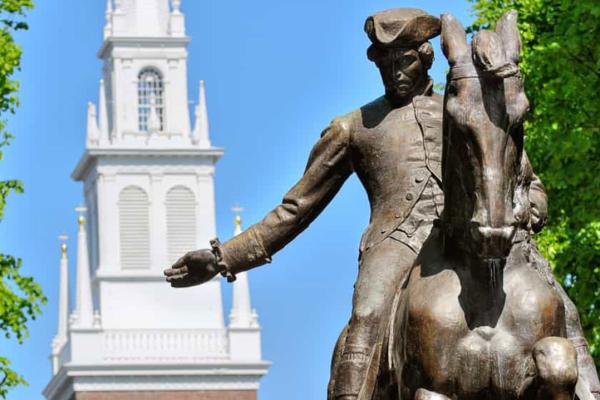
Located near where Paul Revere was captured during his famous ride, one of Revere's compatriots was able to escape and alert Hartwell family, who continued to raise the alarm about the advancing British troops.

Battlefield | State/County Park
Stony Point, NY

Now a state park in New York, Stony Point once served as British defensive position along the Hudson River during the New York campaign. Thanks to cunning actions of "Mad" Anthony Wayne, British forces were swiftly pushed from their defenses.

Historic Site |
Williamsburg, VA

Known worldwide as the nation's largest living history museum, Colonial Williamsburg operates the restored eighteenth-century capital of colonial Virginia.

Historic Site
Abingdon, VA

The Abingdon Muster Grounds is a 9-acre park is the site where, in 1780, 400 Virginians joined other patriot militia from the western frontier in a two-week campaign that ended with a critical victory at the Battle of Kings Mountain. The Abingdon Muster Grounds is a partner site of the Overmountain Victory National Historic Trail.