Explore the picturesque beauty of the countryside on horseback, immersing yourself in the calm of nature and the charm of scenic landscapes.
-
The BlogBiographies
-
Videos

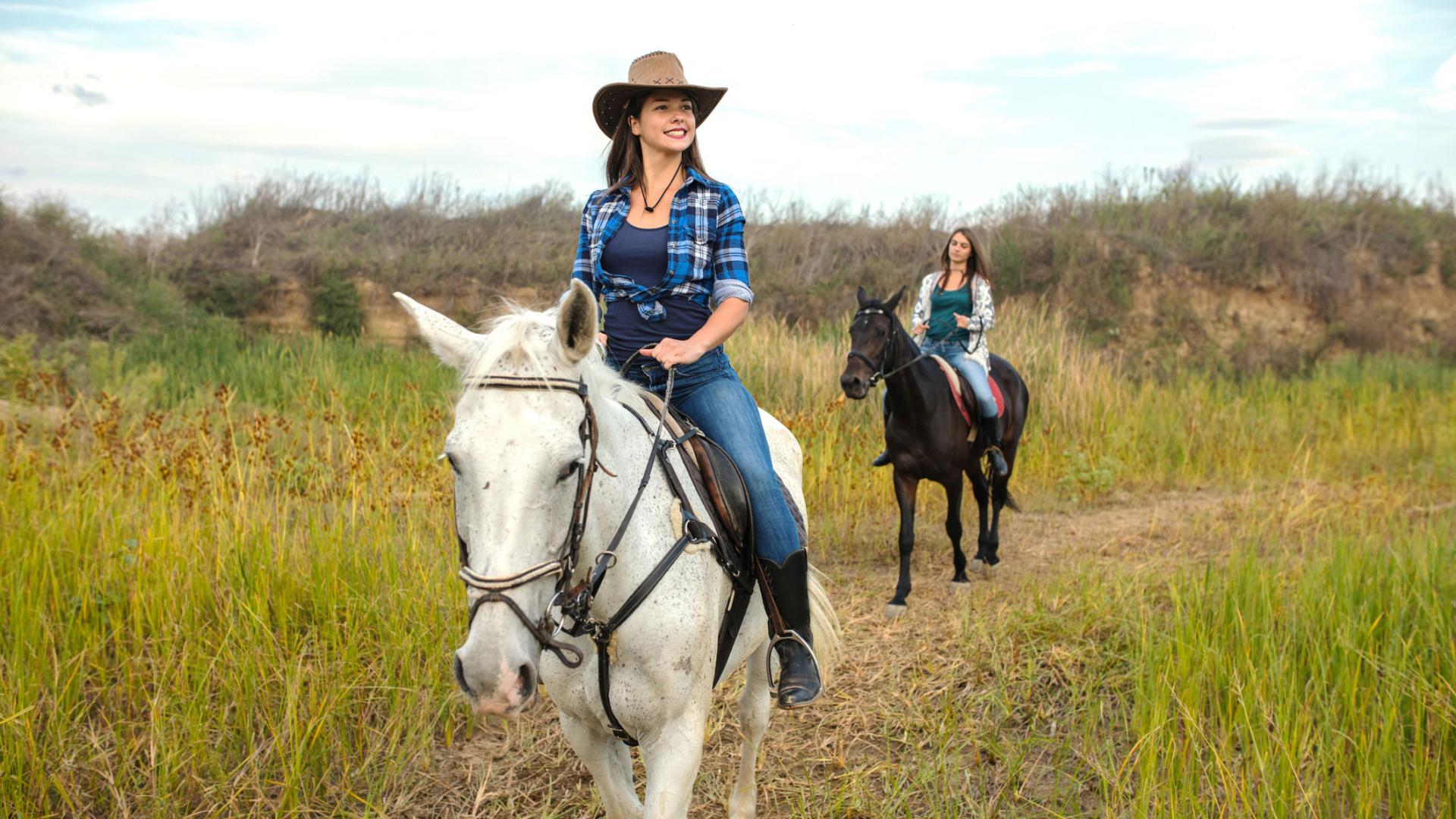
Explore the picturesque beauty of the countryside on horseback, immersing yourself in the calm of nature and the charm of scenic landscapes.
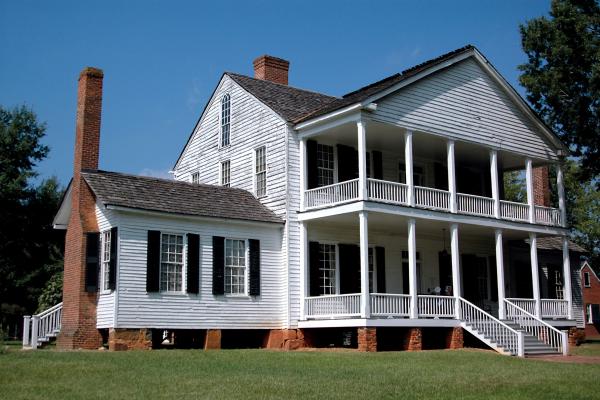
Located in a 800-acre natural area, riders can enjoy the 0.7 mile Nature Trail and Huck’s Defeat Battlefield Trail. Along with history, you’ll discover the geographical diversity of the Carolina...
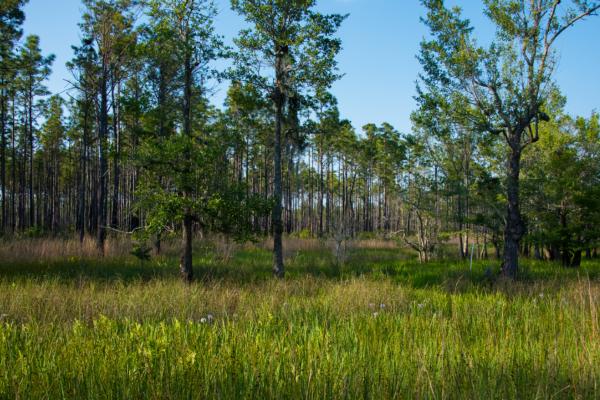
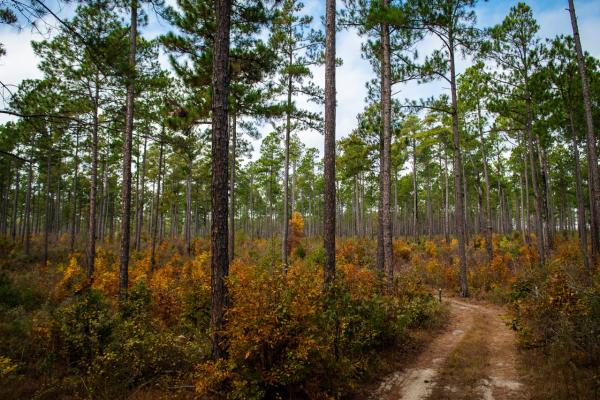
Explore the beauty of the Francis Marion National Forest on the Enoree Passage, part of the Palmetto Trail. This moderately easy section of the Palmetto Trail winds through pine ridges and hardwood...
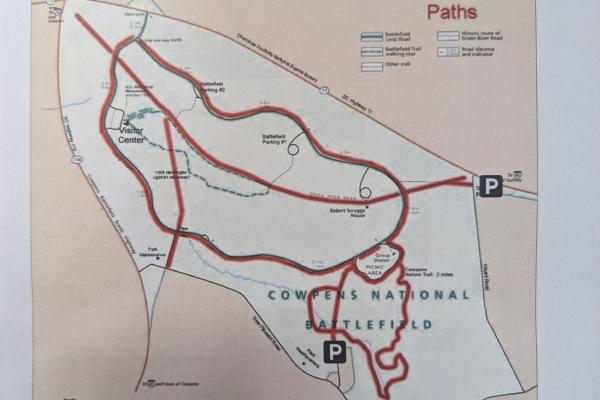
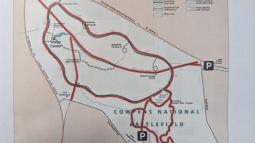
Horse Riding Regulations Cowpens National Battlefield is preserved to tell the story of the 1781 Revolutionary War battle. Recreational uses are allowed if they do not damage park resources or detract...
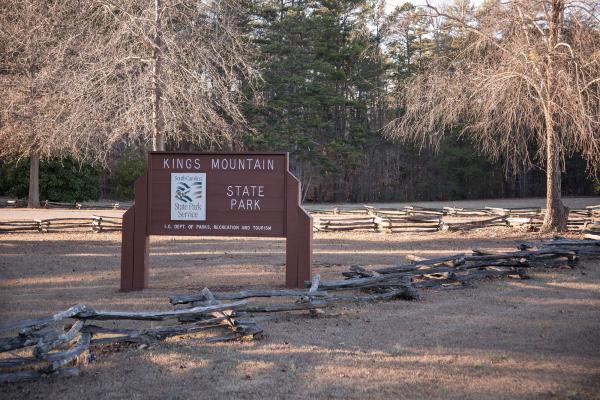
The park’s 30+ miles of equestrian trails connect to the national park’s equestrian trails. The equestrian camping area includes 15 equestrain campsites which rent for $12/site/night.
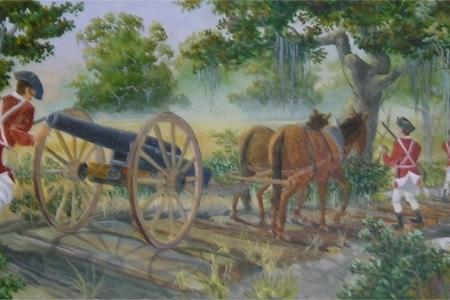
After Turkey Creek, the Swamp Fox Passage shares the Jericho Horse Trail within Francis Marion National Forest, made famous by Revolutionary War hero Francis Marion.
We invite you to visit the preserved locations along the Liberty Trail and to immerse
yourself in the extraordinary events that determined the fate of a nation.
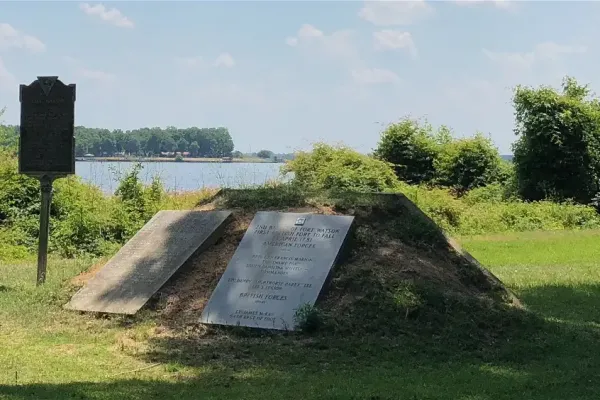
After an eight-day siege, this strategic outpost fell to the Americans, who used an ingenious structure called Maham’s Tower to fire down into the fort and trap the enemy.
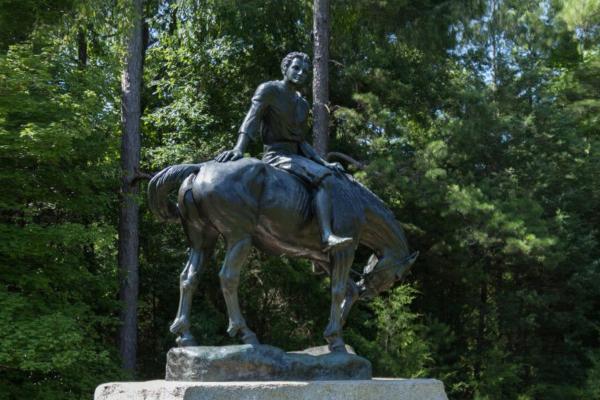
Andrew Jackson State Park combines history, art and community activities into a setting that has made it one of the state’s most popular parks.
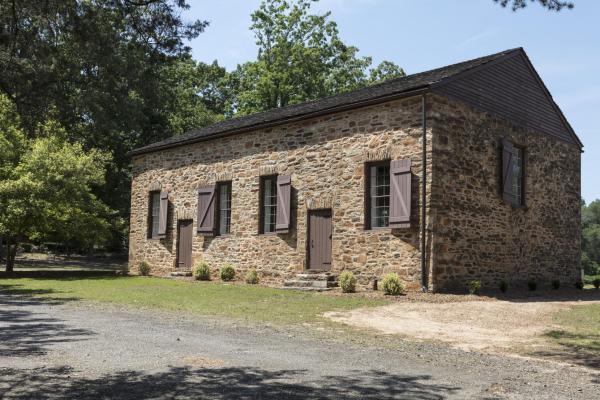
Nestled outside the traditional bounds of the South Carolina colony is the Presbyterian church where Andrew Pickens committed his time as an elder following the Revolution. In the adjacent cemetery lie the graves of several American soldiers who had fought by Pickens' side during the war.
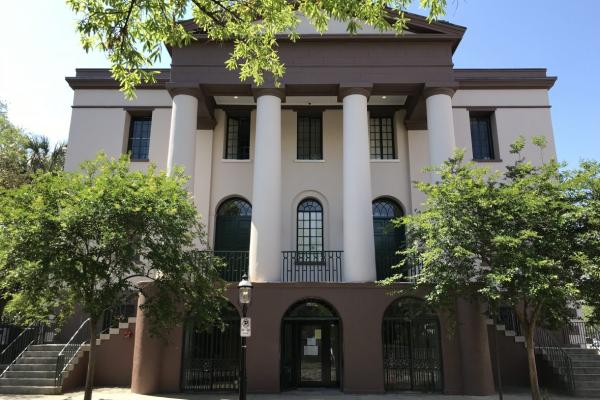
An architectural treasure in its own right, the South Carolina Historical Society Museum is housed in a National Historic Landmark building and features interactive exhibits on the people, places, and movements that shaped the state and nation.
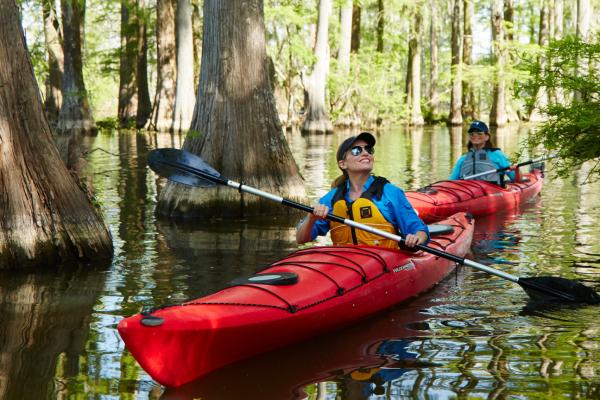
Santee State Park offers biking and hiking trails and pontoon boat tours of the flooded cypress forest on Lake Marion, named after Revolutionary War hero Francis Marion, the “Swamp Fox”.
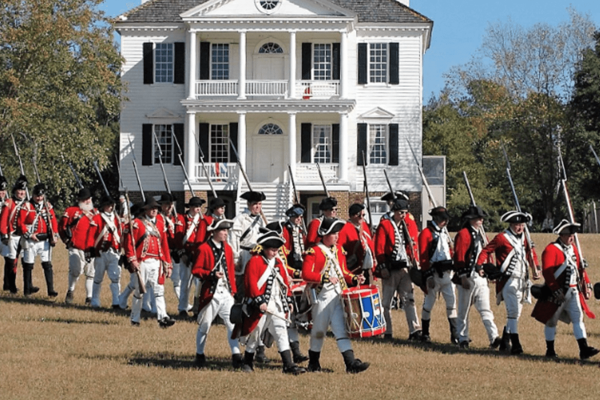
A former British headquarters, explore the reconstructed Kershaw/Cornwallis House, British redoubts, and programs about colonial life.
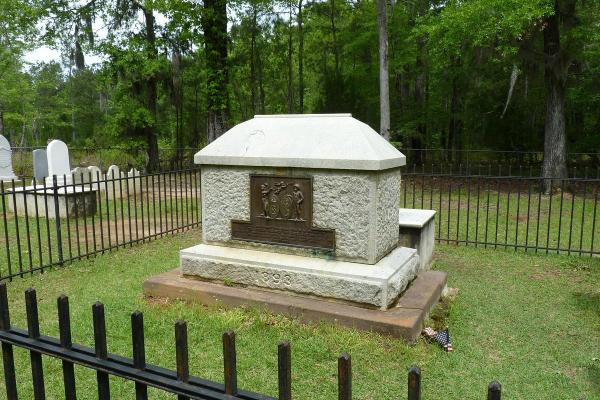
Francis Marion was a skilled military leader during the American Revolutionary War, known for his guerilla tactics and strategic maneuvers in the Southern Campaign. His contributions to the war effort and his enduring legacy as a symbol of American resilience and military ingenuity remain today.
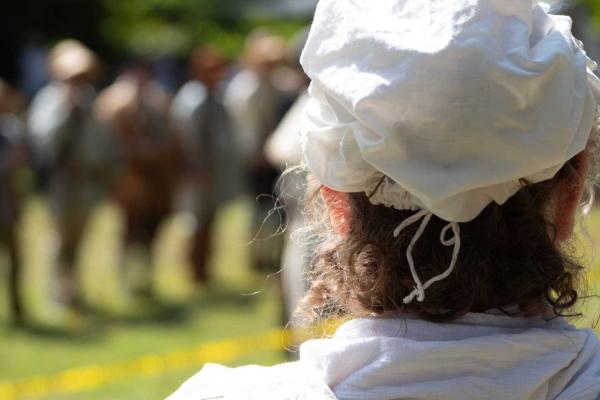
When Jane Black Thomas overheard Loyalists plotting a surprise attack on her son's militia camp, she rode nearly 60 miles through dangerous territory to warn him. Her daring ride gave Colonel John Thomas Jr. and his Spartan Regiment time to prepare an ambush that repelled the attackers — fueling Patriot momentum toward the war-changing Battle of King's Mountain just three months later.
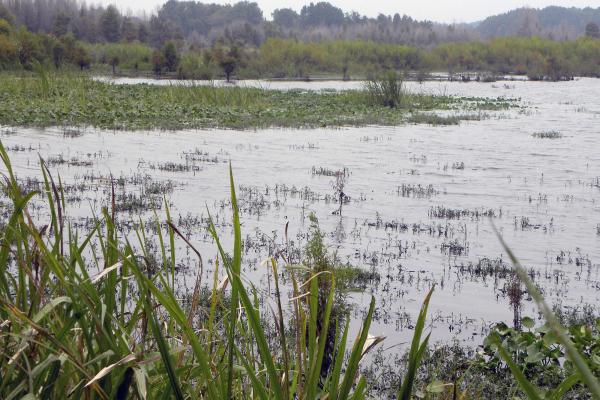
Located within the Santee Wildlife Refuge, this was the last major battle of the war in South Carolina.
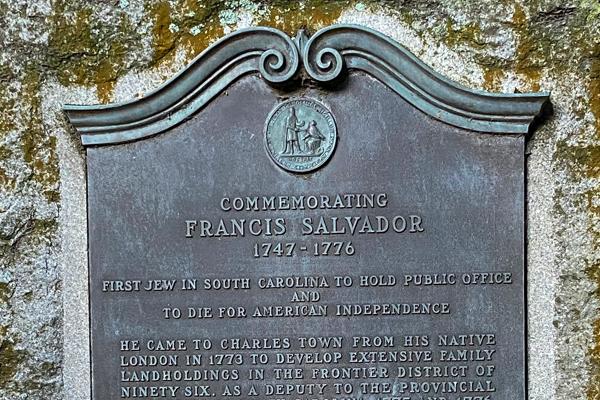
Francis Salvador, the first Jewish person to die in the Revolutionary War, was a London-born pioneer who moved to South Carolina in 1773. A vocal supporter of independence, he became the first Jewish person to hold political office in the state. Known as the "Southern Paul Revere," Salvador warned of attacks during the war but tragically died in an ambush in 1776 at just 29 years old, leaving behind a legacy of courage and commitment to freedom.

Old Santee Canal Park hosts the Berkeley County Museum and Fort Fair Lawn, where in 1780, the British attacked the Patriot army stationed at Monck’s Corner.
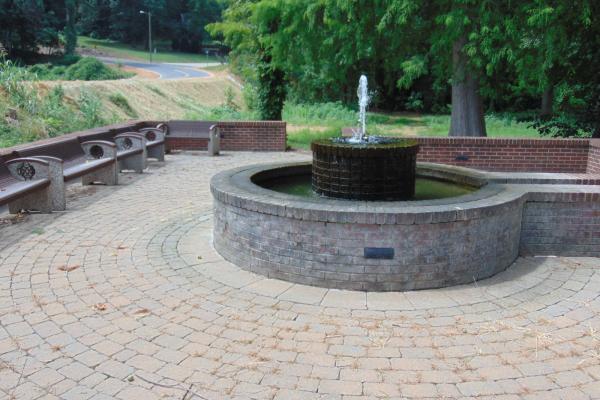
Three unknown British soldiers wounded at the nearby Battle of Cowpens died here at Limestone Springs and were buried on the land by order of Patriot Captain Vardry McBee Sr. and his wife, Hannah Echols.