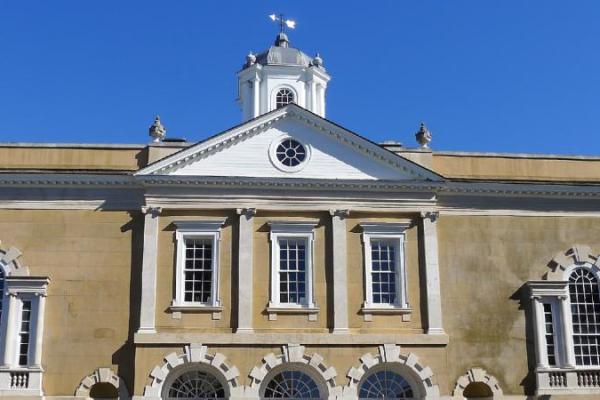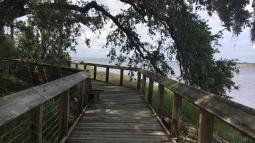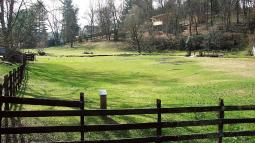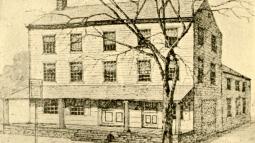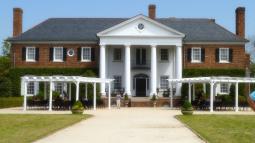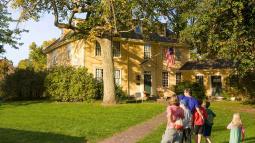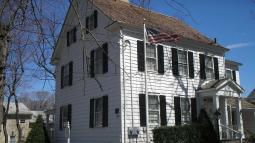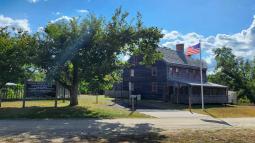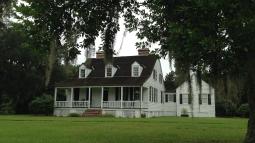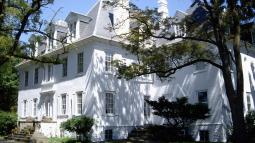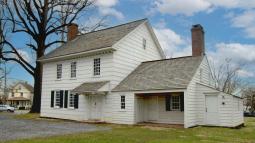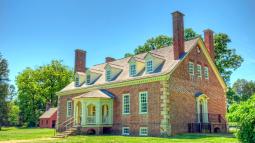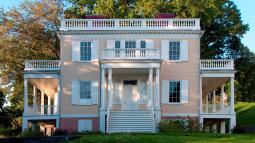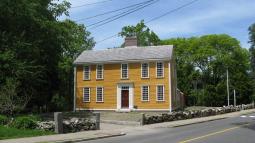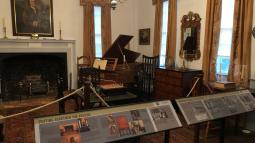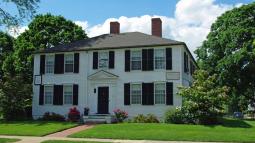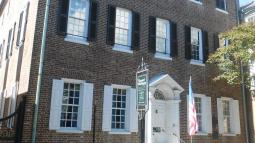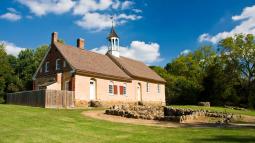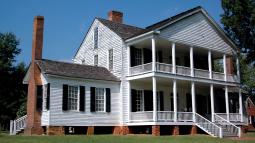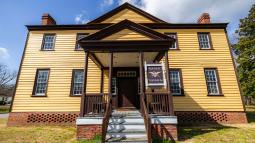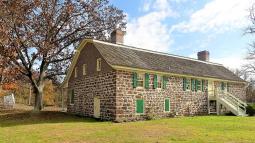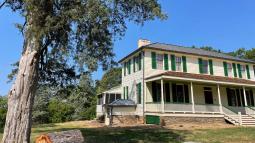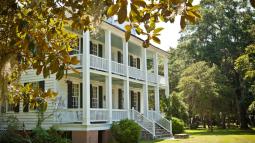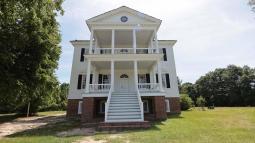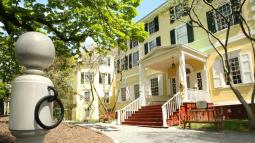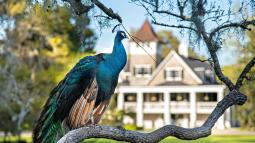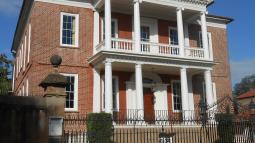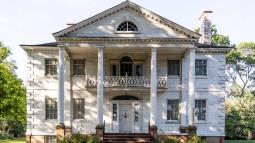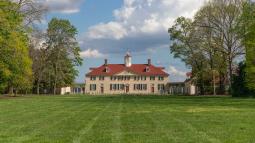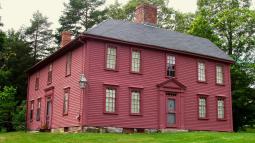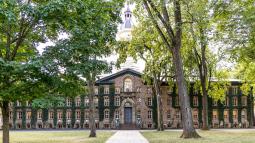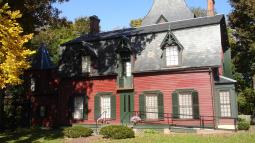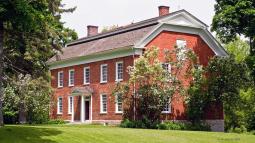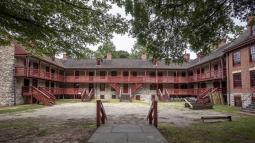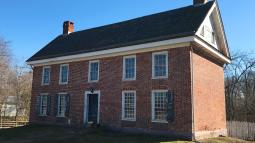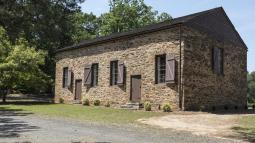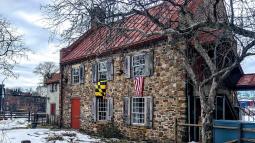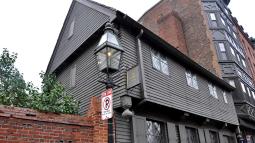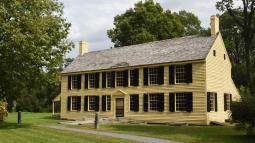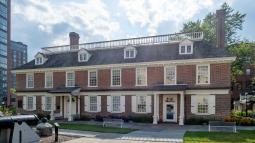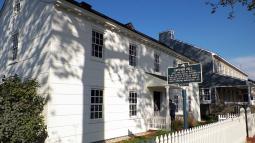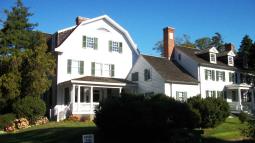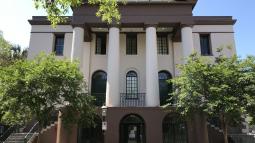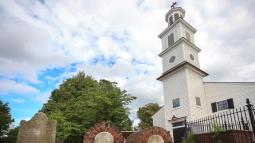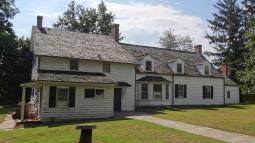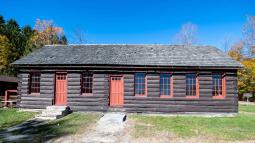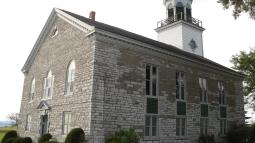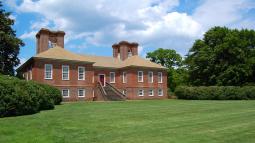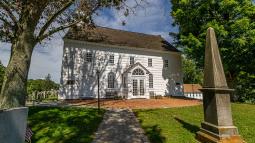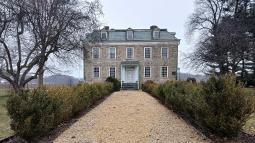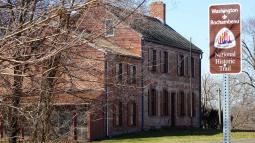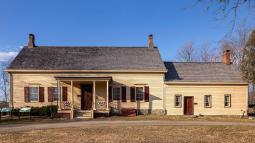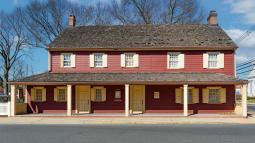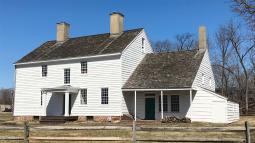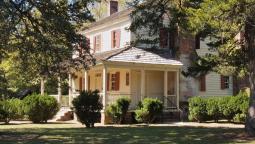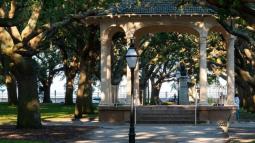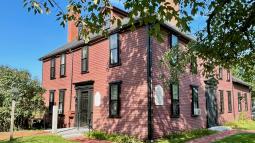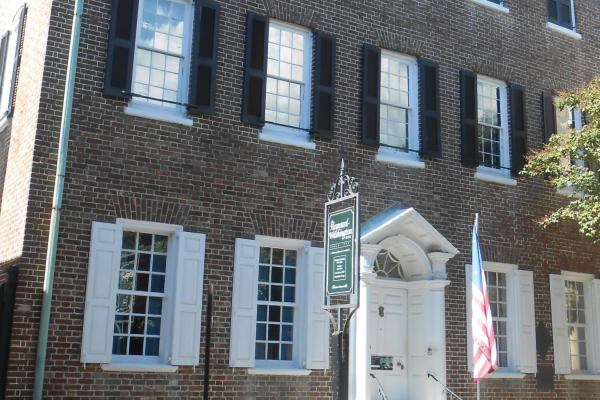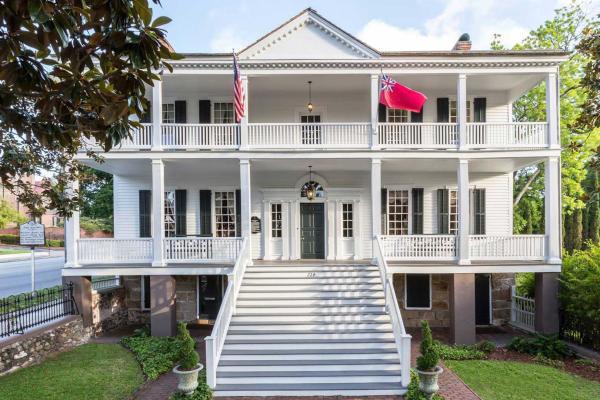
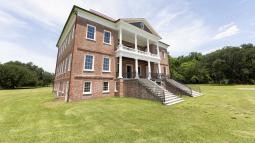
This historic house museum was the home of Thomas Heyward, Jr., one of four South Carolina signers of the Declaration of Independence.
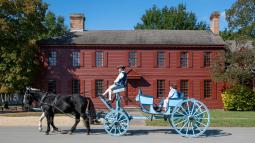
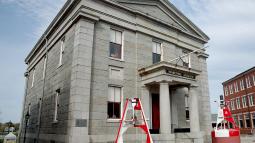
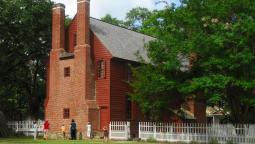
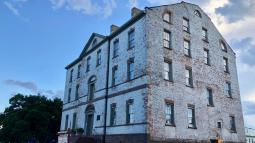
North Carolina's first official town and port of entry, Bath served as an early hub of trade and development during the Colonial period.
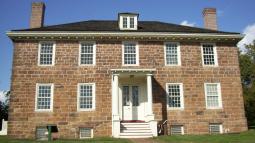
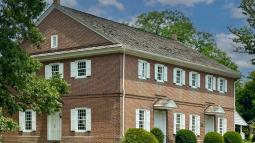
Once a thriving commercial hub, Bethabara was home to a Moravian settlement in Winston-Salem that witnessed the French and Indian War, the Regulator...
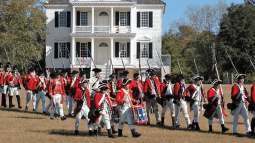
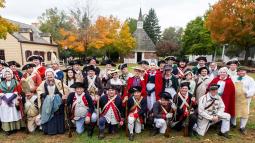
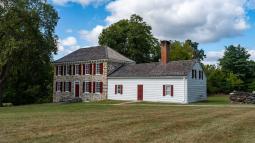
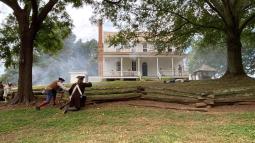
Discover the history of the Scots-Irish and African-Americans through preserved buildings and living history experiences of the Brattonsville...
Explore colonial Halifax at a preserved Revolutionary-era town where historic homes, public spaces, and hands-on exhibits reveal how North Carolinians...
- parking
- accessible_parking
- wheelchair_accessible
- restrooms
- wifi
- restrooms
- wheelchair_accessible
- parking
- accessible_parking
- wheelchair_accessible
- restrooms
- parking
- accessible_parking
- wheelchair_accessible
- restrooms
- parking
- accessible_parking
- wheelchair_accessible
- pet_friendly
- parking
- accessible_parking
- wheelchair_accessible
- pet_friendly
- parking
- accessible_parking
- wheelchair_accessible
- restrooms
- wifi
- parking
- accessible_parking
- wheelchair_accessible
- restrooms
- wifi
- parking
- accessible_parking
- wheelchair_accessible
- parking
- accessible_parking
- restrooms
- pet_friendly
- parking
- accessible_parking
- wheelchair_accessible
- restrooms
- parking
- accessible_parking
- wheelchair_accessible
- restrooms
- wifi
- parking
- accessible_parking
- wheelchair_accessible
- restrooms
- wifi
- parking
- restrooms
- wheelchair_accessible
Liberty Trail History Makers
The Revolutionary War was a war unlike any other — one of ideas and ideals, that shaped “the course of human events. Explore the history and personalities from this pivotal time in American history.Lucy Flucker Knox defied her family to marry Henry Knox and supported him through the Revolution, balancing life as a military wife and mother. Her story highlights women's overlooked role in early American history.
Son of prominent leader John Baptista Ashe, John Ashe emerged as a leading Patriot in North Carolina, turning from crown loyalist to Revolutionary commander after colonial unrest and rising to brigadier general by 1776. Though defeated at Brier Creek and later captured when British forces overran Wilmington, Ashe died a prisoner of war in 1781 after contracting smallpox.
Frontier surveyor turned Patriot officer, William Lenoir carried the Revolution into North Carolina’s backcountry—fighting at Kings Mountain, surviving the chaos of Pyle’s Massacre, and emerging from war as one of Wilkes County’s most enduring civic leaders.
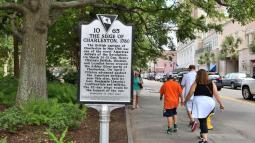
When British forces besieged Charleston, Lincoln was forced to surrender over 5,000 men. Denied honors of war in surrender, Lincoln was paroled and returned to Washington’s army. After the Battle of Yorktown, Lincoln accepted the surrender from the British, allowing him to have revenge for his defeat in Charleston.