There are no results matching your search. Please try again.

- parking
- accessible_parking
- wheelchair_accessible
- restrooms
- wifi
- restrooms
- wheelchair_accessible
- parking
- accessible_parking
- wheelchair_accessible
- restrooms
- parking
- accessible_parking
- wheelchair_accessible
- restrooms
- parking
- accessible_parking
- wheelchair_accessible
- pet_friendly
- parking
- accessible_parking
- wheelchair_accessible
- pet_friendly
- parking
- accessible_parking
- wheelchair_accessible
- restrooms
- wifi
- parking
- accessible_parking
- wheelchair_accessible
- restrooms
- wifi
- parking
- accessible_parking
- wheelchair_accessible
- parking
- accessible_parking
- restrooms
- pet_friendly
- parking
- accessible_parking
- wheelchair_accessible
- restrooms
- parking
- accessible_parking
- wheelchair_accessible
- restrooms
- wifi
- parking
- accessible_parking
- wheelchair_accessible
- restrooms
- wifi
- parking
- restrooms
- wheelchair_accessible
Liberty Trail History Makers
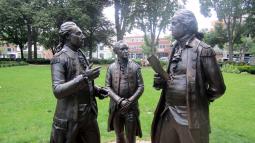
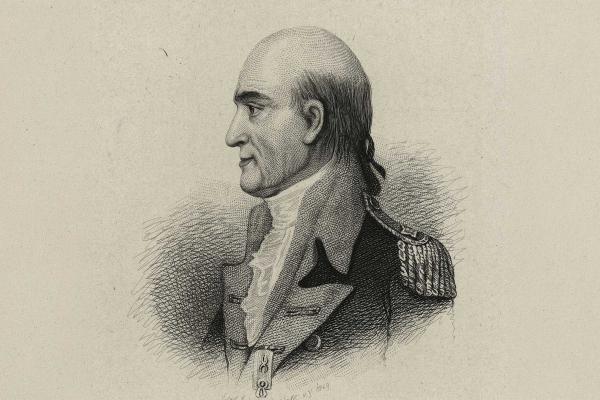
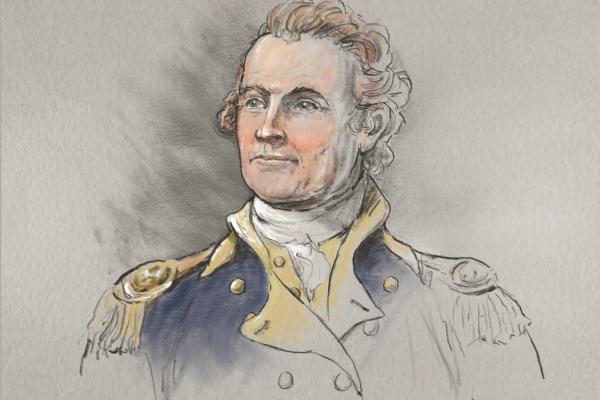
The Revolutionary War was a war unlike any other — one of ideas and ideals, that shaped “the course of human events. Explore the history and personalities from this pivotal time in American history.Anthony Wayne, dubbed "Mad Anthony," was a bold Revolutionary War general, key in victories like Stony Point and Fallen Timbers. His fiery reputation earned him his nickname. He died in 1796 in Presque Isle, Pennsylvania.
A career military officer under the French crown, the Comte de Rochambeau led 5,500 French troops to North America to aid in the Patriots' fight for independence from Britain.
A seasoned officer from the French and Indian War, Putnam played a key role in the Battle of Bunker Hill, but his military career ended after a series of setbacks and a debilitating stroke.
Catawba leader General New River, born around 1740, allied with the Patriots during the Revolutionary War, leading Catawba warriors in key southern battles. Despite their service, the Catawba lost much of their ancestral land, and New River continued advocating for his people's rights until his death in 1804.