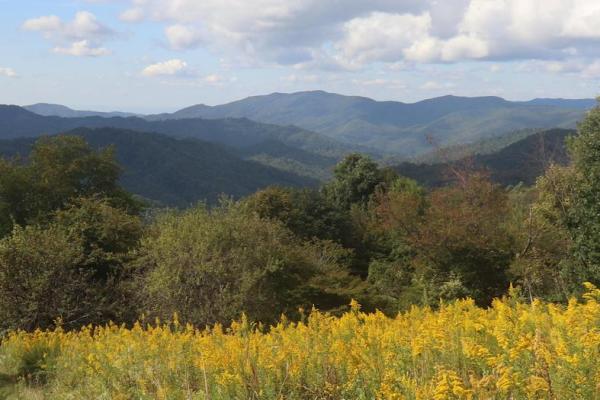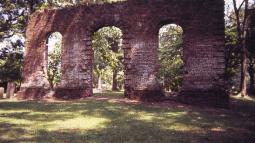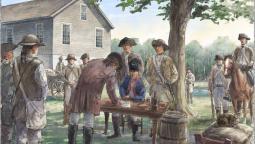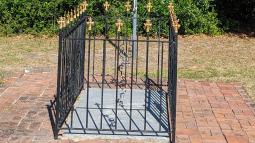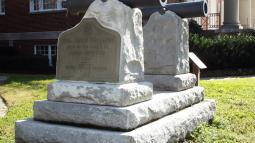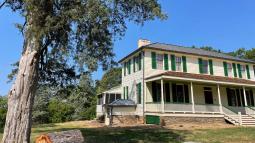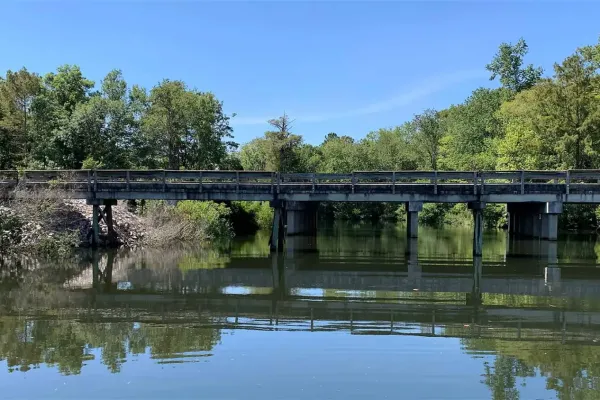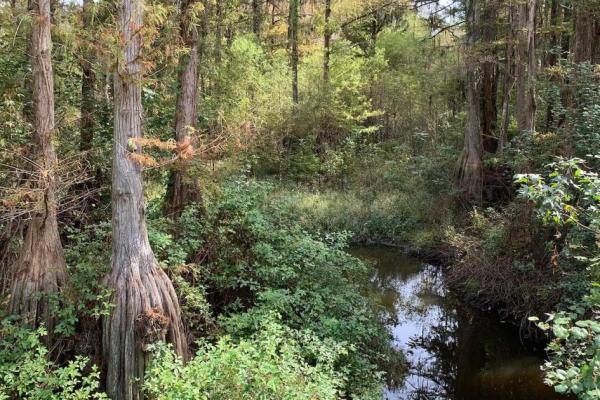
Located along the Great Pee Dee River, Snow's Island served as Francis Marion's favorite refuge for his militia in the swamps of South Carolina

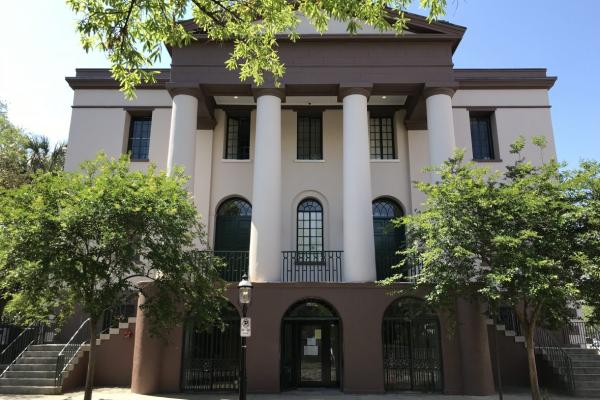
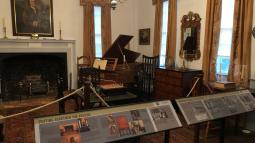
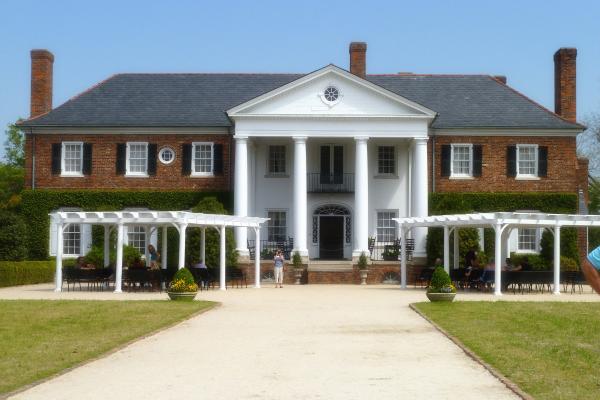
An architectural treasure in its own right, the South Carolina Historical Society Museum is housed in a National Historic Landmark building and...
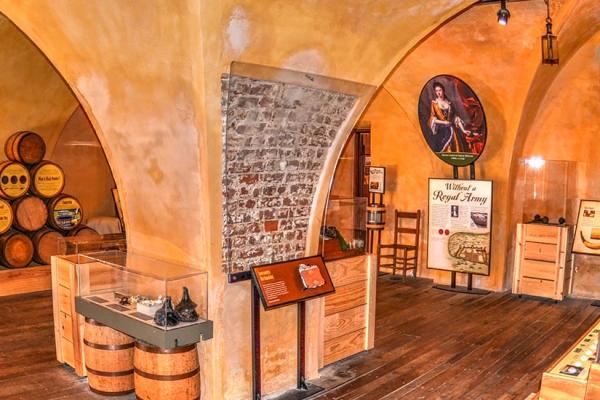
Completed in 1713, The Powder Magazine is South Carolina's oldest government building.
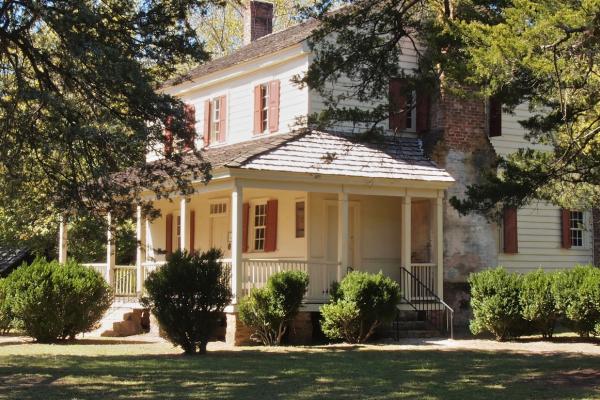
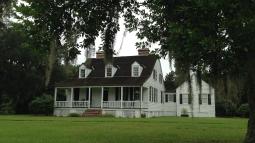
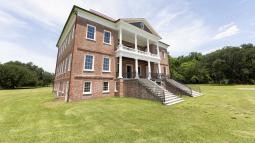
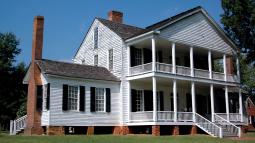
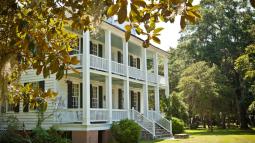
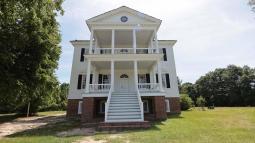
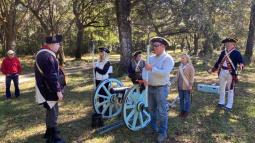
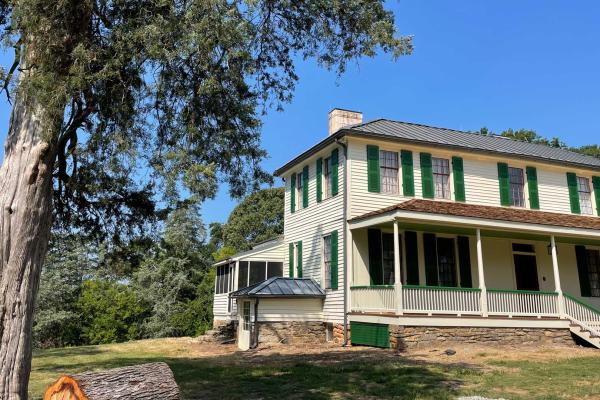
Established in 1767 by the Patriot supporting Moore family. Local militia gathered at Walnut Grove prior to the Battle of Cowpens. Visitors may take...
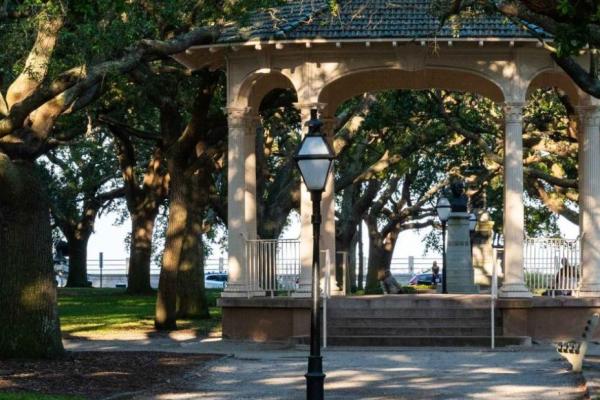
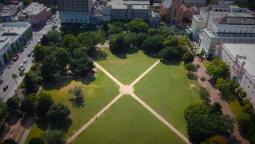
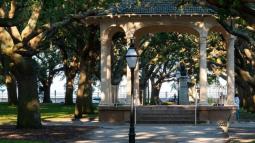
The White Point Garden offers incredible views that span across the Ashley and Cooper Rivers. Fort Sumter, Castle Pinckney, and the Sullivan Island...
- restrooms
- wheelchair_accessible
- parking
- accessible_parking
- wheelchair_accessible
- pet_friendly
- parking
- accessible_parking
- wheelchair_accessible
- pet_friendly
- parking
- accessible_parking
- wheelchair_accessible
- restrooms
- parking
- restrooms
- wheelchair_accessible
Liberty Trail History Makers
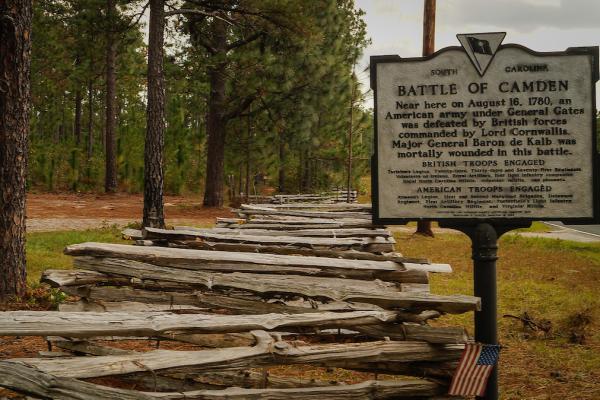
The Revolutionary War was a war unlike any other — one of ideas and ideals, that shaped “the course of human events. Explore the history and personalities from this pivotal time in American history.At the Battle of Camden, British General Lord Cornwallis routed Gates’s army and captured nearly 1,000 men, including their supplies, baggage, and artillery. There was no organized retreat, and Gates rode near 170 miles north in three days to flee. It destroyed his reputation and his new southern army.
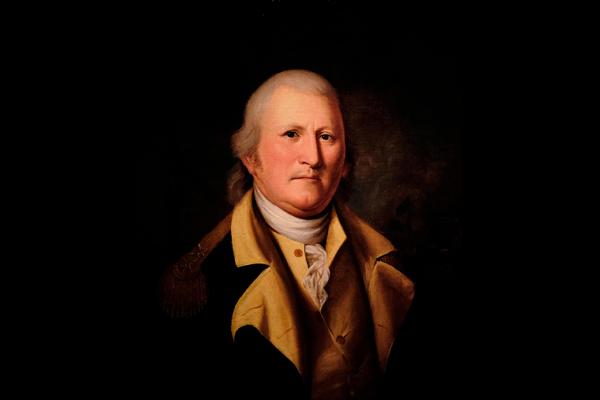
William Woodford (1734–1780) was a Virginia soldier who made his mark early in the Revolution, leading the 2nd Virginia Regiment to victory at Great Bridge. A seasoned fighter, he battled at Brandywine and Monmouth, but was captured at Charleston. Woodford tragically died in British captivity aboard a prison ship.
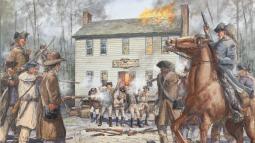
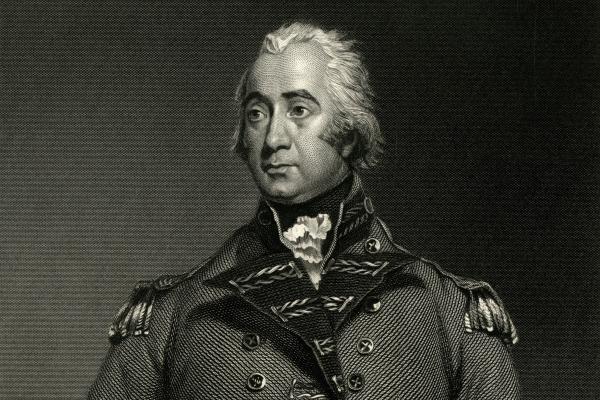
Tarleton, active in the Southern Campaign, came to be known as the ‘butcher’ after Continental soldiers accused his dragoons of disregarding a Patriot surrender by attacking the Americans after they laid down their arms at the Battle of Waxhaws.
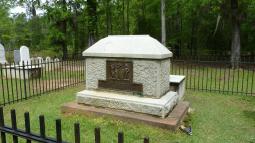
During the Battle of Camden, when the American line collapsed, de Kalb and his infantry remained on the field. De Kalb led a counterattack in an attempt to stem the tide but the British swarmed around the American. As Gates’s army retreated, de Kalb fell and was taken to Camden where he died in 3 days.