-
The BlogBiographies
-
Videos

We invite you to visit the preserved locations along the Liberty Trail and to immerse
yourself in the extraordinary events that determined the fate of a nation.
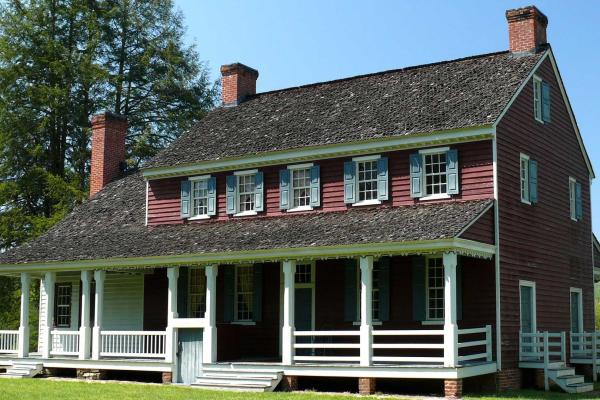
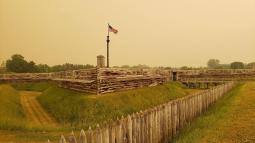
Built in 1792 by Revolutionary War officer William Lenoir, Fort Defiance preserves the homestead that rose near the site of an earlier frontier fort and reflects the legacy of one family for nearly two centuries.
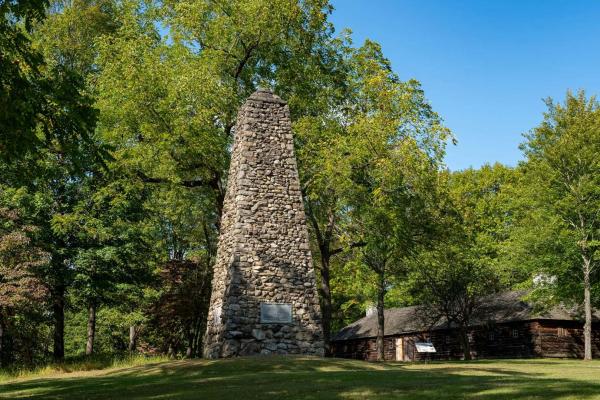
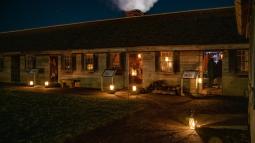
The New Windsor Cantonment Site preserves the final winter encampment of George Washington’s Continental Army, where nearly 7,500 soldiers awaited the war’s end in 1783.
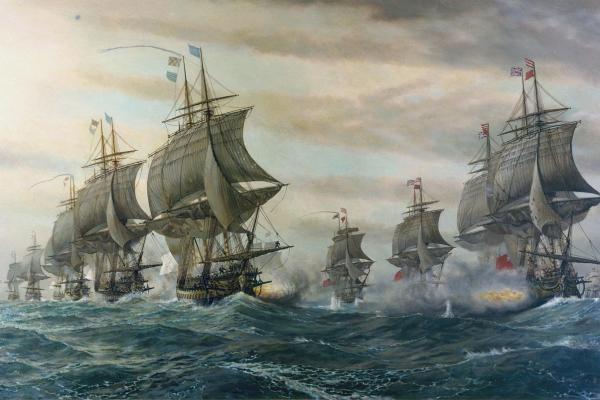
The Battle of the Capes occurred around the mouth of Chesapeake Bay in 1781. The naval battle occurred between the French and the British navies. Even though the battle lasted two hours, it played a significant role in the Siege of Yorktown's success, ultimately leading to the United States' independence.
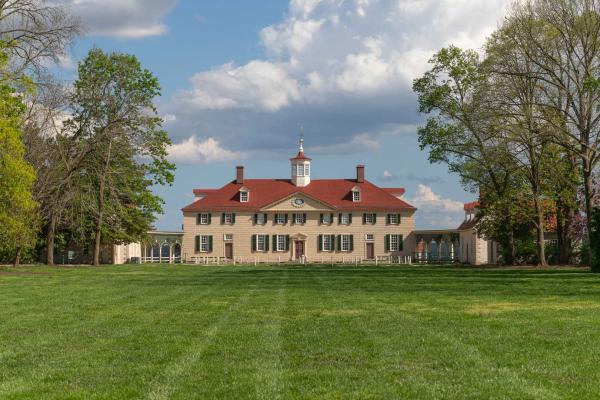
Mount Vernon acted as the former plantation estate of the legendary Revolutionary War general, George Washington. The current estate includes the original mansion, gardens, tombs, a working farm, a functioning distillery and gristmill, plus a museum and education center.
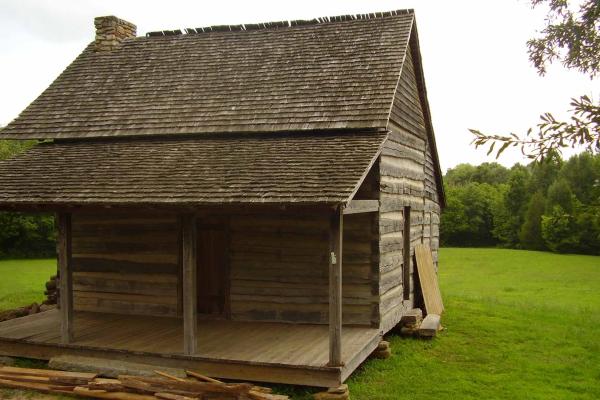
Located an hour away from Charlotte, the Ramsour's Mill battleground marks the site of the first Patriot victory in the south following the fall of Charleston.
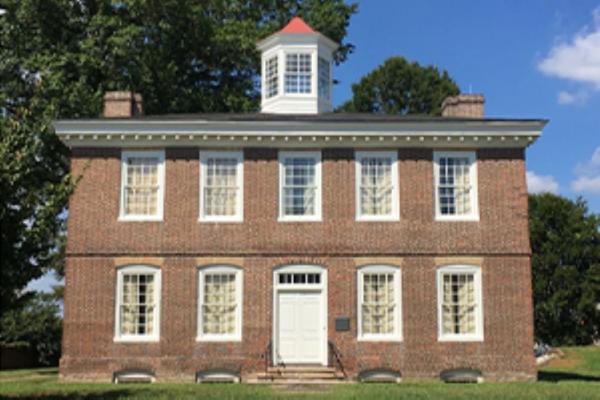
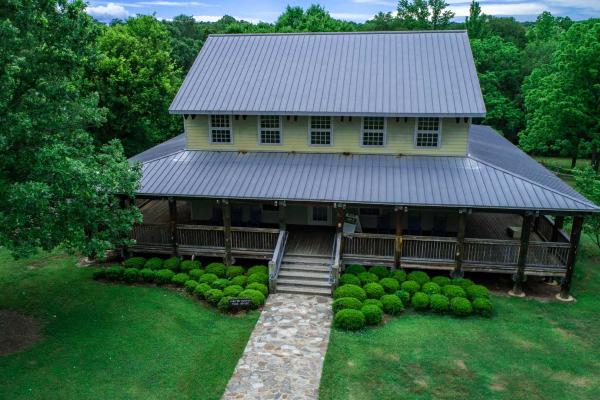
The site of the 1780 battle of Musgrove’s Mill where a small force of Patriot militia fought and defeated a larger force of Loyalist and Provincial soldiers in a short but pivotal battle.
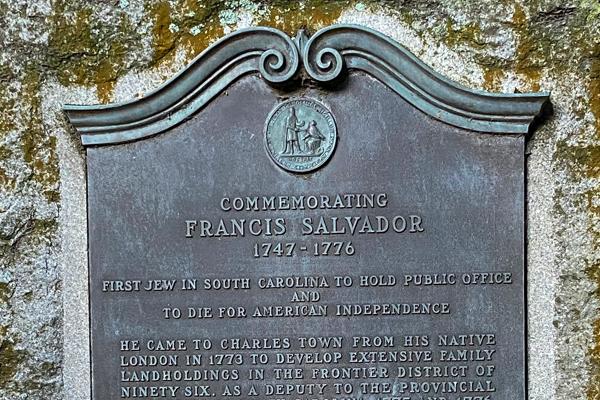
Francis Salvador, the first Jewish person to die in the Revolutionary War, was a London-born pioneer who moved to South Carolina in 1773. A vocal supporter of independence, he became the first Jewish person to hold political office in the state. Known as the "Southern Paul Revere," Salvador warned of attacks during the war but tragically died in an ambush in 1776 at just 29 years old, leaving behind a legacy of courage and commitment to freedom.
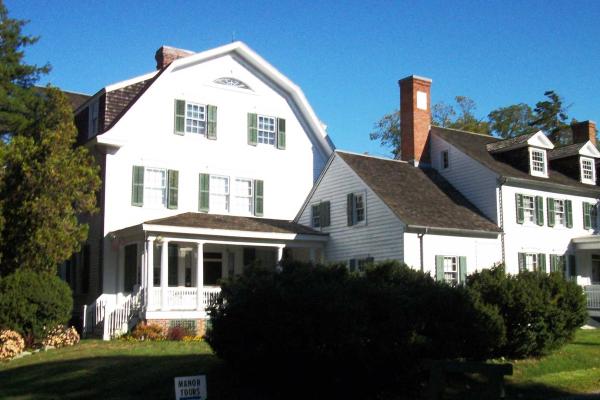
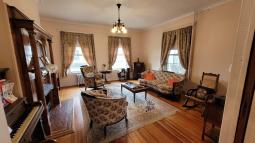
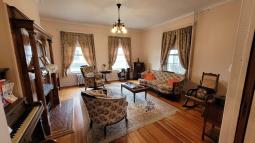
The manor served as a local headquarters for British forces during the American Revolution.
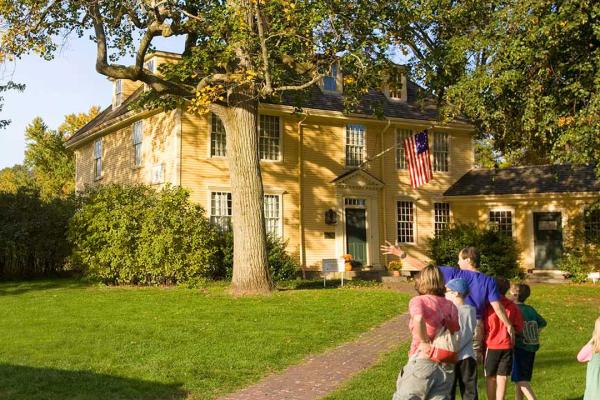
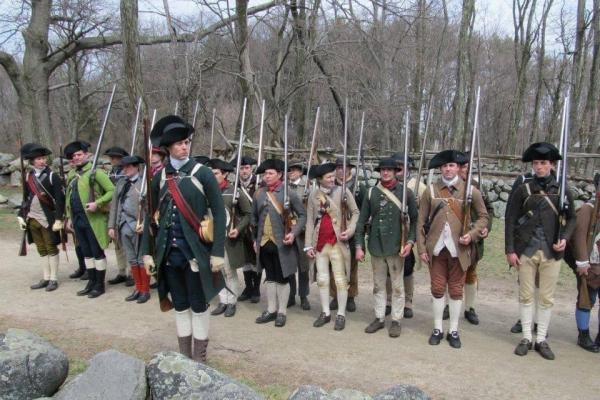
Waiting on British troops to arrive on the morning of April 19, militia members used this tavern to wait for their arrival before assembling on the field of battle and sparking the American Revolution
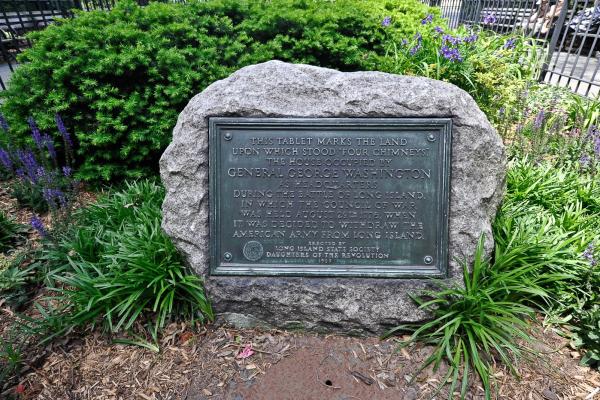
Four Chimneys, home of Hezekiah Beers Pierrepont, was a notable Brooklyn Heights house that served as George Washington's headquarters during the Battle of Long Island in August 1776.