Jim Capers Eutaw Springs
History Along The Trail

The Liberty Trail Story Tellers

The American Revolution was decisively influenced by The Liberty Trail’s diverse terrain, spanning swamps, fields, woods, and mountains. Delve into the narrative of American Independence with blog posts surrounding The Liberty Trail.

States of Interest:
The Blog |

Beginning with the reign King Louis XIV, cannons produced for the French army had a Latin motto engraved on their barrels: “Ultima Ratio Regum,” or “The Last Argument of Kings.” In the American...

The Blog |

In 1774, Great Britain decided to use brute force to deal with the rebellious American colonies, particularly the colony of Massachusetts. Following the blatant insubordination of the Boston Tea Party...

The Blog |

The Sons of Liberty was a secret underground society created due to the social and political fallout of the French and Indian War. The war, which took place throughout the world, was just one part of...

The Blog |

On June 29, 1767, the British Parliament passed an act that began as follows:

The Blog |

It is one of the most iconic scenes in the American epoch—defiant colonists dumping crates of tea into Boston Harbor. The Boston Tea Party is known as a central event in the American Revolution. But...

The Blog |

The Boston Massacre marked the moment when political tensions between British soldiers and American colonists turned deadly. Patriots argued the event was the massacre of civilians perpetrated by the...

Exploring History
We invite you to visit the preserved locations along the Liberty Trail and to immerse yourself in the extraordinary events that determined the fate of a nation.
National Park | Battlefield
Concord, MA

The site of the first known Colonist offensive attack during the Revolution, Meriam's Corner marks where the British column, retreating to Boston, was ambushed by local militias.

Historic Site | Fort/Outpost
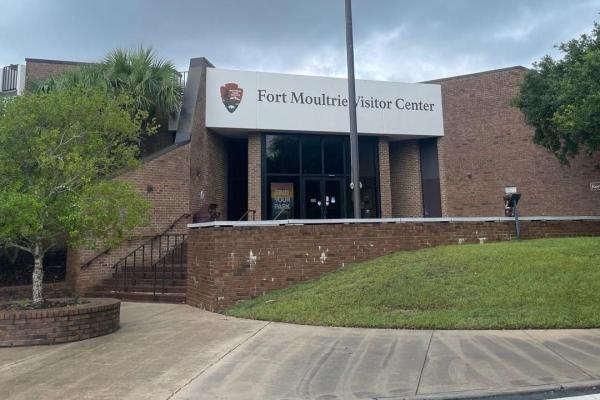
Charleston, SC

One of the many forts that dotted the landscape around Charleston, Patriots seized this fortification and raised the Moultrie flag, which bears resemblance to the modern standard of South Carolina.

Battlefield |
Union, NJ

The Battles of Connecticut Farms and Springfield were small but at the same time significant. It proved that New Jersey militia would stubbornly oppose any attempt by the British to move inland. The battles also showed that militia and Continental regular troops could work well together.

National Park | Historic House
Morristown, NJ

The mansion once housed George Washington, who utilized it as his headquarters in the freezing winter of 1779.

Battlefield | State/County Park
Trenton, NJ

Also known as the Battle of Assunpink Creek, Washington thwarted Cornwallis yet again, just south of the town of Trenton where they had fought only days prior.

State/County Park | Historic House
Wayne, NJ

The Dey Mansion, built around 1770, served as General George Washington’s headquarters in 1780 during a pivotal time in the American Revolution. As one of his surviving field headquarters, it offers a lasting connection to the strategic decisions, military challenges, and historic events that shaped the fight for independence.

Historic Site | Historic House
Charleston, SC

In 1780, after the British occupied Charleston during the American Revolutionary War, the Brewton house was used as the British headquarters for Henry Clinton.

Historic Site | National Park
Mount Pleasant, SC

This park preserves the story of Charles Pinckney and his contributions to the U.S. Constitution, and of 18th century plantation life for free and enslaved people of Snee Farm inhabitants.

State/County Park |
Blacksburg, SC

The Piedmont’s Kings Mountain State Park has miles of forested trails perfect for supreme Kings Mountain hiking, two fishing lakes, and sits adjacent to Kings Mountain National Military Park, one of many national park Revolutionary War sites.

National Park | Battlefield
Yorktown, VA

Yorktown was George Washington's decisive victory over General Lord Charles Cornwallis. Learn about the last major land battle of the American Revolutionary War.

Battlefield | Fort/Outpost
National Park, NJ

Also known as the Battle of Fort Mercer, Hessian forces under Colonel Von Donop unsuccessfully stormed this fort on the 22 of October, 1777. Halted by combined arms of infantry and ships on the Delaware River, the Hessians suffered significant losses.

Historic Site |
Suffolk, VA

Located just south of the Chesapeake Bay, this "uninhabitable" Great Dismal Swamp was home to thousands of Native Americans and Maroons--self-emancipated slaves--throughout the 18th and 19th centuries.