Liberty Trail Default Image (2025)
Trail Sites
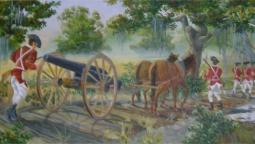
Battlefields

Embark on a journey to the pivotal sites where the American Revolution secured its victory. Wander through sacred fields and woodlands, honoring the brave souls who sacrificed their lives in pursuit of freedom.

States of Interest:
South Carolina
Battlefield
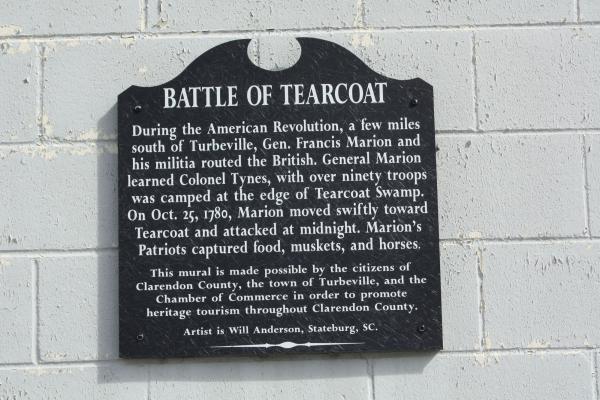
Turbeville, SC

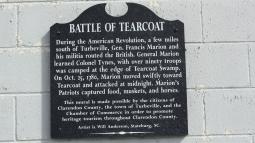
A surprise Patriot attack on Loyalist recruits is a blow to the British

South Carolina
Battlefield
Moncks Corner, SC

The Patriots Take Provisions and Prisoners in a Surprise Attack on a British Supply Depot.

South Carolina
Battlefield
Lancaster, SC

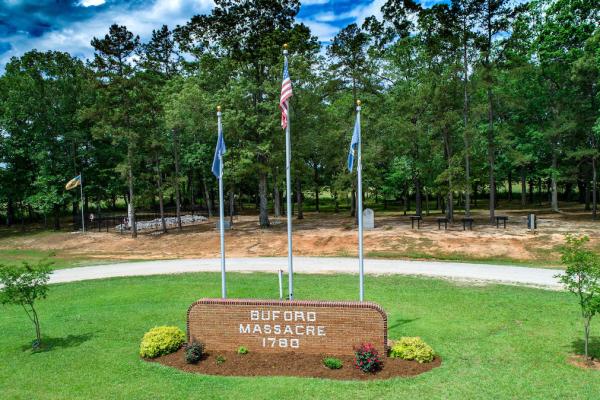
On May 29, 1780, British commander Banastre Tarleton engaged and overwhelmed a Patriot force under the command of Abraham Buford in a dreadful defeat...

South Carolina
Battlefield
Johnsonville, SC

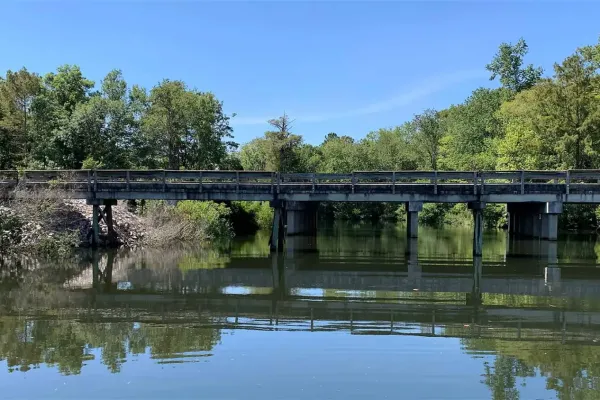
Once a simple ferry site, it gained prominence after Francis Marion, the "Swamp Fox," mustered the Williamsburg militia into his ranks in August of...

South Carolina
Battlefield
Manning, SC

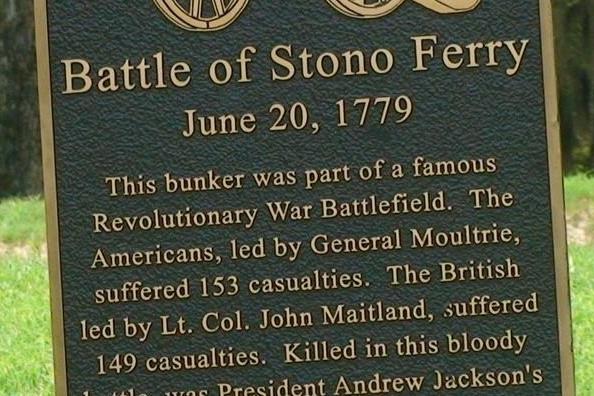
Now under the man-made Lake Marion, British Lieutenant Colonel John Watson and Patriot Brigadier General Francis Marion, the “Swamp Fox,” skirmished...

Exploring History
We invite you to visit the preserved locations along the Liberty Trail and to immerse yourself in the extraordinary events that determined the fate of a nation.
Historic Site
Gaffney, SC
On this site lie the bodies of three, unknown British soldiers who perished at the Battle of Cowpens, which was fought around 14 miles away from here on January 17, 1781. These three men were brought...
Battlefield | National Park
Ninety Six, SC

The site of the 1775 Battle of Williamson's Fort and a critical outpost for the British after they captured Charleston in 1780, the colonial town of Ninety Six was also the setting of a 28-day siege in 1781. Here, Nathanael Greene’s Patriots attacked the heart of Loyalist commander John Cruger’s defenses — the Star Fort.

State/County Park | Historic Site
Charleston, SC

The White Point Garden offers incredible views that span across the Ashley and Cooper Rivers. Fort Sumter, Castle Pinckney, and the Sullivan Island Lighthouse can all be spotted in the distance. The Defenders of Fort Moultrie, a monument honoring South Carolinian soldiers during the Battle of Sullivan's Island is centrally located.

Battlefield | State/County Park
Summerville, SC

An oyster-shell, “tabby,” fortress, originally constructed here during the French and Indian War, was restored, and occupied by both the British and Patriots.

Historic Site |
Gresham, SC

Located along the Great Pee Dee River, Snow's Island served as Francis Marion's favorite refuge for his militia in the swamps of South Carolina

Historic Site
Moncks Corner, SC

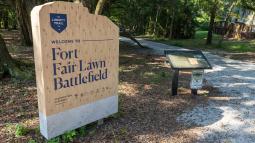
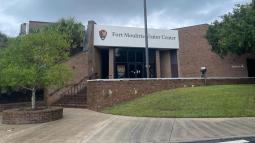
Old Santee Canal Park hosts the Berkeley County Museum and Fort Fair Lawn, where in 1780, the British attacked the Patriot army stationed at Monck’s Corner.

Battlefield | Historic Site
Moncks Corner, SC

Eighteenth-century Moncks Corner was a crossroads settlement of stores and taverns at the intersection of the Cherokee Path (the Indian traders’ path) and the road from Charleston to Santee. A powder magazine was established in 1760 and the village was occupied as a store depot by the British during the Revolutionary War.

Historic Site | Historic House
Clemson, SC

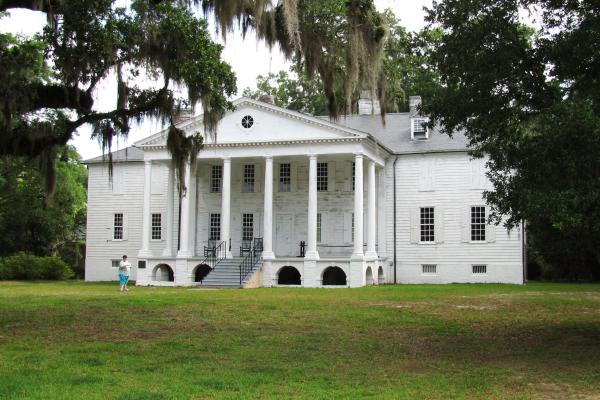
Located near the famous Treaty of Hopewell site, the Hopewell Plantation house was the Pickens' family home and later served as the South Carolina Governor's Mansion.

Battlefield
Hollywood, SC

The Patriots launch a misguided attack on British troops retreating from an aborted raid on Charleston

Historic Site |
Gresham, SC

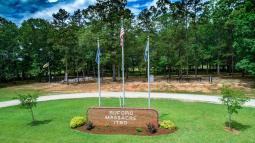
Loyalists ambush a contingent of Patriot militia at a tavern in December of 1780, leading to a massacre

Historic Site | Historic House
Camden, SC

After the Siege of Charleston in 1780, the British established a headquarters at the Kershaw/Cornwallis House. Today the house and grounds are open to tours.

Historic Site
Charleston, SC

Francis Salvador, the first Jewish person to die in the Revolutionary War, was a London-born pioneer who moved to South Carolina in 1773. A vocal supporter of independence, he became the first Jewish person to hold political office in the state. Known as the "Southern Paul Revere," Salvador warned of attacks during the war but tragically died in an ambush in 1776 at just 29 years old, leaving behind a legacy of courage and commitment to freedom.