Jim Capers Eutaw Springs
History Along The Trail

The Liberty Trail Story Tellers

The American Revolution was decisively influenced by The Liberty Trail’s diverse terrain, spanning swamps, fields, woods, and mountains. Delve into the narrative of American Independence with blog posts surrounding The Liberty Trail.

States of Interest:
The Blog |

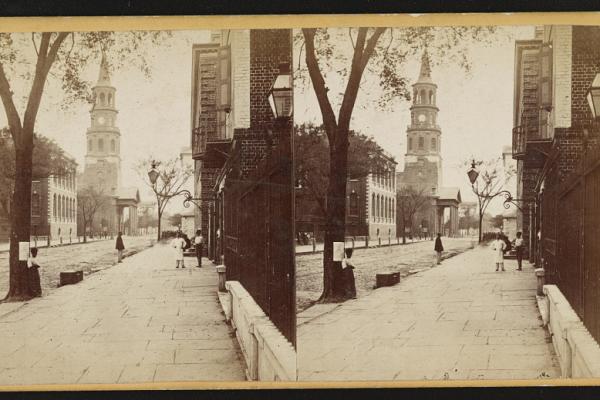
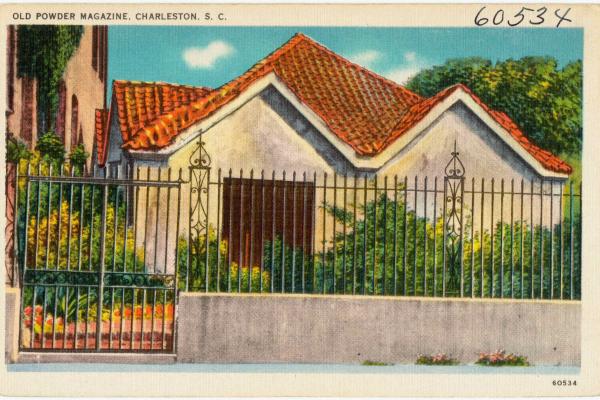
Charleston, South Carolina, was one of the most important cities in the United States during the Revolutionary War. Charleston (at the time called Charles Town or Charlestowne) was one of the...

The Blog |

One of the constant challenges for Great Britain in the American Revolution was maintaining a reliable, sustainable and safe supply line to support their men in the field. Of course, the biggest...

The Blog |

The Tea Act of 1773, passed by the British Parliament in May of that year, was one of several taxes and duties imposed on the American colonies in the lead-up to the Revolution, as the British...

The Blog |

By the mid-eighteenth century, Great Britain began strategizing how to respond to the rebellious North American colonies. One key element of that strategy detailed how the British empire could...

The Blog |

Of all the colonies that suffered during the War for Independence, few endured the brunt of the constant bloodshed in its final years as South Carolina. Contrary to popular convention, much of the...

The Blog |

With a common enemy, backwoods hunters and fighters united to chase down Redcoat Major Patrick Ferguson and his Loyalist army. Trekking more than 300 miles over mountains and rugged terrain, this...

Exploring History
We invite you to visit the preserved locations along the Liberty Trail and to immerse yourself in the extraordinary events that determined the fate of a nation.
Historic Site |
Little Falls, NY
General Herkimer Marker (Leaving Home) at Little Falls, New York. This is one in a series of markers commemorating Nicholas Herkimer and the relief column that marched to relieve the besieged Fort...
Battlefield
Lincolnton, NC

Located an hour away from Charlotte, the Ramsour's Mill battleground marks the site of the first Patriot victory in the south following the fall of Charleston.

National Park | Battlefield
Yorktown, VA

Yorktown was George Washington's decisive victory over General Lord Charles Cornwallis. Learn about the last major land battle of the American Revolutionary War.

National Park | Historic House
Lincoln, MA

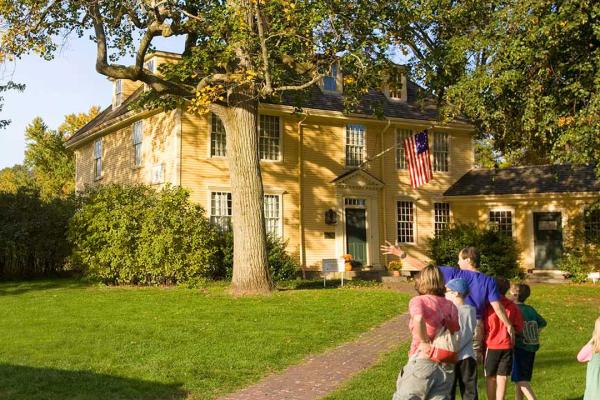
This building was the home of the captain of the Lincoln Minutemen, William Smith, who led his men at the Lexington Green on April 19, 1775.

Battlefield | State/County Park
Summerville, SC

An oyster-shell, “tabby,” fortress, originally constructed here during the French and Indian War, was restored, and occupied by both the British and Patriots.

Battlefield | Historic Site
Moncks Corner, SC

During the British occupation of Charleston in 1781, these grounds were part of a British outpost to supply ammunition and provisions to patrolling British troops.

Historic Site |
Leicester, MA
The Henry Knox Trail, also known as the Knox Cannon Trail, is a network of roads and paths that traces the route of Colonel Henry Knox's "noble train of artillery" from Crown Point, New York, to the...
Battlefield |
Camden, SC

The Battle of Camden was a devastating defeat suffered by the Americans in the British military offensive in the South.

Battlefield | Historic Site
Camden, SC

A former British headquarters, explore the reconstructed Kershaw/Cornwallis House, British redoubts, and programs about colonial life.

Historic Site | Historic House
Charlottesville, VA

Monticello, “Little Mountain,” was the home from 1770 until his death in 1826, of Thomas Jefferson, author of the Declaration of Independence and third president of the United States. Jefferson was one of America’s first and finest architects and he created, rebuilt, and revised the house throughout his long life.

Battlefield |
Huntersville, NC

In an attempt to stall Cornwallis force, a contingent of Patriots initiated a delaying action which led to the death of General William Davidson

Historic Site |
Morristown, NJ

The Arnold Tavern, constructed in the mid-18th century, served as Washington's headquarters from January - May 1777