Jim Capers Eutaw Springs
History Along The Trail

Videos Along The Liberty Trail

The American Revolution was decisively influenced by The Liberty Trail’s diverse terrain, spanning swamps, fields, woods, and mountains. Delve into the narrative of American Independence with captivating videos showcased on The Liberty Trail.

States of Interest:
Video/Audio
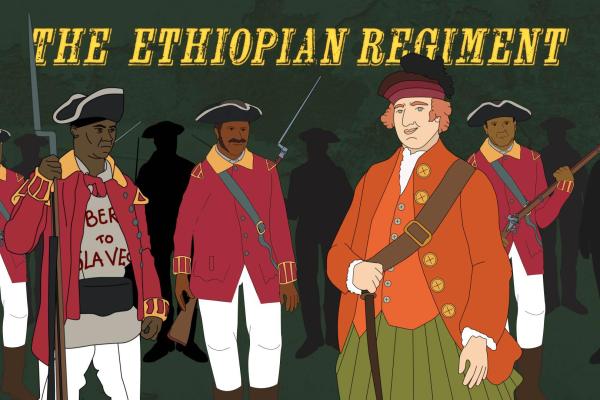
Reposted from battlefields.org In 1775, Virginian slave owners didn’t just have the war to worry about. The Royal Governor of the colony was encouraging their slaves to escape, offering them freedom...
Video/Audio
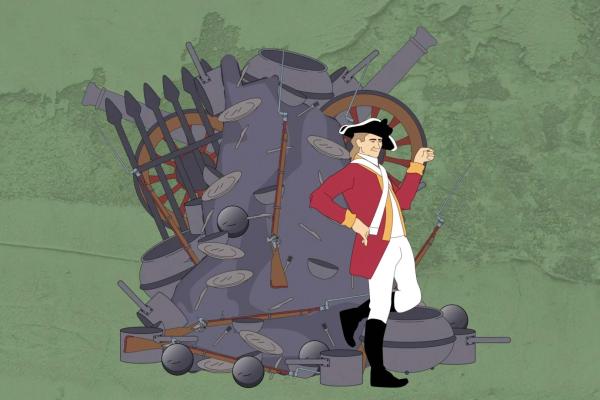
Reposted from battlefields.org In the Revolutionary War, equipping an army required huge amounts of iron, for everything from bayonets and cannonballs to cooking pots. That made the Colonial iron...
Video/Audio
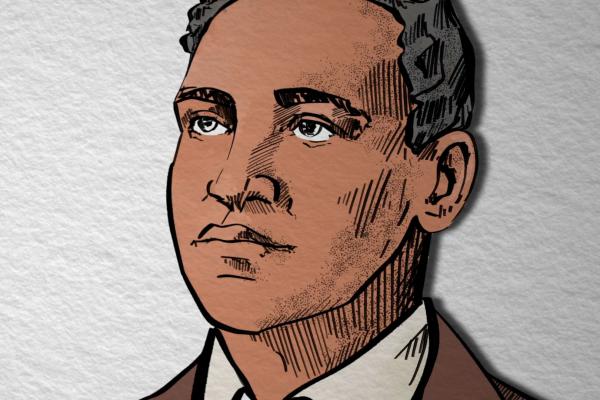
Reposted from battlefields.org The first person to die in the American Revolution, Crispus Attucks became a symbol of resistance against British rule. Why did he put himself into the line of fire?...
Video/Audio
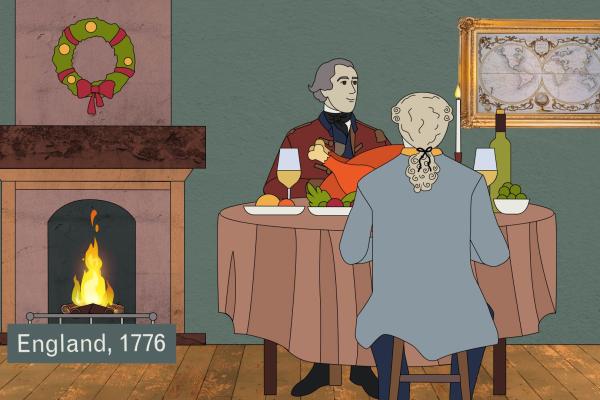
Reposted from battlefields.org Away from specific battles, Sir William Howe vs George Washington proved to be one of the defining clashes of the Revolutionary War. Howe was a British commander...
Video/Audio
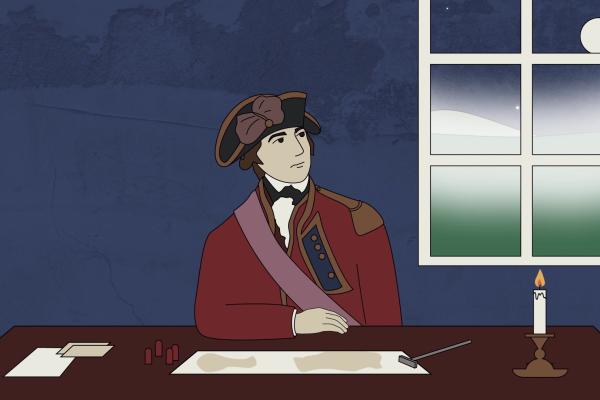
Reposted from battlefields.org When General John Burgoyne took command of the British Army in Canada in 1777, he was confident of success. He had the command experience and the plan to end the war. So...
We invite you to visit the preserved locations along the Liberty Trail and to immerse yourself in the extraordinary events that determined the fate of a nation.
Historic Site | Historic House
Lynchburg, VA

During the Revolutionary War in 1781, Virginia Governor Thomas Jefferson fled to Poplar Forest from Monticello to evade capture from British forces under Lieutenant Colonel Banastre Tarleton.

National Park | Historic Site
Morristown, NJ

Morristown National Historical Park marks the site of the Continental Army’s 1779-80 encampment under George Washington. It symbolizes America’s fight for independence and Washington’s leadership in uniting the army, remaining a lasting symbol of resilience and patriotism.

Historic Site |
Fishkill, NY

A colonial-era home built in 1732. The Continental Army used the house during the Revolutionary War as the Officers' Headquarters for the Fishkill Supply Depot.

State/County Park | Historic House
McClellanville, SC

This 18th-century plantation home, on the grounds of the Hampton Plantation State Historic Site, served as a place of refuge for Francis Marion who hid here from when British troops.

State/County Park | Historic House
Freehold, NJ

An ordinary farmhouse within Monmouth, it became a hotspot during the Battle of Monmouth as Charles Lee mounted a defense against advancing British troops.

Historic Site |
Crown Point, NY
The Henry Knox Trail, also known as the Knox Cannon Trail, is a network of roads and paths that traces the route of Colonel Henry Knox's "noble train of artillery" from Crown Point, New York, to the...
Historic Site | Gardens & Grounds
Charleston, SC

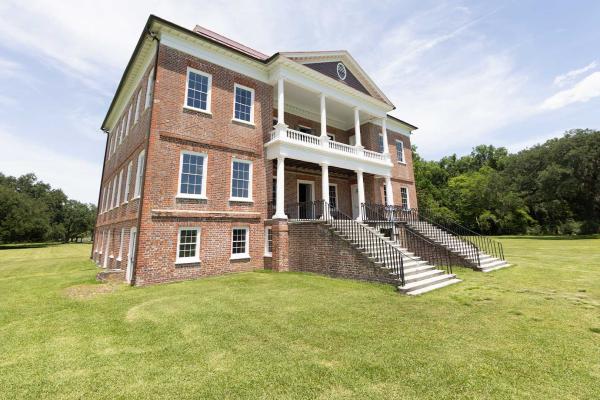
The plantation & gardens bears witness to 350 years of American history. Learn about the Europeans who colonized South Carolina, and the enslaved people who worked in the rice fields and gardens.

Historic Site |
West Point, NY

Constitution Island was strategically vital during the Revolutionary War. It anchored the earliest American fortifications in the Hudson Highlands and helped secure Patriot control of the Hudson River.

Historic Site
Charleston, SC

Completed in 1771, the Old Exchange Building is a Charleston landmark and the site of some of the most important events in South Carolina history. Over the last two and a half centuries, the building has been a commercial exchange, custom house, post office, city hall, military headquarters, and museum.

Battlefield | Historic Site
Moncks Corner, SC

Fort Fair Lawn was a British outpost in 1780–1781 and was the target of a daring Patriot raid on November 17, 1781, and abandoned by the British a week later.

Battlefield
Enoree, SC

British Lieutenant Colonel Banastre Tarleton pushed up the Enoree River hot on the trail of Patriot Brigadier General Thomas Sumter.

Historic Site | Historic House
Concord, MA

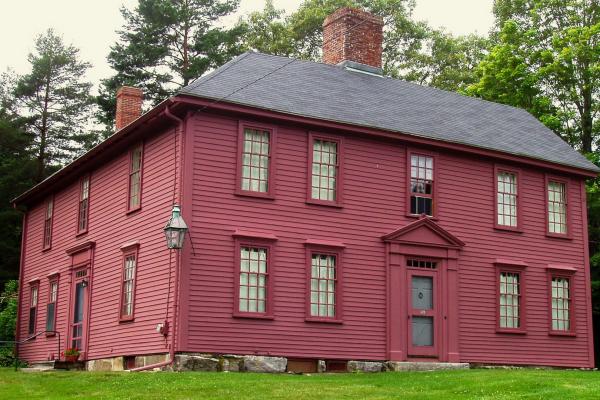
Known by several names over the past two centuries, it is now known as the Wright Tavern, named after its owner during the Battle of Lexington and Concord, Amos Wright.