Liberty Trail Default Image (2025)
Trail Sites

Battlefields

Embark on a journey to the pivotal sites where the American Revolution secured its victory. Wander through sacred fields and woodlands, honoring the brave souls who sacrificed their lives in pursuit of freedom.

States of Interest:
New York
Battlefield | State/County Park
Oriskany, NY

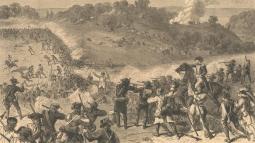
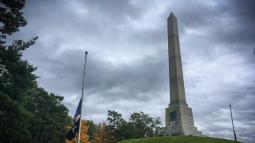
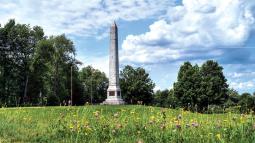
On August 6, 1777, British forces under the command of Sir John Johnson engaged American forces under Nicholas Herkimer in the Battle of Oriskany...

New York
Battlefield | State/County Park
New York, NY

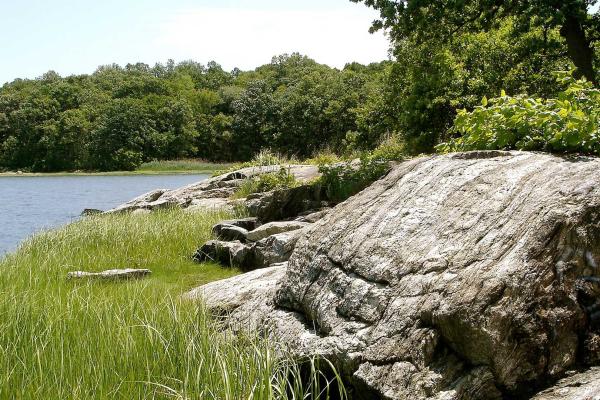
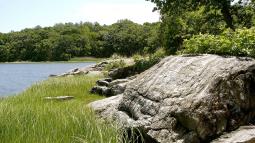
At the Battle of Pell’s Point, a small American force under John Glover held firm against a powerful British advance. Their stand proved pivotal in...

New York
Battlefield | National Park
Stillwater, NY

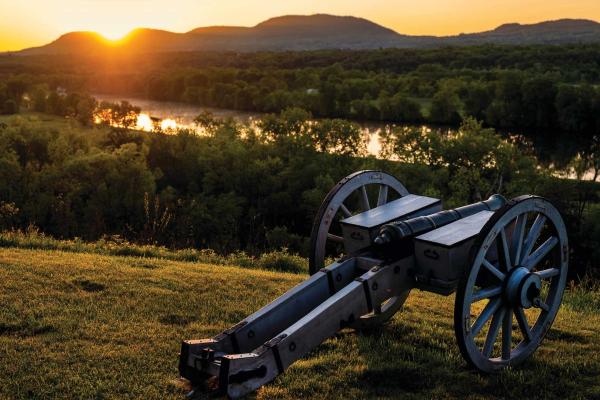
The Battles of Saratoga marked a decisive turning point in the American Revolution, where Patriot forces achieved a stunning victory over a major...

New York
Battlefield | Historic Site
Fort Plain, NY

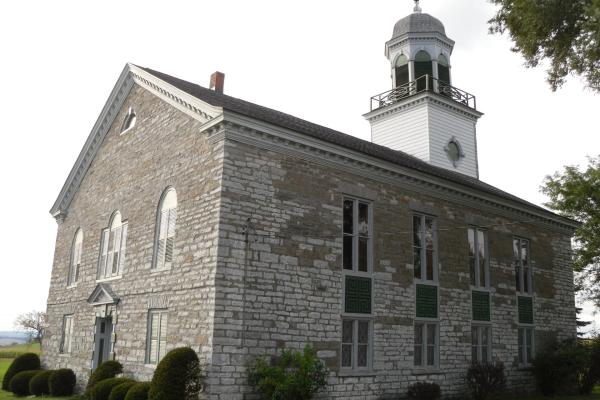
At the Battle of Stone Arabia, Patriot militia under John Brown made a desperate stand against a swift raid led by Sir John Johnson. Though Brown was...

New York
Battlefield | State/County Park
Stony Point, NY

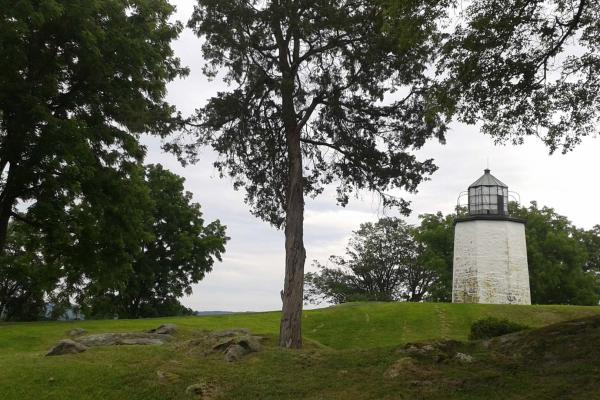
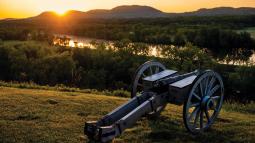
Now a state park in New York, Stony Point once served as British defensive position along the Hudson River during the New York campaign. Thanks to...

Filter By:
States of Interest
We invite you to visit the preserved locations along the Liberty Trail and to immerse yourself in the extraordinary events that determined the fate of a nation.
Battlefield
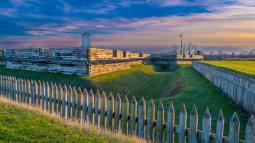
Ticonderoga, NY

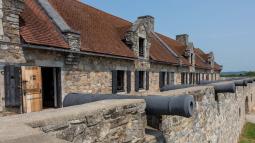
A formidable fortress on the banks of the Hudson and Lake Champlain, this stone bastion was the source of Henry Knox's artillery in the opening years of the Revolution. Today, it's a hallmark of living history with interpreters being found at every corner.

State/County Park | Historic House
Johnstown, NY

The Johnson Hall State Historic Site was the home of Sir William Johnson, the British Superintendent of Indian Affairs in the Province of New York and a Major General who fought in King George’s War and the French and Indian War.

Battlefield
Kingston, NY

On October 16, 1777, British forces under John Vaughan attacked and burned much of Kingston, New York, then the state’s first capital. Though the raid caused widespread destruction and forced the New York government to flee, it ultimately did little to alter the course of the Revolutionary War.

Battlefield | State/County Park
Stony Point, NY

Now a state park in New York, Stony Point once served as British defensive position along the Hudson River during the New York campaign. Thanks to cunning actions of "Mad" Anthony Wayne, British forces were swiftly pushed from their defenses.

Battlefield |
New York, NY

At the Battle of Harlem Heights, American forces rallied after earlier defeats and struck back against advancing British troops on northern Manhattan. The clash restored much-needed confidence to the Continental Army and proved the Patriots could stand against Britain’s professional soldiers.

Battlefield | State/County Park
Elmira, NY

At the Battle of Newtown, American forces under John Sullivan crushed Loyalist and Haudenosaunee Confederacy resistance in a decisive campaign of destruction. The victory shattered organized opposition in the region, paving the way for the systematic devastation of Indigenous towns that reshaped the frontier during the war.

Historic Site | Historic House
New York, NY

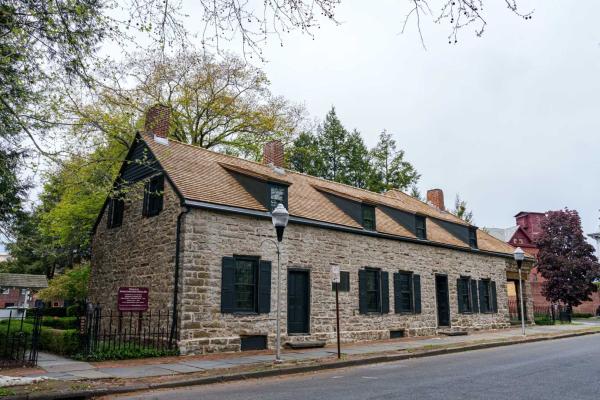
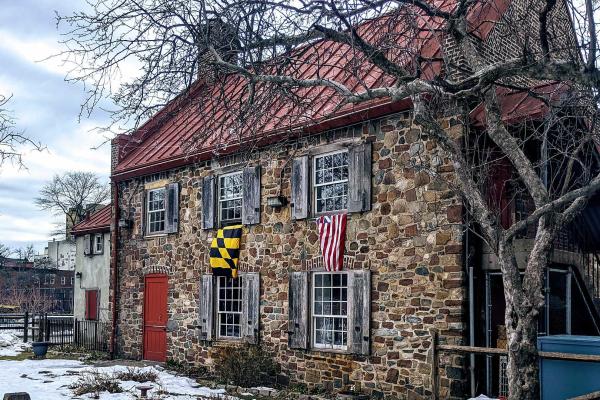
Constructed by a Loyalist prior to the Revolution, this home saw the likes of officers from both sides of the American Revolution.

Battlefield | Historic Site
Fort Plain, NY

At the Battle of Stone Arabia, Patriot militia under John Brown made a desperate stand against a swift raid led by Sir John Johnson. Though Brown was killed and the raiders escaped, the clash galvanized local resistance.

Battlefield
Rome, NY

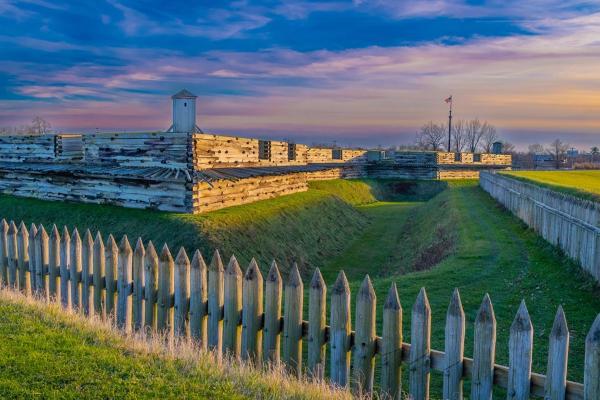
Originally constructed during the French & Indian War, this bastion served as a focal point Burgoyne's campaign to squash Patriot resistance in New York

Historic Site |
Auburn, NY
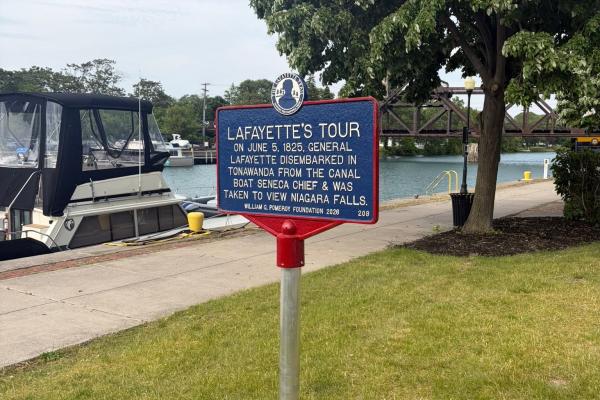
President James Monroe invited the Marquis de Lafayette to visit the United States, his adopted country. Lafayette’s tour of all 24 states in 1824 and 1825 drew large crowds and sparked a renewal of...
Historic Site |
Albion, NY
President James Monroe invited the Marquis de Lafayette to visit the United States, his adopted country. Lafayette’s tour of all 24 states in 1824 and 1825 drew large crowds and sparked a renewal of...
Historic Site |
Schenectady, NY
President James Monroe invited the Marquis de Lafayette to visit the United States, his adopted country. Lafayette’s tour of all 24 states in 1824 and 1825 drew large crowds and sparked a renewal of...