-
The BlogBiographies
-
Videos

We invite you to visit the preserved locations along the Liberty Trail and to immerse
yourself in the extraordinary events that determined the fate of a nation.
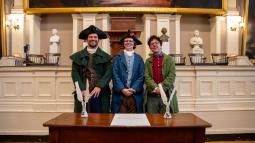
Frequented by many influential figures in Boston's revolutionary history, the Old South Meeting House served as a place of public discourse that contributed to the city's role in the American Revolution
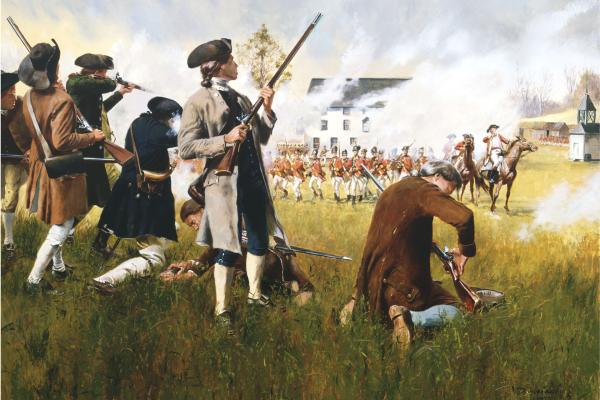
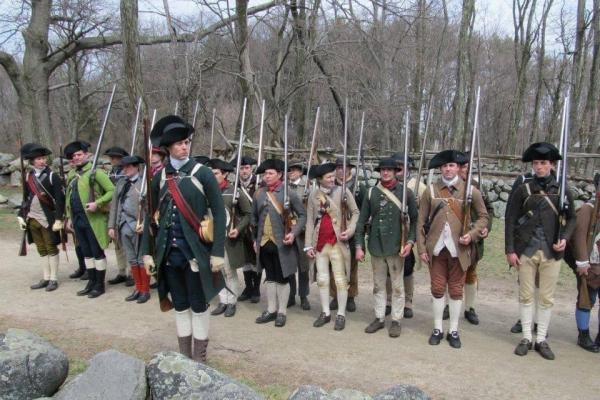
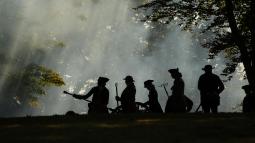
At dawn on April 19, 1775, an unknown shot shattered the silence in Lexington. British Redcoats and colonial militia clashed, leaving blood on the field. In Concord, the patriots struck back, and as the British retreated, gunfire hounded them to Boston, thus sparking the American Revolution
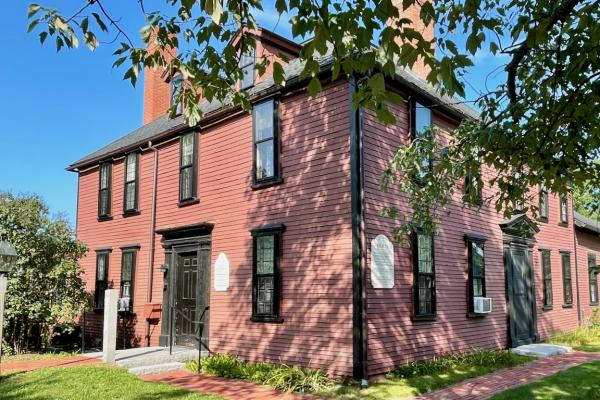
Known by several names over the past two centuries, it is now known as the Wright Tavern, named after its owner during the Battle of Lexington and Concord, Amos Wright.
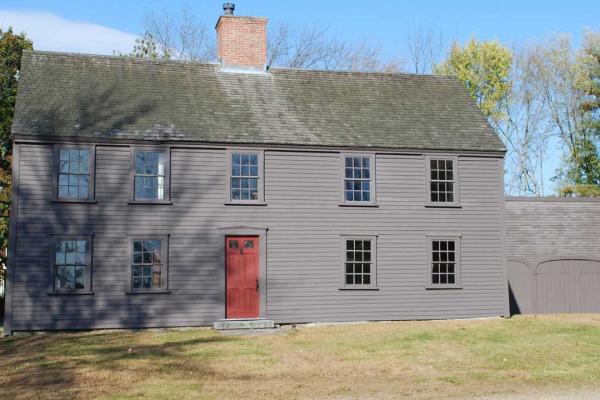
The site of the first known Colonist offensive attack during the Revolution, Meriam's Corner marks where the British column, retreating to Boston, was ambushed by local militias.
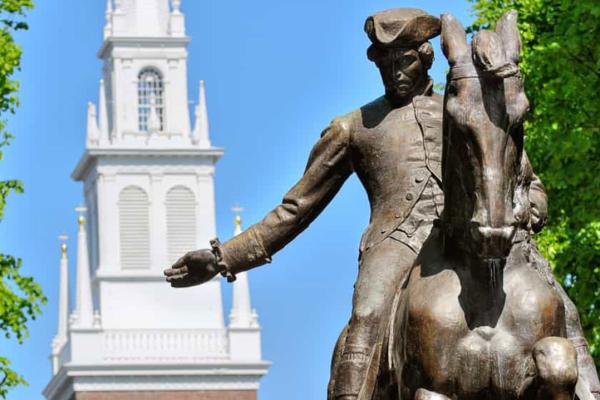
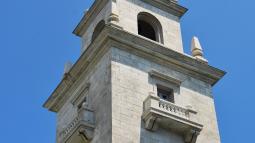
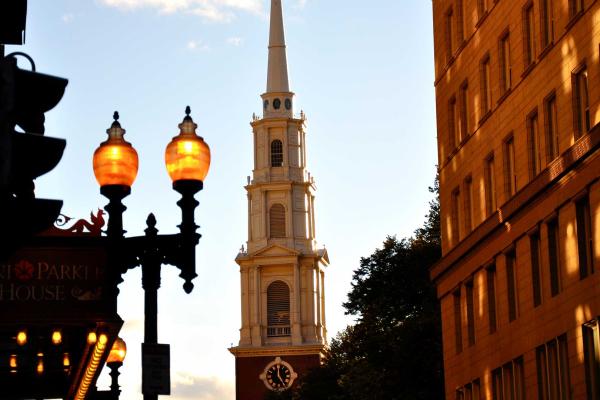
The oldest standing church in Boston, it once signaled lookouts in Charlestown, which triggered Paul Revere's famous ride to alert militia of the advancing British Regulars across the Massachusetts countryside.
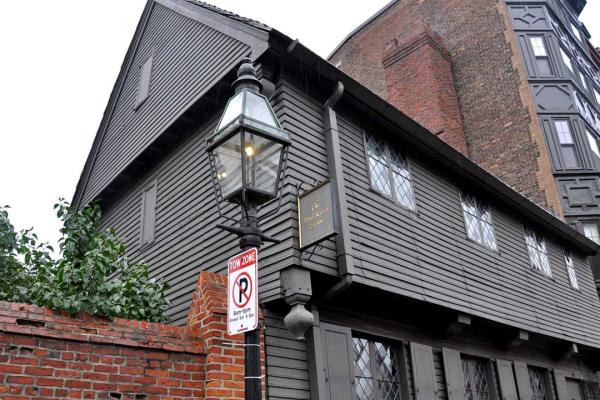
One of the oldest residential buildings in Boston, this structure was once the home of one-and-only Paul Revere, an avid member of the Sons of Liberty.

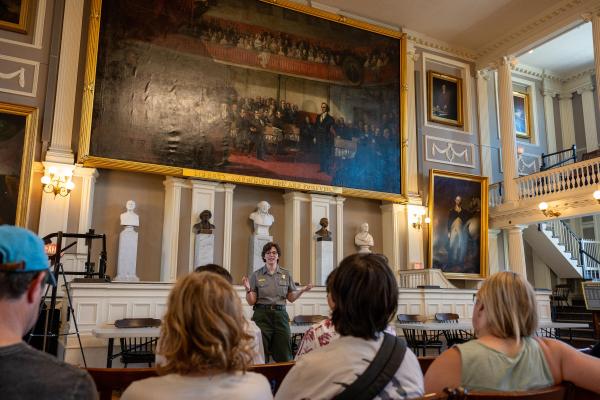
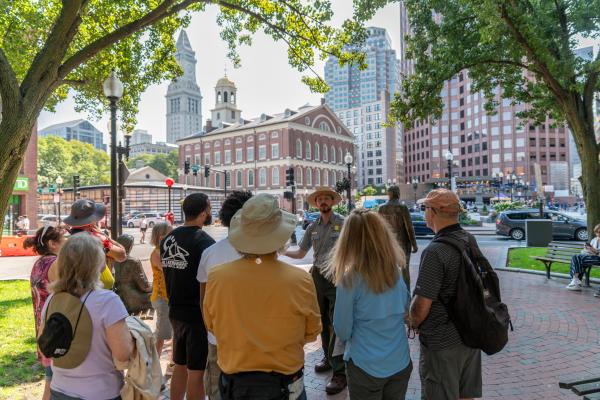
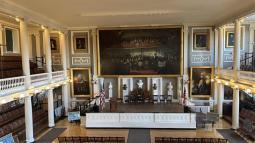
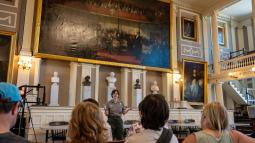
A monumental structure built in 1742, Faneuil Hall served as one of the most important sites of civic engagement in colonial Boston. Since, it has hosted the likes of revolutionary leaders and dissidents.
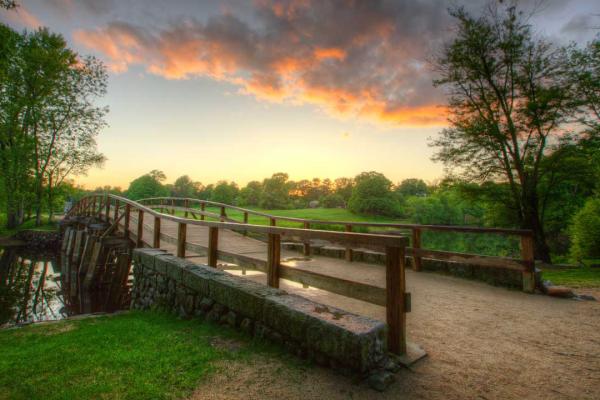
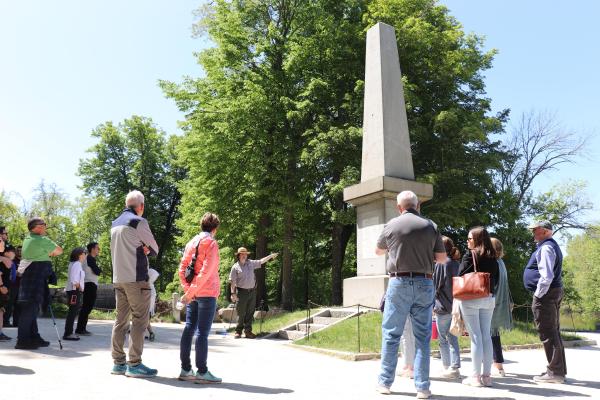
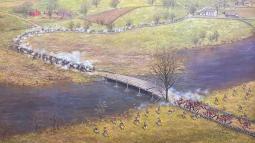
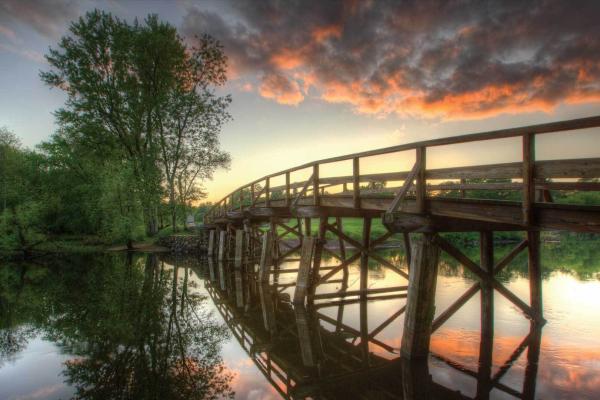
The site of the famous "Shot Heard Around the World," the Old North Bridge served as the flashpoint of the American Revolution. To this day, historians debate who fired the first shot, here, which led to the Battle of Lexington and Concord.
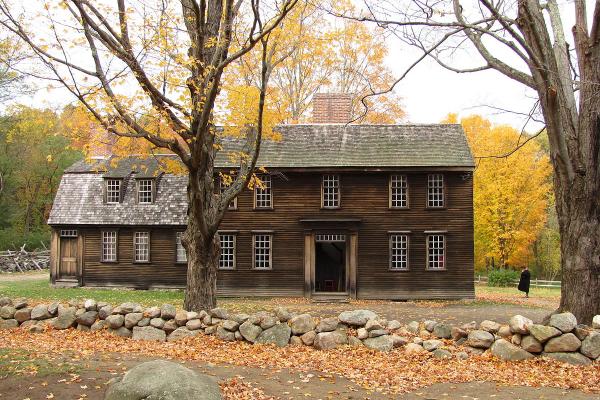
Located near where Paul Revere was captured during his famous ride, one of Revere's compatriots was able to escape and alert Hartwell family, who continued to raise the alarm about the advancing British troops.
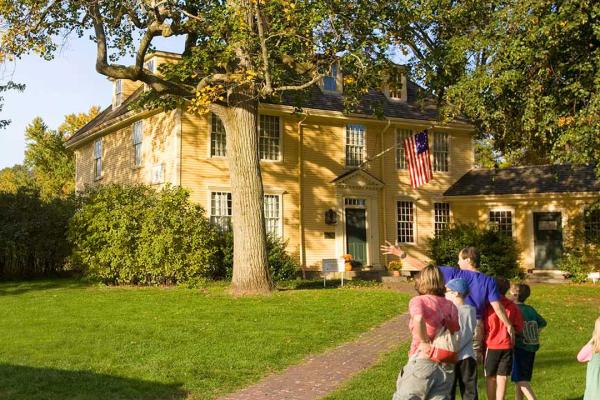
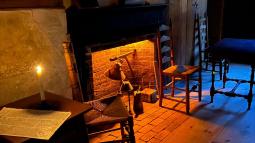
Waiting on British troops to arrive on the morning of April 19, militia members used this tavern to wait for their arrival before assembling on the field of battle and sparking the American Revolution
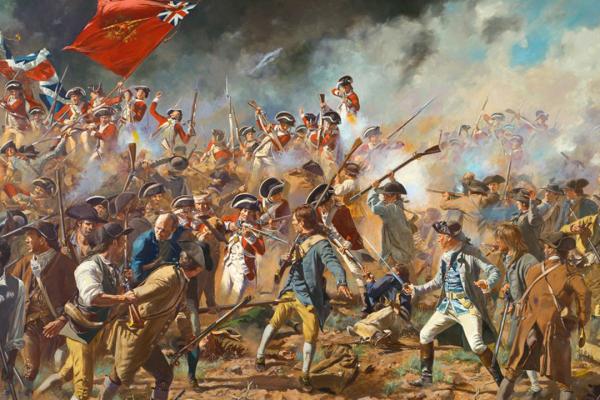
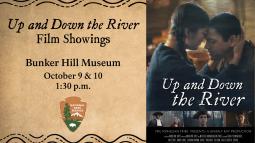
A proving ground for the Patriot cause, the infamous Battle of Bunker Hill was the first pitched battle between New England soldiers and the British. Although the British claimed the field, some 1,000 British soldiers and Marines were wounded or killed in action.
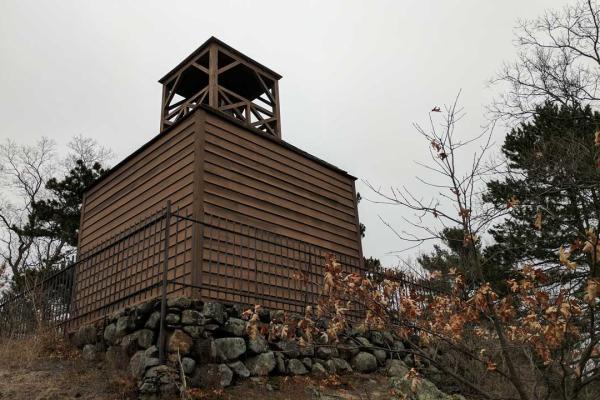
The sound of liberty rang from this bell in the early morning of April 19, 1775, to call forth the Lexington militia. Today, a reconstructed belfry stands as a reminder of the militia's bravery and determination at the Battle of Lexington and Concord.