-
The BlogBiographies
-
Videos

Season 3 finds Nick Ferroni in the state of South Carolina! Continue to test your knowledge of American history like never before with our on-location quiz series! Join us as we challenge visitors at iconic historic sites and battlefields found along The Liberty Trail to see how much they really recall about the events that shaped our nation. Follow along as Ferroni travels from Charleston to the battles of the Carolina backcountry!
Season 3 | The Liberty Trail South Carolina
Season Preview
Episode 1
Episode 2
Episode 3
Episode 4
Episode 5
Episode 6
Season 2 starts in Great Bridge, Virginia! Test your knowledge of American history like never before with our on-location quiz series! Join us as we challenge visitors at iconic historic sites and battlefields on The Liberty Trail to see how much they really know about the events that shaped our nation. From famous battles to little-known facts, each episode brings history to life with engaging trivia, spontaneous reactions, and surprising discoveries—right where it all happened. You'll never know where Historically Correct will pop up next!
Season 2 | The Liberty Trail Virginia
Season Preview
Episode 1
Episode 2
Episode 3
Episode 4
Season 1 of Historically Correct started in New Jersey.
Season 1 | The Liberty Trail New Jersey
Season PReview
Episode 1
Episode 2
Episode 3
Episode 4
Episode 5
We invite you to visit the preserved locations along the Liberty Trail and to immerse
yourself in the extraordinary events that determined the fate of a nation.
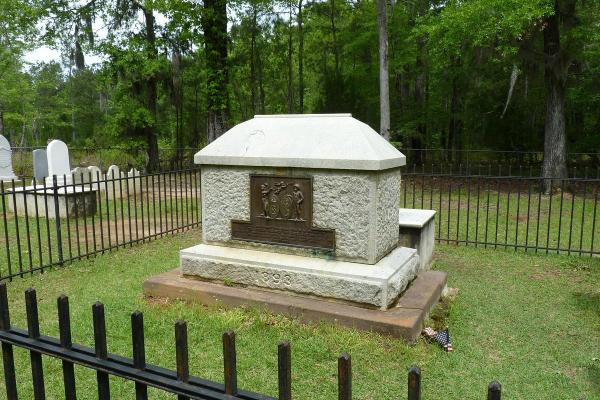
Francis Marion was a skilled military leader during the American Revolutionary War, known for his guerilla tactics and strategic maneuvers in the Southern Campaign. His contributions to the war effort and his enduring legacy as a symbol of American resilience and military ingenuity remain today.
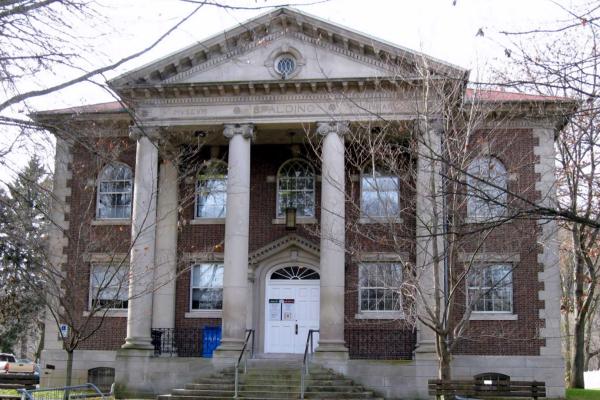
Discover the stories of frontier settlers, Native peoples, and Revolutionary War soldiers at the Tioga Point Museum, located near the historic sites of Fort Sullivan and an early post-Revolutionary trading post. Through artifacts and exhibits spanning centuries of local history, the museum offers a fascinating glimpse into life along the Upper Susquehanna frontier.
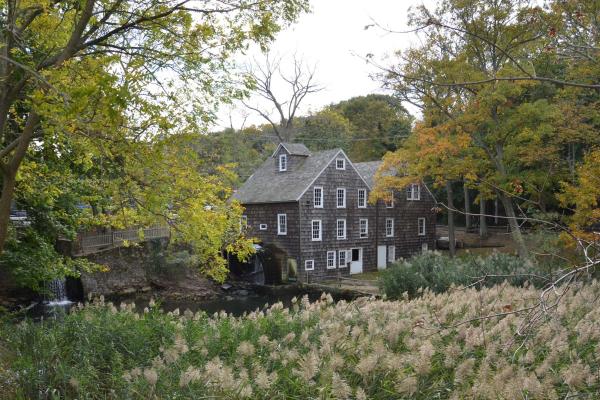
The Revolutionary War arrived on Long Island in a way that felt very close to home, with British forces taking control directly after their victory at the Battle of Long Island in August 1776. They held onto the island for the entire duration of the war. During this time, the mill at Stony Brook was busy, grinding grains that helped feed the British soldiers.
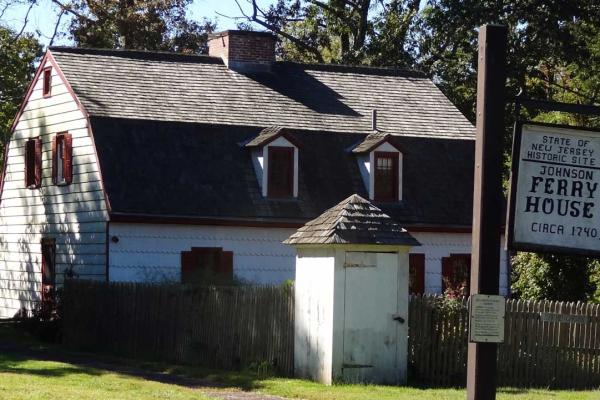
Built in the 1740s, this building acted as a ferry house for those wishing to cross the Delaware, including the likes of George Washington and his men on Christmas night of 1776.
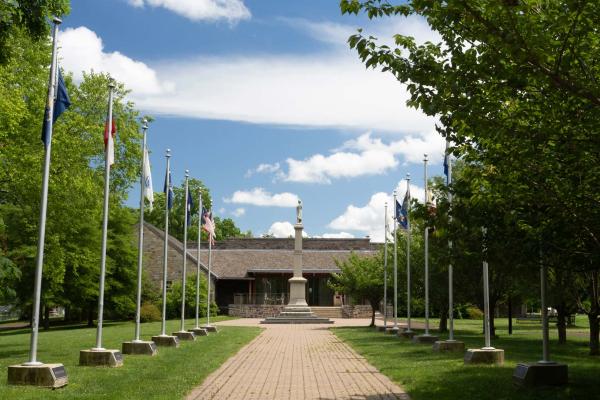
Located on the Pennsylvania side of the Delaware River, this park commemorates Washington's planning of his famous crossing that re-ignited the spark of liberty.
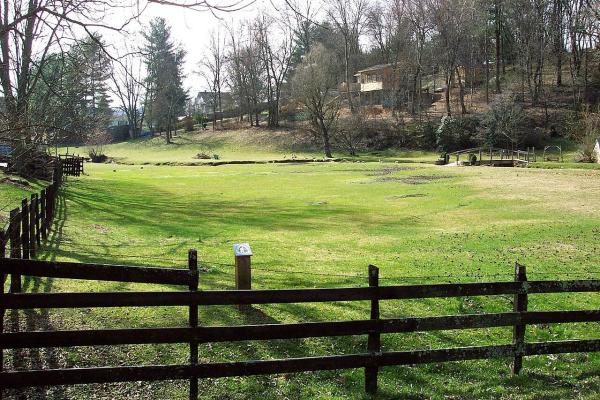
The Abingdon Muster Grounds is a 9-acre park is the site where, in 1780, 400 Virginians joined other patriot militia from the western frontier in a two-week campaign that ended with a critical victory at the Battle of Kings Mountain. The Abingdon Muster Grounds is a partner site of the Overmountain Victory National Historic Trail.
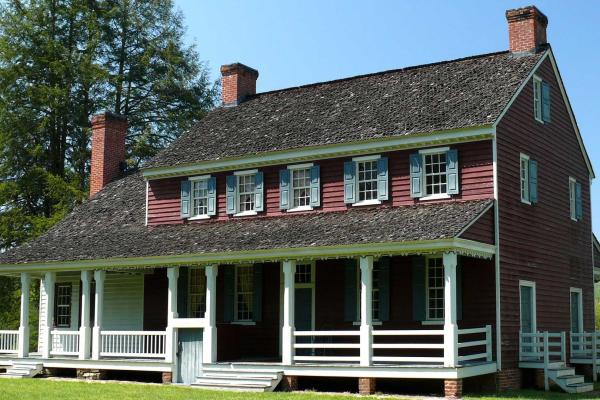
Built in 1792 by Revolutionary War officer William Lenoir, Fort Defiance preserves the homestead that rose near the site of an earlier frontier fort and reflects the legacy of one family for nearly two centuries.
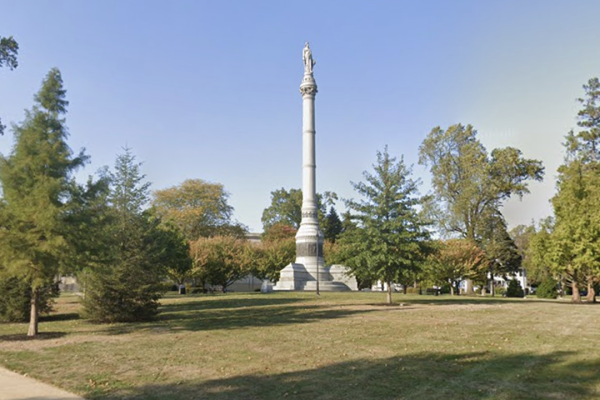
A 94-foot monument now marks the spot that where the Battle of Monmouth commenced on June 28, 1778. A series of bronze plaques line the monument that depict famous scenes from the engagement.
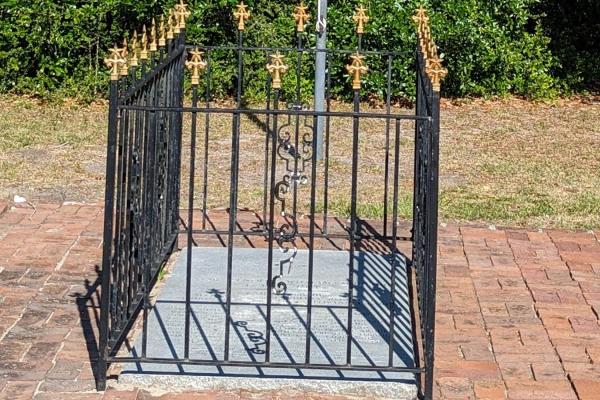
William Moultrie died in 1805 and was buried in the family cemetery. In 1977, his remains were moved to Sullivan's Island within Fort Moultrie.
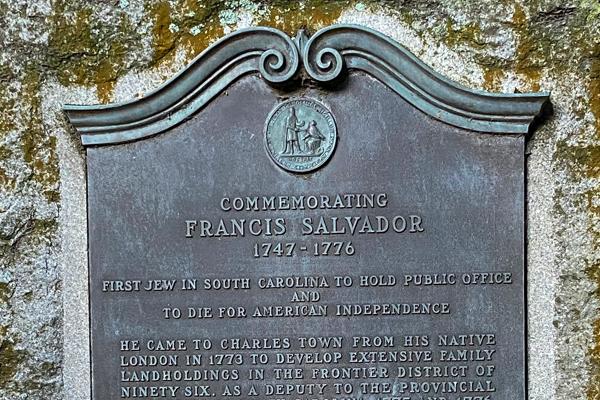
Francis Salvador, the first Jewish person to die in the Revolutionary War, was a London-born pioneer who moved to South Carolina in 1773. A vocal supporter of independence, he became the first Jewish person to hold political office in the state. Known as the "Southern Paul Revere," Salvador warned of attacks during the war but tragically died in an ambush in 1776 at just 29 years old, leaving behind a legacy of courage and commitment to freedom.