-
The BlogBiographies
-
Videos

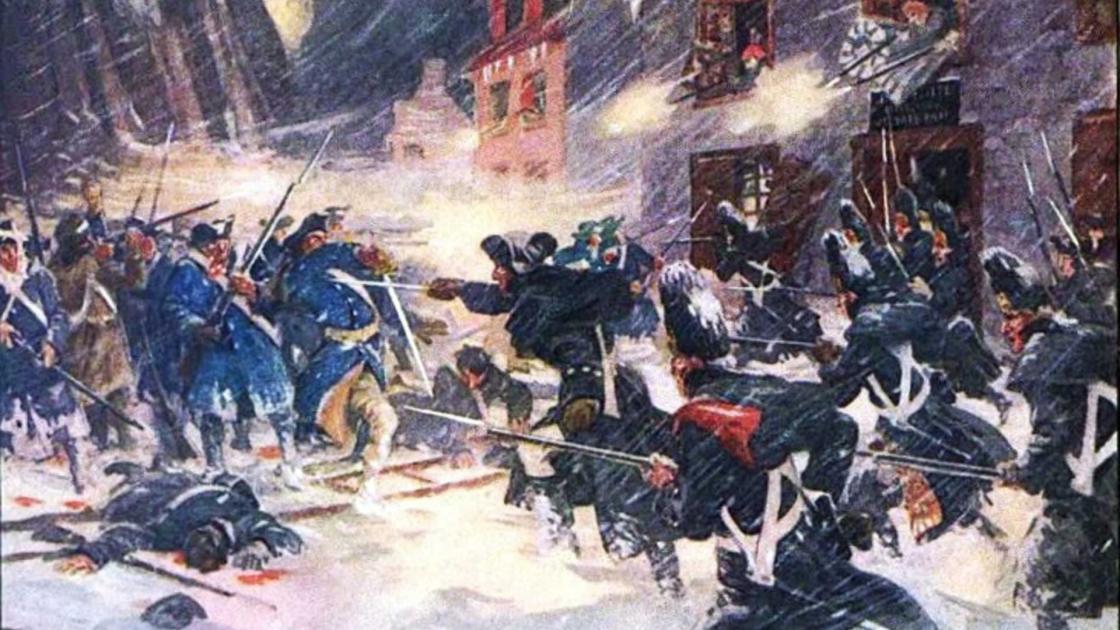
September - November 1775
In September 1775, Colonel Benedict Arnold organized roughly 1,000 men to participate in a critical mission: capture British Quebec for the Patriot cause. Their trek through hundreds of miles of Maine wilderness was grueling. Many soldiers abandoned the expedition or perished along the way, in the face of rough terrain, brutal weather, and other perils. Just over half of Arnold’s men would make it to Quebec to meet up with General Richard Montgomery’s forces. The attack on Quebec would fail, ending the Patriot campaign in Canada.
State and local organizations work together to interpret Arnold’s historic expedition, and the route is listed on the National Register of Historic Places.
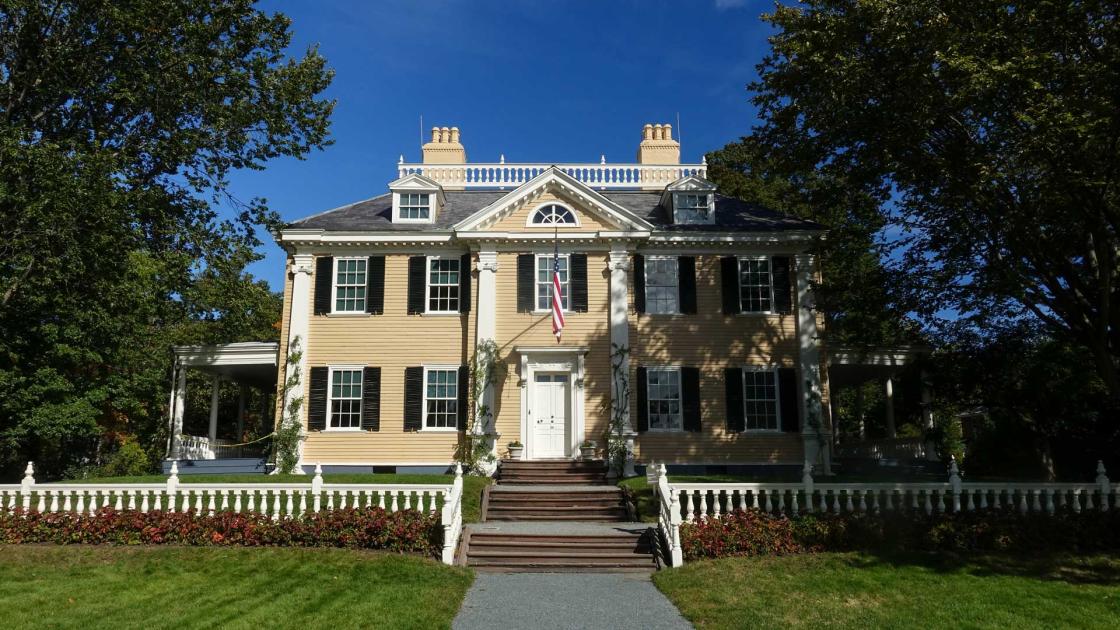
What happened here: General George Washington used this home as his headquarters during the Siege of Boston. This may have been where he and Colonel Benedict Arnold discussed their plans for the Continental Army’s ambitious expedition. Arnold and his men marched to Newburyport from Cambridge in September 1775 to gather boats and supplies for their journey.
What to do: This National Historic Site is managed by the National Park Service. Check ahead for hours, tour opportunities, and other visitor information.
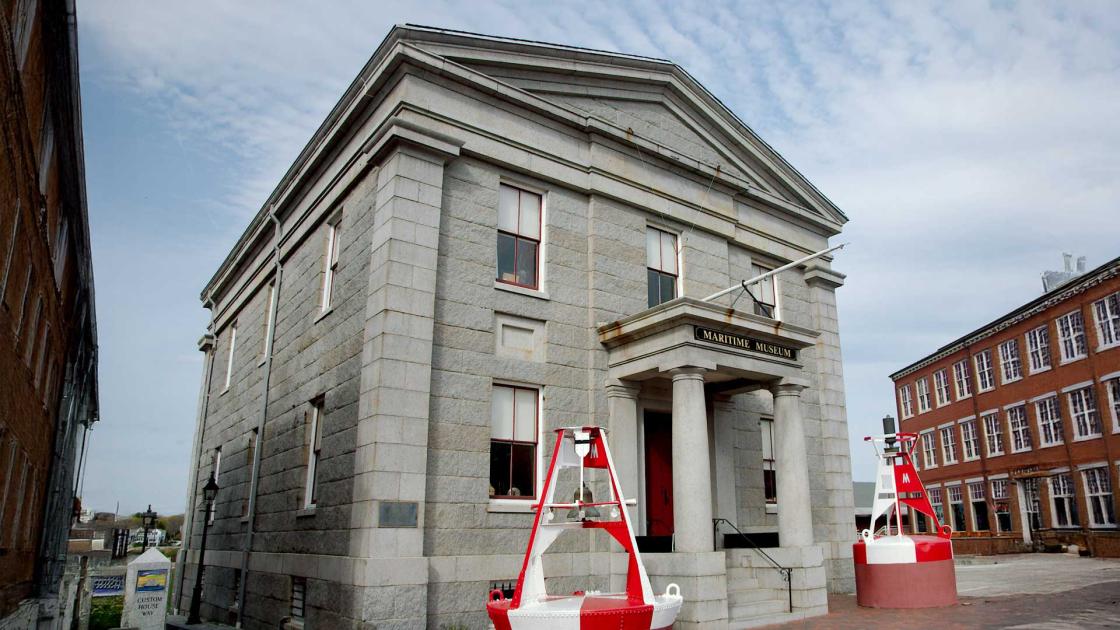
What happened here: Newburyport was an influential shipbuilding center in colonial New England. Benedict Arnold gathered men and supplies in Newburyport before setting sail for the Kennebec River on September 19, 1775.
What to do: Explore the Museum interpreting the region’s maritime past, including exhibits on the Arnold Expedition and other Revolutionary topics. Check ahead for hours, fees, tour options, and other visitor information.
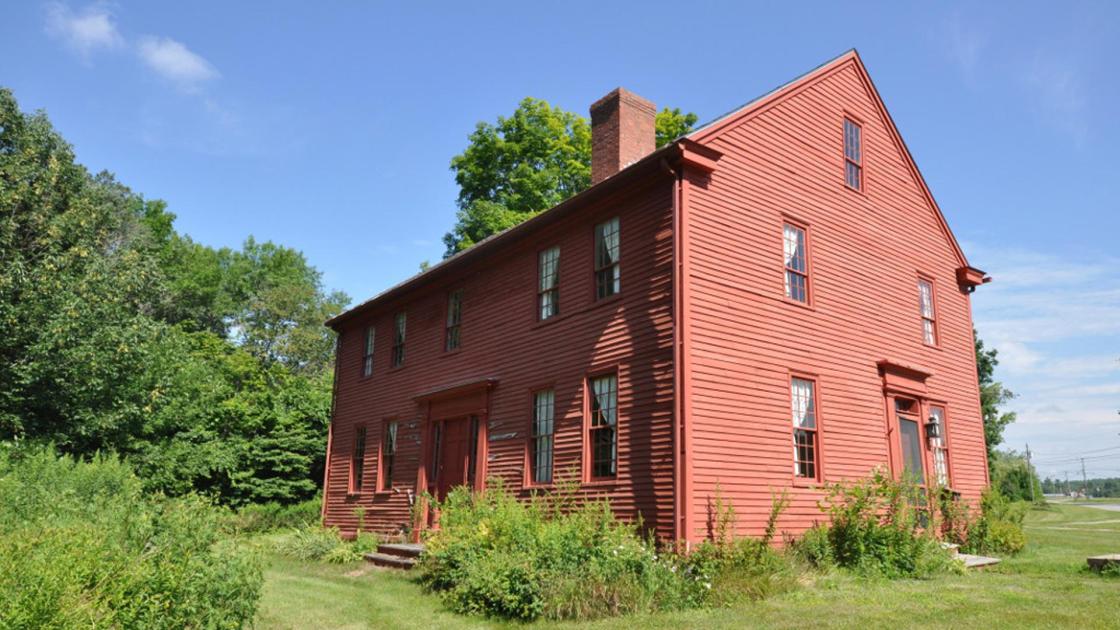
What happened here: Benedict Arnold and his men prepared for their long land journey in Pittson after arriving by boat from Newburyport. General George Washington tasked shipbuilder Reuben Colburn with constructing 200 green wood batteaux to carry the expedition upriver into the wilderness.
What to do: The Reuben Colburn’s 1765 home is currently not open to the public in anticipation of a large-scale restoration project that will stabilize the structure’s foundation and roof. The grounds and recreational amenities at the park are open but check ahead for seasonal hours and updates. The Arnold Expedition Society has converted the barn on the property into a seasonal batteaux workshop. www.arnoldsmarch.org
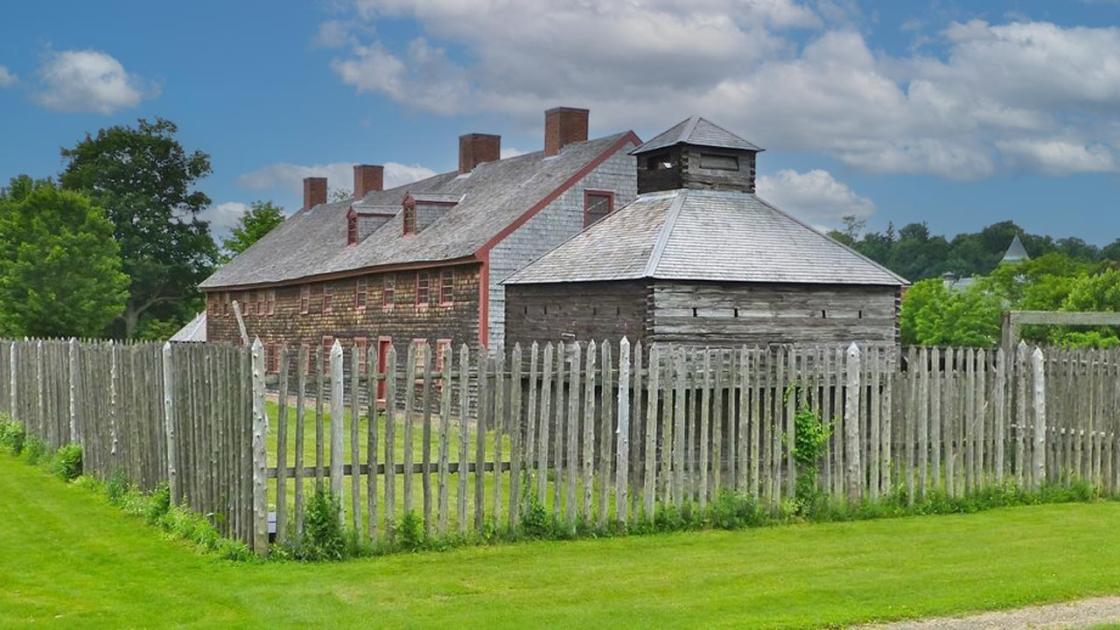
What happened here: Fort Western is the nation’s oldest surviving wooden fort. This post served as the jumping off point for Colonel Benedict Arnold's march into the Maine wilderness. The expedition camped at the fort to outfit before heading deeper inland past the fall line of the Kennebec River.
What to do: The fort is now a National Historic Landmark run by the City of Augusta. The site includes the original 1754 garrison building. Check ahead for seasonal hours, fees, tour options, and other visitor information.
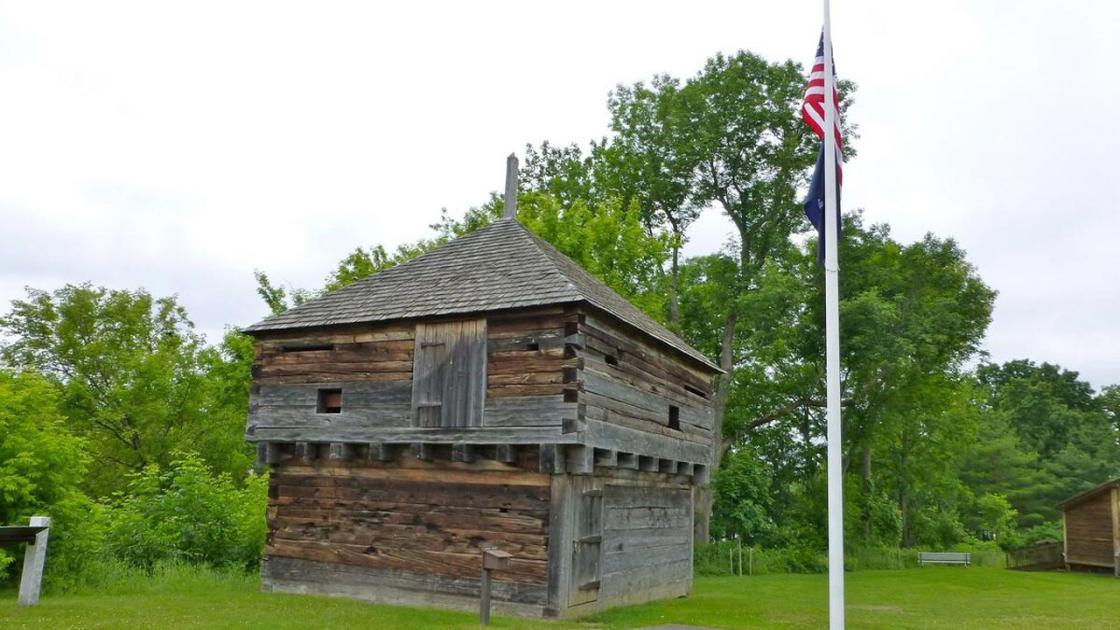
What happened here: Fort Halifax was one of several British-built forts along the Halifax River and was the expedition’s final supply point before they headed deep into the wilderness of Maine. The 1754 blockhouse, now a National Historic Landmark, was painstakingly reassembled after a 1987 flood carried logs downstream as far as 40 miles away.
What to do: While the State of Maine owns the blockhouse, the Town of Winslow owns and operates the neighboring Fort Halifax Park that includes picnic areas, walking trails, gazebo and other amenities. The Friends of Fort Halifax support the site’s upkeep and interpretation. Check ahead for seasonal hours and other visitor information.
Need a break? Make sure to stop by Arnold Park in Skowhegan. The Expedition arrived in on the island of Skowhegan on October 4, 1777, and the Skowhegan Falls proved to be a major obstacle.
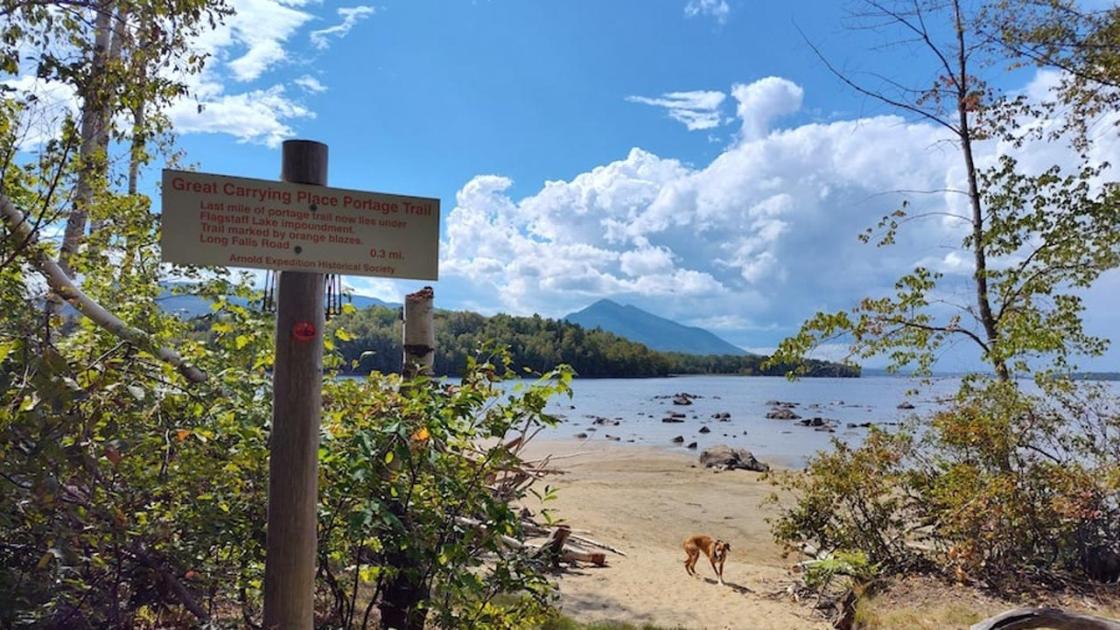
Location: The rest area is located at US-201, Moscow, ME 04920. The east trailhead for the Great Carrying Place Trail is on the west shore of Wyman Lake on Carry Pond Road, Bingham, ME 04920.
What happened here: Benedict Arnold and his men passed over this 13-mile-long portage between the Kennebec and Dead Rivers. This is the most iconic, but also the most arduous, portion of the journey. Rapids ground the expedition’s progress to a halt, as food shortages and illnesses took hold. These delays left behind archaeological evidence of the expedition in the area, including evidence of a hospital built on-site.
What to do: The rest area provides a view of the Kennebec River and has some interpretive panels about the expedition. If you would like an adventurous detour, take a day or two to follow the expedition by foot at the Great Carrying Place Portage Trail. The Great Carrying Place Trail is an approximately 12-mile hiking trail that includes on-site interpretive maintained by the Arnold Expedition Historical Society, but it is not staffed. A portion of the trail also intersects with the Appalachian Trail. Check ahead for seasonal hours, trail difficulty, updates, and other visitor information. The Society also has a hiking guide: AEHS-The-Great-Carrying-Place-Portage-Guide-2021.pdf
What happened here: This route (Maine Route 27) follows the expedition’s path north along the Dead River. It was in nearby Stratton where Arnold lost dozens of men to desertion.
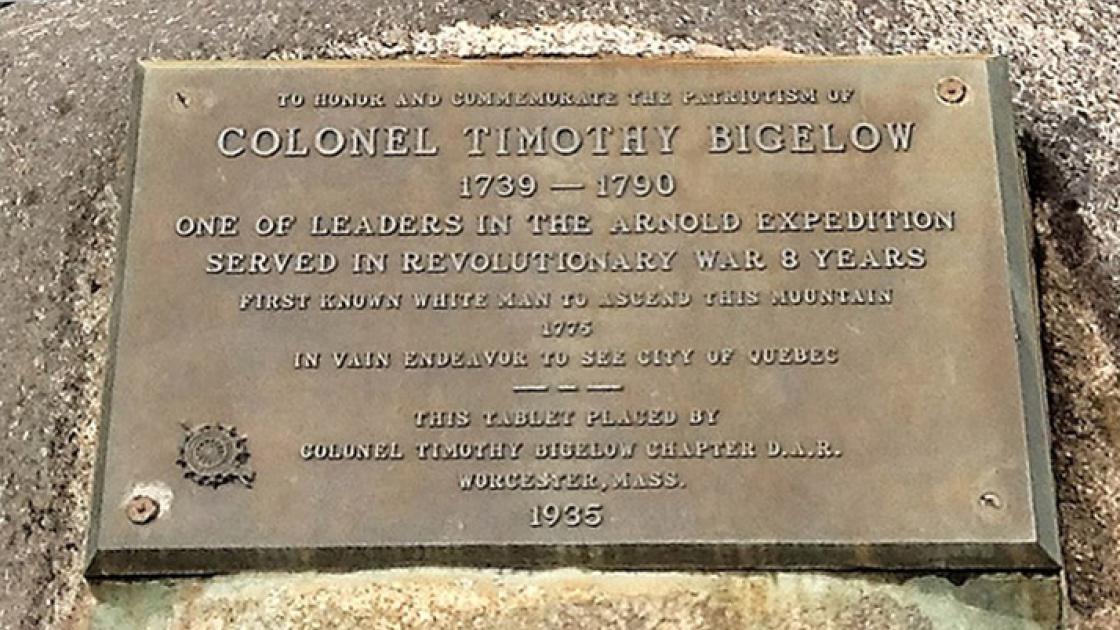
What to do: Check out the marker to Colonel Bigelow, one of the officers on the expedition, placed by the Daughters of the American Revolution in 1935.
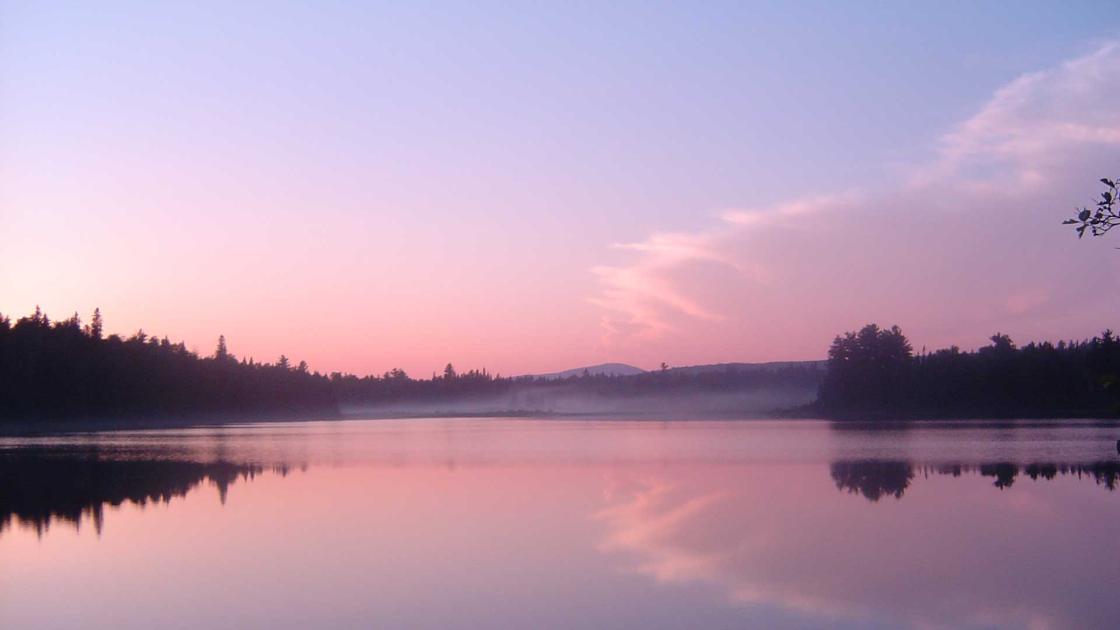
What happened here: Arnold’s men struggled to navigate the long “Chain of Ponds,” arriving at this point around October 25, 1775. At the far end of the Chain of Ponds just a few miles north of here (on Maine Route 27) is Arnold Pond. This pond at the foot of the mountains was the final barrier for the expedition’s route to Canada after hundreds and hundreds of arduous miles. The Arnold Expedition Society and Maine Historic Preservation Commission began underwater archaeology investigations at Arnold Pond in 2024.
What to do: This scenic spot overlooks Nantanis Pond and has some interpretive markers on the Expedition.
NOTICE: To continue, you will need to enter Canada. Check ahead and follow all rules and regulations for Canada and the United States before proceeding with international travel, including but not limited to required documentation and prohibited items.
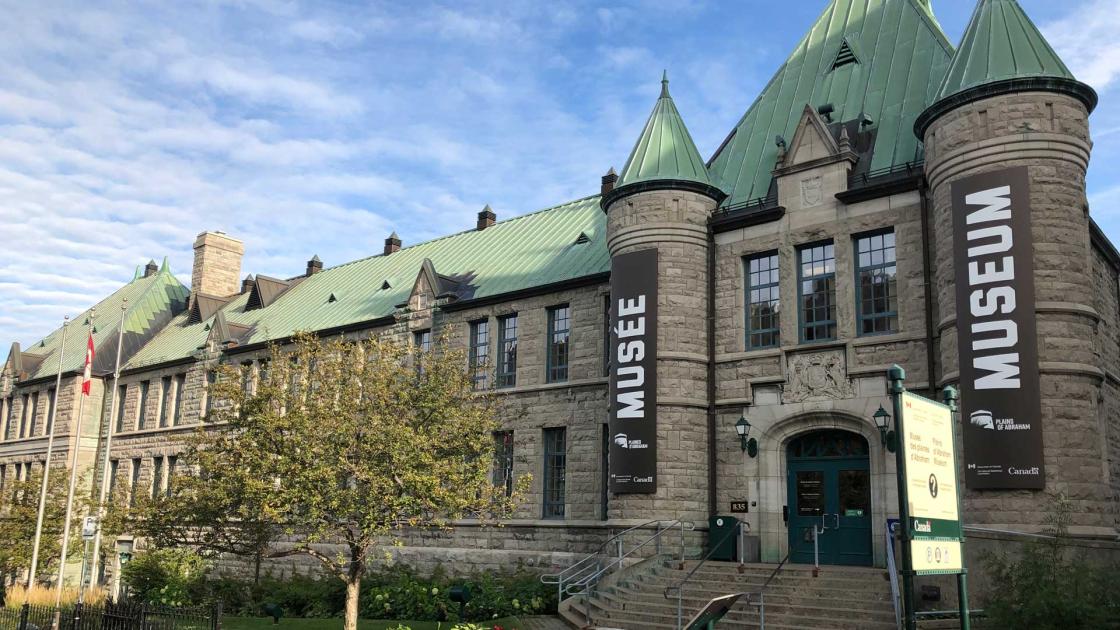
What happened here: The land has been a site of conflict since French explorers founded the colonial settlement of Quebec in 1608. The Battle of the Plains of Abraham during the French and Indian War shifted the course of European empires and Indigenous allies in North America. During the American Revolution, this site was where Benedict Arnold’s dwindled forces – now joined with troops under General Richard Montgomery – would make their attempt to capture Quebec in 1775-1776.
What to do: The Battlefield Park includes a museum and walking trails that explore the multiple battles fought for the city.