-
The BlogBiographies
-
Videos

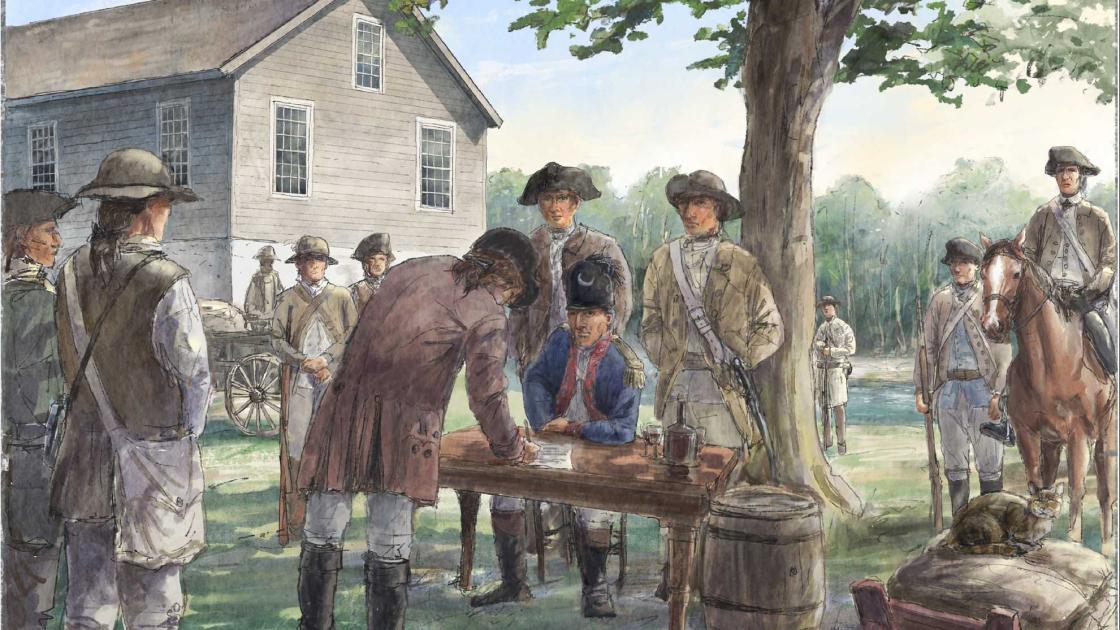
June 8, 1782
Along the Little Pee Dee River, the Revolutionary War unfolded not only as a struggle between empires but as a bitter contest among neighbors. Few figures embodied these shifting loyalties more than Major Micajah Ganey, a formidable Loyalist commander whose rivalry with Patriot leader Francis Marion shaped the conflict in the Pee Dee region. Their clashes, negotiations, and uneasy peace would ultimately bring an end to partisan warfare in this turbulent corner of South Carolina.
During the Revolutionary War many colonials in South Carolina along the Little Pee Dee River remained loyal to King George III. These Loyalists formed a regiment militia of dragoons (cavalry) under the command of Major Micajah Ganey. Ganey initially took sides with the Revolutionary Patriots and served in the 2nd South Carolina Regiment, but after the plundering and pillaging of his plantation by Captain Maurice Murphy of the Patriots, he switched allegiance to the British. He was rewarded with a commission of major and given command of the Loyalists in the Pee Dee region. Ganey was a strong leader who could rally a large force—more than 500 men at times.
Though Ganey never defeated Patriot Brigadier General Francis Marion, he regularly kept him on the run. Marion and Ganey fought many battles and skirmishes against each other through the later years of the Revolutionary War (1780-1782) and eventually negotiated a peace treaty in 1781. With that treaty about to expire, they signed a new treaty on June 8, 1782, at Burch’s Mill. After intense negotiations, the Loyalists agreed to lay down their arms, return civilian property, and serve in the Patriot Militia for six months. The agreement signaled the end of partisan warfare in the Pee Dee region.
Francis Marion’s first engagement as brigade commander of the South Carolina Militia was at Port’s Ferry against Major Micajah Ganey. Francis Marion’s last engagement as brigade commander of the South Carolina Militia was at Wadboo Plantation on August 29, 1782, with Major Micajah Ganey fighting by his side. Despite his late support of the Patriot cause, hostile feelings against former Loyalist Ganey persisted after the war. He eventually left South Carolina and moved to Richmond County, North Carolina.