-
The BlogBiographies
-
Videos

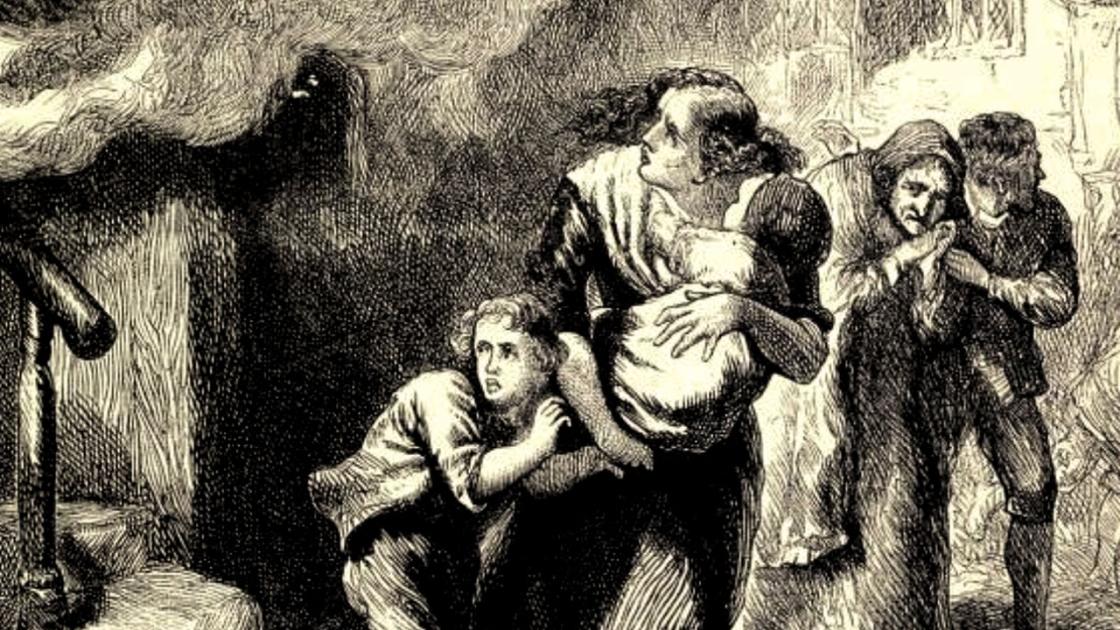
The Burning of Norfolk: The Return of Dunmore
On December 9, 1775 patriot militia swiftly defeated Royal Virginia governor Lord Dunmore’s combined force of Virginia Loyalists, formerly enslaved African Americans, and two companies of the 14th Regiment of Foot. Patriot militia put their oath—liberty to death—to the test, and won. Their victory at the Battle of Great Bridge had driven Dunmore back to Norfolk, but not out of Virginia—not just yet. Instead, Dunmore is in command of upwards of 60 vessels off the coast of Norfolk—and he’s angry. What happened in the earliest days of 1776 would push patriots’ spirits to the brink. As they stood against Dunmore’s forces a final time, they’d have to decide: what are they willing to sacrifice?
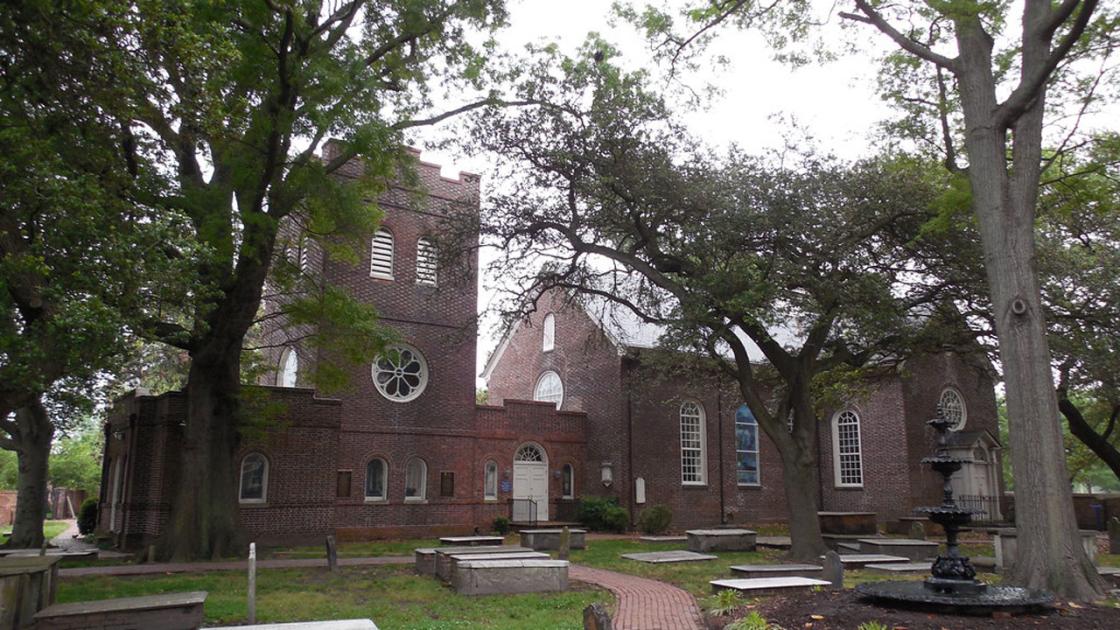
St. Pauls Episcopal Church
You’re at the historic St. Paul’s Episcopal Church. Look up. See that cannon ball lodged in the wall? It’s the only reminder—well, the only physical reminder—of the burning of Norfolk. This church is the only 18th-century building left standing in the city—which was once the most populous town in Virginia—because by the time Dunmore and the patriots finished here, there was little left standing.
After the devastating—and unexpected—loss at Great Bridge, Dunmore retreated here to Norfolk. He soon resumed his command of his floating armada consisting of the royal navy and Virginia loyalists. From his fleet—upwards of 60 vessels—he made demands on Norfolk for food, ammunition, anything and everything (as was his MO). Though civilians had largely abandoned the city, over 1,200 militia troops under Colonel William Woodford stayed to tell Dunmore: no.
Dunmore, true to form, took his revenge. If he can’t have the city, no one can. Around 3:00 p.m. on January 1, 1776, Dunmore commanded his flotilla to unleash all they have on the waterfront. The town began to burn. And the patriots—well, they’d been celebrating the new year. Let’s just say they might have been as full of rum as they were resolve. They decided it would be better to help with the destruction of the town lest it fall to Dunmore anyway. With their spirits high, they cast all fears three sheets to the wind, and proceed to run through the town, setting fire to buildings and warehouses along the waterfront, adopting the rallying cry “Keep up the Jig!”
After “jigging” for three whole days the patriots, following Dunmore’s destructive lead, had succeeded in burning most of Norfolk to the ground. Colonel Woodford successfully argued to Virginia leadership that it had been the right thing to do and, indeed, without anything to plunder, Dunmore continued his slow retreat out of the Virginia.
So, look up at this cannonball. Legend has it that it was fired from the British frigate HMS Liverpool. And that may be true. But remember, most of the destruction of this populous colonial town came at the hands of the patriots, who decided to take a calculated risk and sacrifice the town to rid Virginia of Dunmore forever.