-
The BlogBiographies
-
Videos

August 16, 1780
The Battle of Camden occurred in a pine forest eight miles north of the village of Camden on August 16, 1780. It was a violent contest between Lieutenant General Charles Lord Cornwallis’s Royal and Loyalist troops, and Continentals and militia led by Patriot Major General Horatio Gates. Blunders on the field resulted in a crushing defeat for the Patriots and cost Gates his command.
Before You Go
Please note that this site is not easily accessible for most wheelchairs due to the path being unpaved. The tour should take about an hour and a half and has extensive walking, so please arrive prepared with water and/or come well hydrated.
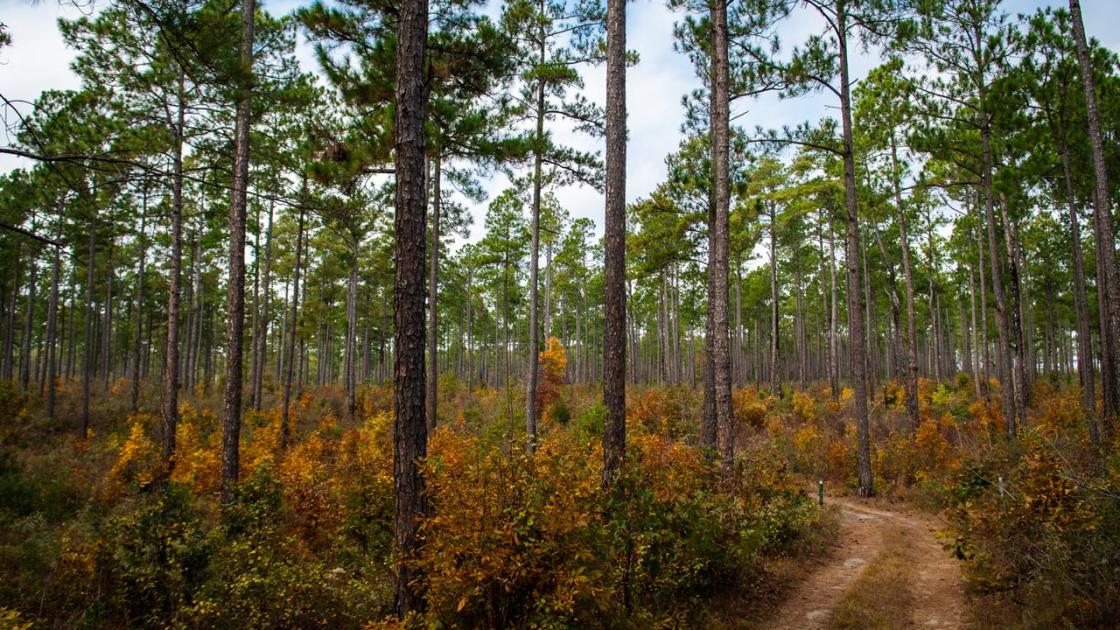
Visitors looking for the famous Camden battlefield — where the Patriot Army suffered one of its greatest defeats of the Revolutionary War — might be surprised that it is not in Camden. While the British garrison, commanded by Colonel Francis Lord Rawdon, occupied the part of the city now known as Historic Camden, the fight occurred about eight miles north in this preserve of longleaf pines. Walking through these pine forests today transports you to the 18th century, when the upright tree trunks here were scorched by artillery fire, and dense musket smoke obscured the soldiers’ path through the sandy soil.
Camden was at a major crossroads connecting Charleston on the coast with the South Carolina interior. The British understood the strategic importance of inland towns like Camden, and after wresting Charleston from the Patriots on May 12, 1780, their infantry and cavalry detachments fanned out across South Carolina. They subdued these settlements and used them as supply and intelligence centers, as well as garrisons for active troops, the sick, and the wounded.
In the eyes of the British, maintaining control of the backcountry was instrumental to restoring the colonies to Crown rule. But Patriot militia leader Thomas Sumter successfully employed guerilla tactics to break the British hold on rural South Carolina. However, on August 16, 1780, he did not participate with the Continental Army in a drama that cost the Americans heavy casualties and Patriot commander Horatio Gates his job.
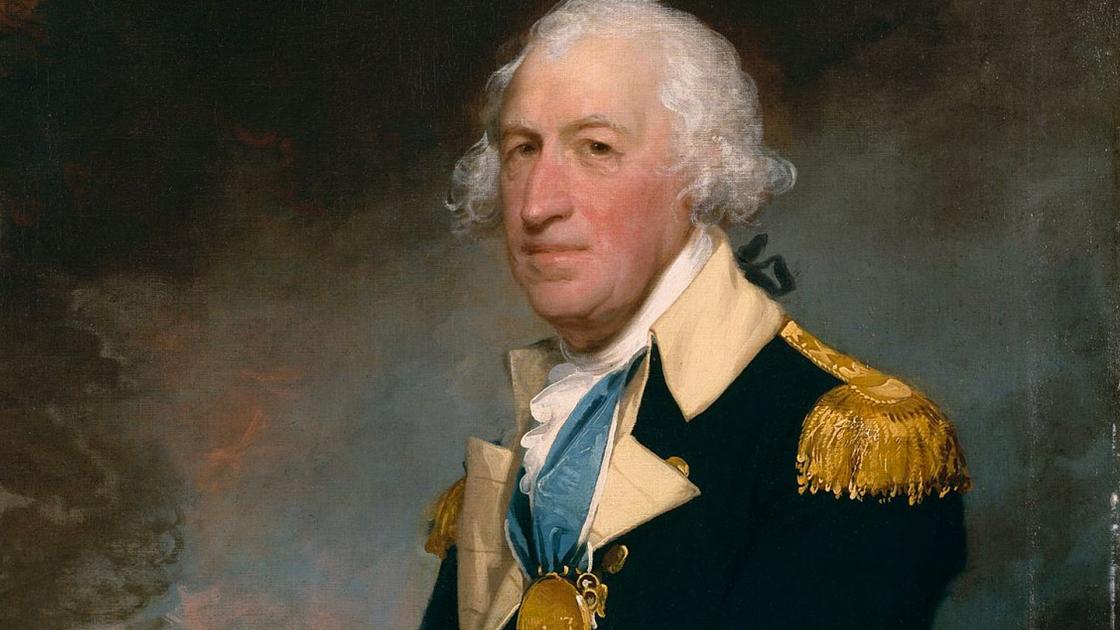
As the British threatened Charleston in the spring of 1780, General George Washington detached a force of Continental soldiers south from Morristown, New Jersey to reinforce the besieged Patriot Army. Major General “Baron” Johann de Kalb, a European idealist who joined the American cause, led his Maryland division and the Delaware Regiment toward the Carolinas. He arrived near Deep River, North Carolina, on July 19 after a difficult march from Petersburg, Virginia. En route, he learned that Charleston had already fallen to the British with Major General Benjamin Lincoln’s surrender on May 12. While de Kalb awaited further orders, Congress appointed Major General Horatio Gates, the hero of the American victory at the 1777 Battle of Saratoga, to take command of the Southern Department’s forces. Gates arrived in Deep River on July 25.
When plotting the first move of his campaign, Gates acted on intelligence provided by South Carolina militia Colonel Thomas Sumter, who reported that there was a reduced and potentially vulnerable British outpost at Camden about 170 miles away. Ignoring the advice of his deputy, Gates decided to follow the most direct and fastest route to Camden through the sandhills, a part of the Carolinas widely known to lack forage. Near the Pee Dee River, the soldiers, exhausted and out of rations, found plentiful but unripe green corn and peaches. The starving men devoured it and suffered predictably awful gastrointestinal reactions. In another stroke of bad luck, a tremendous thunderstorm hit the Patriot Army and delayed their river crossing by several days.
When all Gates’s troops were assembled, they included de Kalb’s Maryland and Delaware Continental Division, which consisted of two brigades led by Brigadier General William Smallwood and Brigadier General Mordecai Gist. Reinforcing them was Lieutenant Colonel Charles Tuffin Armand, who led a Continental corps of about 60 cavalry and an equal number of light infantry. There were also a few cavalry troops from Virginia and about 20 mounted South Carolina militiamen under Major Thomas Pinckney, as well as three companies of artillery under Colonel Charles Harrison. Major General Richard Caswell’s North Carolina militia and Brigadier General Edward Stevens' Virginia militia ultimately joined Gates’s “Grand Army” as well. On August 7, the unified command proceeded south. At Little Lynches Creek near the headwaters of the Black River, about 16 ½ miles from Camden, they were stopped in their tracks by British commandant Rawdon, whose troops were positioned on the opposite bank, anticipating their arrival.
Gates judged it unwise to fight Rawdon in the narrow swamps near Little Lynches Creek. He effectively bypassed the British and marched his troops west to camp at Rugeley’s Mill, located on the main road from Camden to Salisbury, North Carolina, then known as the Great Waxhaw Road (now called the Flat Rock Road). As a result of Gates’s flanking maneuver, Rawdon’s forces were as far from their Camden base as was Gates, so Rawdon quickly withdrew to fortified Camden, posting his command at Logtown, a small group of houses a mile north of the colonial village of Camden. In the meantime, Commander of the British Army Lieutenant General Charles Cornwallis, who was then in Charleston, rode north with a small escort on August 10 to join Rawdon. While Gates’s forces made camp at Rugeley’s Mill on August 13, the British commander arrived at the headquarters in Camden late that same night to take command of the British Army.
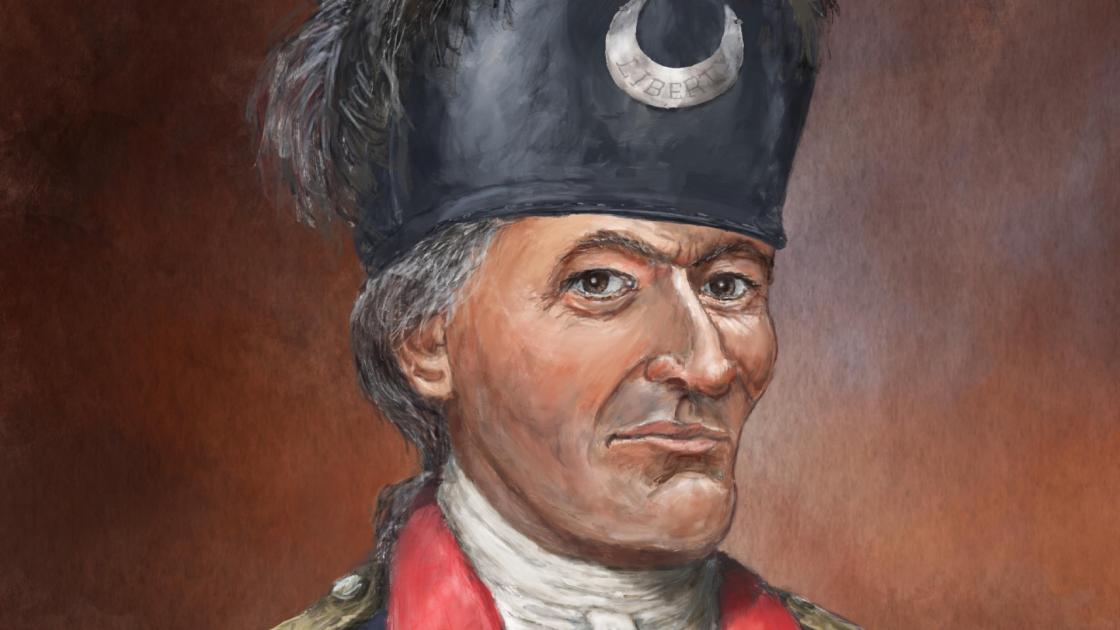
In South Carolina, Gates encountered local militia who rallied to the Patriot cause after the fall of Charleston. A group of 20 men, led by Lieutenant Colonel Francis Marion, “the Swamp Fox,” had joined forces with de Kalb back in North Carolina. According to Colonel Otho Williams, Gates was dismissive of Marion and his ragtag brigade:
Colonel Marion, a gentleman of South Carolina, had been with the army a few days, attended by a very few followers, distinguished by small black leather caps and the wretchedness of their attire. . . . the general himself was glad of an opportunity of detaching Colonel Marion, at his own instance, towards the interior of South Carolina, with orders to watch the motions of the enemy, and furnish intelligence.
However, Major Thomas Pinckney, aide de camp to Gates, refuted Williams’s account, saying that Gates knew of Marion’s excellent service at the battles of Fort Moultrie and Savannah from Williams, who had served with the colonel. He added that Gates dispatched Marion only after conferring directly with Williams. In truth, Marion’s orders came not from Gates but directly from de Kalb, who apparently had an affinity for “The Swamp Fox” and his abilities and sent Marion and his men on a scouting and foraging patrol.
Gates may have been disparaging of Marion for his appearance, but he was clearly aware of the service Marion could provide in gathering intelligence. On August 15, 1780, Marion and Colonel Peter Horry proceeded “to go Down the Country to Destroy all boats & Craft of any kind, we found on Santee River in Order to prevent Cornwallis & his Troops Escaping him.” Their successful mission confined the British to Camden.
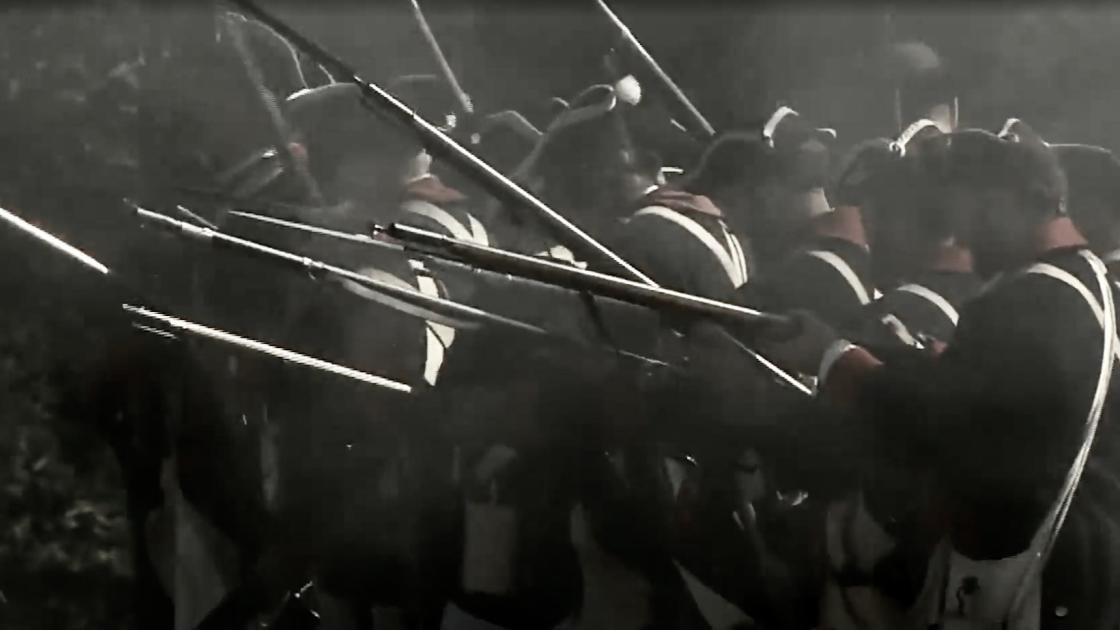
On the afternoon of August 15, Gates issued orders to march south that evening. The army, about 3,000 men strong, immediately prepared—breaking camp, packing wagons, and organizing the order of the troops. Gates’s campaign began far away in North Carolina, requiring him to take all his necessities on the road. He ordered the heavy baggage, extra artillery stores, quartermaster supplies, sick soldiers, and women camp followers north to the Waxhaws. Essential provisions and ammunition would accompany the army. Before heading out, Gates issued his men a full meal of meat, bread, and a cup of molasses. Unfortunately, the molasses acted as a purgative. In this sorry condition, the soldiers proceeded in battle formation through the rolling and wooded landscape toward Camden.
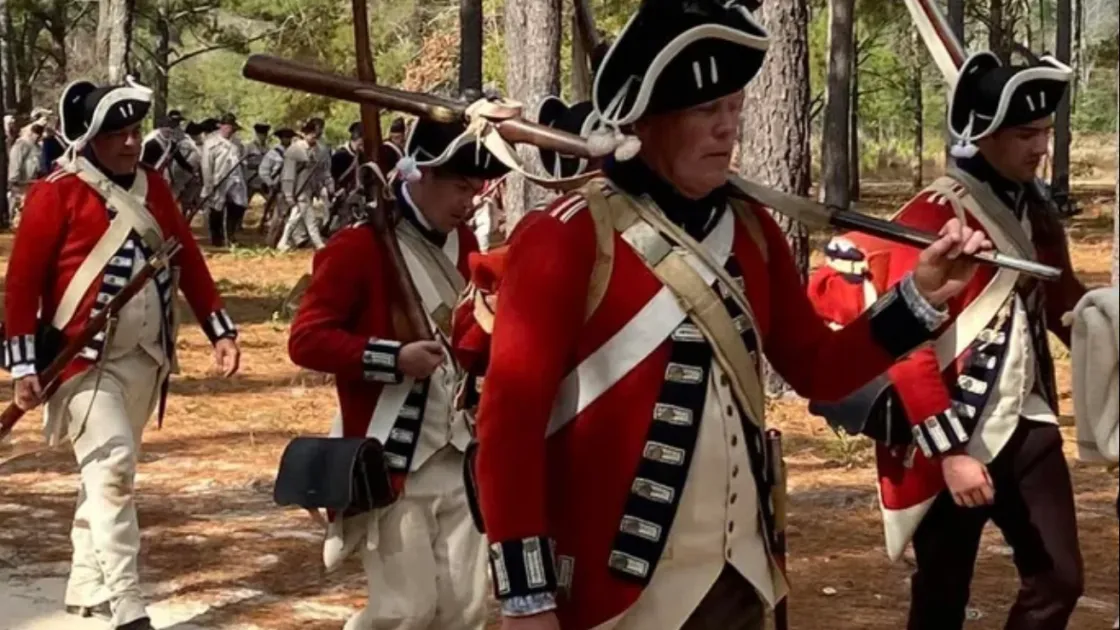
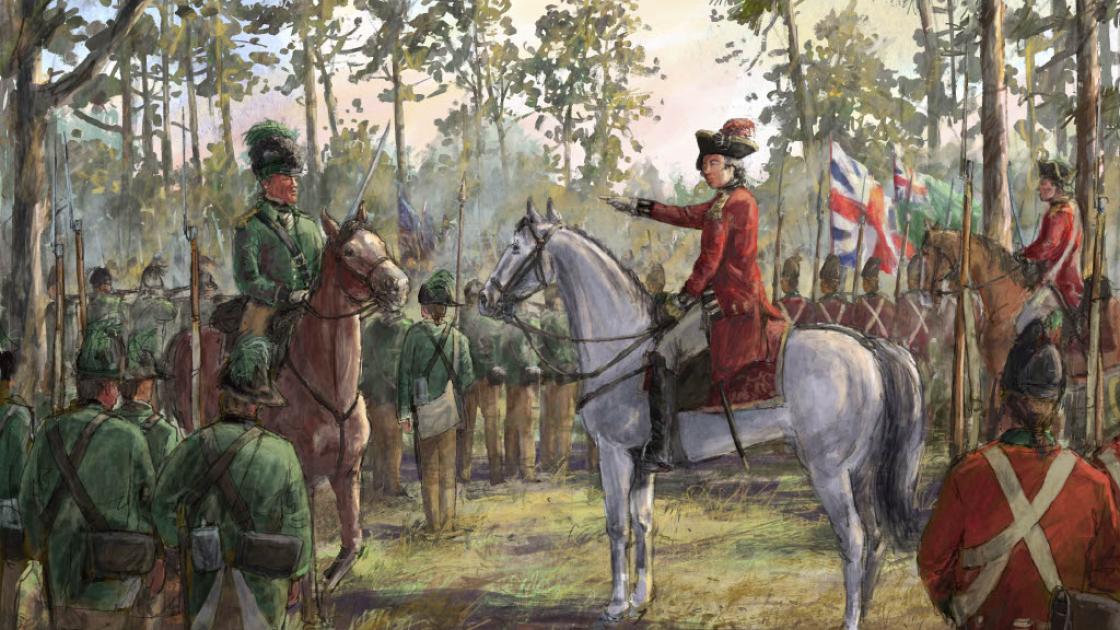
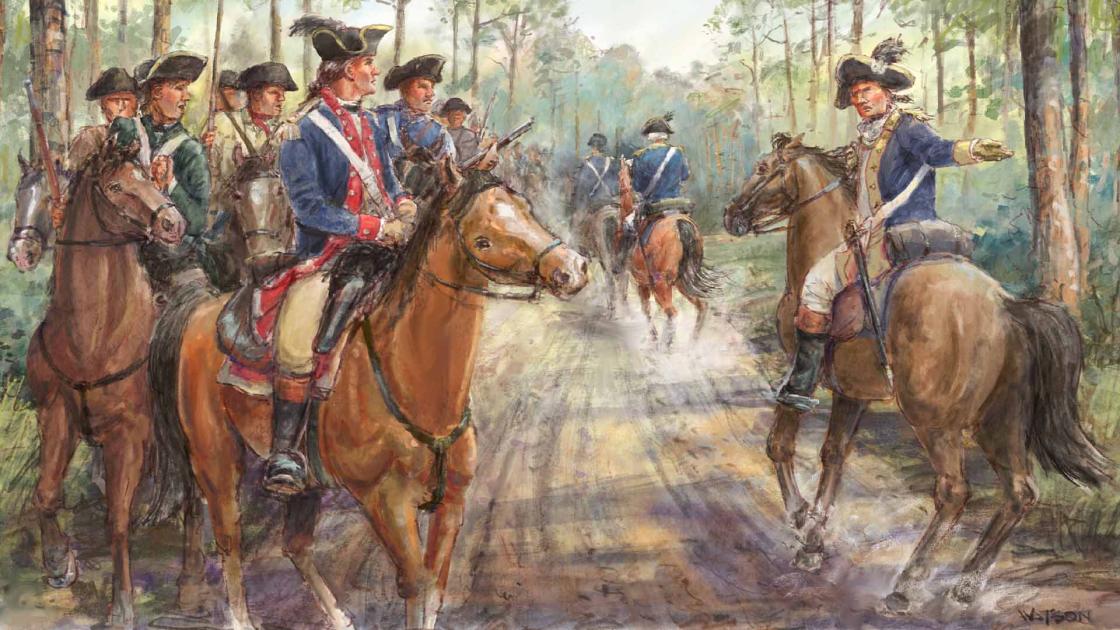
Unknown to Gates, Cornwallis’s forces of about 2,230 had also mobilized and were on the same road. The British general, tipped off to Gates’s whereabouts, headed north, hoping to reach Rugeley’s on morning of the 16th for a surprise dawn attack. He placed Banastre Tarleton’s British Legion dragoons in front. Behind them were mounted infantry and four companies of light infantry. The British regular infantry, 23d and 33d Regiments of Foot followed. Behind them was Rawdon’s provincial brigade consisting of the Volunteers of Ireland, British Legion infantry, Hamilton’s Royal Regiment of North Carolina, and Colonel Samuel Bryan’s North Carolina Loyalist militia. Two battalions of the British 71st Highlanders Regiment brought up the rear. Cornwallis also brought six field pieces. Because they were close to their base and could travel light, the British column was in tighter order than the Americans, whose long and unwieldy wagon train stretched for miles on the Great Waxhaw Road. Treading secretly and quietly, and guided by an almost-full moon, the two armies unexpectedly collided at 2:30 a.m. about one-half mile north of Gum Swamp.
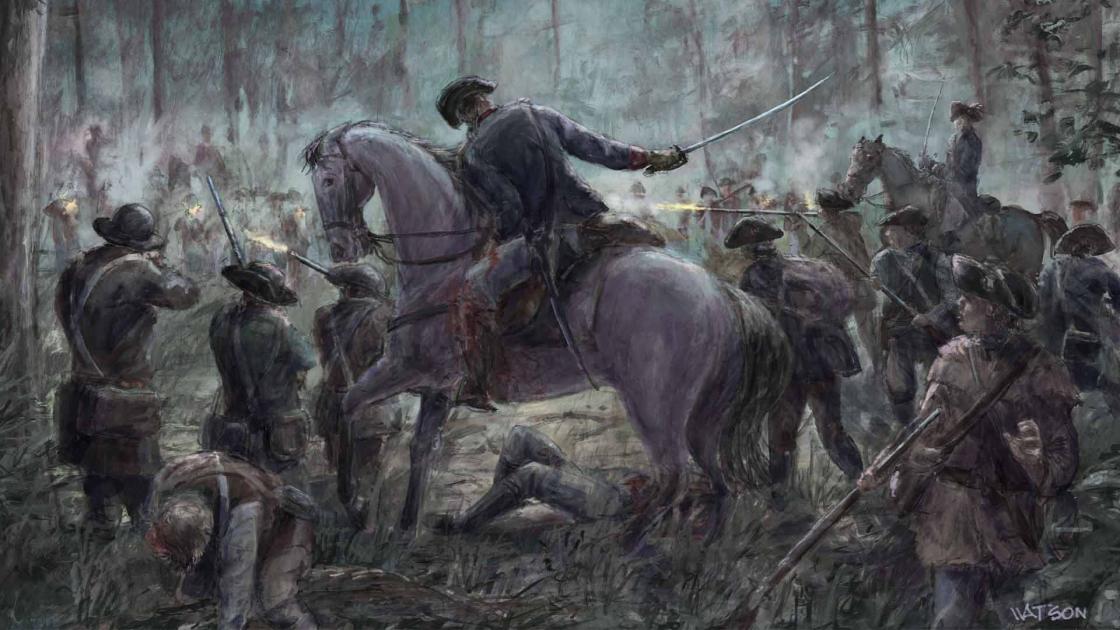
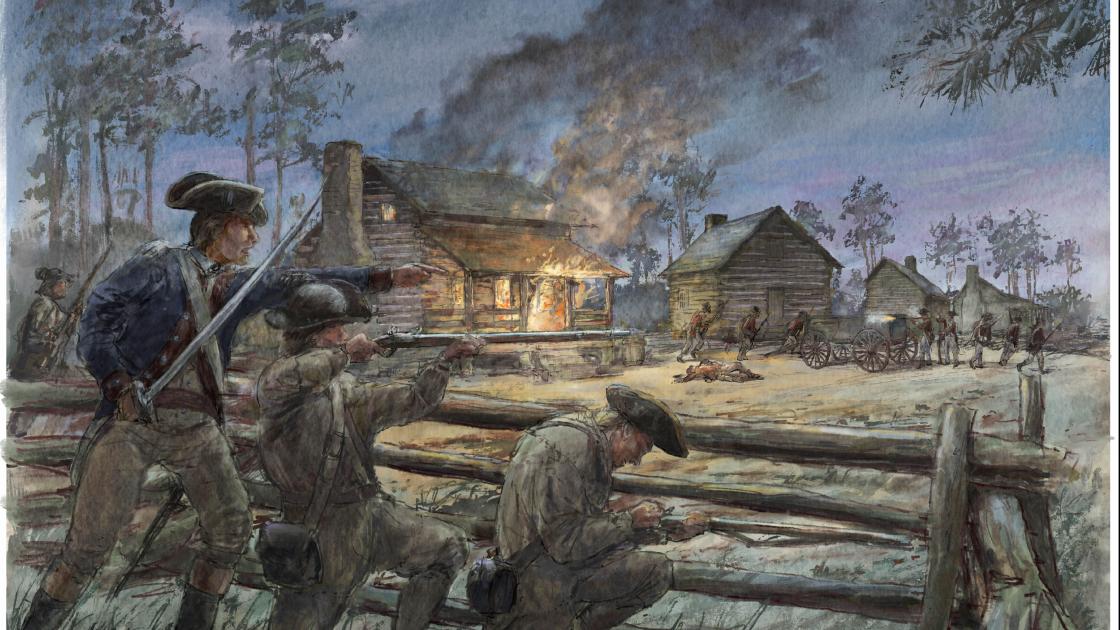
The British issued a verbal challenge, which went unanswered, so their cavalry charged immediately. Armand’s cavalry, leading the Patriots, clashed with the enemy’s mounted forces in the moonlit woods. The Virginia light infantry reacted to the first shots and ran to the British west flank returning fire. This surprised the British dragoons and forced them back. Next, the British light infantry advanced, deployed, and laid down a solid fire, throwing back the American center. Horses and men became entangled. Gates, who rode up to Armand’s position at the first sound of gunfire, worked to get the troops under control. The 1st Maryland Brigade formed into a battle line across the Great Waxhaw Road. Covered by the British light infantry, the 23d and 33d Regiments also deployed across the Great Waxhaw Road. Firing continued on both sides for a short while and then ceased. Both armies withdrew, waiting until daylight to resume combat.
As the British and the Patriots prepared to meet again in the morning, their commanders gathered valuable information about the field and their foes. Gates learned that Cornwallis's entire force was just to his south, deployed across the road. Cornwallis, although outnumbered, realized that he had Gates in the open where the Patriot commander could not avoid battle. In open wood, both armies could deploy in linear order with their west flanks protected by overgrown swamp. On the east side of the battlefield, a relatively flat plane stretched out over 2,000 feet before the land fell into another low, swamp. Both sides anchored their west flanks on the low area, but the Americans’ east was not protected by any natural terrain. The British had a slight advantage as the experienced troops on their east could maneuver quickly on the flat terrain. With the British before him and his wagons stretching miles behind, Gates knew retreat was not possible. His only option was to fight.
As the two armies dueled in the dark forest that evening, Patriot Lieutenant Colonel Charles Porterfield’s leg was shattered by a musket ball that was fired by the British light infantry. He struggled to remain in the saddle, but another shot caused his horse to bolt, and Porterfield crashed to the ground. Private Guilford Dudley tried to help Porterfield mount his own horse but could not manage alone. Seeing two men dressed as Patriot militia, he shouted for them to come help. It is believed that one of them was James Carter, a free Black man.
According to pension records, Carter had already served 18 months in Virginia before Camden and had re-enlisted for another 18 months in the 2nd Virginia State Regiment of Artillery. His unit was then ordered to join Porterfield’s Virginia command, which took him to South Carolina. Carter, like the rest of the Patriot troops, suffered the ill effects of the molasses they consumed at their camp at Rugeley’s Mill, and like the others, he was surprised to encounter British cavalry and light infantry in the moonlight. He and his companion were trying to find the main line of their army when the shout from Dudley slowed them.
Through the next few hours, Carter likely assisted in getting the badly wounded officer away from the battlefield and to a place of temporary safety. The exhausted soldier found a surgeon to attend to Porterfield and then returned to his unit. The next morning, Carter witnessed the militia brigades run from the battlefield. Panicked, he and his fellow light infantrymen followed. Carter survived the battle and made his way back to the Patriot camp in North Carolina. Unlike Porterfield, who died of his wounds, Carter survived the war.
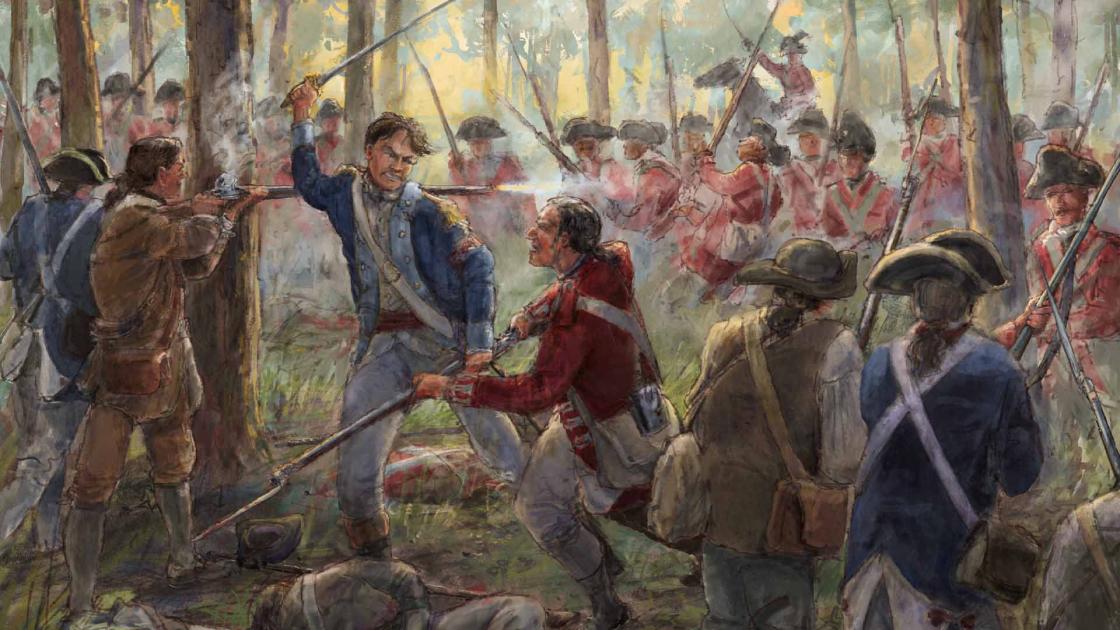
Just before dawn on August 16, Gates rode down his line, saying a few encouraging words to the men and rallying them for the coming battle. The fight soon began in earnest with slow and deliberate cannon duels in the dark. The pine tree canopy and the still, early morning air trapped the thick black powder smoke and obscured all daylight. The cannonade showered deadly grapeshot on the troops of both armies.
According to the traditional rules of 18th century warfare, the most experienced units were generally placed on the right of the line. When Gates formed his men for battle, he made a critical error in his deployment. He positioned the veterans from Maryland and Delaware on the right. He should have recognized, however, that his opponent would do the same. The American commander ordered inexperienced Virginia militia under Brigadier General Edward Stevens and North Carolina militia under Brigadier Richard Caswell on his left. Cornwallis completed his own deployment. Just as Gates had done, Cornwallis posted his honored troops on his right, to the east of the road. He formed the veteran 23rd and 33rd Regiments of Foot to face Stevens and Caswell. These British regiments were led by one of his best line officers, Lieutenant Colonel James Webster.
According to pensioner Thomas Moody of the Cumberland, Virginia, militia, “after we were all drawn up in battle array Gates came riding along the lines and gave orders somewhat to the following purpose, ‘Let not a single gun be fired until the British get within six paces, then everyone choose his man, fire on him and bayonet the rest.’" Pensioner Amasa Spencer of the Charlotte County, Virginia, militia reported, that his unit had no bayonets.
As the British advanced with bayonets fixed, the terrified Virginians immediately turned and ran, and just like dominoes, the North Carolinians went with them. North Carolinian Garret Watts recalled the experience in his pension application:
I well remember everything that occurred the next morning. I remember that I was among the nearest to the enemy . . . that we had orders to wait for the word to commence firing – that the militia were in front & in a feeble condition at that time. They were fatigued, the weather was warm excessively. They had been fed a short time previously on molasses entirely. I can state on oath that I believe my gun was the first gun fired, notwithstanding the orders, for we were close to the enemy, who appeared to maneuver in contempt of us, and I fired without thinking except that I might prevent the man opposite from killing me. The discharge and loud roar soon became general from one end of the line to the other. Amongst other things, I confess I was amongst the first that fled. The cause of that I cannot tell, except that everyone I saw was about to do the same. It was instantaneous.
But where was Gates? According to the Patriot commander’s report after the battle, he and Caswell attempted to stop the running militia on the battlefield, without success. Pressed by the British, the Americans “ran like a torrent” up the road to Rugeley’s. Gates was swept along with the current. When questioned about Gates’s whereabouts during the battle, an officer in Caswell’s command replied, “he’s gone,” and added contemptuously “he has fled and is probably past Rugeley’s by now.”
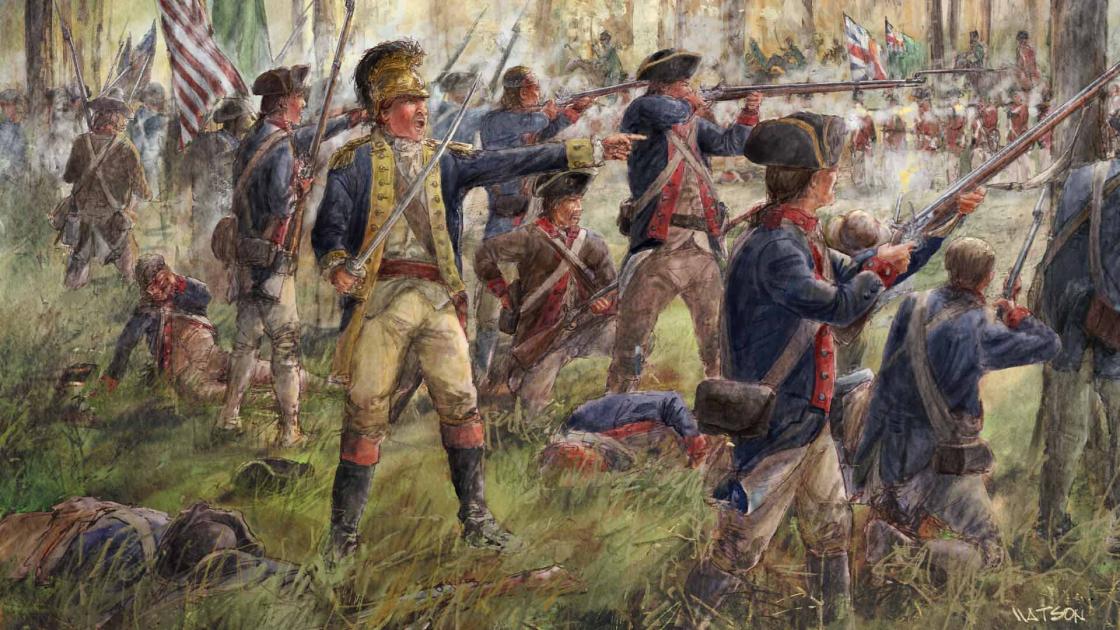
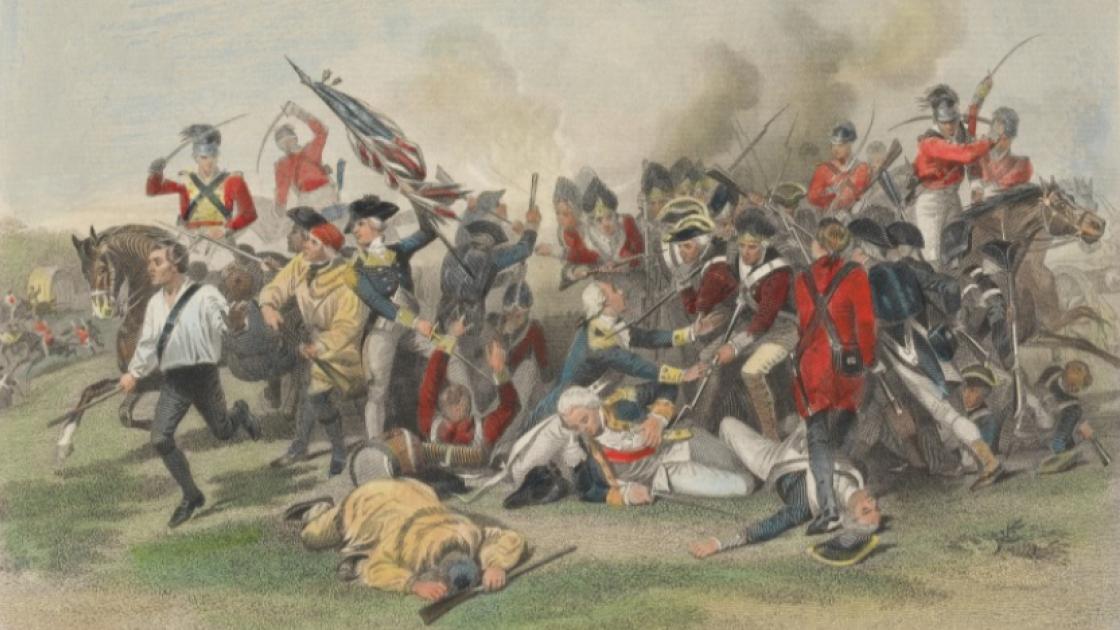
Rather than allow his men to break ranks and pursue the fleeing militia, Webster focused his attention on the remaining Continental force on the field led by de Kalb. De Kalb bravely ordered a counterattack to stem the tide. The armies engaged in hand-to-hand combat with bayonets and sabers. Cornwallis, however, committed his reserves. The British infantry and dragoons swarmed around the American left and rear. Colonel Otho Williams recalled:
Lord Cornwallis, perceiving there was no cavalry opposed to him, pushed forward his dragoons—and his infantry charging, at the same moment, with fixed bayonets, put an end to the contest. His victory was complete. All the artillery, and a very great number of prisoners, fell into his hands—many fine fellows lay on the field — and the rout of the remainder was entire—not even a company retired in any order— every one escaped as he could.
In the chaos of combat, de Kalb was hit. He had eleven wounds, the majority from the bayonet. He fell somewhere in the woods, across the road from where the de Kalb monument stands today. Many of his men stayed and died among the pines or surrendered. Others broke into small units and attempted to fight their way off the battlefield.
As Gates's army retreated north, de Kalb was taken to the British base Camden, where he lingered for the next three days. He passed away on August 19 and was buried with full military honors and Masonic rights between two British officers, near the house where he died. In 1825, he was disinterred and reburied underneath a monument that stands in the yard of the Bethesda Presbyterian Church on East Dekalb Street in Camden. His original headstone is now part of the foundation of the steps of the Kershaw County Chamber of Commerce. A statue of him stands outside the Revolutionary War Visitor Center adjacent to Historic Camden.
Once the battle was won, the British Legion cavalry pursued the fleeing Americans heading north. Gates, Caswell, and Armand, continued to Rugeley’s Mill, attempting to regroup and stop the militia flooding in from the battlefield, but the panicked men no longer heeded their commands. Soon the Patriot commanders had another problem. The wagon train that had been ordered north before the march to Camden had not gotten far. As Gates, Armand, and other American officers tried to usher them off and rally the militia, Tarleton’s cavalry appeared. Williams wrote of the frantic retreat:
The general order for moving off the heavy baggage, &c. to Waxaws, was not put in execution, as directed to be done, on the preceding evening. The whole of it, consequently, fell into the hands of the enemy…Other waggons also had got out of danger from the enemy; but the cries of the women and the wounded in the rear, and the consternation of the flying troops, so alarmed some of the waggoners, that they cut out their teams, and taking each a horse, left the rest for the next that should come. Others were obliged to give up their horses to assist in carrying off the wounded; and the whole road, for many miles, was strewed with signals of distress, confusion, and dismay.
Armand’s men vainly made a last stand against the Legion’s charge, and Tarleton’s vigorous pursuit of the Patriots continued for another 22 miles to Hanging Rock. The British captured 20 ammunition wagons, 120 supply wagons, and many American officers and troops. Gates escaped to North Carolina, where he reported on the battle to Congress: “In the deepest Distress and Anxiety of Mind, I am obliged to acquaint your Excellency with the Total Defeat of the Troops under my Command.”
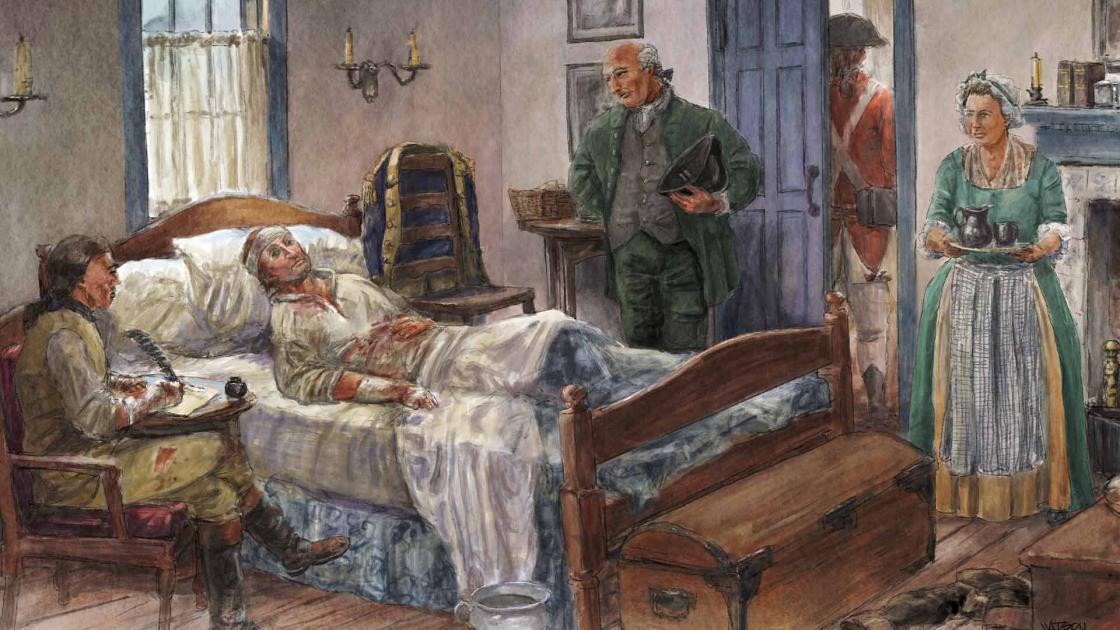
The casualty figures for the Battle of Camden are uncertain and may have exceeded 2,000 in all, but Cornwallis reported British figures as 68 killed, 245 wounded, and 11 missing. On the American side, there were approximately 250 killed, 800 wounded, and as many as 1,000 captured. Around 32 Continental officers were taken prisoner. Among the mortally wounded was de Kalb, who led his brigade in a furious 45-minute stand against the British. Beyond the horrific bloodshed, the Battle of Camden was a costly defeat for the Patriot cause, and the Southern Continental Army would not be ready to take the field again until December.
Gates’s actions and behavior at Camden remain a source of discussion and debate. Many historians believe that Gates overestimated the capabilities of his inexperienced militia and seriously erred by lining those green forces against the strongest British troops. The American defeat at Camden was disastrous and dashed American hopes of regaining the South. William Dobein James, a teenage soldier in Marion’s Partisan corps, later wrote that “no event which had yet happened, was considered so calamitous.” George Washington observed that “the stroke is severe,” and that it would be very difficult to rebuild the southern army. New York Congressman James Duane declared it “so deplorable a catastrophe.”
Following the debacle at Camden, Congress passed a resolution calling for a board of inquiry, to investigate Gates's conduct. Gates vigorously defended his actions. Although he avoided a court martial or official censure, the Continental Congress and the public lost confidence in the “Hero of Saratoga,” and Gates never again held a field command. He eventually rejoined George Washington's army in New York.
With his victory at Camden, Cornwallis believed that the British had won South Carolina and he moved northward into North Carolina. He wrote to Lord George Germain, the Secretary of State for the Colonies:
The rebel forces being at present dispersed, the internal commotions and insurrections in the province will now subside, but I have given directions to inflict exemplary punishment on some of the most guilty in hopes to deter others in future from sporting with allegiance, with oaths, and with the lenity and generosity of the British Government.…. I dispatched proper people into North Carolina with directions to our friends there to take arms and assemble immediately and to seize the most violent people and all military stores and magazines belonging to the rebels.
Cornwallis, however, was ultimately unable to subdue the rebellion. Major General Nathanael Greene was appointed to replace Gates in the South in October 1780, and together with militia groups led by Marion, Sumter, and others, the Partisans were slowly able to gain ground against the British. Victories at King's Mountain (October 7, 1780) and Cowpens (January 17. 1781) proved that the struggle for independence was very much alive. Greene met Cornwallis in battle at Guilford Court House (March 15, 1781) and although the Patriots suffered defeat there, it forced an exhausted Cornwallis to ultimately abandon the Carolinas and carry the war to Virginia. A second clash near Camden, the Battle of Hobkirk Hill, took place on April 25, 1781. You can visit this Liberty Trail site just a few miles from here. Technically the victors in that fight, the British no longer felt their outpost to be safe, and they abandoned Camden the following month. Cornwallis surrendered to the Continental Army at Yorktown in October 1781, and the following year, the British left South Carolina for good.