-
The BlogBiographies
-
Videos

December 1, 1781
Fort Dorchester was a critical part of Charleston’s defenses during the Revolutionary War. An oyster-shell, “tabby,” fortress, originally constructed here during the French and Indian War, was restored, equipped with a powder magazine, and occupied by both British and Patriot soldiers during the struggle for independence. See the original tabby walls and explore the site of this once-thriving colonial town.
Before You Go
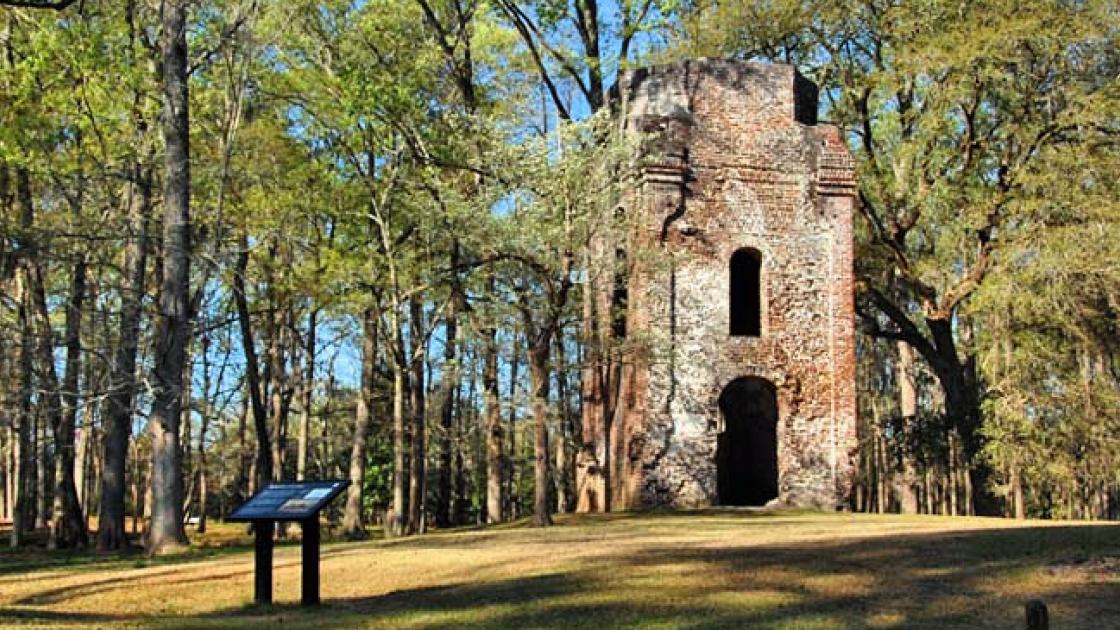
Local residents know that the South Carolina State Historic Site at Fort Dorchester offers pleasant walking trails, features the ruins of a colonial town, cemetery, and church tower, and showcases one of the best-preserved oyster-shell, or “tabby,” fortifications in the nation. Visitors from farther afield, however, may be surprised to find the remnants of a flourishing eighteenth-century trading post and Revolutionary War stronghold only 25 miles from the City of Charleston. Although the town of Dorchester disappeared after American independence was won, it had a prominent role in the early history of South Carolina and the struggle for liberty. The park charges a small fee for entry.
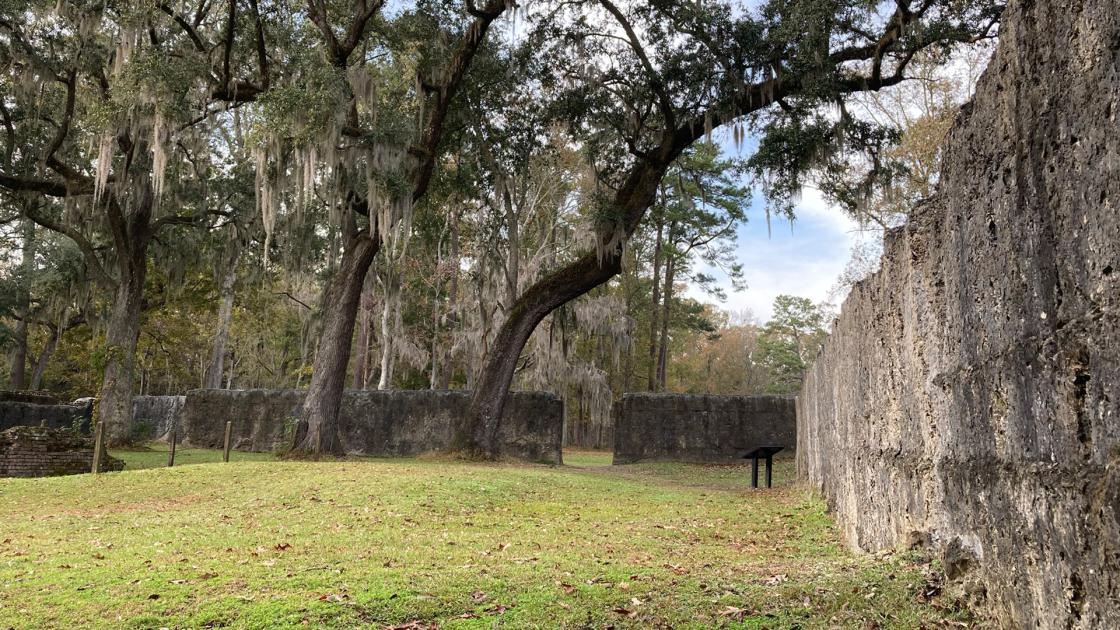
Local residents know that the South Carolina State Historic Site at Fort Dorchester offers pleasant walking trails, features the ruins of a colonial town, cemetery, and church tower, and showcases one of the best-preserved oyster-shell, or “tabby,” fortifications in the nation. Visitors from farther afield, however, may be surprised to find the remnants of a flourishing eighteenth-century trading post and Revolutionary War stronghold only 25 miles from the City of Charleston. Although the town of Dorchester disappeared after American independence was won, it had a prominent role in the early history of South Carolina and the struggle for liberty.
Dorchester was located on an advantageous peninsula, between two creeks on the north side of the Ashley River. Before the 1600s, this area was wilderness and inhabited by Native Americans, who were skilled hunters and lived off the land. They used the Broad Path, which followed the Ashley River, to trade with nearby communities. During the American Revolution the old Broad Path became known as the Road to Dorchester (now Dorchester Road) and was used by British and Patriot troops as the main route from the tabby fort here at Dorchester to Charleston.
Native Americans no longer lived in this area by 1696, when a small religious congregation from the town of Dorchester, Massachusetts, settled here. Led by Reverend Joseph Lord, the group established a new town, named for their old one, and began to spread the gospel. The community erected St. George’s Anglican Church to serve the parish and conducted a thriving trade in rice, indigo, and other cash crops. A powder magazine, or munitions storehouse, and fort were built here in 1757 during the French and Indian War.
When the colony of South Carolina embraced the cause of independence in 1775, the new government looked for nearby assets to help defend the valuable port city of Charleston. Dorchester not only had the formidable church and old fortifications, but also two wharves, the critical Bacon Bridge spanning the Ashley River, and about forty houses, making it the third largest town in South Carolina. The town was near the wagon road to the backcountry and accessible to areas south and west of the Lowcountry. In the fall of 1775, the Charleston Council of Safety decided it was time to restore Dorchester’s crumbling defenses.
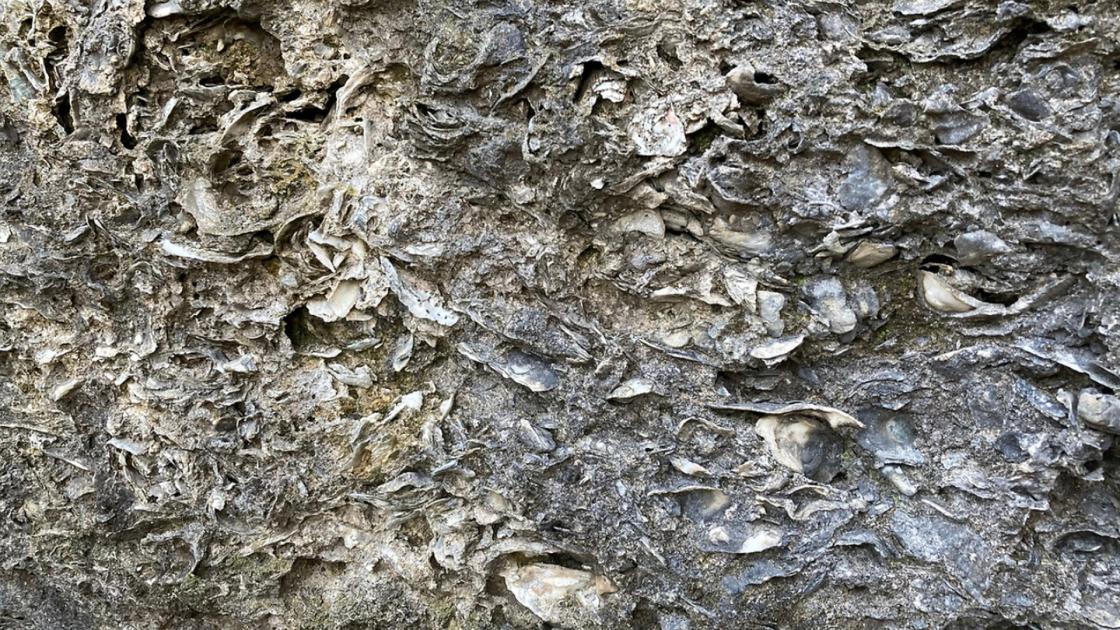
Completed in 1760 to defend Charleston from invasion during the French and Indian War, the powder magazine and fort at Dorchester were made from a material composed of lime, sand, and oyster shells called tabia, or “tabby.” When dried, this mixture had the consistency of concrete. If you look closely at the original 18th-century walls that still stand here today, you can see countless rough gray oyster shells. Tabby was also used to construct the Horn Work in Charleston, another stop on the Liberty Trail. This tabby structure was based on a classic European military design. The walls formed a rectangle around the magazine, with sections called half-bastions projecting from each corner to provide cross fires for the defenders. Soldiers could direct deadly fire down the length of adjoining walls, giving attackers no cover.
Though they had fallen into disrepair, these fortifications became important as the British threatened Charleston in 1775. In his Memoirs, Patriot Colonel William Moultrie remembered the decision to create a military post at Dorchester:
In July [1775] the council of safety appointed a committee to survey the village of Dorchester, for making it an armed post. Having now upwards of 30,000 pounds of gunpowder in an about Charlestown, and always apprehensive of the British men of war [the British sloops Tamar and Cherokee], lying in the Rebellion- road, coming up to attack the town, it was thought prudent to have some of the powder moved into the country.
Work on the magazine was completed by October 7, and Moultrie ordered 10,000 pounds of powder sent there, along with a detachment of troops to stand guard.
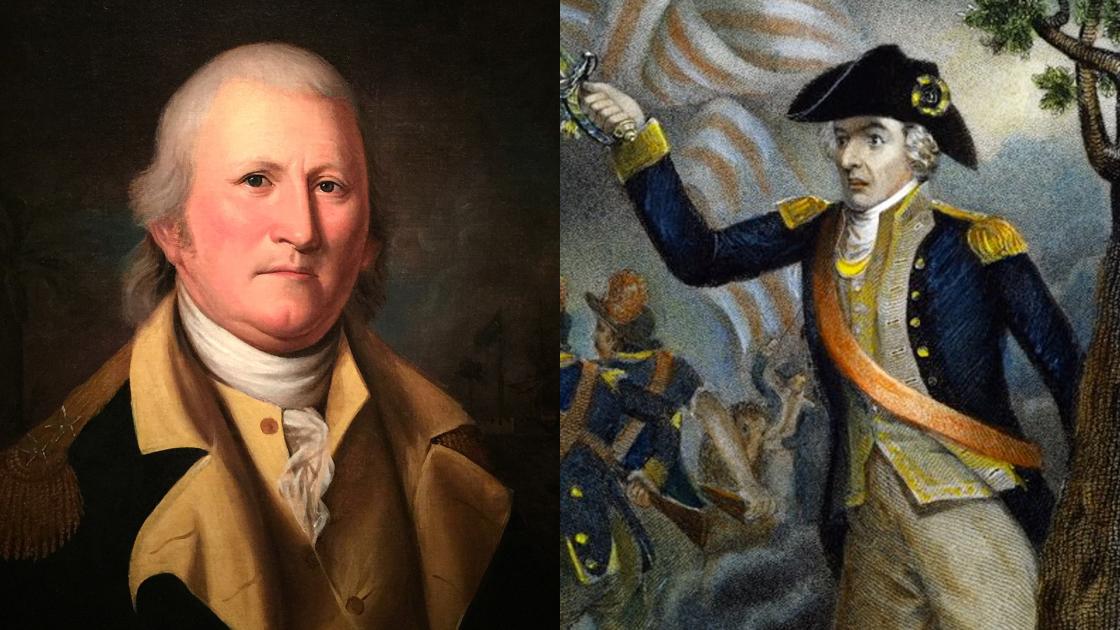
As the conflict intensified between those favoring rebellion and those supporting the Crown, Colonel Moultrie grew concerned about possible Loyalist attacks on the vital ammunition stores at Dorchester. He assigned the task of securing the critical munitions to the future “Swamp Fox,” Captain Francis Marion:
Nov. 19th 1775. To Captain Francis Marion.
You are to proceed with all expedition, with yours, and Capt. Huger's companies to Dorchester, to reinforce the troops there, and to take special care in guarding and defending the cannon, gun-powder, and public records, at that place. . . . You are to apply to the committee at Dorchester, for a sufficient number of negroes in the public service, to remove the cannon lying near the water-side, to a spot more safe, and convenient, near the fort or barracks. . .
However, the expected assault on Dorchester never came. Soon Marion tired of the post and requested a transfer, but this military base remained important to the Patriot cause. Powder from Dorchester was sent to resupply Patriot troops after their stunning victory in the Battle of Fort Sullivan on June 28, 1776, and the bridge at Dorchester facilitated troop movements around Charleston as the British wrested the city from Patriot control in the spring of 1780.
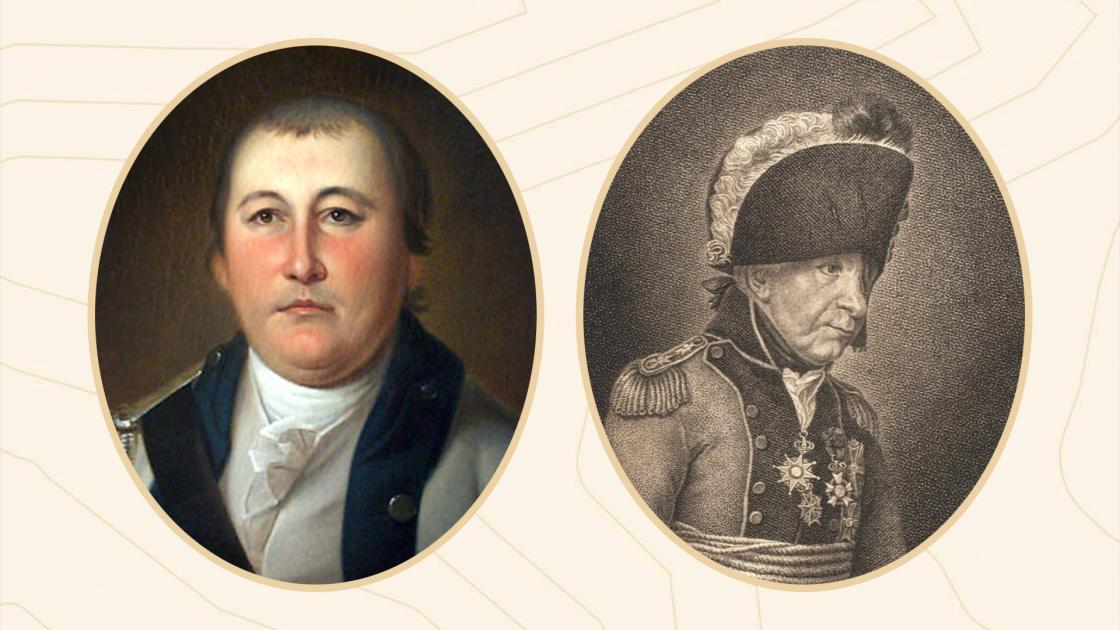
The Patriot occupation of Dorchester was not to last for the duration of the war. With fighting flagging in the North, the British initiated a southern strategy. British Lieutenant General Sir Henry Clinton, commanding land and sea forces, was headed to Charleston in late 1779. Patriot troops mustered at Dorchester before marching to the city’s defense.
The strong post at Dorchester continued to serve the Patriots as the British initiated siege operations in the early spring of 1780, but skirmishes with the British, who were patrolling the countryside, became more frequent. When Patriot cavalry under Lieutenant Colonel William Washington approached British positions located on Dorchester Road on March 25, 1780, Hessian Captain Johann Ewald ordered his men to fire. Fortunately, their volley only hit one man.
Before Charleston fell in May 1780, the Patriots managed to remove gunpowder, arms, provisions, and important papers from Dorchester before the British assumed control of the post. Upon entering the town, a British foraging party found it largely abandoned. The residents fled in fear of enemy reprisals and sought refuge in safer locations as the war came to their doorsteps. After taking Charleston, British occupiers seized Dorchester’s defensive works and converted St. George’s Anglican Church into a supply storehouse. The strategic position of Dorchester and the strength of its fortifications were as important to the British as they were to the Patriots. In a letter to his commander, Lord Cornwallis, British Lieutenant Colonel Nisbet Balfour asserted that the post needed to be constantly guarded to “prevent the enemy coming to our gates.” He gave the number of troops stationed at Dorchester at that time as “150 infantry and sixty mounted.”
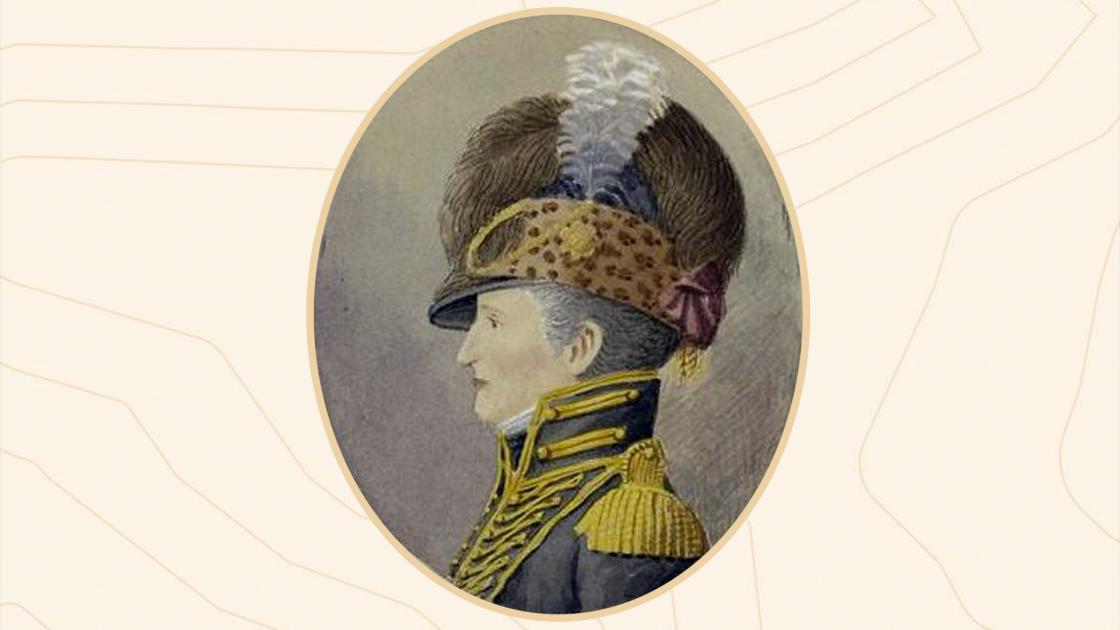
During the war, Dorchester changed hands — from Patriot to British and back again — many times. In July 1781, Patriot commander Brigadier General Thomas Sumter focused his efforts on destroying the British stronghold at Moncks Corner, which was an important enemy supply and communications base outside of Charleston. Before embarking on an engagement there, however, Sumter wanted to ensure that no reinforcements would come to aid the British. He sent out his forces — including the commands of Brigadier General Francis Marion and Lieutenant Colonel Henry “Light Horse Harry” Lee — to “sweep all the roads leading to Charles Town.” Lee’s Legion was to secure Dorchester and then cooperate with the State Cavalry under Lieutenant Colonel Wade Hampton to threaten Charleston and create the fear that nowhere beyond the city gates was safe for the British or Loyalists.
But when Lee arrived at Dorchester, he faced no opposition. The British were gone. Upon learning that Hampton was approaching nearby Goose Creek, they left their post and marched to reinforce Lieutenant Colonel John Coates’ 19th Regiment at Biggin Church near Moncks Corner. Hampton, too, encountered little resistance on his approach to Charleston, but his presence served to alarm the countryside, and many British and Loyalist soldiers fled to the confines of the city when they learned of the approaching Patriot cavalry. In the end, Hampton and Lee successfully rattled the enemy and forced the temporary abandonment of Dorchester. Coates managed to elude Sumter at Biggin Church and escape to Charleston. The game of cat and mouse continued. The Patriots moved on, and Dorchester was soon re-occupied by the British and Loyalists.
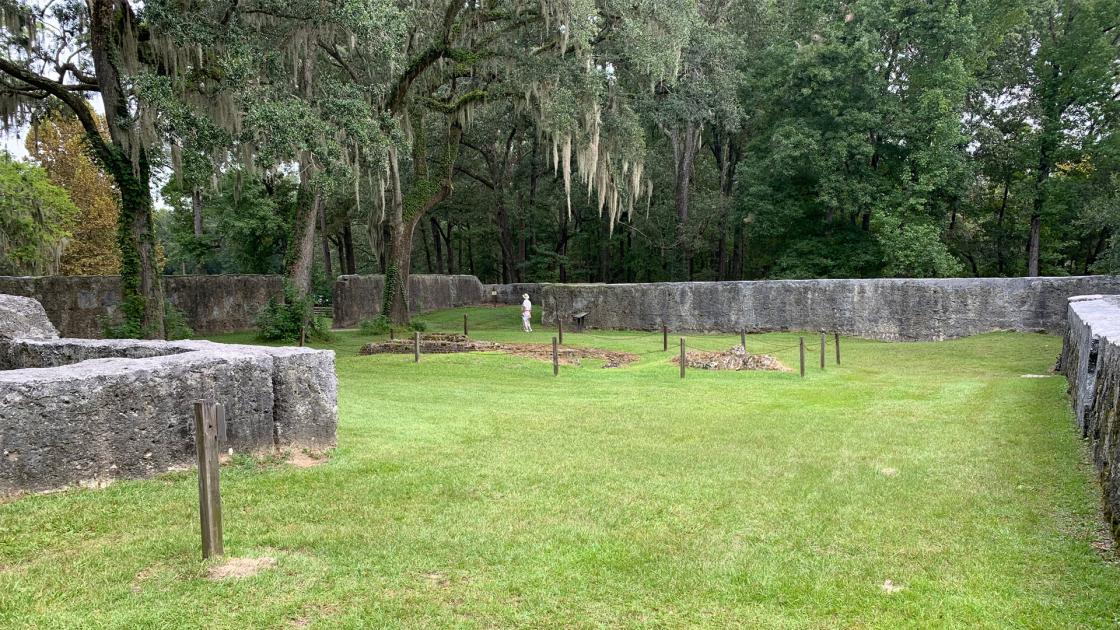
By the fall of 1781, the Patriots were pushing the British back toward Charleston. Because it was a strong British garrison on the perimeter of the city, Dorchester remained an important post for storing arms and gathering provisions. Despite its critical role in Charleston’s defenses, however, the fort was left vulnerable to attack in late November, when British forces threatened by Patriot Francis Marion’s Brigade were ordered to fall back to Goose Creek Bridge. This left the post unprotected. The nervous commander at Dorchester sent out patrols to detect Patriot threats to the fortifications and town.
Major General Nathanael Greene saw these circumstances as an opportunity. He and Colonel Wade Hampton approached Dorchester on December 1, 1781. Their force was composed of a "flying party" tasked with harassing the enemy garrison, which included about 300 men. As he led the Patriot advance, Hampton encountered a reconnaissance patrol of 50 South Carolina Royalists from Dorchester and ran the Loyalists back toward the tabby fortifications. The Loyalists suffered 10 killed and 20 wounded, while Hampton’s men had no casualties at all.
The Loyalists who fled back to the base identified Greene in the approaching column. The presence of the leader of the Southern Continental forces mistakenly convinced the Dorchester commander that he was facing the entire Patriot army. He immediately ordered supplies and ammunition destroyed, the church burned, and the guns thrown into the Ashley River. British troops then escaped under the cover of darkness. They would never occupy Dorchester again. Although the British eluded them, the Patriots captured some artillery from the ruined outpost. Then, they moved on. The British evacuated Charleston a year later.
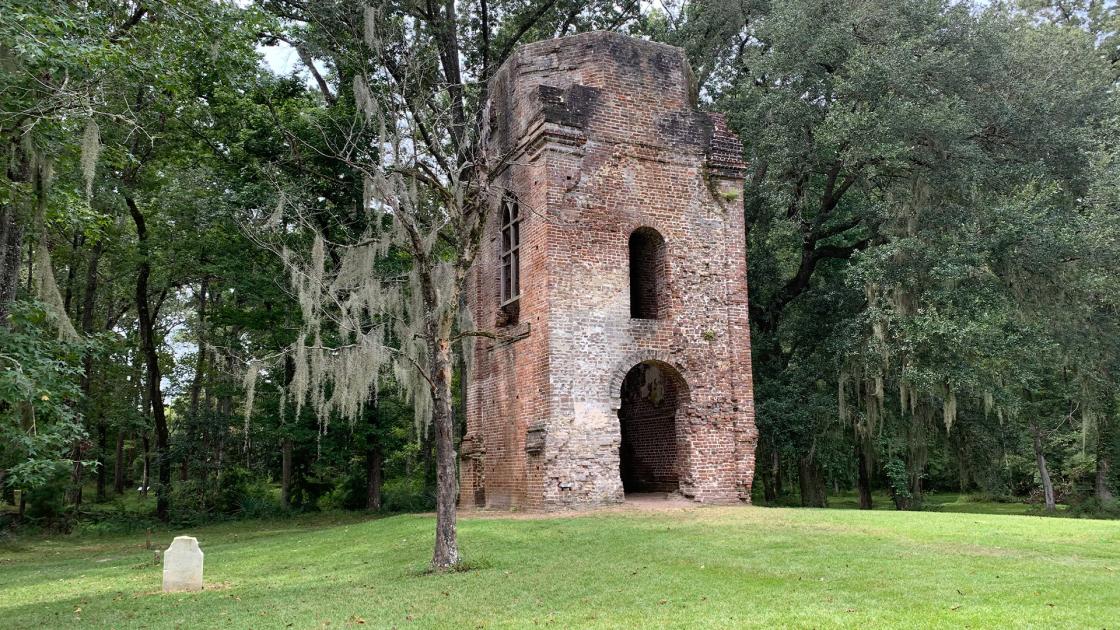
The town of Dorchester never recovered from the Revolutionary War. Loss of population and wartime destruction contributed to its demise. Nearby Summerville, located on higher, healthier, and more fertile ground, gradually replaced Dorchester, taking on the community’s religious and civic institutions and even repurposing bricks from its buildings. The tabby fort’s magazine was converted into a kiln for firing clay roofing tiles, but soon the structure and its history in the defense of Charleston was forgotten. An earthquake here in 1886 further destroyed what little remained. With time, area residents came to believe that the overgrown and crumbling fortress had been built by Spanish settlers to provide protection from Indians. Eventually, the site was renamed "Fort Dorchester," even though it had never been called a “fort” during the war. It is now protected and preserved by South Carolina State Parks, a division of the South Carolina Department of Parks, Recreation & Tourism.
In recent decades, land deeds, letters, diaries, and archeological work have enabled researchers to reconstruct the layout and appearance of the town’s lots and identify many of its settlers and enslaved men and women. You can follow the brown, lettered posts to walk through the old streets, view a tabby exhibit, and see recently uncovered artifacts. The fort, St. George Anglican Church's graveyard and bell tower, and the foundations of a few houses are sole survivors of the strategic post that served both Patriots and Loyalists during the fight for American independence. The fort is one of the best examples of a tabby military installation in the United States and offers visitors a sense what life might have been like for troops stationed within the impenetrable walls more than 200 years ago.