-
The BlogBiographies
-
Videos

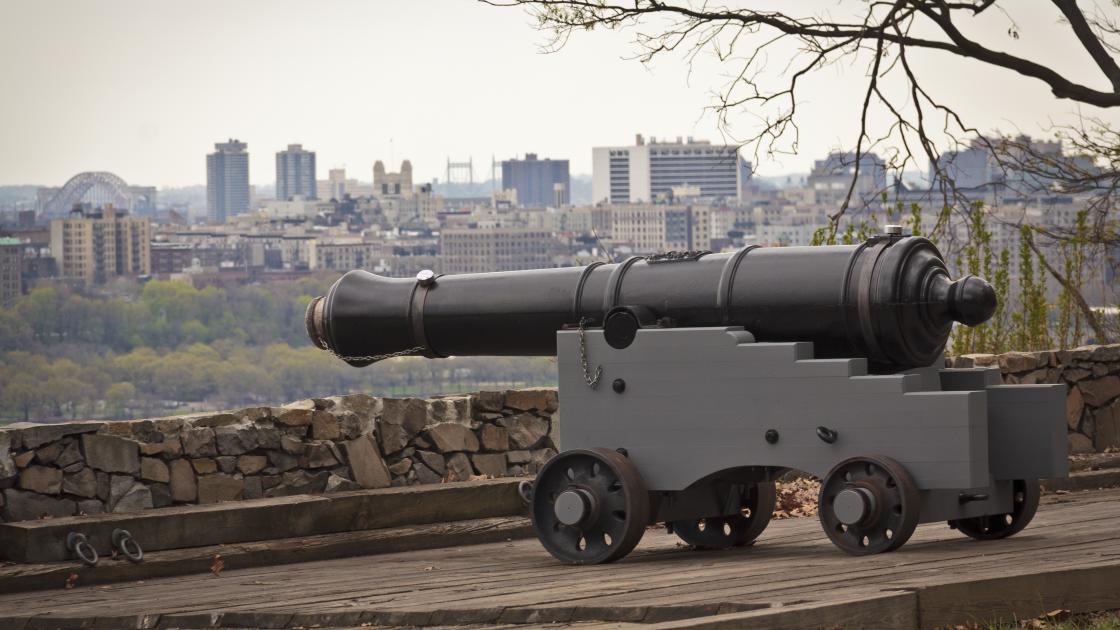
“New York is a Post of infinite importance both to them and us, and much depends on priority of possession.” General George Washington to Jonathan Trumbull, Sr., Governor of Connecticut, March 14, 1776
It’s November 1776—the ink had barely dried on the Declaration of Independence, and the new United States was well into its second year of war against the British. All summer, all eyes had been on New York City. The British badly wanted to win and keep control of the city, strategic for its deep-water harbors, significant Loyalist population, and the many advantages of its location on the Hudson River. So far, British General Sir William Howe kept it firmly in his embrace, and American defeats at Long Island, Kip’s Bay, and White Plains were devastating tactically and for patriot morale. Patriots only had two footholds in Manhattan now, under the direction of General Nathanael Greene. Everything that stood in the way of a total British occupation of New York City surrounds you--a 2,000-man garrison at Fort Lee, and a 2,900-man garrison across the river at Fort Washington. The British victories here at Fort Lee and Fort Washington will secure New York for the British, drive Washington to undertake a series of daring maneuvers that became known as the 10 Crucial Days.
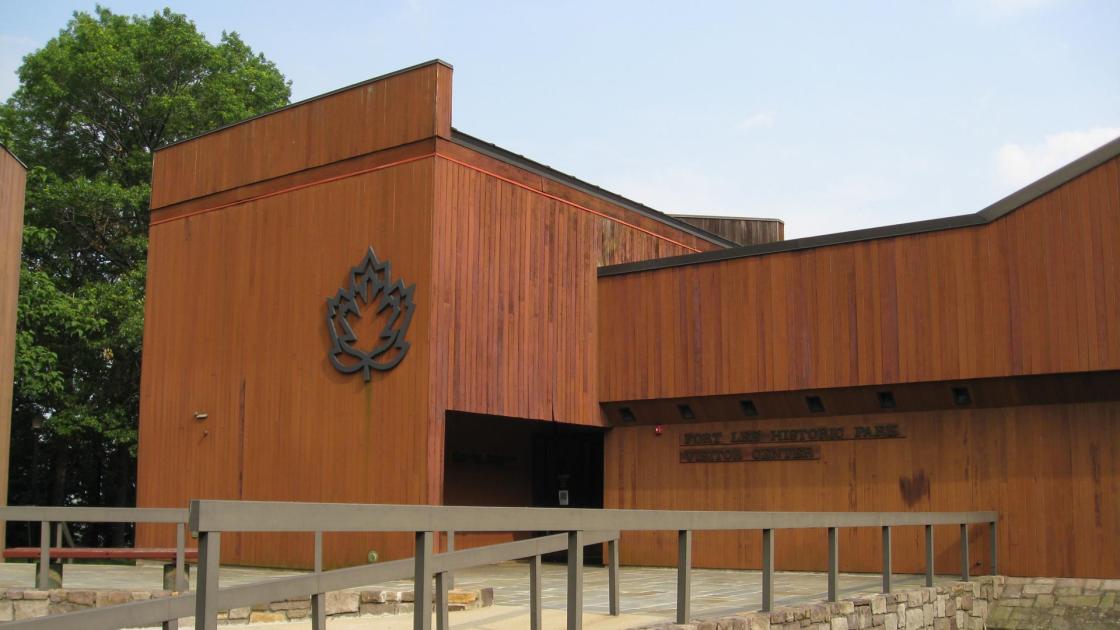
The Fort Lee Historic Park Visitor Center provides exhibits and walking trails detailing the Revolutionary War history of the site.
Before we get started, let’s get one thing out of the way: you’re probably wondering why you’re at a place named Fort Lee when it was another general, General Nathanael Greene, who commanded the patriot forces here in the summer and fall of 1776. Originally named Fort Constitution when construction began in July 1776, it was quickly renamed in honor of the Continental Army’s General Charles Lee, who was enjoying a brief shining moment in the aftermath of his victory against the British at Sullivan’s Island that June--but that’s another tour!
As you leave the visitor center, follow the tour road to stop #2 in the app
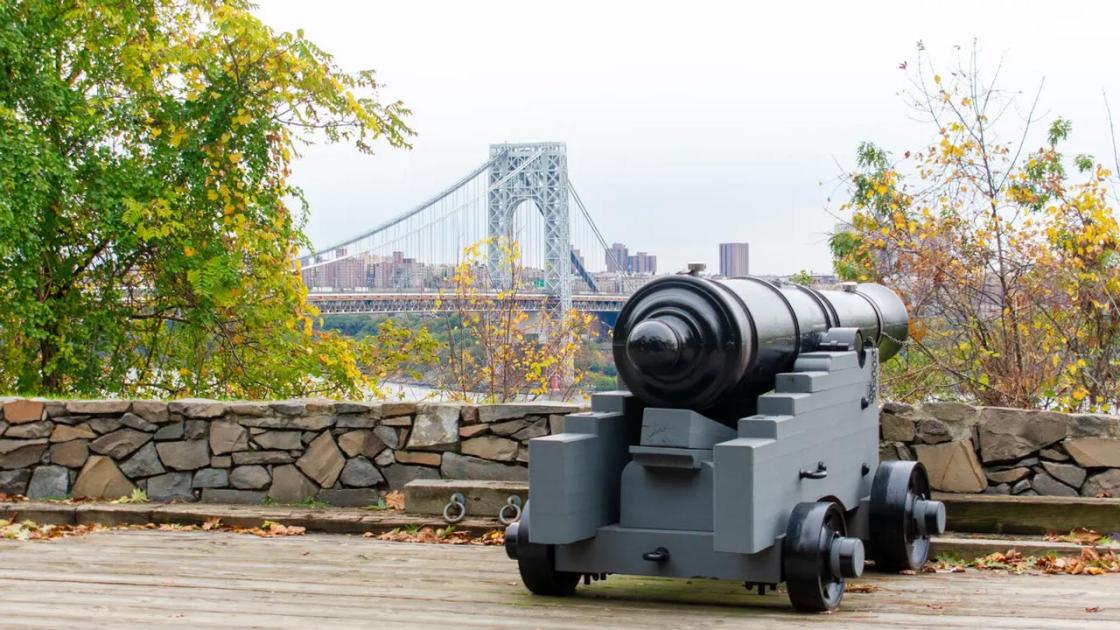
“The preservation of the Passage of the North River was an Object of so much Consequence that I thought no pains or Expence too great for that purpose.” General George Washington, November 16, 1776
The original star-shaped Fort Lee was located just outside park boundaries, behind you near the intersection of Main Street and River Road. But from the vistas here within the park, you can easily grasp the strategic locations that made both Fort Lee and Fort Washington valuable prizes for the Americans and the British. As you explore the park’s overlooks of the Hudson River—sometimes called the North River--it’s also easy to see why American commanders initially felt confident in their ability to defend Fort Washington from a British advance. Scrape away the modern Manhattan skyline and George Washington Bridge, and you’re left with the naturally sloping terrain, wooded hillsides, and swampland that made this spot a less-than-ideal landscape to attack.
And while you’re taking in the vastness of the Hudson River, remember that waterways were Revolutionary battlegrounds, too. On September 7, 1776, two months before the fall of Fort Washington, patriots launched an experimental attempt to strike a blow at the British Navy, specifically the H.M.S. Eagle anchored in New York Harbor. Enterprising patriots launched the Turtle submersible, which was supposed to dive below the Eagle and attach explosives before propelling to safety. For more reasons than we have time for now, it didn’t go off as planned. After a few more failed attempts to prove its usefulness, the Turtle became a casualty of the battle at Fort Lee, when the ship it was stored in was destroyed by the British here, in the Hudson. The Turtle still earned its place in history, gaining notoriety as the first ever combat-deployed “submarine.”
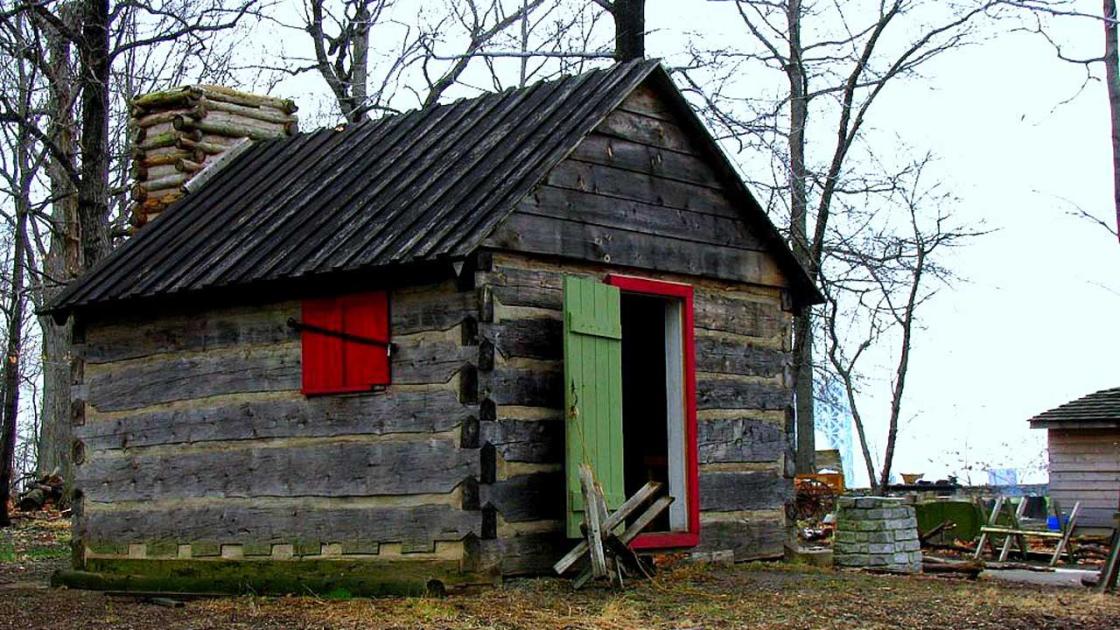
“I don’t yet know the Numbers killed or wounded on either Side, but from the heaviness and Continuance of Fire in some places, I imagine there must have been considerable Execution.” General George Washington to John Hancock, November 16, 1776
It’s November 20, 1776—you’re one of 2,000 patriot soldiers stationed here, part of the Fort Lee garrison. Despair, failure, and fatigue hang in the air like a dense fog. Across the Hudson River stands Fort Washington. Up until a few days ago, it was the last patriot stronghold against the British Army’s conquest of New York. But today, it’s the site of the worst defeat patriots have suffered yet.
On November 15, British General William Howe sent a demand to Fort Washington’s commander Colonel Robert Magaw: surrender. But Magaw refused, stating “I am determined to defend this post to the last extremity.” The next day, British troops under General Charles Cornwallis and Lieutenant General Wilhelm von Knyphausen’s Hessian regiments launched their attack.
Generals George Washington and Nathanael Greene stood inside Fort Lee, helpless to the unfolding disaster across the river. They could only watch and wait, gauging the severity by the fierceness of the gunshot, cannonade, and rising smoke. At first patriots held their own against the multi-pronged assault, but after a day of fierce, “murderous” fighting, the fort fell to the British. The Continentals lost 3,000 men as prisoners of war along with 146 cannon, 12,000 rounds of artillery ammunition, 2,800 muskets and 400,000 cartridges. Washington reported the surrender to John Hancock in harsh terms: “The Loss of such a Number of Officers and Men, many of whom have been trained with more than common Attention, will I fear be severely felt. But when that of the Arms and Accoutrements is added much more so.” Greene was also devastated. “I feel mad, vexed, sick and sorry” he wrote to his friend, Colonel Henry Knox.
But that was all days ago. Fort Washington had surrendered, and Fort Lee is now vulnerable to the same fate. You and your compatriots are all that stand in the way of the British Army’s total control over the Hudson.
From here, make your way to your car, as stops 3 & 4 require a vehicle to comfortably visit.
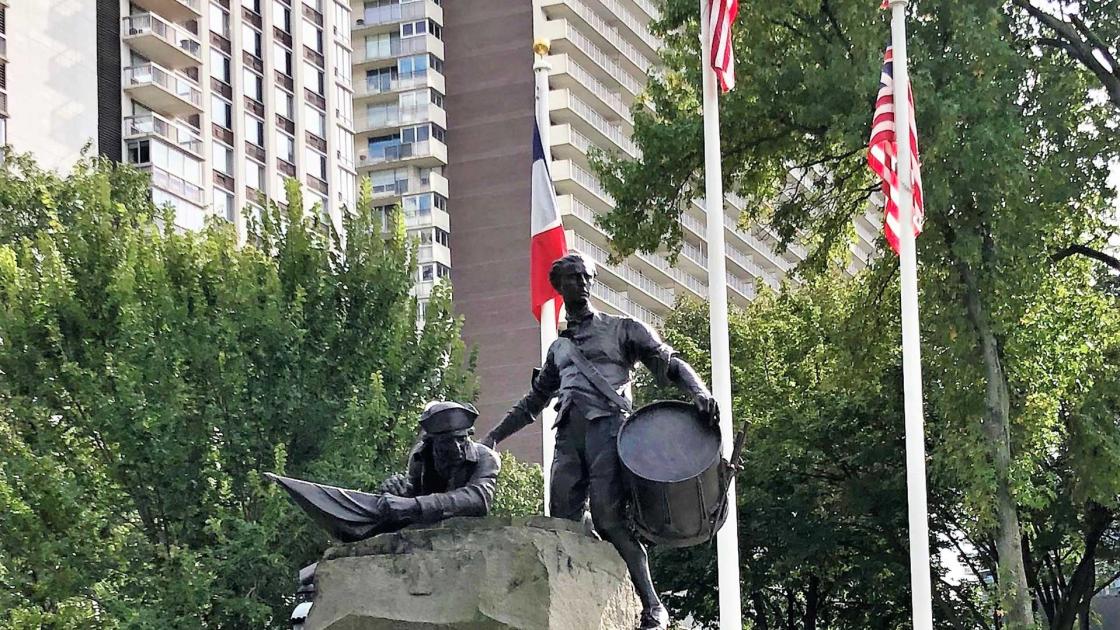
You are now standing within the original footprint of Fort Lee. From within the fortified walls here, on November 16, 1776 Generals George Washington and Nathanael Greene witnessed the devastating defeat that General Charles Cornwallis’s combined British and Hessian forces handed to the patriot stronghold across the river at Fort Washington. They knew it wouldn’t be long before Cornwallis set his sights—and 5,000 soldiers—on Fort Lee.
Under the cover of night on November 19, Cornwallis’s 5,000 troops loaded into 200 flatboats and crossed the Hudson’s west bank. They landed at sunrise six miles north of here, and began the arduous climb up the steep Palisades cliffs toward Fort Lee—aided by three local loyalists who knew the terrain.
But an eagle-eyed patriot saw the British landing and quickly notified General Greene. Himself still reeling from the devastating loss of men, supplies, and morale, Greene swiftly ordered that Fort Lee be abandoned. Imagine the anxious energy of the 2,000 soldiers here using the modern Main Street (to the north) to move supplies (and themselves) before Cornwallis could arrive on the scene. Greene wrote, “I am sending off the Stores as fast as I can get Waggons up…The Stores here are large and the transportation by land almost endless. The Powder and fixed ammunition I have sent off first by land as it is an article too valuable to trust upon the Water.” Despite his efforts, Greene could not move everything out in time. Washington wrote that hundreds of tents, a thousand barrels of flour and many of the fort’s cannons were left behind.
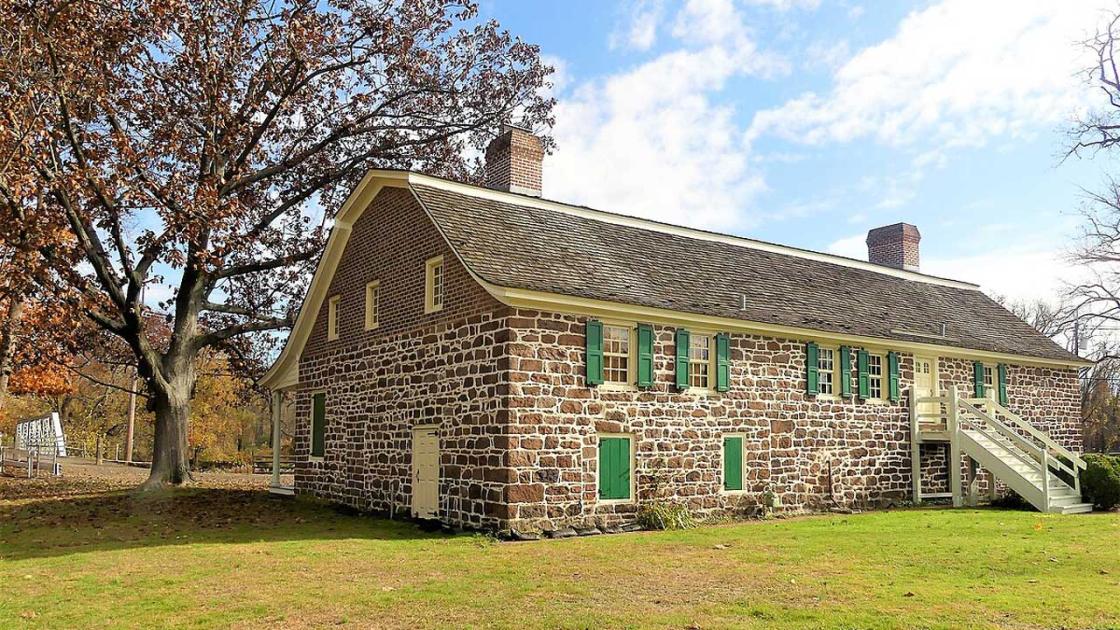
General Nathanael Greene’s hasty preparations and retreat from Fort Lee on November 20, 1776 wasn’t panic—it was a tactical necessity. He knew that his troops needed to cross the Hackensack River here, at New Bridge, to avoid being trapped like sitting ducks in the narrow New Jersey peninsula. Thomas Paine marched with Greene’s troops here, and witnessed first-hand the Continentals retreat here, from Fort Lee:
“Our first object was to secure the bridge over the Hackensack, which laid up the river between the enemy and us, about six miles from us, and three from them. General Washington arrived in about three quarters of an hour, and marched at the head of the troops towards the bridge, which place I expected we should have a brush for; however, they did not choose to dispute it with us, and the greatest part of our troops went over the bridge, the rest over the ferry, except some which passed at a mill on a small creek, between the bridge and the ferry, and made their way through some marshy grounds up to the town of Hackensack, and there passed the river. We brought off as much baggage as the wagons could contain, the rest was lost.”
The loss of Forts Washington and Lee were overwhelmingly distressing to the Continental Army. These were the very hardships—both mental and physical—that inspired Paine to write “these are the times that try men’s souls.” But though he may not have known it, Washington’s tactical retreat from Fort Lee wasn’t merely an ending. For General George Washington and the Continental Army, the road to the Ten Crucial Days—and the rest of the American Revolution—had just begun.